


Why can I trust a reading from a sealed box on the ground, but not a figure for how much carbon a whole field gained?
I ask it that way because I have done the first one myself…
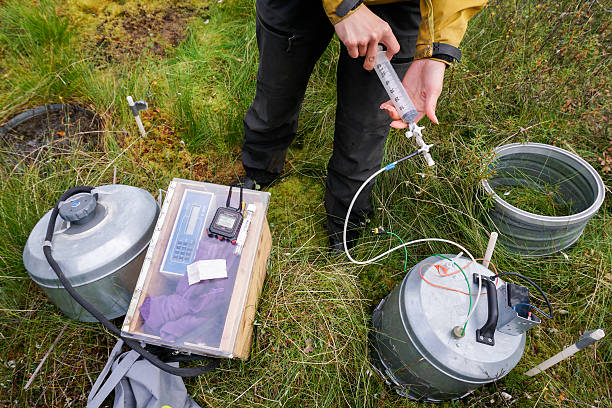
For a season I measured carbon dioxide coming out of soil with a sealed chamber, and I trusted those readings. When I read a headline figure for the carbon in a whole field, I do not trust it the same way, and the reason is not the equipment or the people. It is one idea sitting underneath soil carbon, rock weathering, and a lot of climate measurement: whether the thing you are measuring has a boundary you control.
I want to explain that idea on its own, because once I understood it properly, a lot of arguments about environmental numbers stopped being confusing.
What a Boundary Buys You
Let me start with my own chamber, because the reason it works is the whole point.
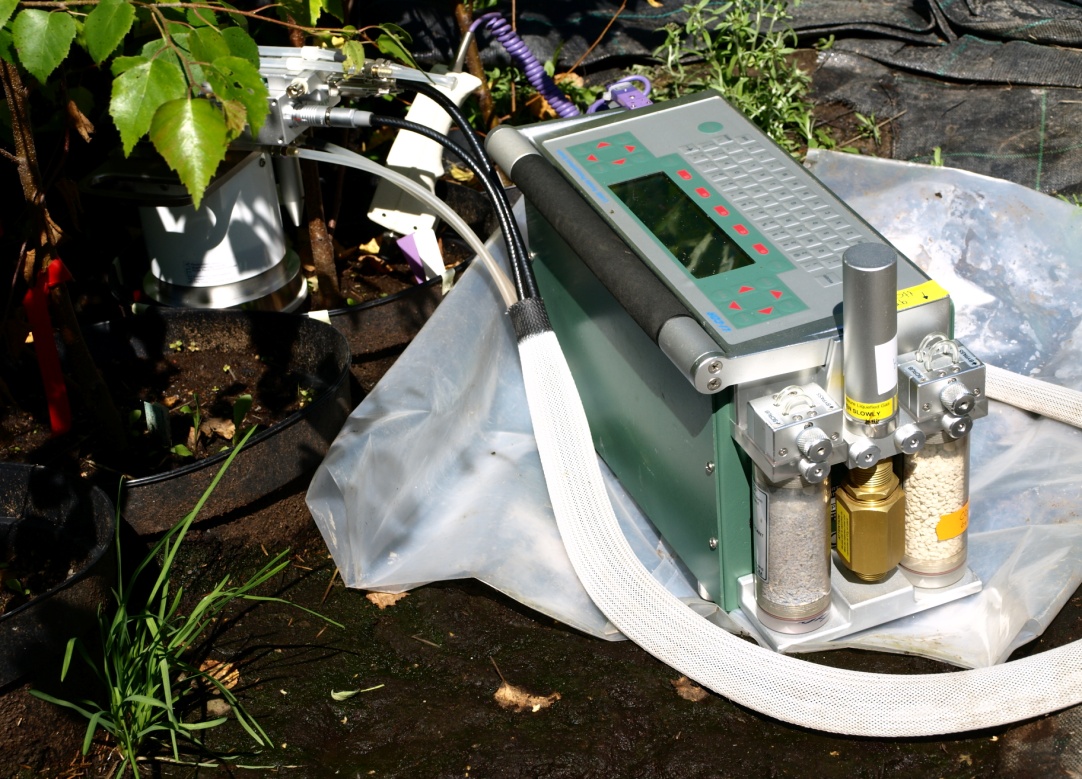
The chamber has a known volume. It sits on a known area of ground. It is closed. So everything the soil releases goes into that fixed space and nowhere else. I watched the CO₂ rise inside it, and from that rise I knew the rate, because there was nowhere else for the gas to have gone. That is what made me trust the number.
That is a closed system. Not closed in the sense that nothing gets in or out, but closed in the sense that I knew where the boundary was and could account for what crossed it.
A paper in Environmental Science and Technology makes this point for a similar surface gas measurement, and it matches what I found in the field. It argues that a flux measured at the ground surface reflects all the processes going on below it, and so gives more certainty than taking a concentration reading and feeding it into a model.
I would put it in plainer terms from my own experience. When everything has to pass through your boundary, watching the boundary means you have seen everything. That is exactly why my chamber readings felt solid and a modelled estimate never does.
What Happens When You Remove the Boundary
Now take my chamber away, which is what every large carbon-measuring project effectively has to do.
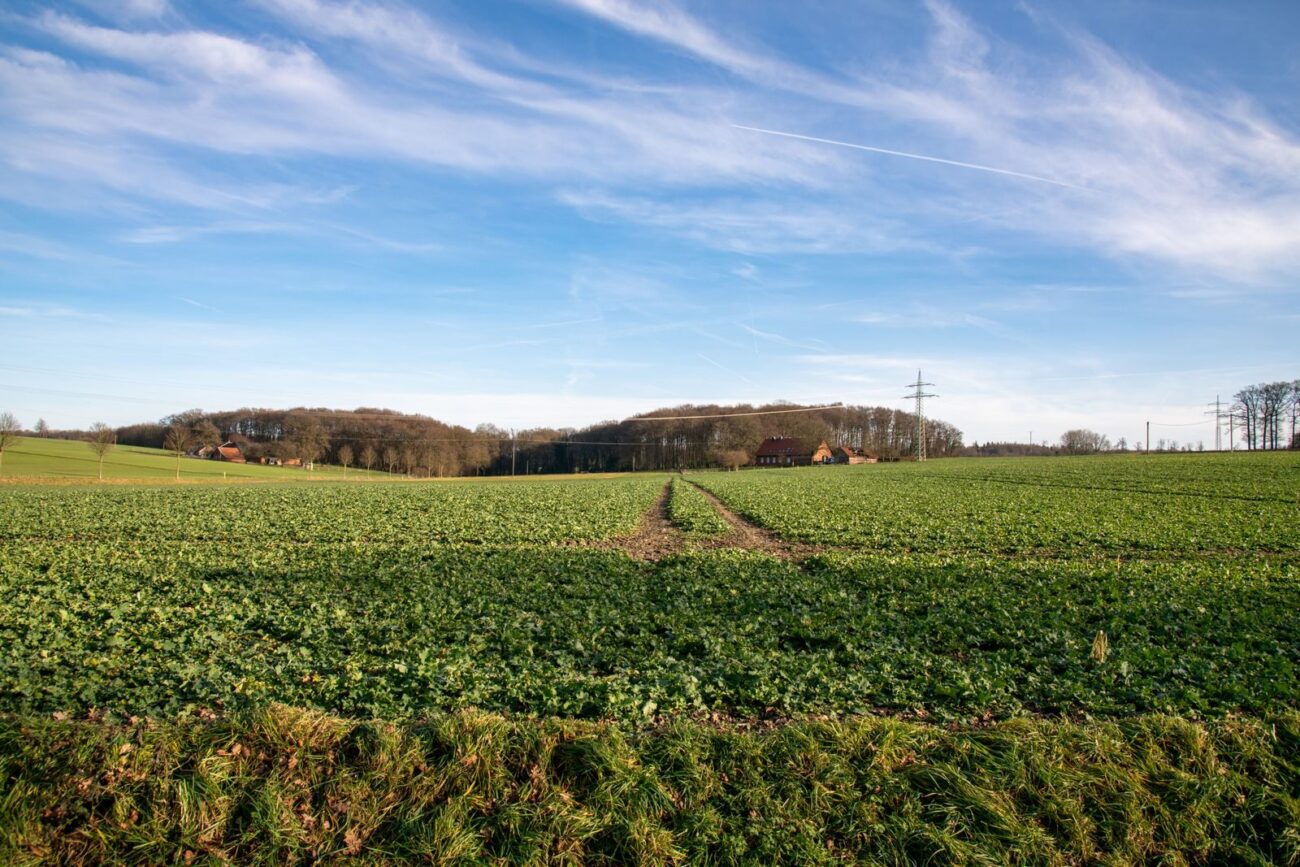
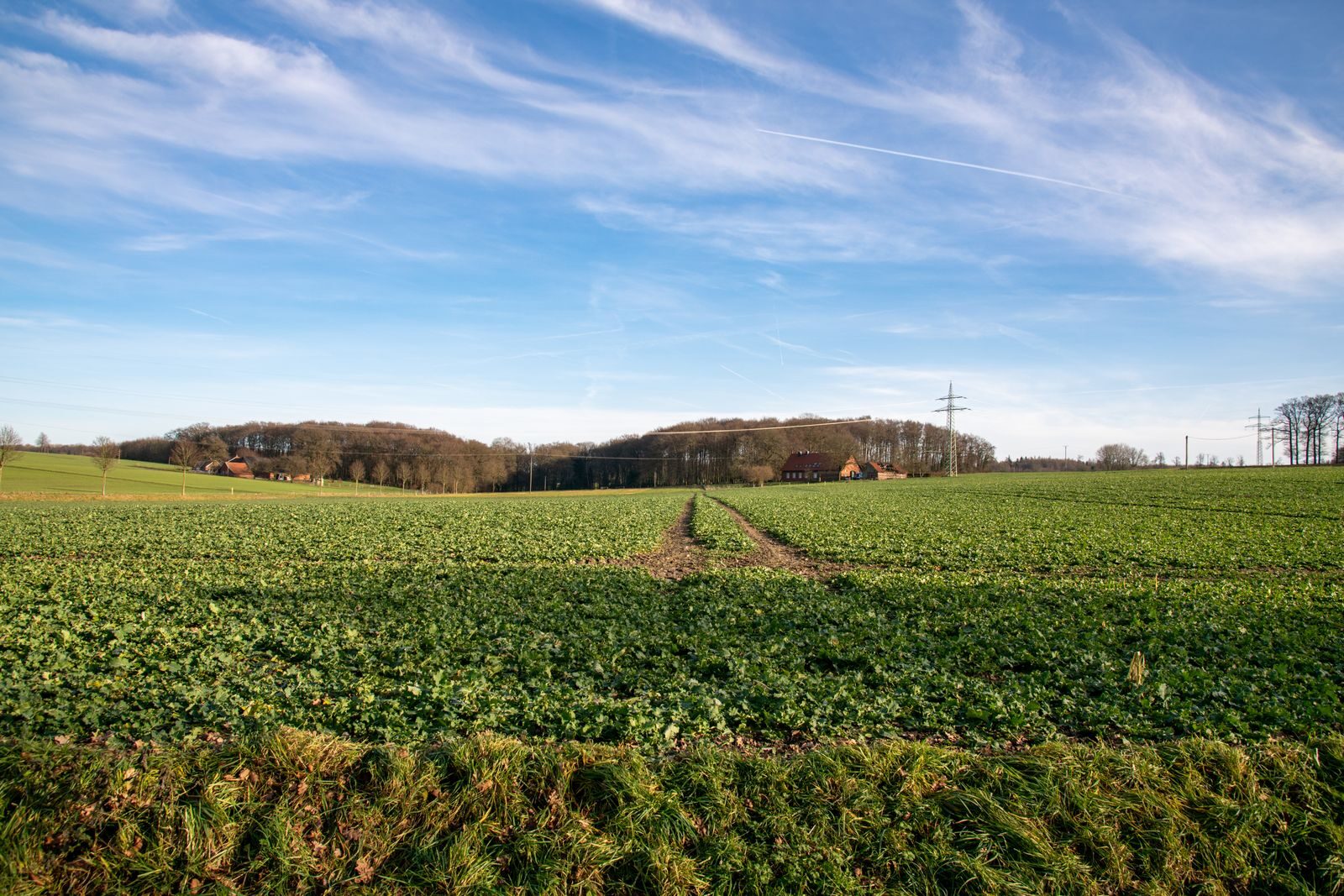
You want to know how much carbon a whole field gained over five years. There is no box. There is no single surface everything passes through. Carbon comes and goes by many routes at once: down into the soil, up into the air, sideways in water, into roots and out of them.
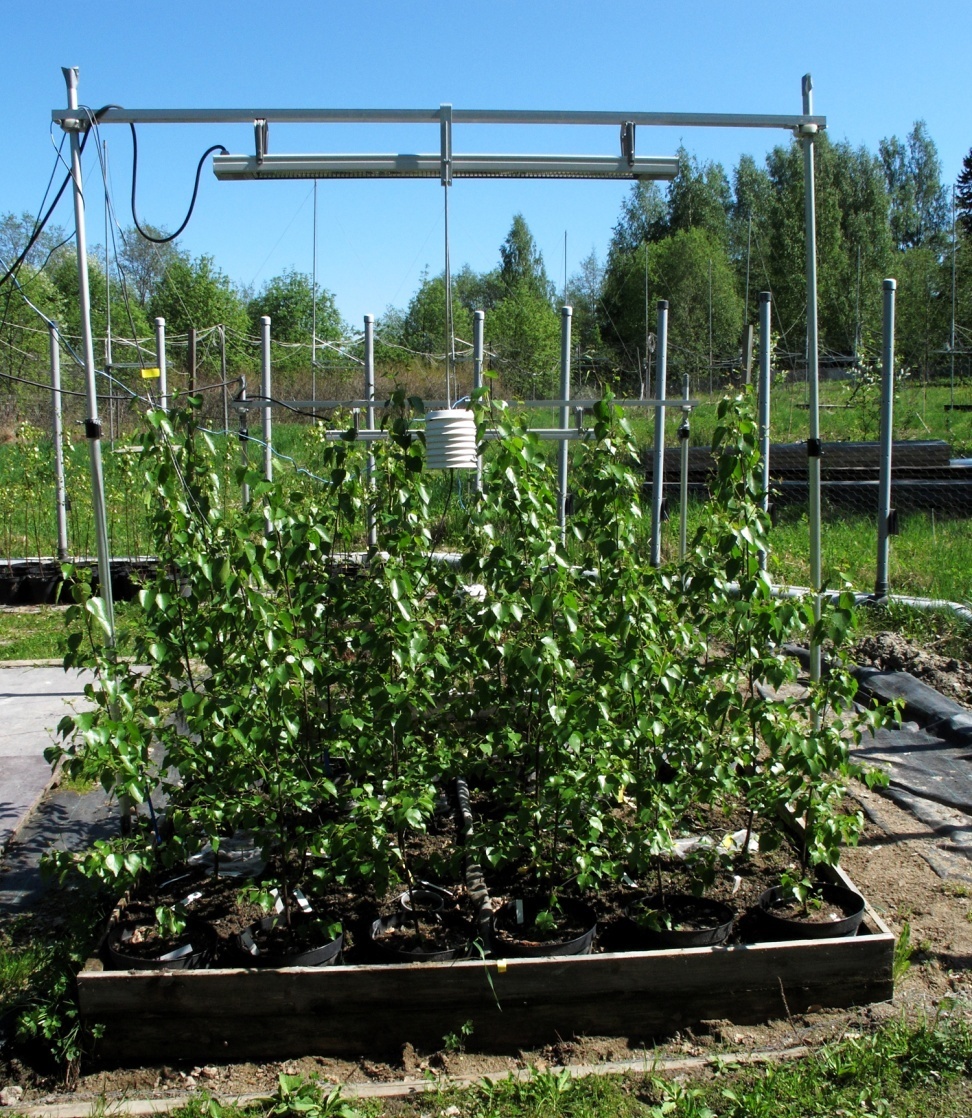
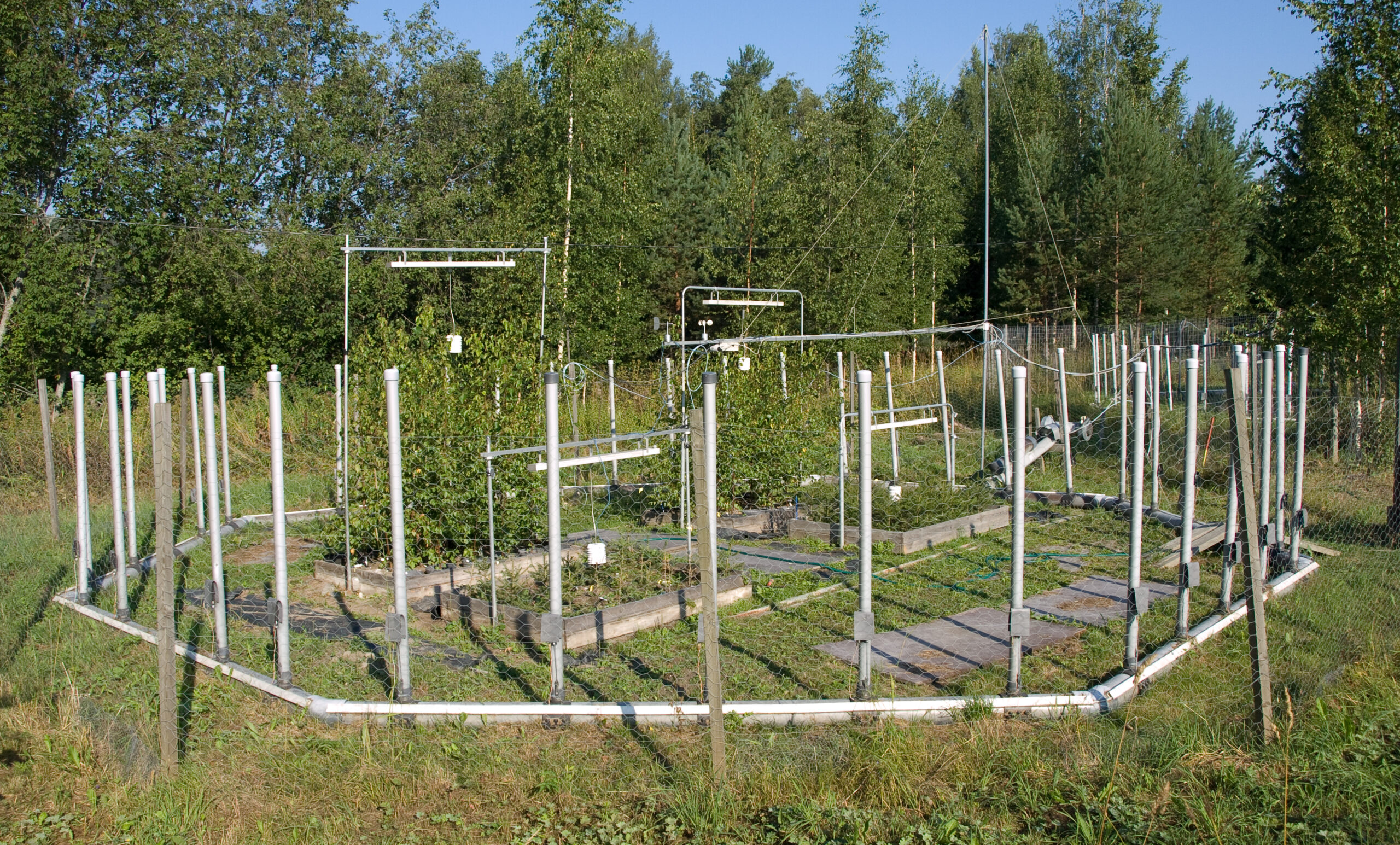
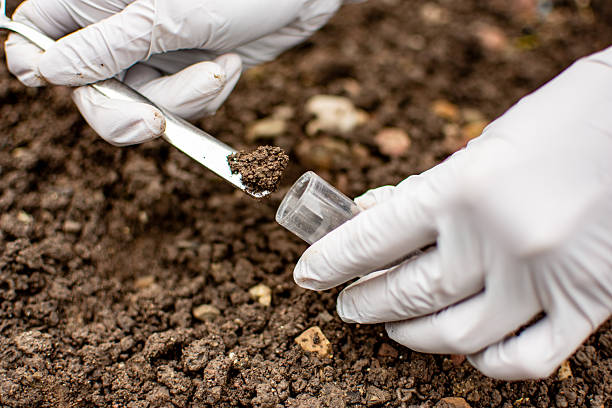
You cannot watch all of those routes. So you sample. You take pieces of the field, at some depth, at some spots, on some days, and you use them to estimate the whole. I know from my own fieldwork how much variation there is between one sample and the next, and that was in built plots I had prepared carefully. On an ordinary farm it is worse.
The moment you are sampling and estimating instead of accounting for a boundary, everything gets harder. You are no longer measuring the thing. You are inferring it from parts, the parts vary, and some routes you are not watching at all.
That is an open system. No boundary you control, and that single fact is behind nearly every hard measurement problem I have come across in environmental science.
The Same Idea, in Three Places I Have Written About
Once I started seeing this closed-versus-open difference, it turned up everywhere I looked.
Soil carbon credits. The reason soil carbon is so hard to measure is that a field is an open system. The carbon is spread through the ground, it varies from spot to spot, and you can only sample it. There is no boundary to catch it all.
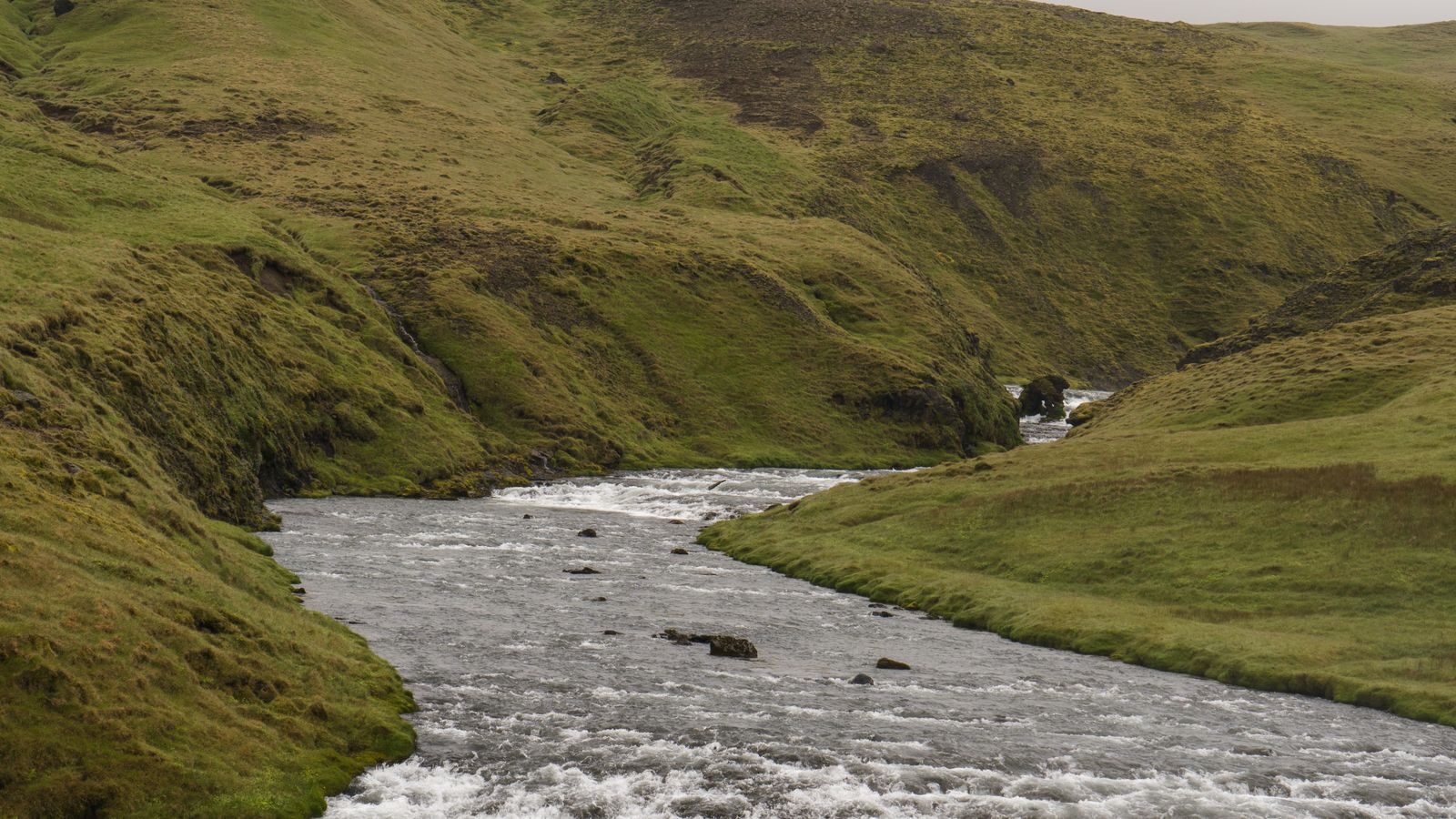
Rock weathering. The reason proving rock weathering worked is so hard is the same one. The captured carbon leaves as dissolved bicarbonate in water, draining away in every direction. No boundary, no chamber, no single exit to watch.
My own chamber work. The reason it gave me numbers I trusted is that it was as close to a closed system as field measurement gets. Known volume, known area, sealed. That is why, in my own head, it sits at the trustworthy end and a carbon credit figure sits at the difficult end. It is not that one set of people is more honest. It is that one measurement has a boundary and the other does not.
Nothing Is Fully Closed
I have to be fair here, because it would be easy to oversell my own chamber, and I do not want to.
Even a sealed chamber is not perfectly closed. When I was taking readings, I knew the chamber itself was affecting things, and the research says the same.
An expert survey on chamber measurement in Earth System Science Data sets out how. The longer the chamber stays closed, the more the conditions inside it drift away from the conditions outside, which changes the very thing you are trying to measure. And placing the chamber on the soil disturbs the soil. That matched my own experience exactly. It is why you take the reading and then stop, rather than leaving the chamber sitting there, and why you treat a disturbed placement with suspicion. The chamber changes the system a little just by being there.
For me, that is the useful lesson, not a footnote. It means closed and open are not two boxes. They are the two ends of a scale.
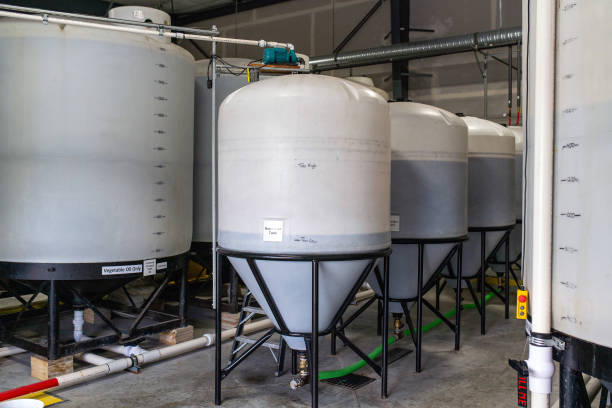
At one end sits a sealed chamber, a laboratory flask, a controlled tank. Nearly closed. You can account for almost everything, and the small errors come from the measurement disturbing the system, which is the kind of error I was managing in the field.
At the other end sits a whole field, a river catchment, the open ocean. No usable boundary at all. You sample, you model, you estimate, and you carry large uncertainty.
Most real environmental measurement sits somewhere along that scale, and where it sits tells you how much to trust the number before you know anything else about it.
Why This Is Worth Understanding
This is not abstract for me. It is the filter I actually use on any environmental number I meet.
I ask one question first: how closed was the system it came from?
If someone measured a gas leaving a sealed chamber, or a substance in a controlled tank, I treat the number as likely solid, and I ask sensible questions about the small errors, the same ones I dealt with myself. If someone claims a figure for a whole field, a whole forest, a whole catchment, I know they are working in an open system, and I read the number as an estimate carrying real uncertainty, however confidently it is stated.
That does not make open-system numbers worthless…
Much of climate science depends on them, because some things are too big to put in a box, and estimating them carefully is the honest best we can do. It means they should come with error bars, and I get suspicious of any open-system figure quoted to a precise-sounding number with no uncertainty attached.
My own rule, from the time I spent measuring, is simple. The tighter the boundary, the more I trust the number.
When there is no boundary, I want to know how they sampled, how they modelled, and how big the uncertainty is, before I believe the headline. That is not distrust. It is knowing where numbers come from, because I have stood in a field trying to get one.