


Soil respiration is one of the most important components of the terrestrial carbon cycle. It represents the release of carbon dioxide (CO₂) from soil through root respiration and microbial decomposition. This flux plays a key role in regulating ecosystem carbon balance and responding to environmental changes such as warming, drought, and atmospheric pollution.
To quantify this process, researchers commonly use soil respiration chambers, which allow direct measurement of CO₂ exchange between soil and atmosphere under field conditions.
What Are Soil Respiration Chambers?
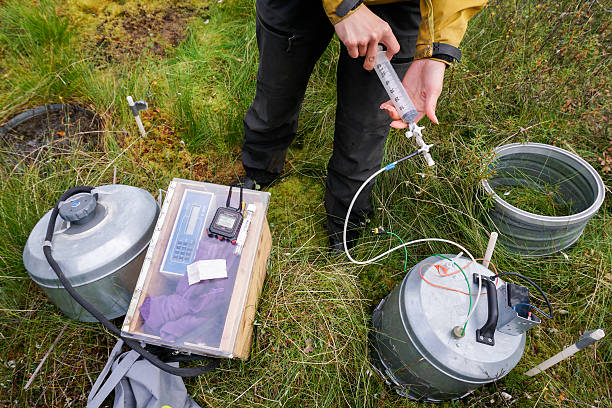
Soil respiration chambers are instruments used to temporarily enclose a defined area of soil and measure changes in CO₂ concentration over time. From these changes, the rate of CO₂ efflux (soil respiration) can be calculated.
This method is widely used in ecological and climate research because it allows:
Direct measurement of soil-atmosphere carbon exchange
Non-destructive sampling in natural field conditions
Repeated measurements over time
Sensitivity to environmental drivers such as temperature and moisture
Soil respiration chambers are not a single standardized device but a general methodological approach, with multiple systems available depending on study design and research requirements.
How the Chamber Method Works
A soil respiration chamber is placed on the soil surface, creating a sealed or semi-sealed environment. Within this enclosure, CO₂ produced by root activity and microbial decomposition accumulates in the chamber headspace.
The system continuously monitors changes in CO₂ concentration over time. The rate of increase is then used to calculate soil CO₂ efflux per unit area.
Modern systems are designed to minimise measurement artefacts caused by pressure changes, temperature effects, or air mixing inside the chamber. This is important because soil CO₂ flux measurements are highly sensitive to small physical disturbances.
Instrument Used in My Research
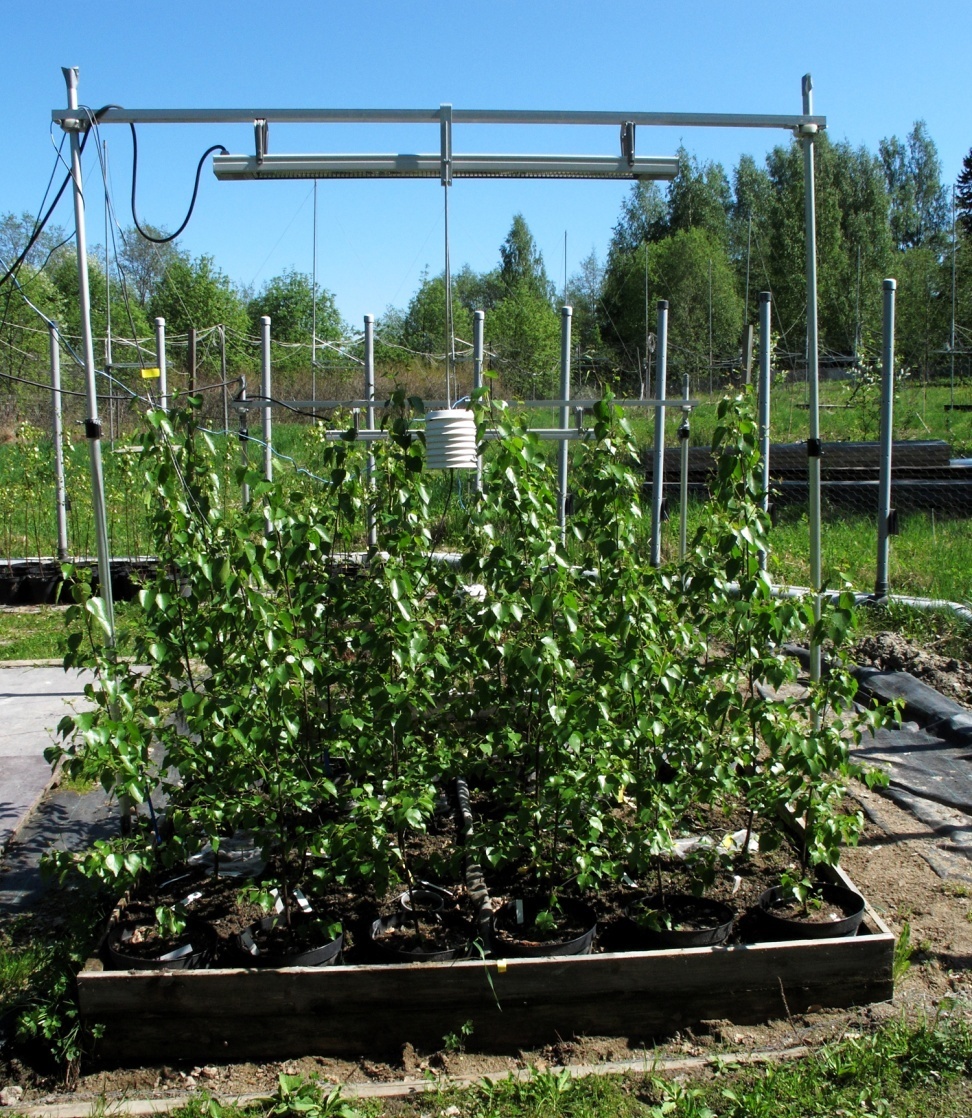
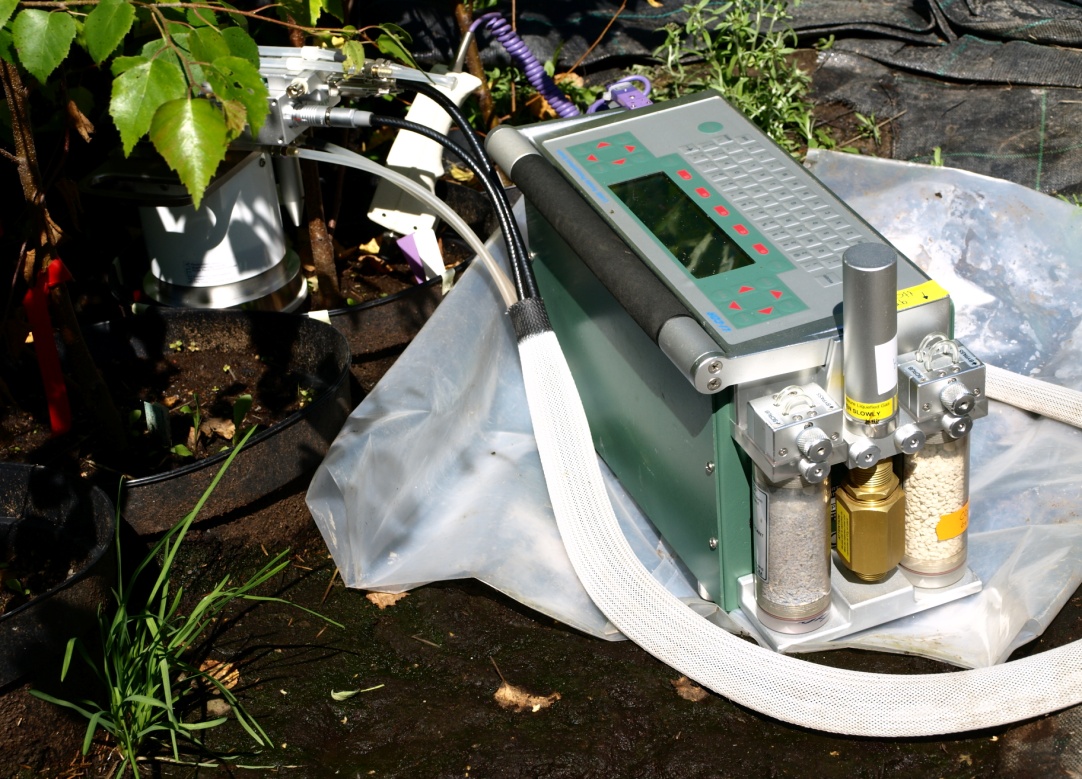
In my field study on silver birch (Betula pendula), I used a LI-COR gas exchange system equipped with a soil CO₂ flux chamber (LI-6400 series with 6400-09 soil chamber attachment) to measure soil respiration under field conditions.
This system was selected because it enables high-resolution, repeatable measurements of soil CO₂ efflux across multiple experimental plots.
However, it is important to emphasise that this is only one implementation of the chamber-based method. Soil respiration can also be measured using other compatible chamber systems depending on research design and instrumentation availability.
Field Measurement Procedure
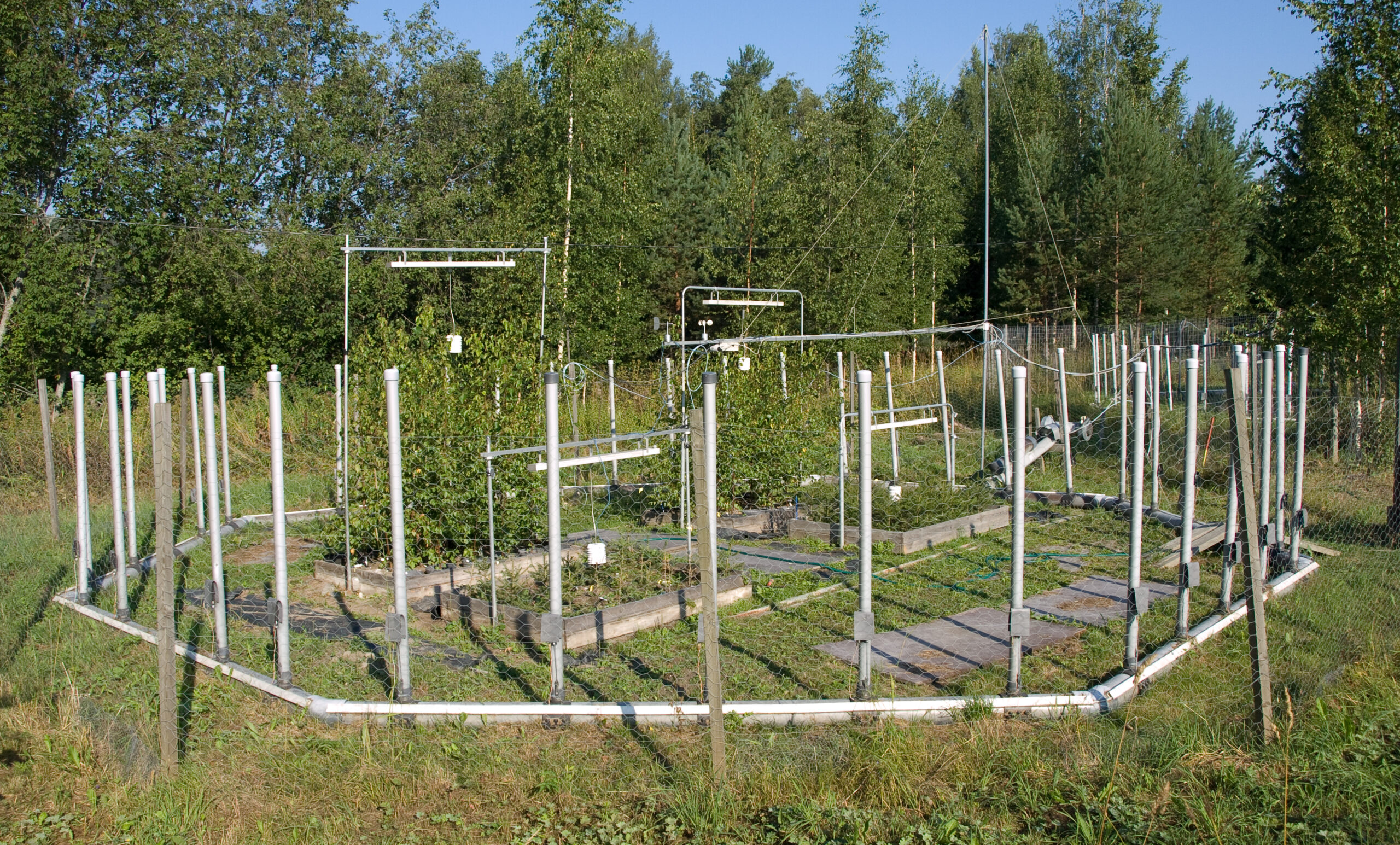
Measurements were conducted in open-field experimental plots under natural environmental conditions.
Each measurement followed a consistent protocol:
The chamber was placed on a fixed soil sampling location
A proper seal was ensured between chamber and soil surface (or collar)
CO₂ concentration changes were recorded over a defined time period
Soil temperature and moisture were recorded simultaneously
The consistency of placement, timing, and environmental recording was essential for ensuring comparability across treatments and time.
Why This Method Is Used
Soil respiration chambers are widely used in ecosystem research because they:
Provide direct, in-situ measurement of CO₂ flux
Capture short-term environmental responses
Allow repeated sampling across experimental treatments
Produce comparable data across time and space
This makes them especially valuable in climate change studies where soil carbon feedbacks are a key uncertainty.
Why I Used This System in My Research
In my study, the objective was to investigate how moderate warming (+0.9°C) and elevated tropospheric ozone affect carbon cycling in a silver birch ecosystem.
Soil respiration was a central variable because it reflects:
root metabolic activity
microbial decomposition rates
belowground carbon allocation
Using a chamber-based system allowed direct comparison of soil CO₂ flux across:
warming vs. ambient temperature treatments
ozone vs. ambient air conditions
two silver birch genotypes (gt14 and gt15)
Findings from My Study
Using this method, I observed that:
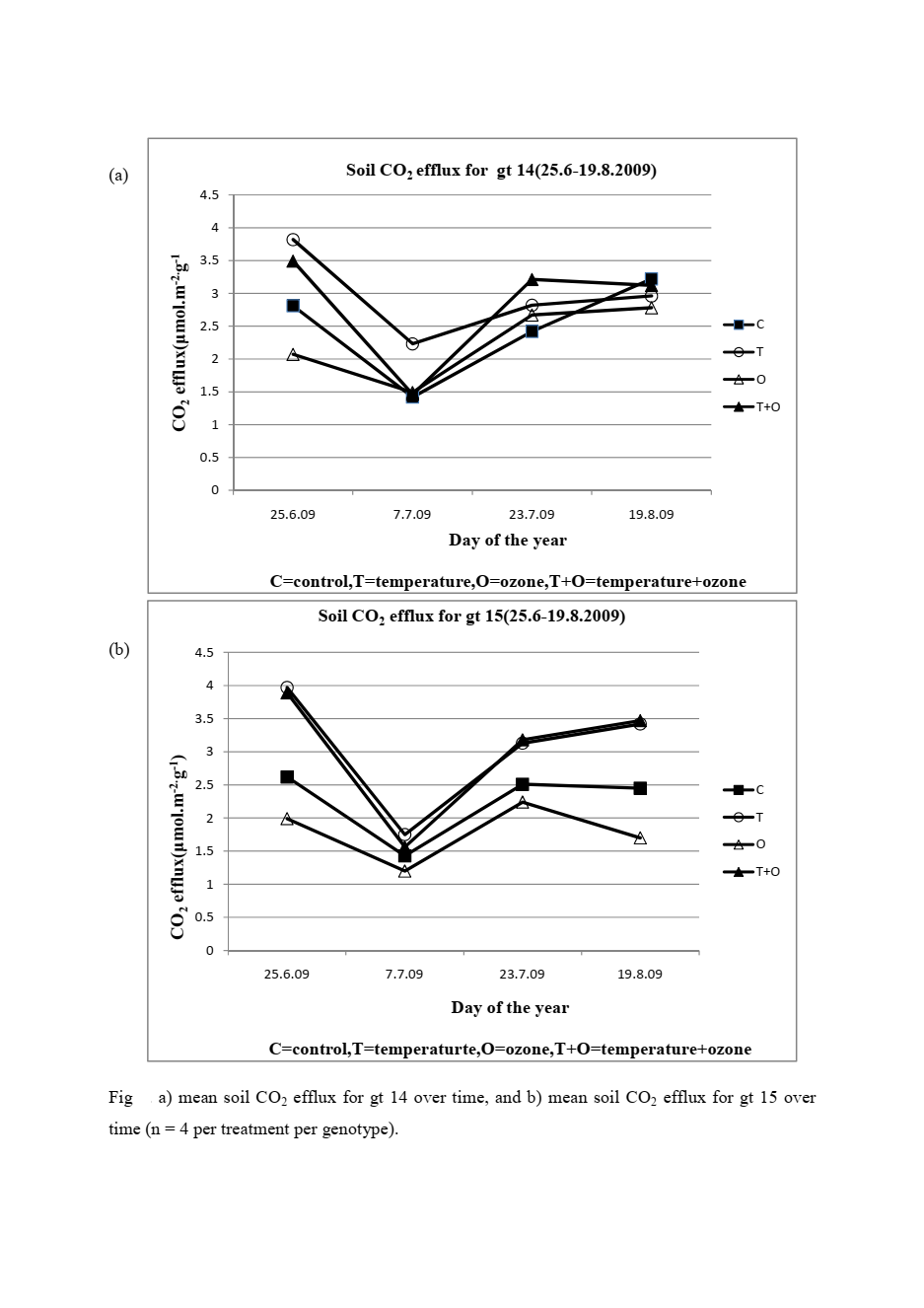
Moderate warming increased soil CO₂ efflux in both genotypes
Genotype gt15 showed a stronger respiration response than gt14
Ozone effects were weaker and more variable
In some cases, warming offset ozone-induced changes in soil respiration
These results highlight that soil carbon dynamics are influenced by both environmental drivers and genetic variation in plants.
Practical Insights from Field Work
Chamber-based soil respiration measurements are highly effective but require strict methodological discipline.
Accuracy depends strongly on:
consistent chamber placement
proper sealing to prevent gas leakage
stable measurement timing
minimal disturbance of the soil surface
Even small inconsistencies can affect CO₂ flux estimates, making procedural consistency essential in long-term experiments.
Summary
Soil respiration chambers are a fundamental tool in ecosystem carbon research, enabling direct measurement of CO₂ flux between soil and atmosphere.
In my study, a LI-COR chamber system was used as one practical implementation of this method to measure soil respiration in a silver birch experimental system under warming and ozone treatments.
The results demonstrate how soil respiration responds to environmental change and highlight the importance of both climate drivers and genetic variation in regulating belowground carbon processes.
Overall, this method provides a reliable and widely used approach for understanding ecosystem carbon dynamics under changing environmental conditions.
FAQs
What is a soil respiration chamber?
A soil respiration chamber is a field instrument used to measure CO₂ release from soil. It temporarily encloses a defined soil surface area and tracks changes in CO₂ concentration to estimate soil CO₂ efflux.
Why is soil respiration measured in ecosystem research?
Soil respiration is a key component of the carbon cycle, reflecting both microbial decomposition and root activity. It is widely used to assess how ecosystems respond to environmental changes such as warming, drought, and atmospheric pollution.
How does a soil CO₂ flux chamber work?
The chamber is placed on the soil surface to create a temporary sealed environment. As CO₂ accumulates inside, the system records concentration changes over time, which are used to calculate soil CO₂ efflux per unit area.
Are all soil respiration chambers the same?
No. Soil respiration chambers represent a general methodological approach. Different systems exist depending on research needs, ranging from simple manual chambers to advanced automated gas analysis systems.
What factors influence soil respiration measurements?
Soil temperature, moisture, microbial activity, vegetation type, and measurement technique all influence CO₂ flux. Because of this variability, careful and consistent field procedures are essential.
What is the main limitation of the chamber method?
Soil respiration chamber measurements are highly sensitive to field technique. Small differences in sealing, placement, or timing can affect results, so strict consistency is required for reliable data.