





Can small increases in temperature reliably enhance biofuel production, or do hidden ecological responses challenge this assumption?
If you’re a curious mind like me, someone who looks at forests and sees more than just trees, you eventually start asking questions.
What if the success of a large-scale biofuel plantation is not determined only by species, soil type, or management strategy, but by something as small as a fraction of a degree in temperature?
And more importantly,
what if we are still underestimating how climate itself changes the economics of biomass energy?
For me, this did not come from theory. It came from field measurements during my previous research works, where controlled warming experiments showed something interesting: even when trees grow side by side under identical conditions, they do not respond to climate change in the same way.
Forests Are Not Uniform Systems
In forestry and bioenergy planning, we often simplify nature.
We assume:
Same species = similar growth
Same environment = similar yield
Same treatment = predictable output
But in the field, things are much more complex.
During my experimental monitoring of silver birch (Betula pendula), trees of the same species showed clear differences in growth and soil respiration, even when they were only a few meters apart.
Some trees consistently focused on growing taller. Others increased leaf production. Some maintained stable function under stress, while others shifted their energy toward survival.
This variation reflects real biological differences.
In biofuel systems, these small differences between trees can lead to big differences in yield per area of land.
A Controlled Climate Experiment
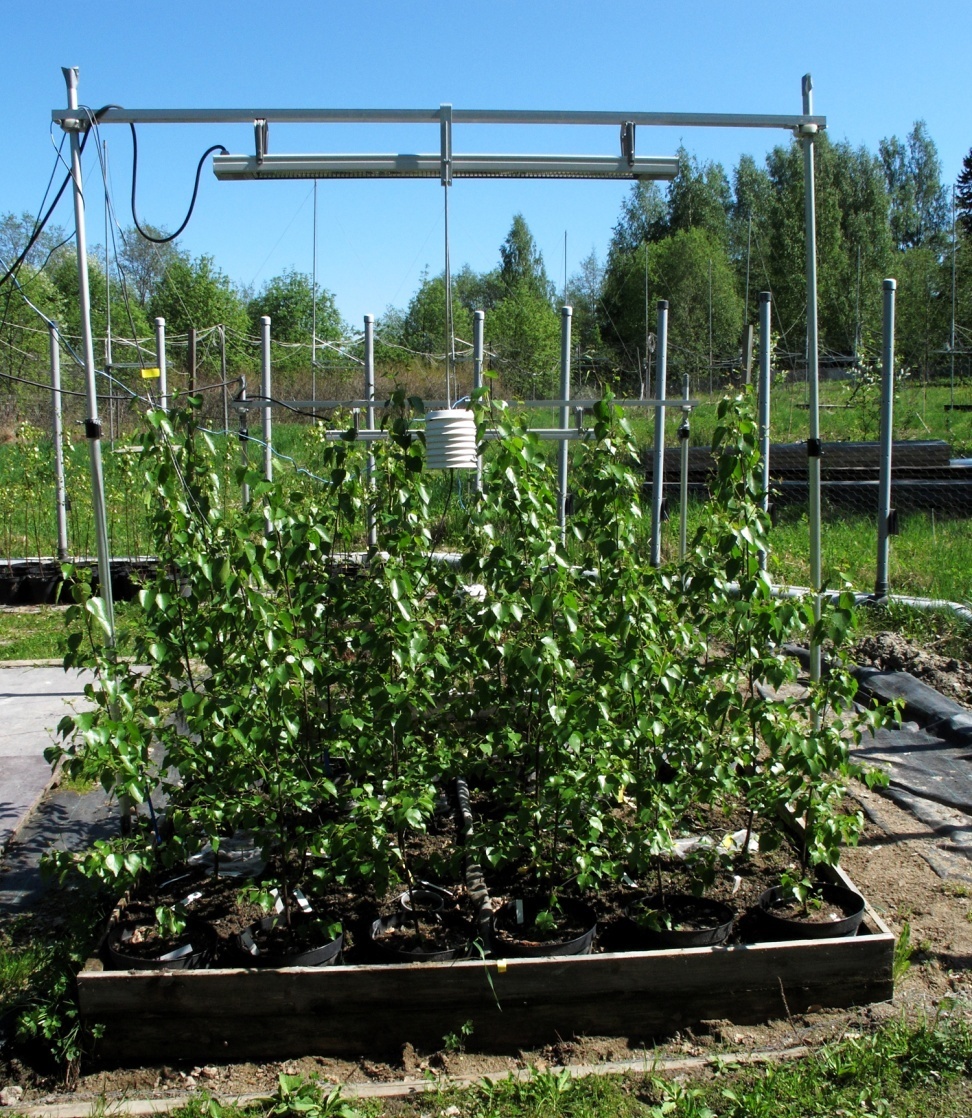
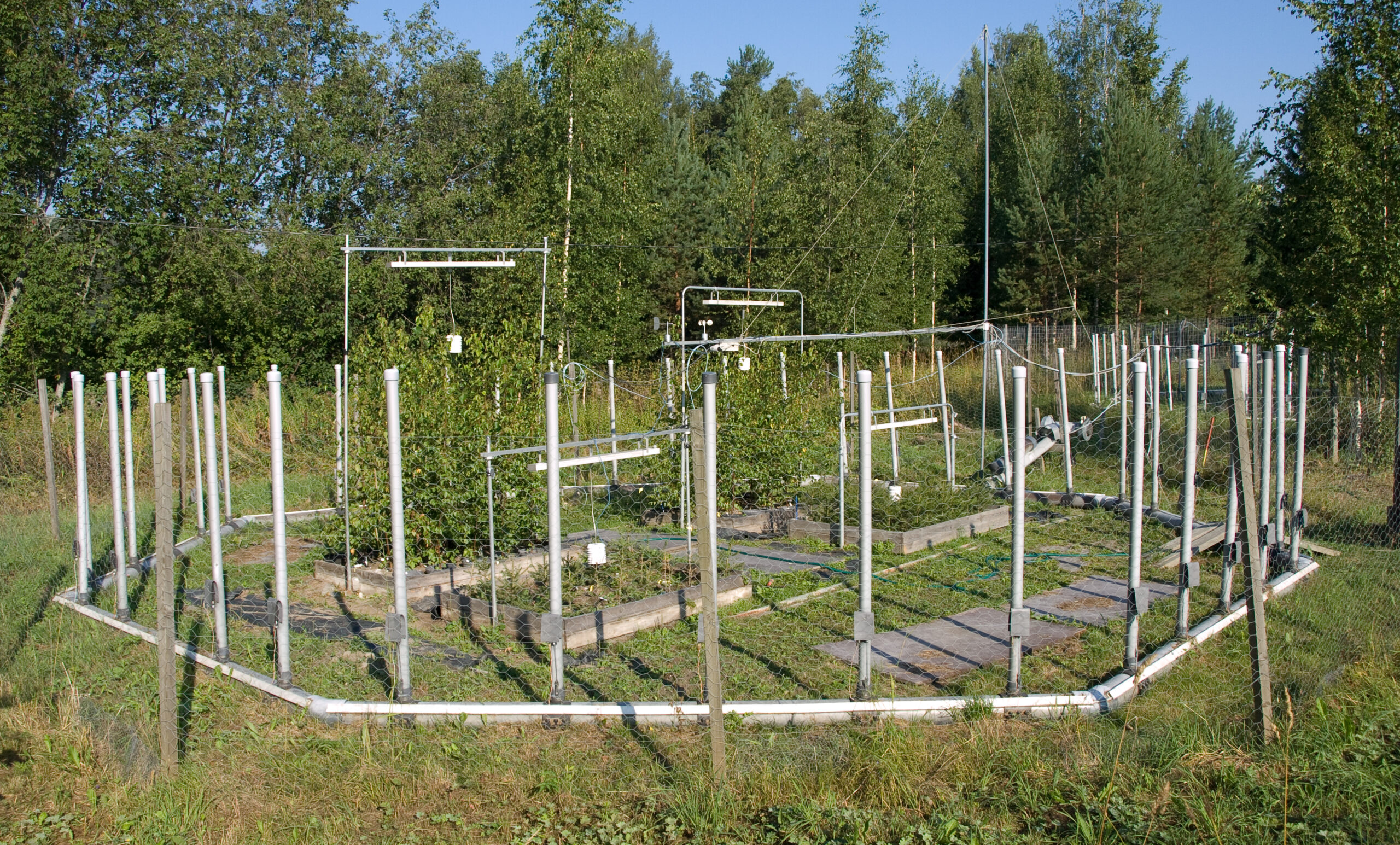
To understand how climate factors such as temperature and ozone affect tree growth, we carried out a controlled field experiment, where I was part of the research team.
The design included:
Open-air forest plots
Infrared heating systems to simulate warming
Ozone enrichment to simulate air pollution stress
Two tree genotypes planted under identical conditions
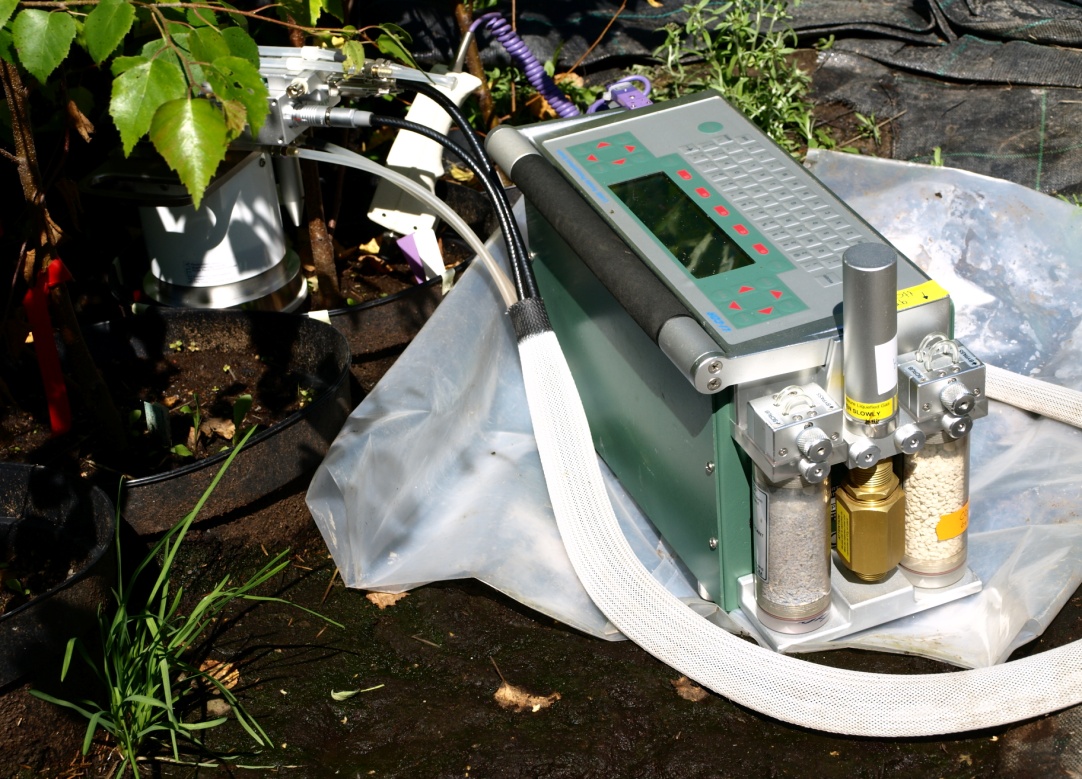
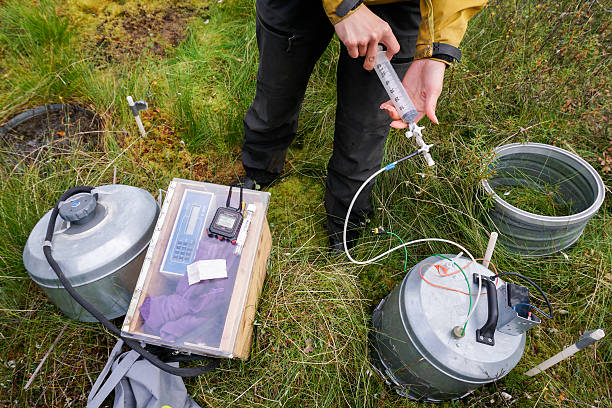
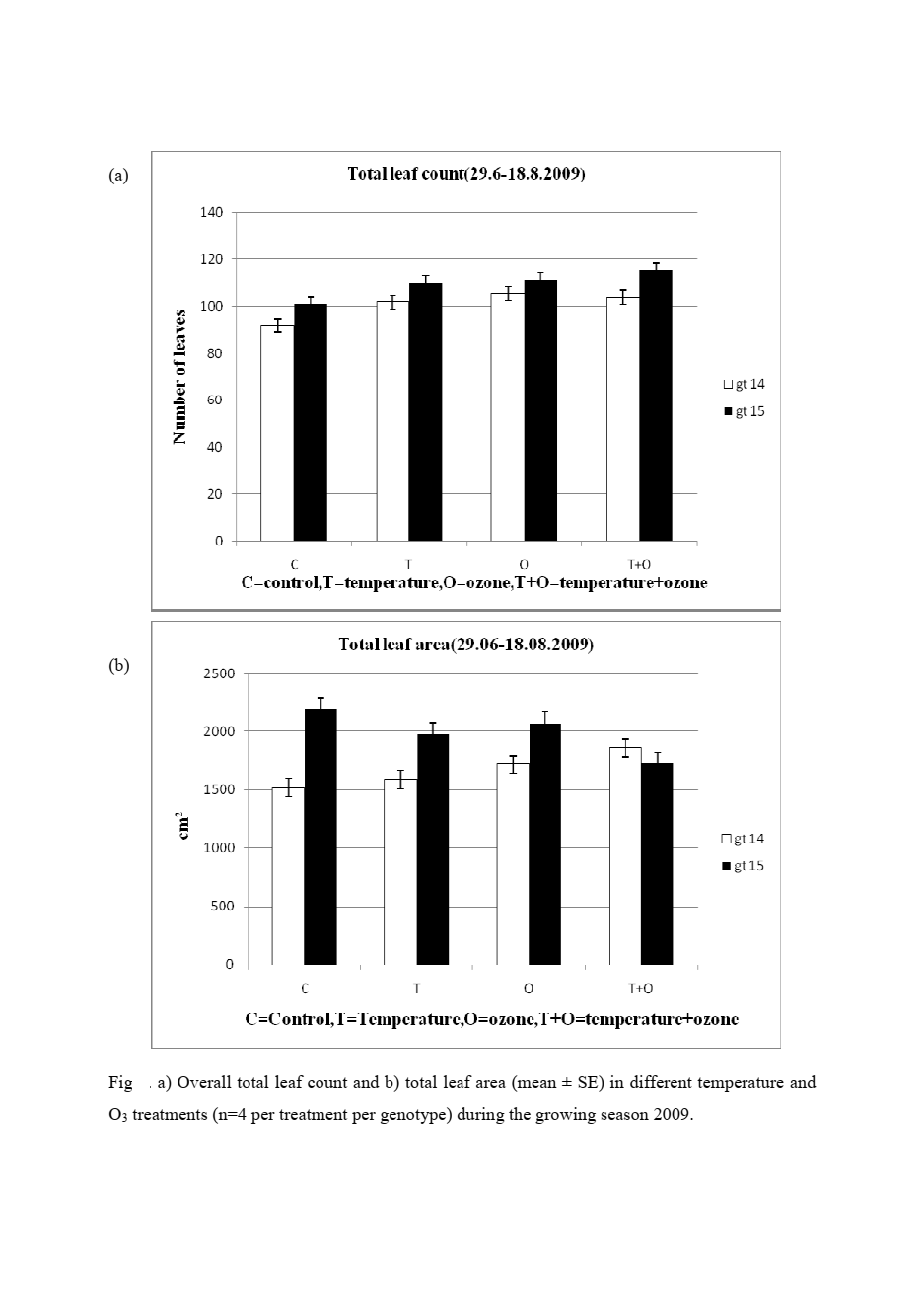
Continuous monitoring of stem diameter and height growth, leaf count and leaf area (SLA), and soil respiration.
This setup gave us a rare opportunity to observe how real trees respond to future climate conditions before those conditions fully occur.
Even a small increase in temperature, less than one degree Celsius, was enough to change growth patterns across the system.
Growth Does Not Increase Uniformly
One of our most consistent findings was that warming increased stem growth, but not equally in all trees.
Some trees showed strong height growth during peak summer, while others improved only slightly.
This matters because biofuel production depends on how much biomass trees produce:
Taller stems mean more biomass
Larger stem diameter means more stored carbon
More leaf area means higher photosynthesis
Even small differences can add up across large plantation areas.
In our field observations, warming increased stem height by a few percent during peak growth. However, the response depended more on differences between individual trees than on the environment alone.
What Leaves Tell Us About Yield
Here’s something that surprised me in the field: leaves.
Leaves don’t seem like the obvious place to look. But once you start measuring what actually changes under warming, they become one of the clearest signals in the whole tree.
Leaves do more than absorb sunlight. What a tree does with its leaves, how many it grows, how it responds to stress, directly determines how much biomass you get at the end.
And here’s where it gets interesting. Not all trees made the same call.
Some increased their leaf count when temperatures rose. Others kept fewer leaves but maintained their efficiency, a kind of quality-over-quantity strategy. And some trees shifted their energy toward stem growth instead, leaving leaf production behind. Same species, same plot, same warming conditions, completely different responses.
That matters because leaf production isn’t just an aesthetic difference. It drives carbon uptake rate, shapes seasonal growth potential, and ultimately determines how much harvestable biomass a tree produces.
In our genotype comparisons, leaf count varied noticeably under warming. But even within the same genotype, individual trees did not all respond the same way.
And that kept pointing to the same conclusion: biomass yield is not just a response to climate. Genetics plays an equal role in determining what a tree actually does under stress.
What’s Happening Below Ground
Above-ground growth gets most of the attention. But while the trees are growing, something else is happening under the soil, and it complicates the picture.
Soil respiration reflects the combined activity of roots, microbial communities, and carbon turnover processes. In our experiment, soil CO₂ efflux increased significantly under warming. That points to higher root activity, faster microbial decomposition, and greater carbon cycling overall.
Which creates a real problem for bioenergy accounting.
If warming speeds up growth above ground but also accelerates carbon loss below ground, the net gain is not as clean as it looks. You are not just getting more biomass, you are also running the carbon cycle faster in both directions.
So the question worth sitting with is this: is warming actually increasing usable biomass, or is it simply accelerating the whole system?
That difference matters a lot when calculating the actual climate benefit of these systems.
When Warming Helps And When It Does Not
Warmer temperatures do help trees grow. Growing seasons get longer, stems grow faster, and trees start pulling in carbon earlier in the year.
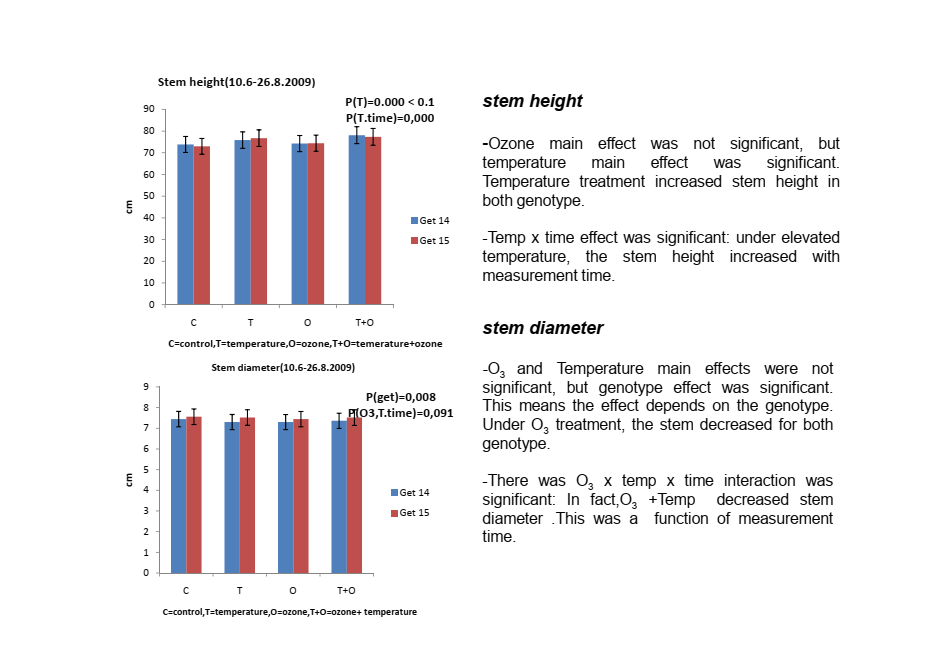
In our experiment, warming pushed height growth up by around 9% during peak summer. That is not nothing.
But that number did not show up everywhere. Some trees responded well. Others barely moved. Water stress, ozone, genetics, timing, all of it changed the outcome.
So when bioenergy models assume warming equals more yield, they are only telling part of the story. The growth is real, but it is not guaranteed. It depends on conditions that vary a lot in the real world.
One More Variable: Ozone
In our experiment, we did not just measure warming. We also introduced elevated ozone levels to see how the trees responded to both stressors at the same time.
Ozone stressed the trees. It pushed energy toward recovery rather than growth. But what stood out was that warming sometimes reduced that damage. Not completely, but it showed up clearly in the data we collected.
That has a direct implication for biofuel systems. If ozone levels rise alongside temperatures, which is likely in many regions, the growth gains from warming may not be as large as projected. The two variables work against each other in ways that are hard to predict without actually measuring them together in the field.
What our experiment suggests is that biofuel yield projections built on temperature alone are missing part of the equation. The real-world conditions trees grow in are more complicated than any single variable can capture.
Why Yield Is Harder to Predict Than It Looks
One of the clearest things our field data showed is that genotype differences can be just as influential as environmental conditions.
In our experiment, some trees maintained stable growth under stress, produced more leaves, and kept soil carbon dynamics relatively steady. Others reacted strongly to temperature shifts, reduced leaf area, and showed inconsistent biomass patterns. Same species, same plot, completely different behaviour.
That matters for biofuel systems because yield projections typically assume predictable output per hectare. But what we observed suggests there are at least three layers of uncertainty that rarely make it into those projections: genetic variation within a species, how sensitive different trees are to climate shifts, and how soil and plant systems feed back into each other.
Small differences in growth rates might not look significant in a single season. But across a 10 to 20 year plantation cycle and large land areas, they add up.
So the real question is not how much a tree grows. It is how consistent that growth is across a biologically diverse stand, and right now, most yield models do not have a good answer for that.
What our experiment points toward is that successful biofuel systems will need to think beyond species selection toward genotype selection, build in climate variability rather than assuming stable conditions, and track what is happening below ground, not just above it.
Conclusion
What the Field Actually Tells Us
So does a small shift in temperature, or a 10% difference in leaf production, decide the success of a biofuel system?
Not on its own. But it contributes to something larger.
What our experiment in Finland kept showing is that small biological differences compound over time. Growth rate, biomass accumulation, carbon cycling, long-term yield, none of these are determined by a single variable. They are shaped by how multiple small responses interact across an entire growing season, and then across years.
A plantation does not underperform because of one bad measurement. It underperforms because the biological variability inside it was never accounted for in the first place.
Nature does not optimise for uniformity. It optimises for diversity. And that diversity showed up consistently in our data, between genotypes, between individual trees, and between what happened above ground and below it.
That is what field experiments reveal that models alone cannot.
FAQs
Can small temperature changes really affect biofuel yield?
Yes. Even modest warming can shift growth timing, stem development, and carbon allocation patterns, especially in high-latitude systems.
Is leaf count a reliable predictor of biomass?
Only partially. Leaf count influences photosynthesis capacity, but stem growth and carbon allocation strategy are equally important.
Do all trees respond the same to climate change?
No. Genotype differences often produce stronger variation than environmental differences in controlled field systems.
Why does soil respiration matter in biofuel systems?
Because it represents carbon loss and root–microbe activity, which affects net ecosystem carbon balance.
Is warming always beneficial for biomass production?
No. It can enhance growth under optimal conditions but may also increase stress, water demand, and carbon loss.
What is the biggest uncertainty in biofuel plantations?
Biological variability, especially genotype-dependent responses to climate and soil interactions.