



What Is Soil Temperature Measurement?
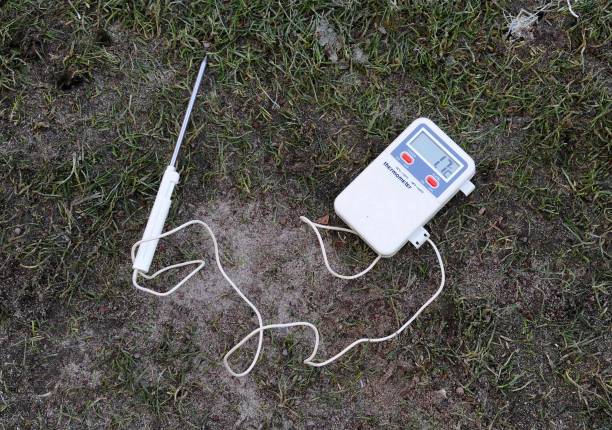
Soil temperature measurement is the process of monitoring heat conditions within the soil profile using field probes or sensors. These tools provide reliable readings that are essential for understanding biological and physical processes belowground.
Unlike air temperature, soil temperature responds more slowly to environmental changes and is influenced by moisture, radiation, and soil structure. Because of this, it is a key variable in ecosystem and carbon cycling studies.
Why Soil Temperature Matters
Soil temperature strongly controls:
Microbial activity
Root respiration
Organic matter decomposition
Soil CO₂ efflux
In general, warmer soils increase biological activity and accelerate carbon release. This is why soil temperature is almost always measured alongside soil respiration in ecological research.
Tools: Soil Temperature Probes
What Are Soil Temperature Probes?
Soil temperature probes are sensors inserted into the soil to measure temperature at a specific depth.
Common types include:
Thermocouples
Thermistors
Digital probes
They are typically connected to:
Portable meters
Data loggers
Integrated monitoring systems
Field Setup: How Probes Are Used in Practice
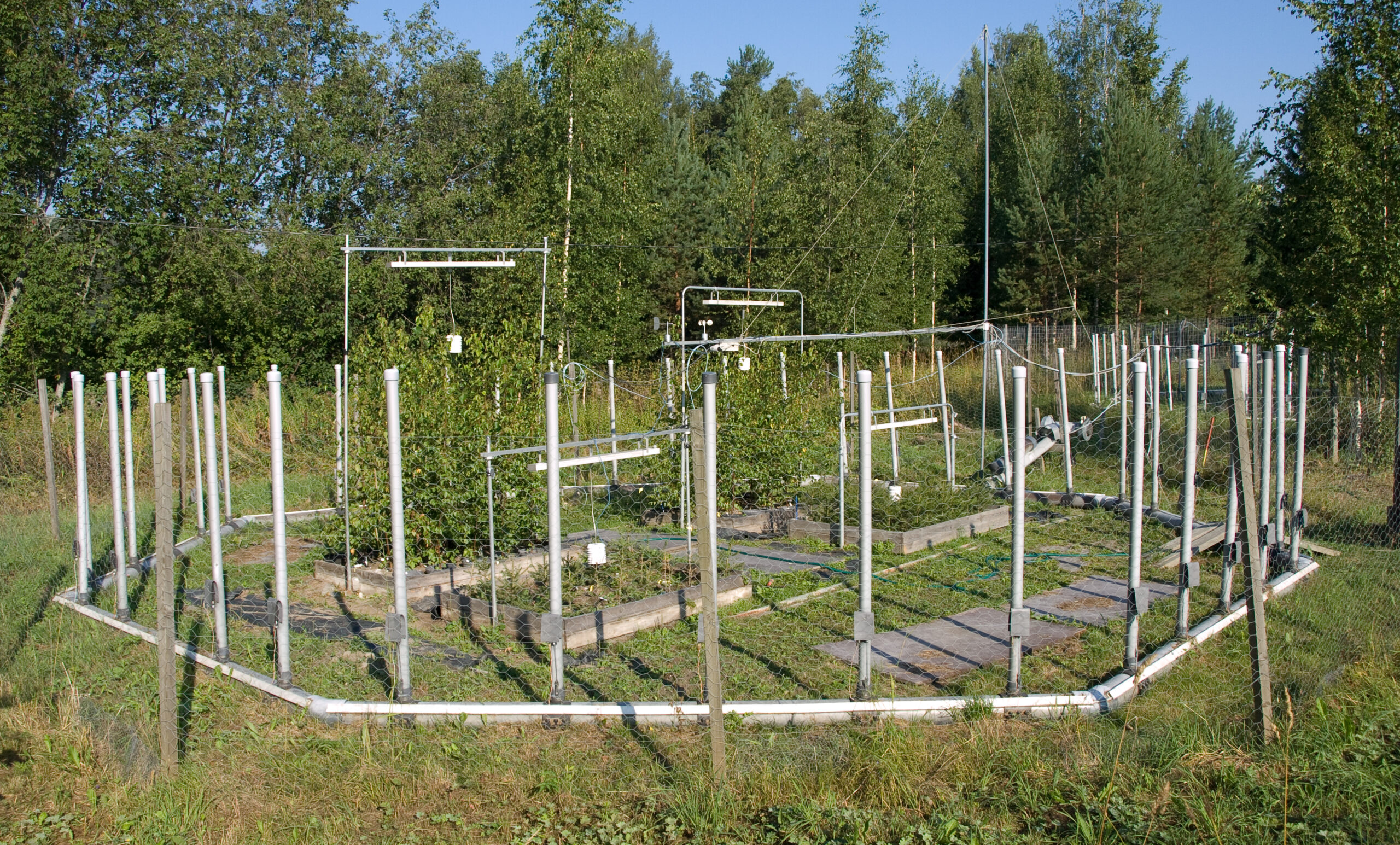
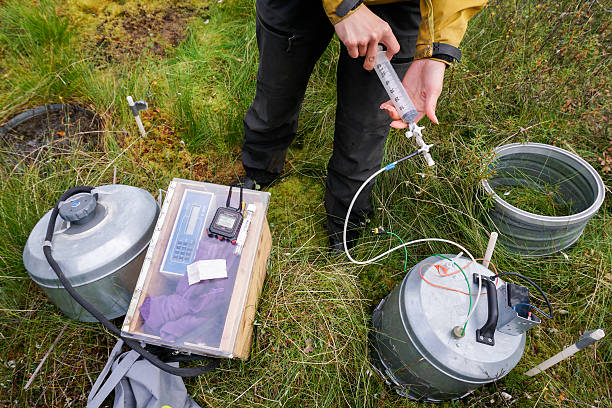
In field experiments, probes are not just used for single readings, they are often installed as part of a continuous monitoring system.
Typical setup includes:
Probes inserted into soil at consistent depths across plots
Sensors connected to cables and data loggers
Continuous data collection over time
This allows researchers to capture temperature fluctuations throughout the day and across treatments, rather than relying on single measurements.
How Soil Temperature Is Measured
Basic Method
Insert probe into soil at a fixed depth
Allow reading to stabilize
Record temperature
Repeat consistently across plots and time
To ensure accuracy:
Use consistent depth
Measure at similar times of day
Avoid disturbing the soil around the probe
Installation Depth
Soil temperature varies significantly with depth, making consistency critical.
Typical depths:
2–5 cm → surface processes (soil respiration zone)
5–10 cm → root activity zone
10 cm → deeper, more stable conditions
For soil respiration studies, shallow depths are most relevant because most CO₂ production occurs near the surface.
Calibration and Accuracy
Accurate measurements depend on proper technique.
Best practices:
Check probe accuracy before use
Ensure good contact with soil
Avoid direct solar heating
Keep placement consistent
Even small inconsistencies can influence results.
Role in Soil Respiration Studies
Soil temperature is a major driver of soil CO₂ flux and is used to:
Explain variation in respiration rates
Compare environmental treatments
Interpret carbon cycling dynamics
Higher temperatures generally increase soil respiration, but the relationship depends on environmental conditions.
Interaction with Soil Moisture
Soil temperature does not act alone in real field conditions. Soil respiration is controlled by the interaction between temperature and soil moisture.
Temperature drives biological activity
Moisture controls microbial processes and gas movement
For example:
Warm but dry soil → reduced microbial activity → lower CO₂ flux
Warm and moist soil → optimal conditions → higher CO₂ flux
Waterlogged soil → limited oxygen → reduced respiration
This interaction is critical for interpreting field data correctly.
My Field Experience
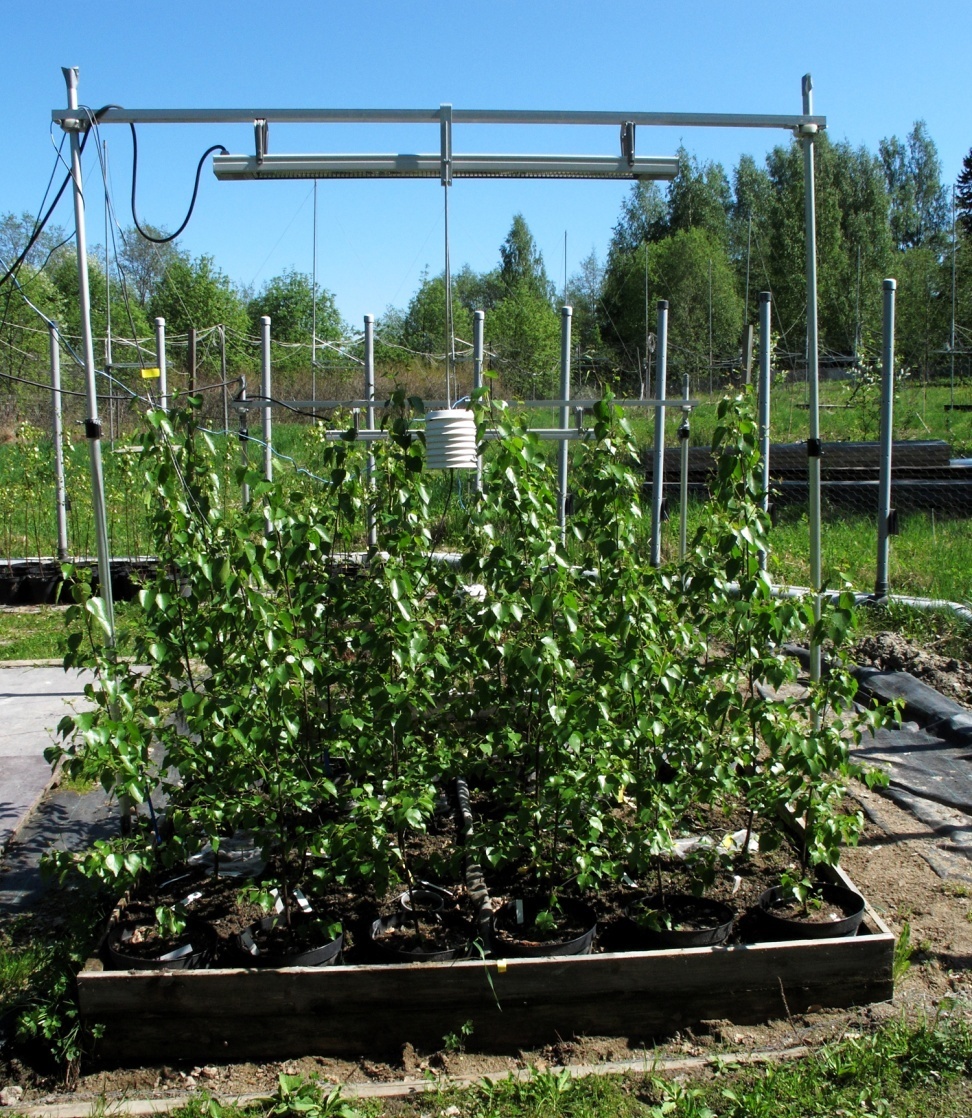
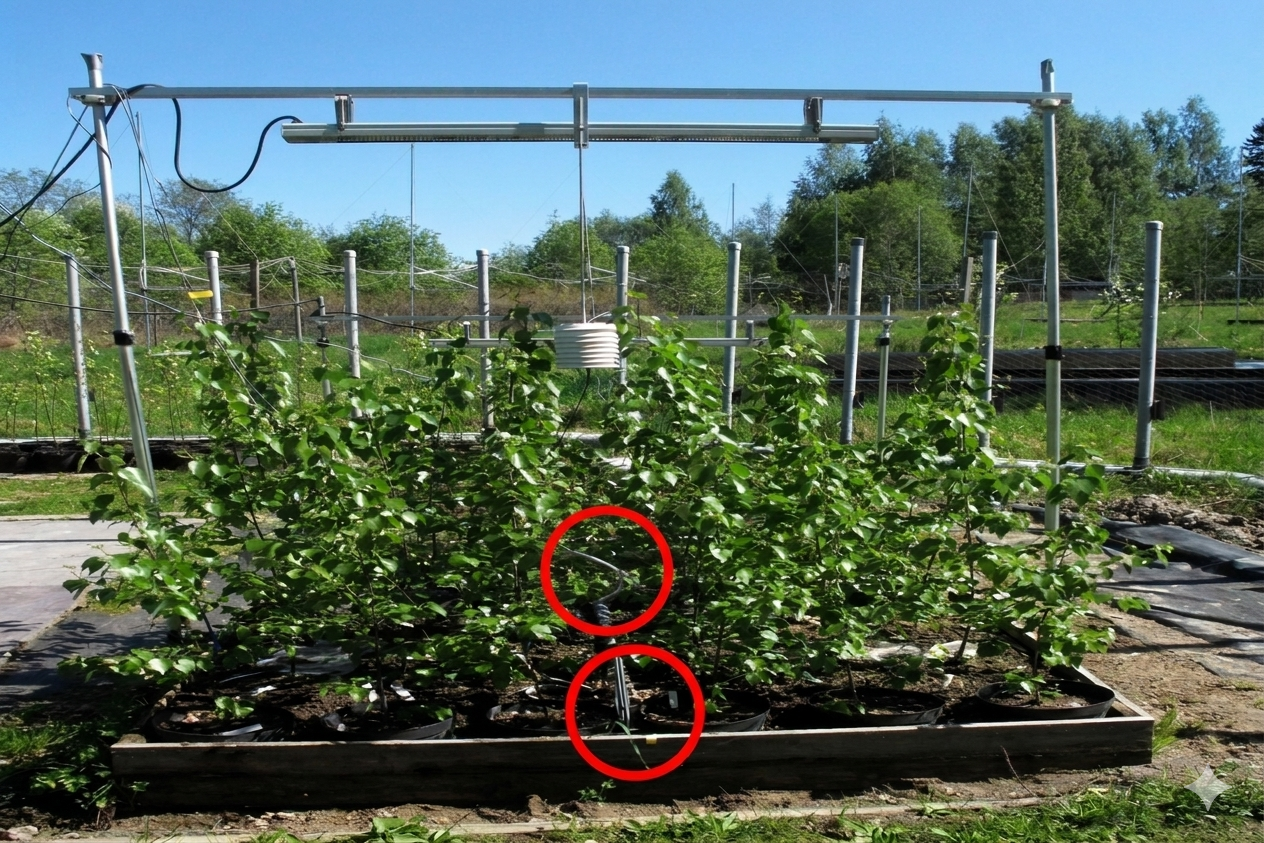
During my research on silver birch (Betula pendula), soil temperature probes were installed in all experimental plots to support a study on warming (+0.9°C) and elevated ozone.
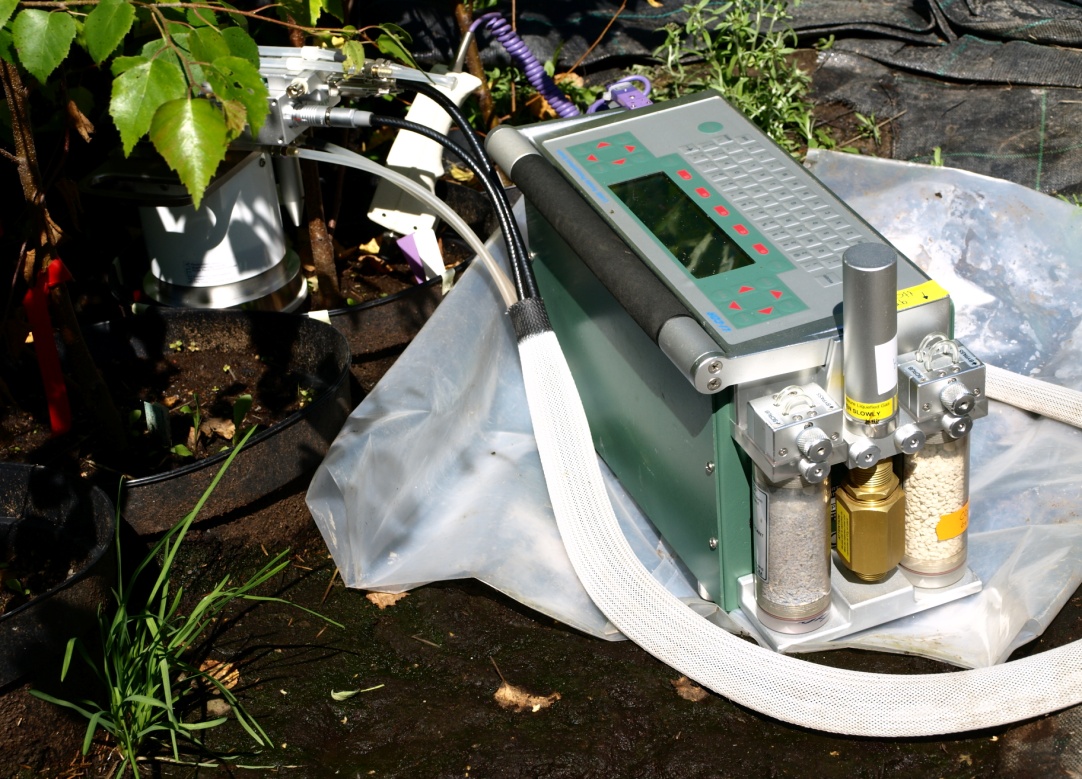
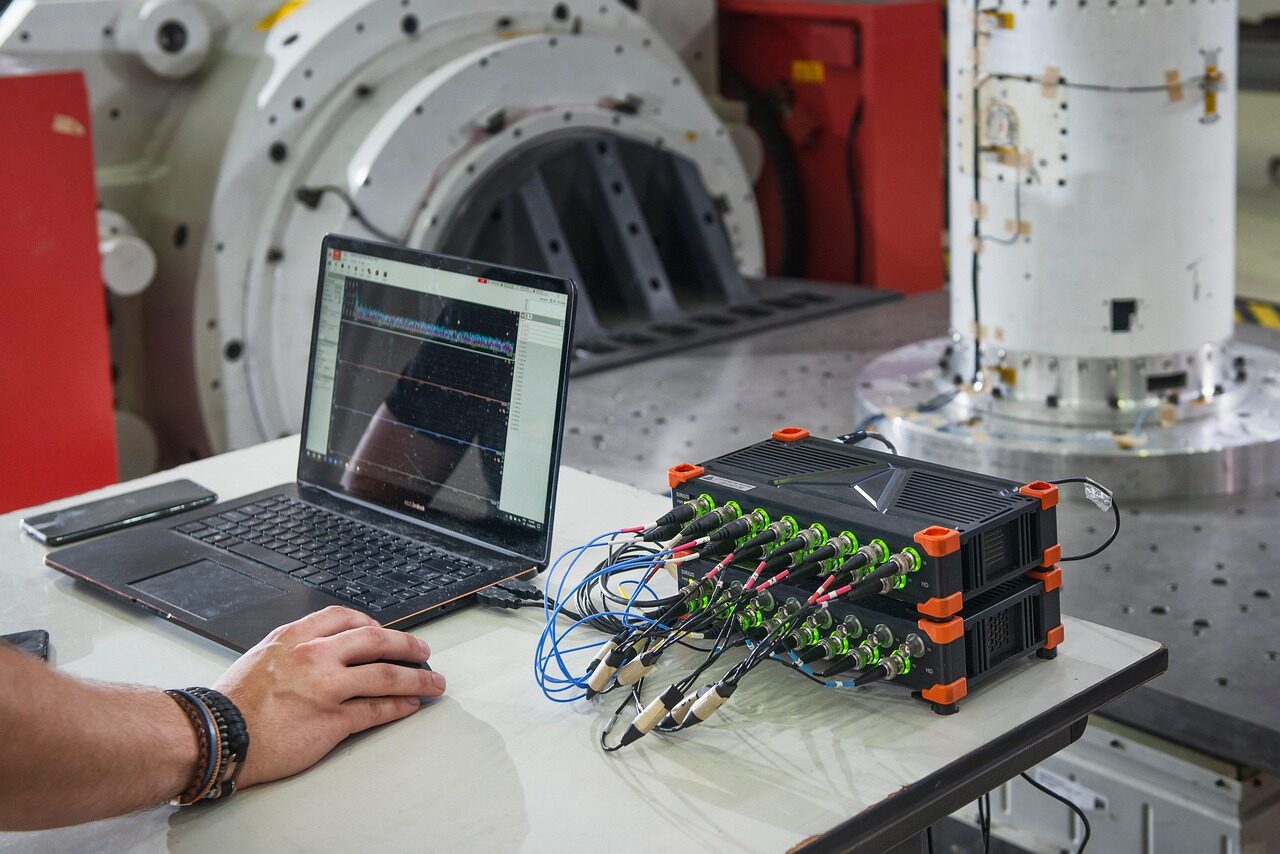
Probes were placed at ~2 cm depth to capture conditions in the active soil respiration layer and connected to a continuous monitoring system. All sensors were linked to a central data system, allowing conditions to be monitored in real time from a field cabin, where fluctuations in soil temperature and moisture could be observed as they occurred.
In practice, probe consistency was critical. Even slight differences in depth or soil contact could have affected comparisons between treatments. Careful installation ensured that temperature differences reflected real environmental variation rather than measurement error.
The data showed that soil temperature was one of the main drivers of soil respiration. Under warming:
CO₂ efflux increased by ~36% in one genotype
And ~24% in another
However, temperature alone did not explain all variation. For example:
Dry conditions sometimes reduced respiration despite higher temperatures
Ozone treatments occasionally modified the response
This reinforced a key lesson from field work: soil temperature data only becomes meaningful when interpreted alongside moisture and other environmental variables.
Based on this experience, I would recommend soil temperature probes not only for research but also for practical use. Gardeners, land managers, and homeowners can benefit from understanding how soil conditions change below the surface.
For example, they can identify the right time for planting based on soil warmth. They can also track drying cycles to improve irrigation decisions. In addition, soil probes can help monitor root-zone conditions during heat or drought stress. They can also detect delayed soil warming in spring, which is not visible from air temperature alone.
Strengths of Soil Temperature Probes
From field use:
Simple and robust
Sensitive to environmental change
Reliable for long-term monitoring
Essential for interpreting soil respiration and carbon flux
Limitations
Sensitive to placement and depth errors
Spatial variability across plots
Require consistent methodology
Measure a driver, not the biological process itself
Summary
Soil temperature probes are among the most fundamental tools in soil and carbon research. While technically simple, their value lies in enabling accurate interpretation of belowground processes.
In field experiments, their effectiveness depends on consistency, proper installation, and integration with other measurements such as soil moisture and CO₂ flux. When used correctly, they provide critical insight into how environmental changes influence soil carbon dynamics.
FAQs
What is soil temperature and how is it measured?
Soil temperature is the heat level within soil, measured using probes inserted at a specific depth.
How is soil temperature measured in field experiments?
Using probes installed in the soil and connected to data loggers or monitoring systems for continuous recording.
At what depth should soil temperature be measured?
For soil respiration studies, typically 2–5 cm depth. For planting, often 5–10 cm.
How deep do you measure soil temperature for planting?
At the seed zone, usually around 5–10 cm.
When should soil temperature be measured?
At consistent times of day, or continuously using automated systems.
Is soil temperature the same as air temperature?
No. Soil temperature changes more slowly and depends on soil conditions and moisture.
Can I measure soil temperature with a simple thermometer?
Yes, for basic use. Scientific research uses calibrated probes for higher accuracy.
What is a soil temperature sensor?
A device such as a thermistor or thermocouple used to measure temperature within soil.
Why is soil temperature important for plant growth?
It affects germination, root development, and nutrient availability.
Why is soil temperature important in soil respiration studies?
Because it directly influences microbial and root activity, which control CO₂ release.