




How do you actually measure the air conditions that control plant growth and soil activity in a real ecosystem?
For a long time, air temperature and humidity sensors sounded like simple tools to me. I used to hear about them in lectures and papers as basic environmental measurements. They were always mentioned, but rarely explained in a practical way.
That changed when I started using them in real field research.
Working with these sensors in outdoor conditions showed that they are not just background tools. They shape how data is interpreted. They influence conclusions. And if used incorrectly, they can quietly introduce errors into an entire dataset.
In this article, I will explain what air temperature and humidity sensors actually do, how they are used in environmental monitoring, and what I learned from using them in field conditions.
What These Sensors Really Measure
Air temperature and humidity sensors measure two closely linked environmental variables.
Air temperature reflects how warm or cool the surrounding air is. Relative humidity describes how much moisture is present in that air compared to what it can hold at a given temperature.
At first, this sounds straightforward. But in real ecosystems, these variables control many biological processes at the same time.
Temperature affects plant metabolism, growth rates, and enzyme activity. Humidity influences how plants lose water through transpiration and how soil retains moisture. Together, they shape how ecosystems function on a daily basis.
This is why these sensors are always included in environmental monitoring systems. They provide the background conditions needed to understand everything else.
From Theory to Field Reality
Before working in the field, I thought measuring temperature and humidity was simple. You place a sensor, collect data, and use it in analysis.
Field conditions quickly proved otherwise.
Air temperature and humidity are not stable. They change constantly throughout the day. They respond to sunlight, wind, cloud cover, and vegetation structure. Even within the same plot, conditions can vary depending on small differences in shade or airflow.
This means a single reading is not enough. Continuous measurement becomes necessary.
It also means that where and how a sensor is placed directly affects what it records.
Sensor Types and Why They Matter
In environmental monitoring, different sensor types are used depending on accuracy and stability requirements.
Temperature is often measured using thermistors or resistance-based sensors that respond quickly to changes in air conditions. Humidity is commonly measured using capacitive sensors, which detect changes in moisture by measuring electrical properties.
In practice, these sensors are often combined into a single unit that records both variables together. This ensures that temperature and humidity data are synchronized over time.
What matters most is not just the sensor type, but how stable it is over long periods and how well it performs under outdoor conditions.
Placement: An Important Factor.
One of the most important lessons from field use is that sensor placement has a major impact on data quality.
In theory, a sensor should measure the surrounding air. In practice, it can easily measure something else.
If placed in direct sunlight, the sensor can heat up and record temperatures higher than the actual air temperature. If placed too close to vegetation for example, it may capture localized humidity that does not represent the wider area. If airflow is restricted, humidity readings can become inaccurate.
To avoid this, sensors must be placed carefully.
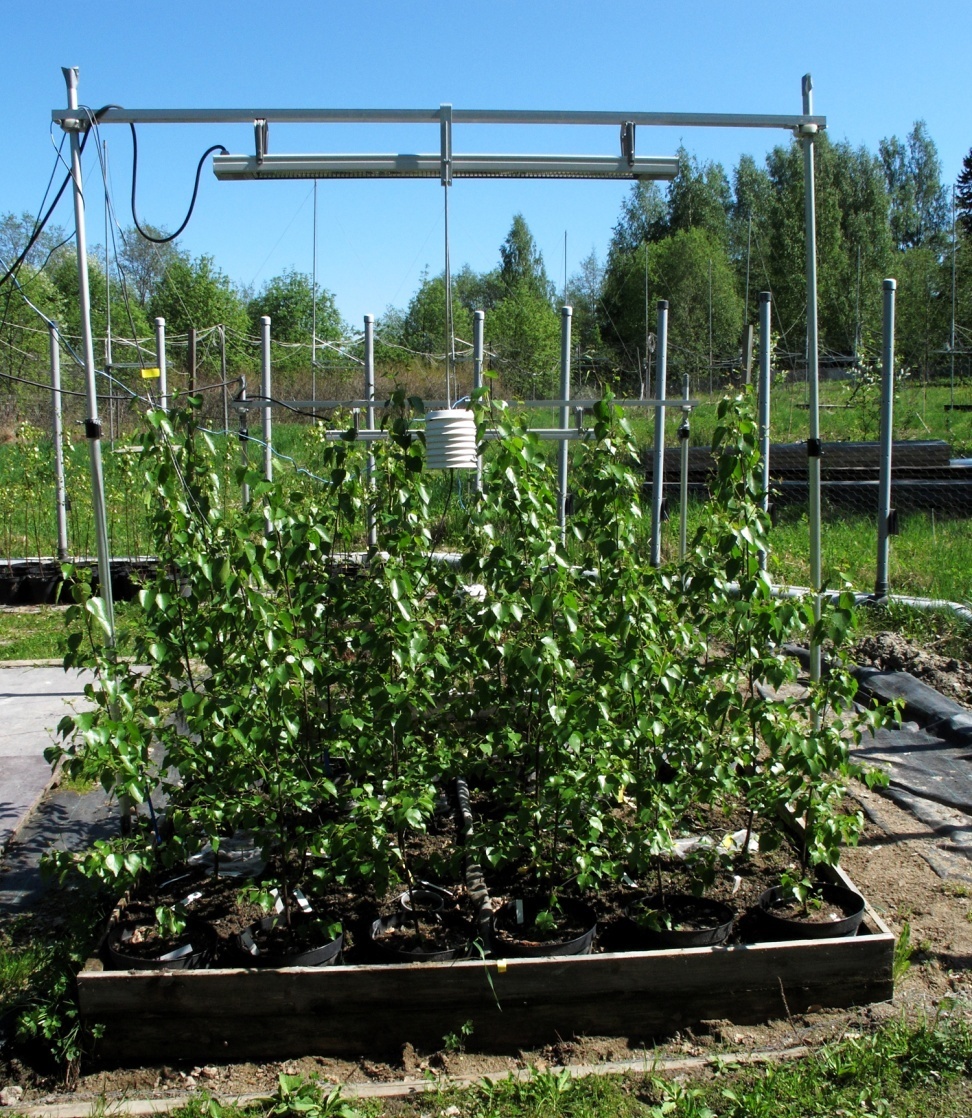
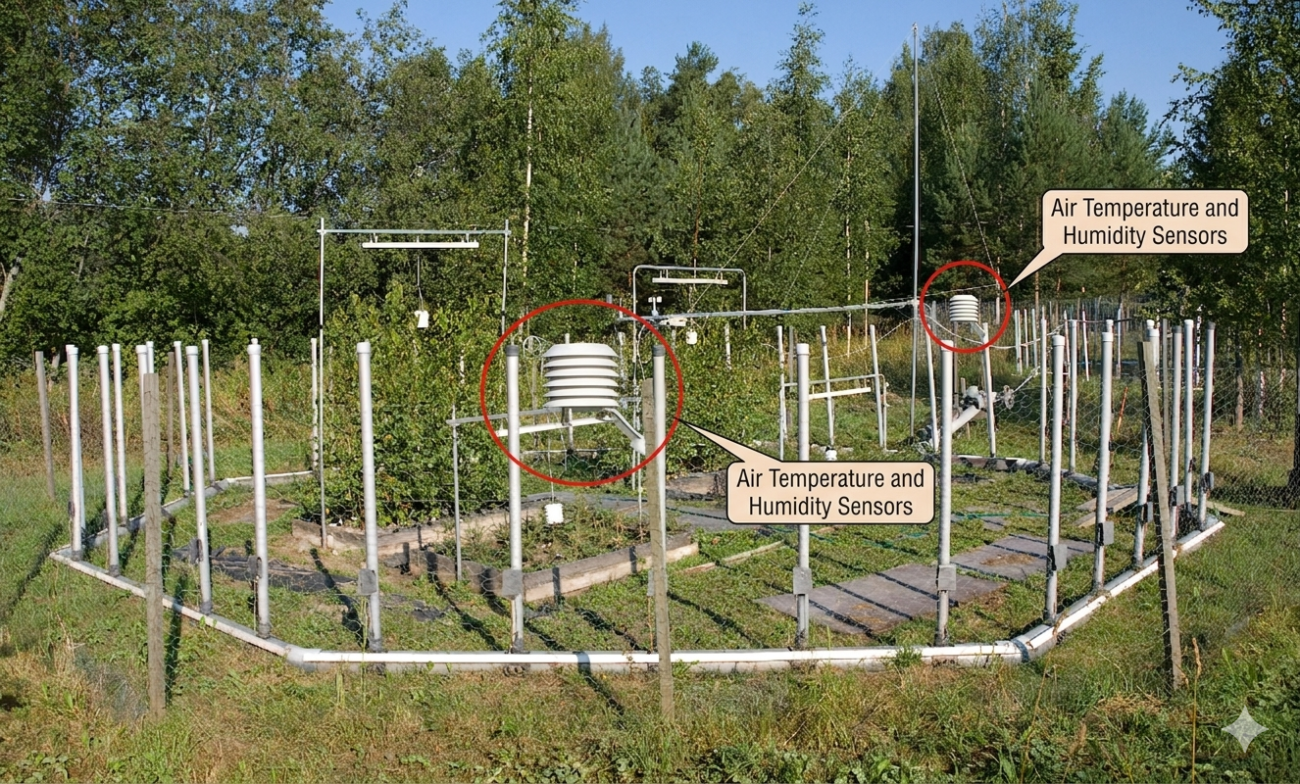
They are usually positioned at canopy height or slightly above, where they represent the conditions experienced by plants. Radiation shields are used to block direct sunlight while allowing air to flow freely around the sensor.
This combination helps ensure that the measurements reflect actual environmental conditions rather than local distortions.
Avoiding Bias in Measurements
Measurement bias is one of the biggest risks when using environmental sensors.
Bias can come from several sources. Direct sunlight can raise temperature readings. Poor airflow can trap moisture around the sensor. Over time, sensors can drift and lose calibration accuracy.
In field conditions, these effects are not always obvious. Data may look consistent, but still be slightly off.
The only way to reduce bias is through careful setup and regular maintenance.
Sensors need to be checked, cleaned, and calibrated when necessary. Their placement needs to be reviewed to ensure they are not affected by changing vegetation or equipment nearby.
Accurate data depends on attention to these details.
How Temperature and Humidity Work Together
Temperature and humidity are not independent variables. They are closely connected.
As air temperature increases, its ability to hold moisture also increases. If the amount of moisture in the air stays the same, relative humidity decreases. If moisture increases as well, humidity may remain stable or even rise.
This relationship affects how plants and soil respond to environmental conditions.
For example, warm air with low humidity can increase water loss from leaves. Cooler air with high humidity can reduce transpiration. These interactions influence plant growth, stress levels, and overall ecosystem behavior.
Understanding this relationship is essential when interpreting sensor data.
How I Used These Sensors in Field Research
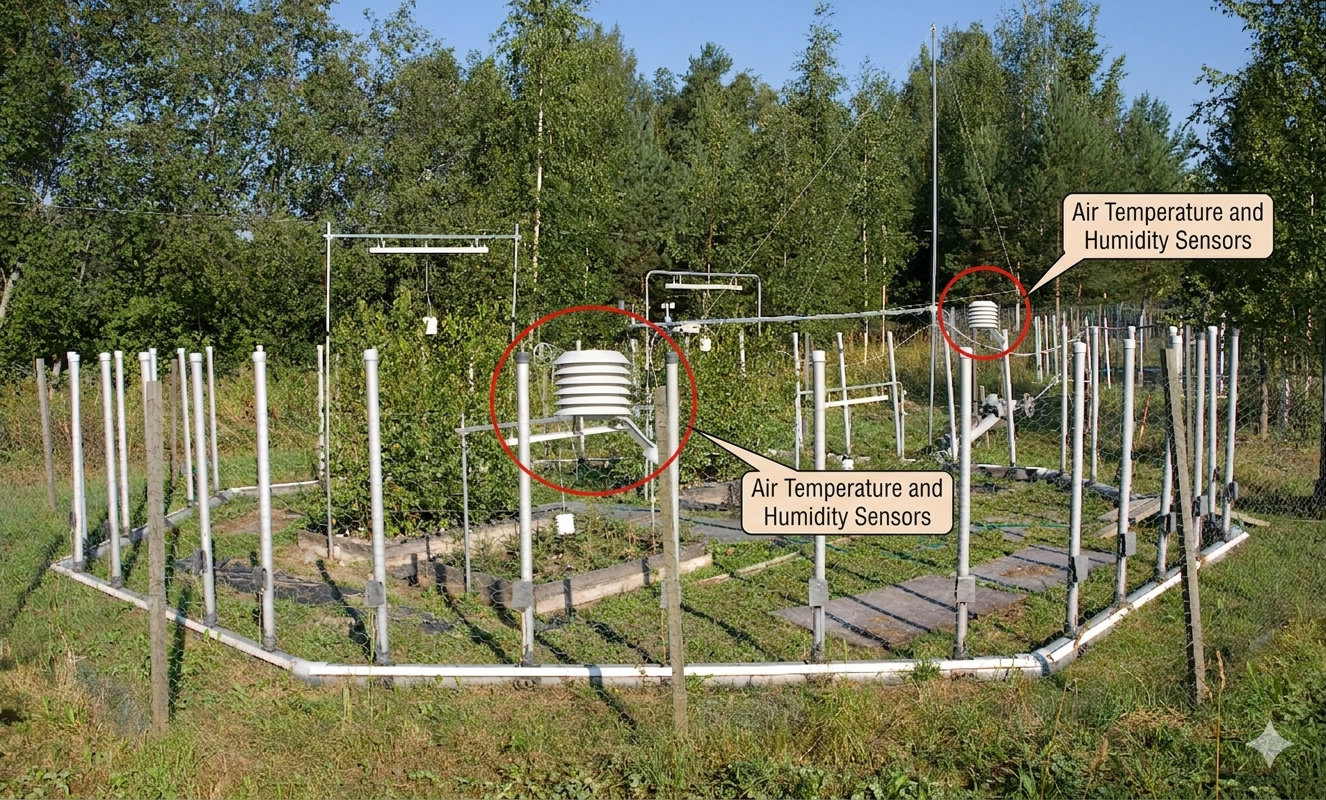
My understanding of these sensors changed when I started using them in field research on silver birch growth and soil processes.
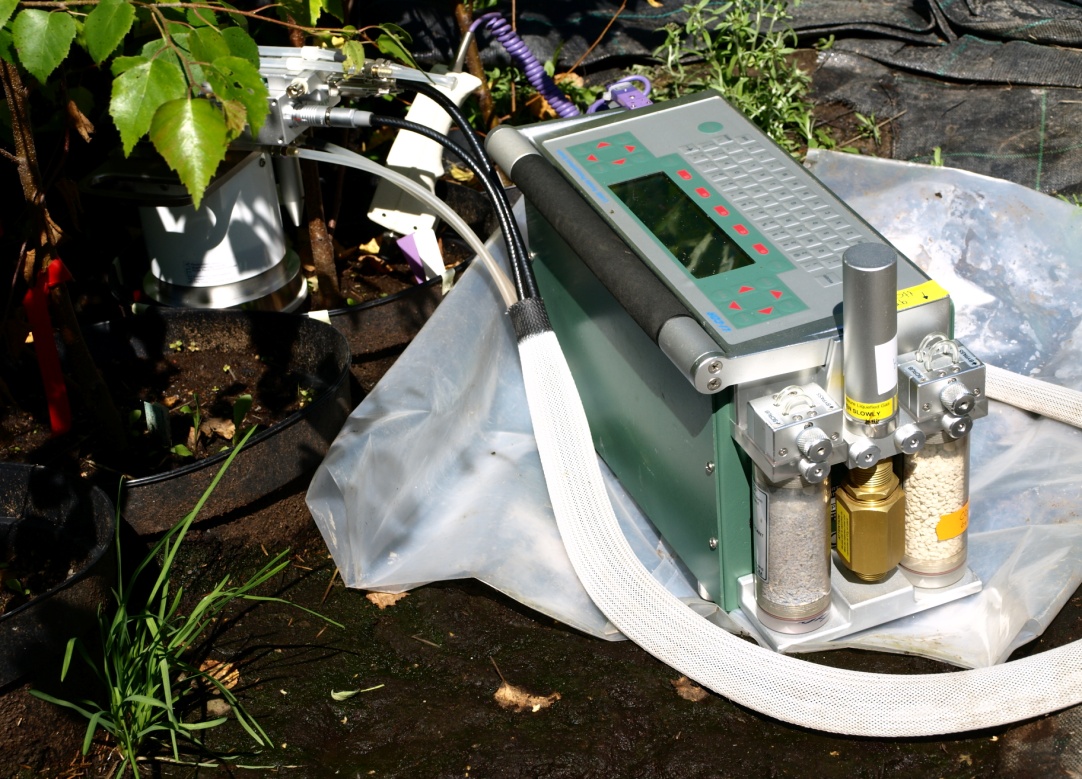
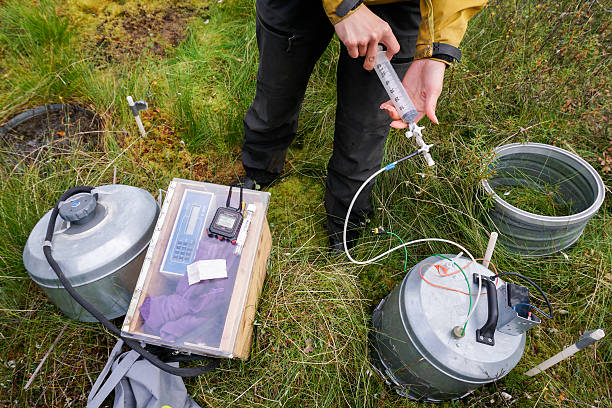
They were part of a larger measurement system that included plant growth data and soil respiration measurements. Their role was to provide continuous environmental context for everything happening in the system.
I used them to track how temperature and humidity changed over time and how those changes related to plant and soil responses.
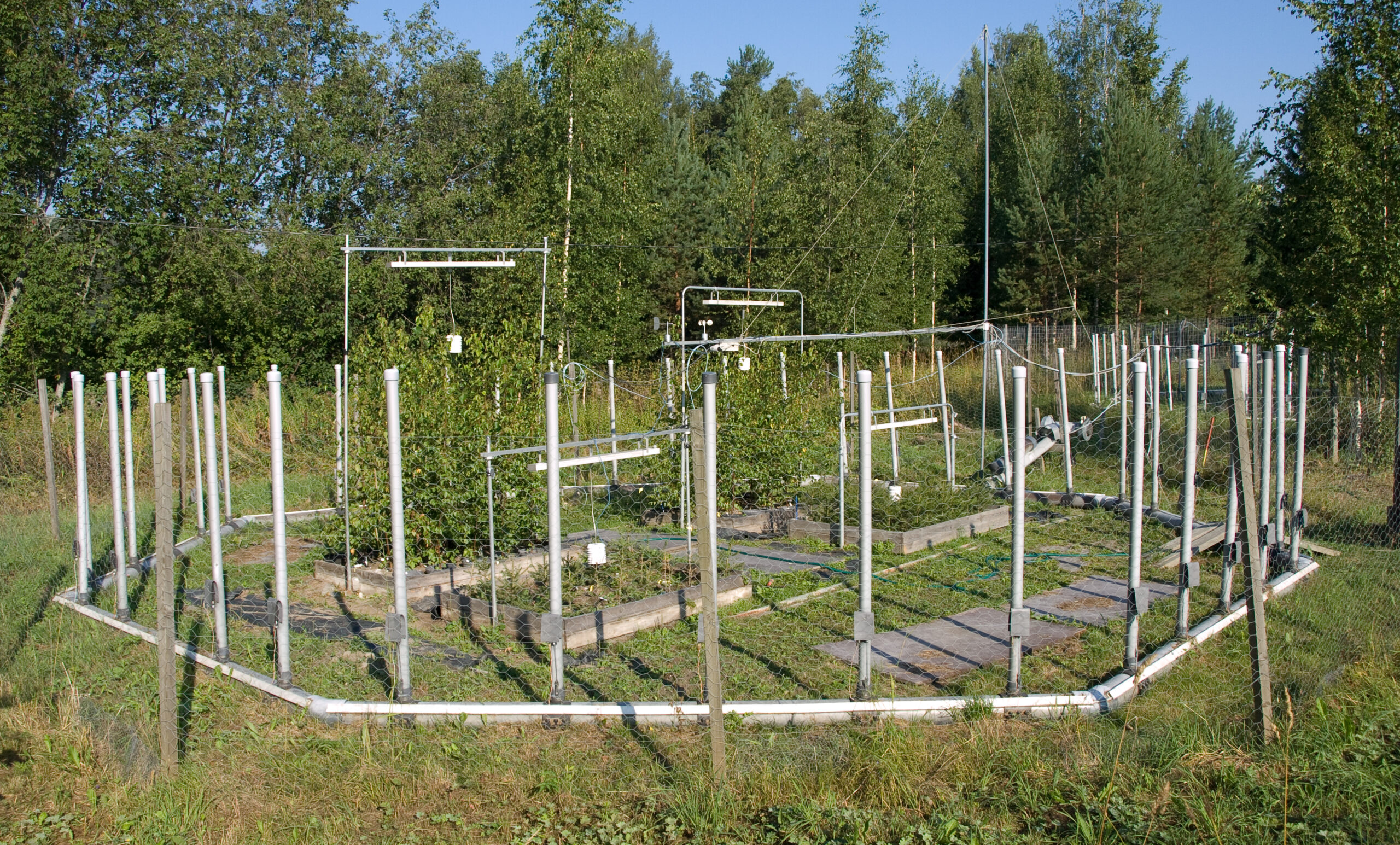
The sensors were installed across field plots and connected to data loggers that recorded measurements continuously throughout the growing season.
They were placed at canopy level and protected with radiation shields to prevent direct sunlight from affecting the readings. Care was taken to ensure good airflow and avoid interference from nearby structures or dense vegetation.
What Field Use Made Clear
Working with these sensors in real conditions showed that environmental data is never static.
Temperature and humidity changed throughout the day, often in predictable cycles, but also in response to sudden weather changes. Wind, cloud cover, and sunlight all influenced the readings.
It also became clear that small differences in placement could lead to noticeable differences in data.
Two sensors placed a short distance apart could record slightly different conditions if one was more exposed to sunlight or had less airflow.
This reinforced the idea that accurate measurement is not just about the sensor itself, but about how it is used.
Other Applications
Although widely used in environmental research, these sensors are also important in other fields.
They are used in agriculture to monitor crop conditions, in greenhouses to control climate, in buildings for ventilation systems, and in storage environments where temperature and humidity must be controlled.
In all these cases, the same principles apply. Accurate measurement depends on correct placement, proper shielding, and consistent monitoring.
FAQs
What is an air temperature and humidity sensor?
It is a device that measures air temperature and relative humidity at the same time, providing data about environmental conditions.
How do humidity sensors work?
Most humidity sensors detect changes in electrical properties caused by moisture in the air and convert those changes into humidity readings.
How accurate are humidity sensors?
High-quality sensors are usually accurate within a small range, but accuracy depends on calibration, placement, and maintenance.
Where should a temperature and humidity sensor be placed?
It should be placed in a shaded, well-ventilated location, away from direct sunlight and heat sources, to ensure accurate readings.
What is the relationship between air temperature and humidity?
Warmer air can hold more moisture. If moisture levels do not change, relative humidity decreases as temperature increases.
Can these sensors be used outdoors?
Yes, but they need protection from direct sunlight and weather conditions, usually with radiation shields.
What is the best temperature and humidity sensor?
The best option depends on the application, but for environmental monitoring, stable sensors with good calibration and data logging capability are preferred.