



How do we measure what is happening in a forest, field, or ecosystem when we are not there to observe it?
Environmental science is built on this challenge.
Natural systems are constantly changing, hour by hour, season by season, but traditional field measurements can only capture small moments in time.
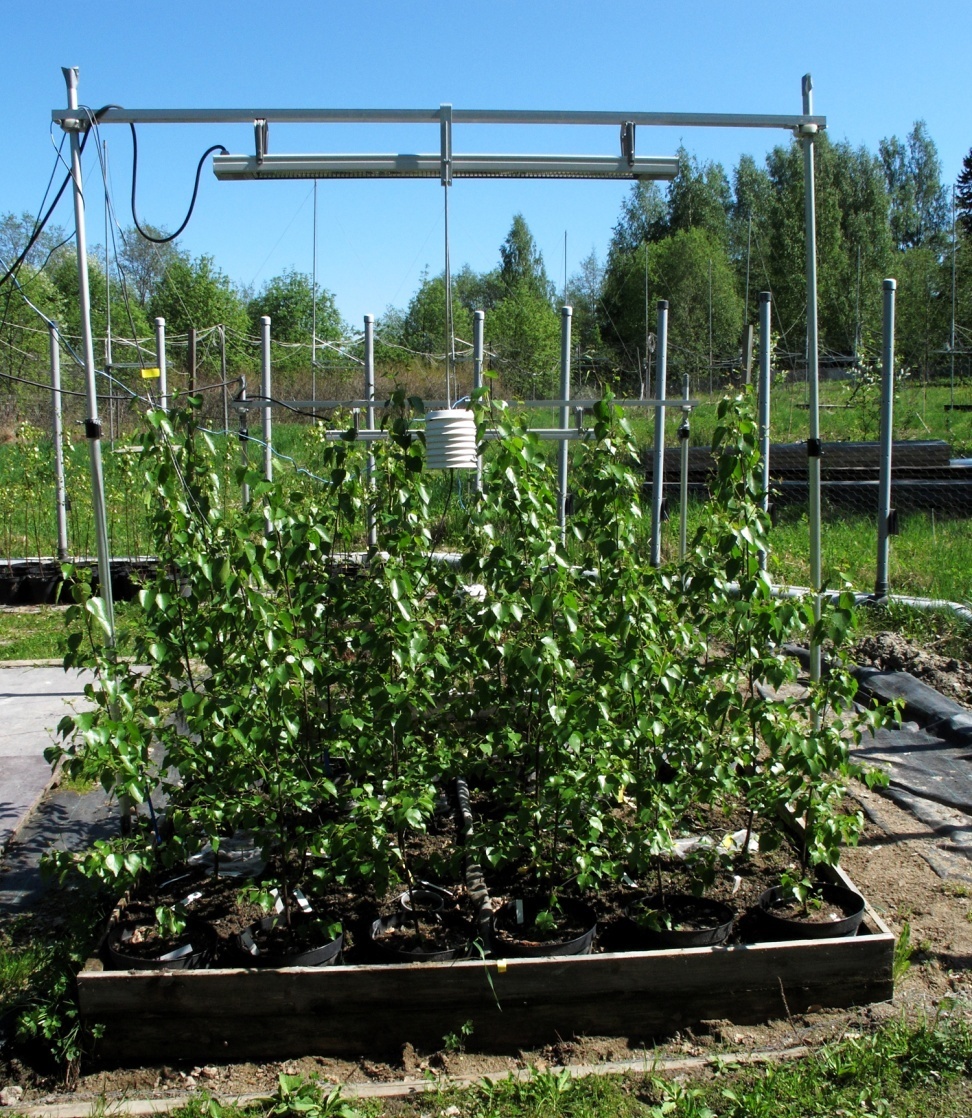
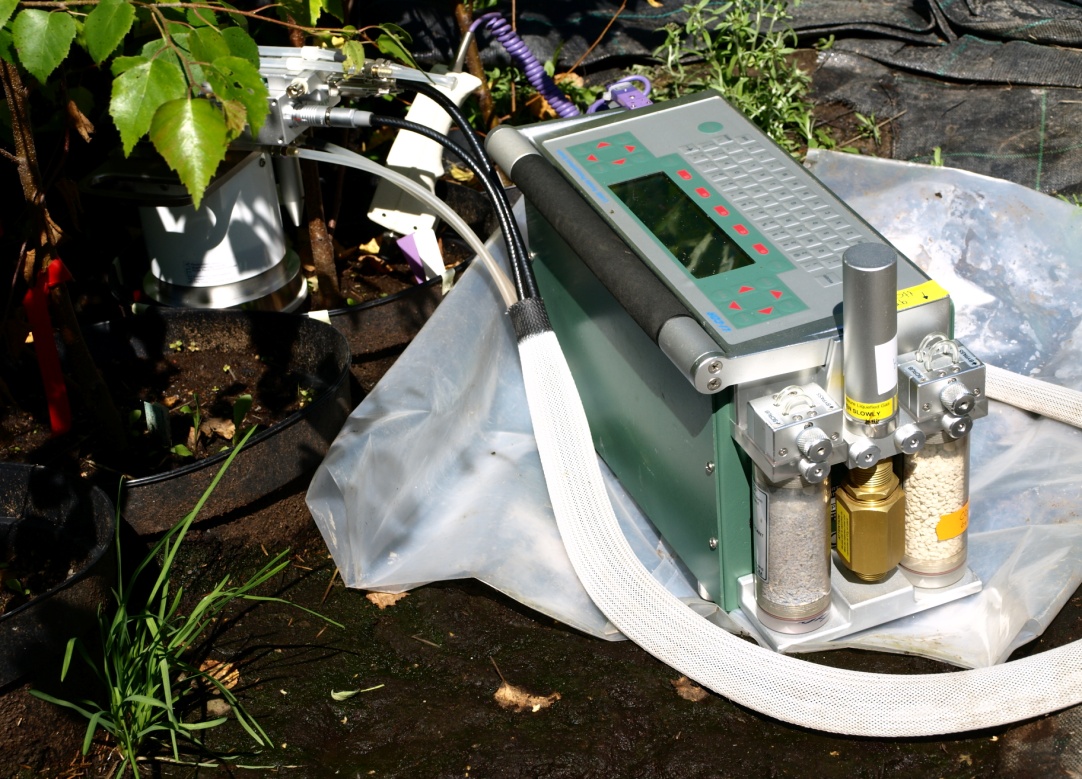
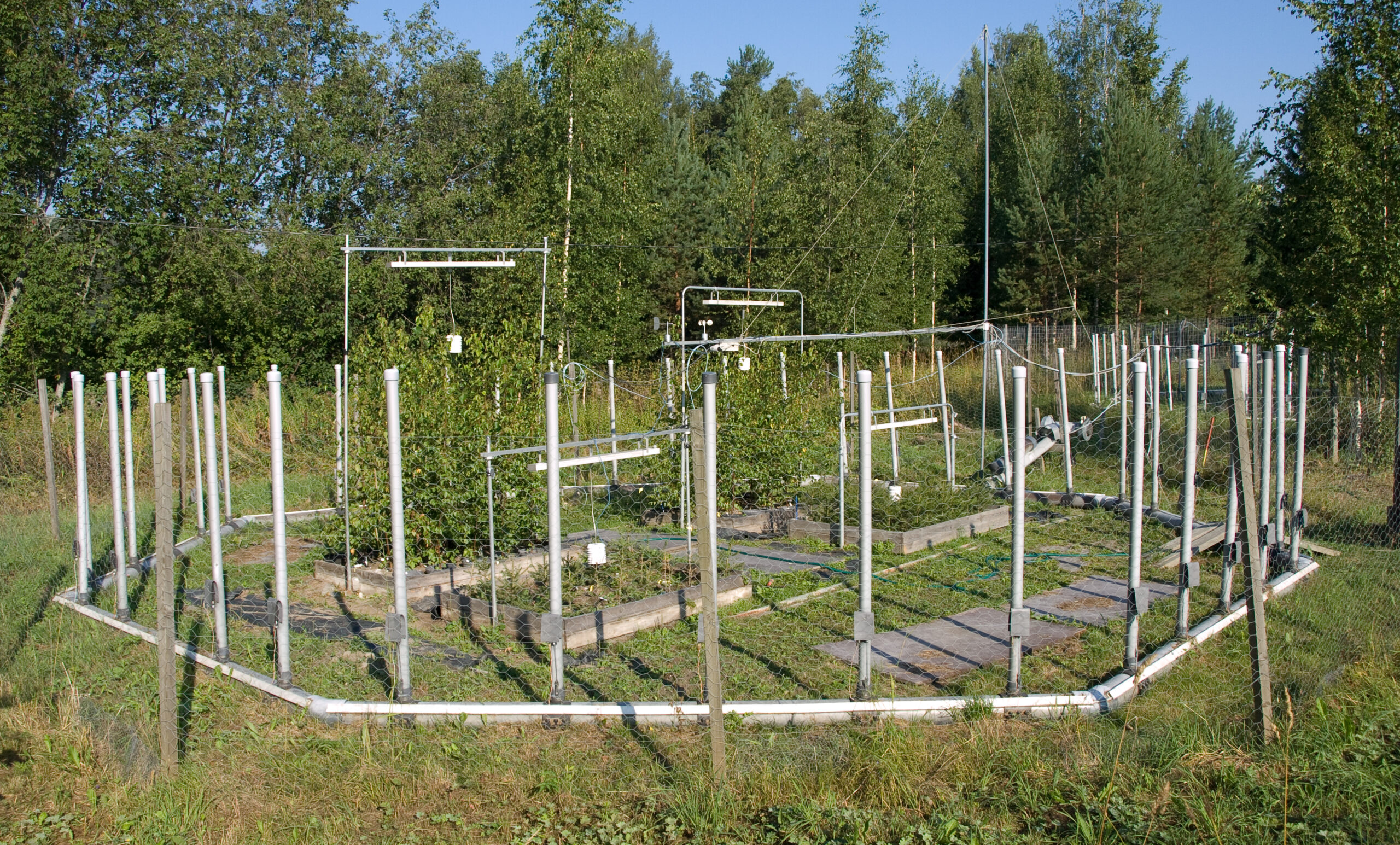
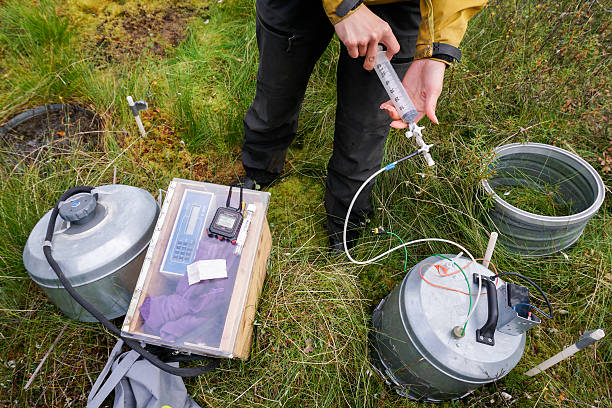
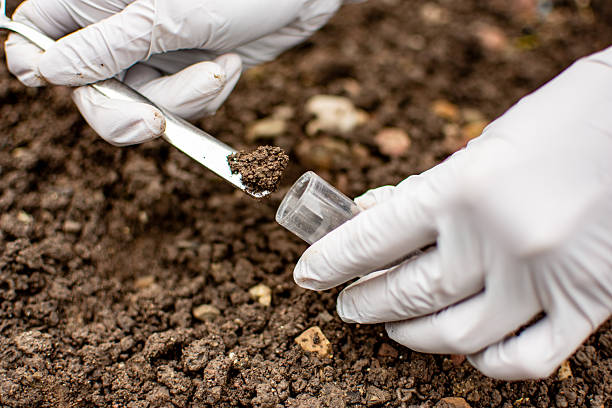
During my research, I used instruments such as gas analyzers and soil flux chambers to measure carbon dioxide (CO₂) exchange from soil in field conditions. Each measurement required placing a chamber on the ground, recording the values, and then moving to the next location.
It was careful and precise work, but it also had a clear limitation: I could only measure one point at a time, and only while I was physically in the field.
Everything between measurements remained unseen.
This is where modern technology changes everything.
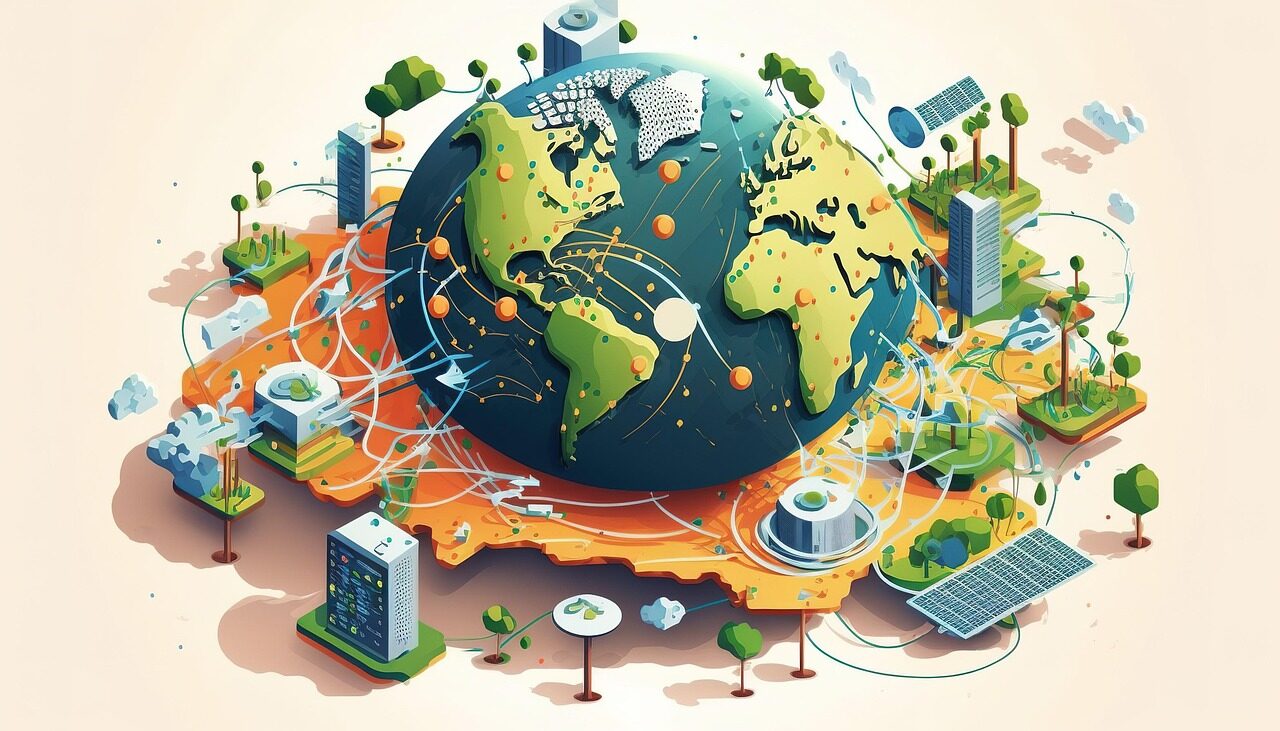
The Internet of Things (IoT) in environmental monitoring allows sensors to continuously collect and transmit data from multiple locations in real time. Instead of isolated measurements, we can now observe ecosystems as dynamic, connected systems, even when we are not present in the field.
The Forest Is No Longer Silent
Today, things are very different.
Forests, soil, rivers, and air are now connected in a new way.
They do not speak in words, but they are always sending information.
This is possible because of the Internet of Things (IoT).
With IoT, we can place sensors in nature that collect data every second, every day, and send it to scientists through the internet.
Even when no one is in the forest, the data keeps coming.
Temperature. Moisture. Carbon dioxide. Wind. Pollution.
It can feel like the ecosystem is “alive” in a digital way.
Not alive in a biological sense, but alive because of constant data.
What Exactly is IoT?
IoT stands for Internet of Things.
Simply, it means:
Physical objects that can measure the environment and send data through the internet.
These objects are small devices with sensors inside them.
They are placed in real-world environments such as:
– Forests
– Fields
– Rivers
– Lakes
– Cities
In environmental science, these devices measure natural processes and send continuous updates to researchers.
Instead of visiting a site once in a while, we can now observe nature continuously.
What Do We Measure with IoT?
In environmental monitoring, IoT sensors act like the “vital signs” of the Earth.
Air Quality
Sensors measure gases such as:
– Carbon dioxide (CO₂)
– Ozone (O₃)
– Nitrogen oxides (NOₓ)
– Fine dust particles (PM2.5 and PM10)
These help us understand air pollution and climate change.
Soil Health
Soil sensors measure:
– Moisture levels
– Soil respiration (CO₂ released from soil)
This tells us how active the soil is and how carbon moves between soil and atmosphere.
Water Quality
Sensors placed in rivers and lakes measure:
– Oxygen levels
– Acidity (pH)
– Nutrients and pollution
This helps track ecosystem health and water safety.
Weather Conditions
IoT systems also monitor:
– Temperature
– Rainfall
– Solar radiation
Together, this builds a full environmental picture.
How IoT Works in Environmental Monitoring
An IoT system has four main parts.
1. The Sensor
This is the device placed in the environment.
It directly measures physical conditions like gas levels, temperature, or moisture.
Without sensors, there is no data.
2. Connectivity
After collecting data, the sensor must send it somewhere.
But forests and remote areas often have no Wi-Fi or mobile signal.
So we use special communication systems like LoRaWAN, which can send small signals over long distances using very little energy.
This allows sensors to work in remote forests for months or even years.
3. Data Storage
Once the data reaches the internet, it is stored in cloud systems or databases.
This allows scientists to:
– Look at past trends
– Compare seasons
– Study long-term changes
– Detect unusual events
Instead of a few data points, we now get millions of continuous measurements.
4. Interface
This is what people see.
It can be:
– A website dashboard
– A mobile app
– A visualization tool
It converts complex numbers into graphs and charts that are easy to understand.
Why IoT in Nature Is Not Easy
In theory, IoT sounds simple and very efficient.
But in real ecosystems, it becomes much more difficult.
Forests are not controlled environments. They are constantly changing and often harsh for instruments. Conditions can be wet, cold, dusty, and full of insects, and they can change from hour to hour.
Because of this, sensors often face many challenges.
They may get dirty, freeze during winter, lose calibration over time, or sometimes give incorrect readings.
This means the data is not always perfect.
That is why environmental IoT systems always need careful scientific checking and validation.
Why Data Analysis is Important in IoT-Based Environmental Science
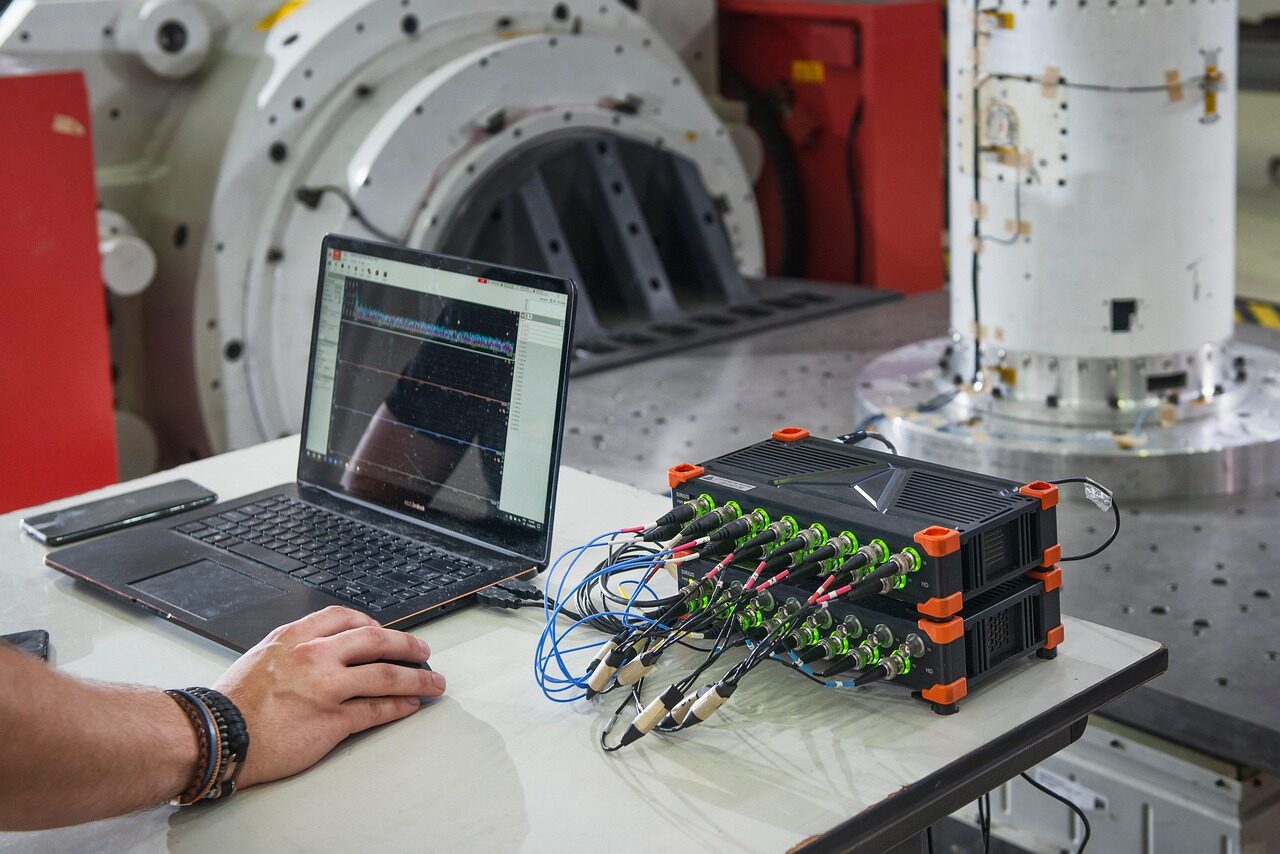
IoT systems generate very large and continuous streams of data, and this information only becomes useful when it is properly analyzed.
Data analysis helps scientists identify patterns in ecosystem behaviour. For example, it can show how soil respiration changes with temperature, how trees respond during drought periods, or how different environmental factors interact over time.
It is also important for detecting problems in the data. Sudden spikes, missing values, or unusual readings can indicate sensor errors, equipment failures, or unexpected environmental disturbances that need further checking.
In addition, data analysis supports informed predictions. These may include future trends in carbon cycles, forest growth, or ecosystem responses to climate change. However, these predictions are always estimates based on available data rather than exact outcomes.
Before IoT systems were widely used, environmental monitoring relied on occasional field measurements, which meant data was limited and collected slowly during site visits. Today, continuous monitoring provides real-time information and a much broader understanding of ecosystem behaviour.
As a result, scientists can now observe environmental changes hour by hour instead of only at isolated moments, which represents a major shift in environmental science.
Summary
IoT is changing how we observe nature.
But technology alone is not enough.
Sensors can measure the forest, but only humans can understand what those measurements mean.
In the end, environmental science is not just about data.
It is about understanding life on Earth in a deeper and more connected way.
FAQs
What is IoT in environmental monitoring?
IoT in environmental monitoring refers to the use of internet-connected sensors that continuously measure conditions such as air, soil, and water in real time.
How is IoT used in forests?
In forests, IoT systems collect ongoing data on temperature, soil moisture, carbon dioxide levels, and plant activity. This helps scientists observe how ecosystems change over time without needing to be physically present all the time.
Why is IoT important for climate change?
IoT is important because it allows researchers to track carbon cycles, monitor pollution, and study how ecosystems respond to climate change using continuous, real-time information.
What are the challenges of IoT in nature?
Using IoT in natural environments is difficult because sensors must survive harsh weather, may drift or lose accuracy over time, often rely on limited power sources, and can face communication problems in remote locations.
Can IoT data be trusted?
IoT data can be reliable, but only when sensors are properly calibrated and regularly checked using scientific quality control methods.
What is the difference between traditional monitoring and IoT monitoring?
Traditional environmental monitoring is usually done through manual and occasional measurements, while IoT-based monitoring collects data automatically and continuously over long periods.
What sensors are used in environmental IoT?
Environmental IoT systems commonly use sensors that measure gases like CO₂, soil moisture levels, weather conditions, water quality, and air pollution.
Does IoT replace scientists?
IoT does not replace scientists. It collects large amounts of data, but scientists are still needed to interpret the results, understand patterns, and draw meaningful conclusions.