


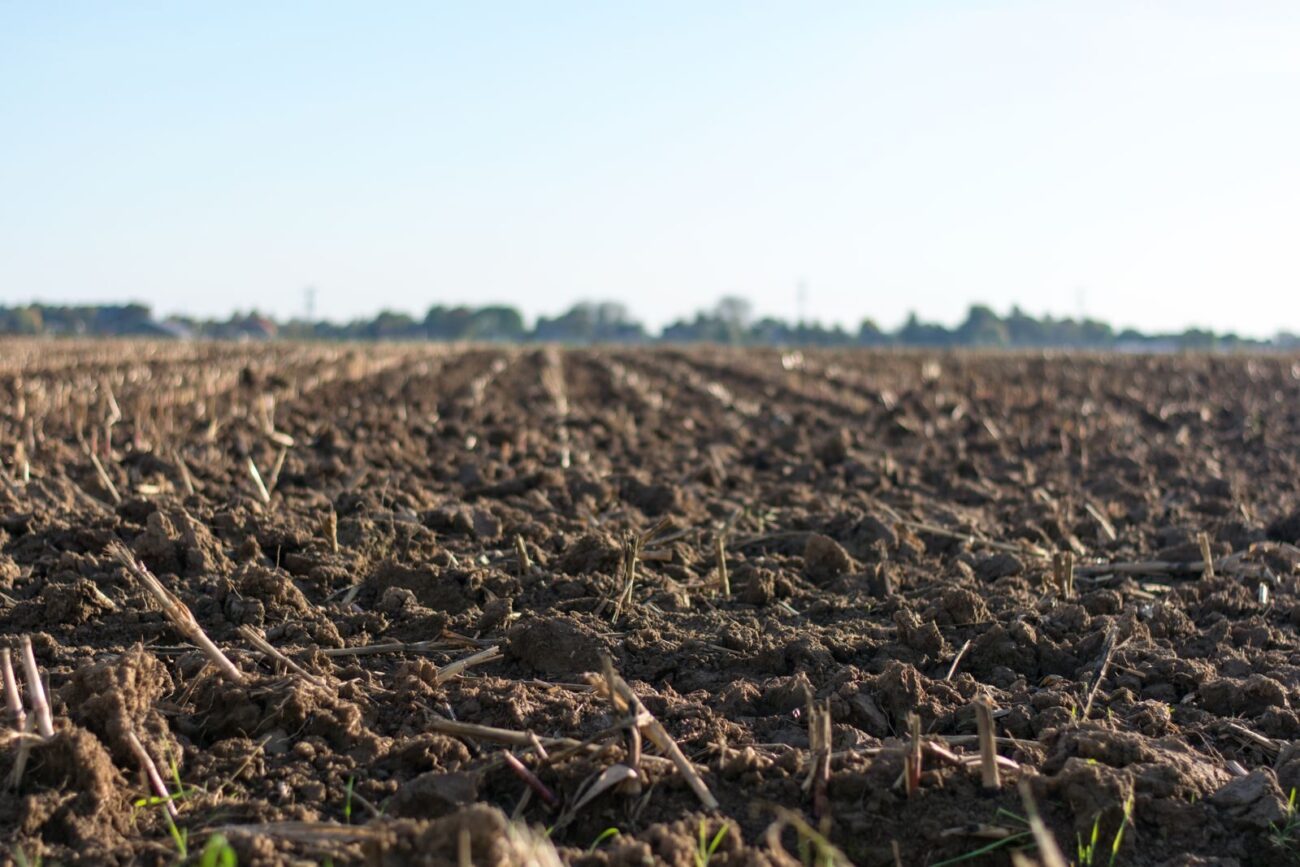
If you buy a tonne of carbon stored in a field, what happens if the farmer ploughs that field five years later?
The answer is that the carbon can go straight back into the air, and the tonne you paid for no longer exists. This is called reversal, and it is the weakest point in the whole idea of soil carbon credits.
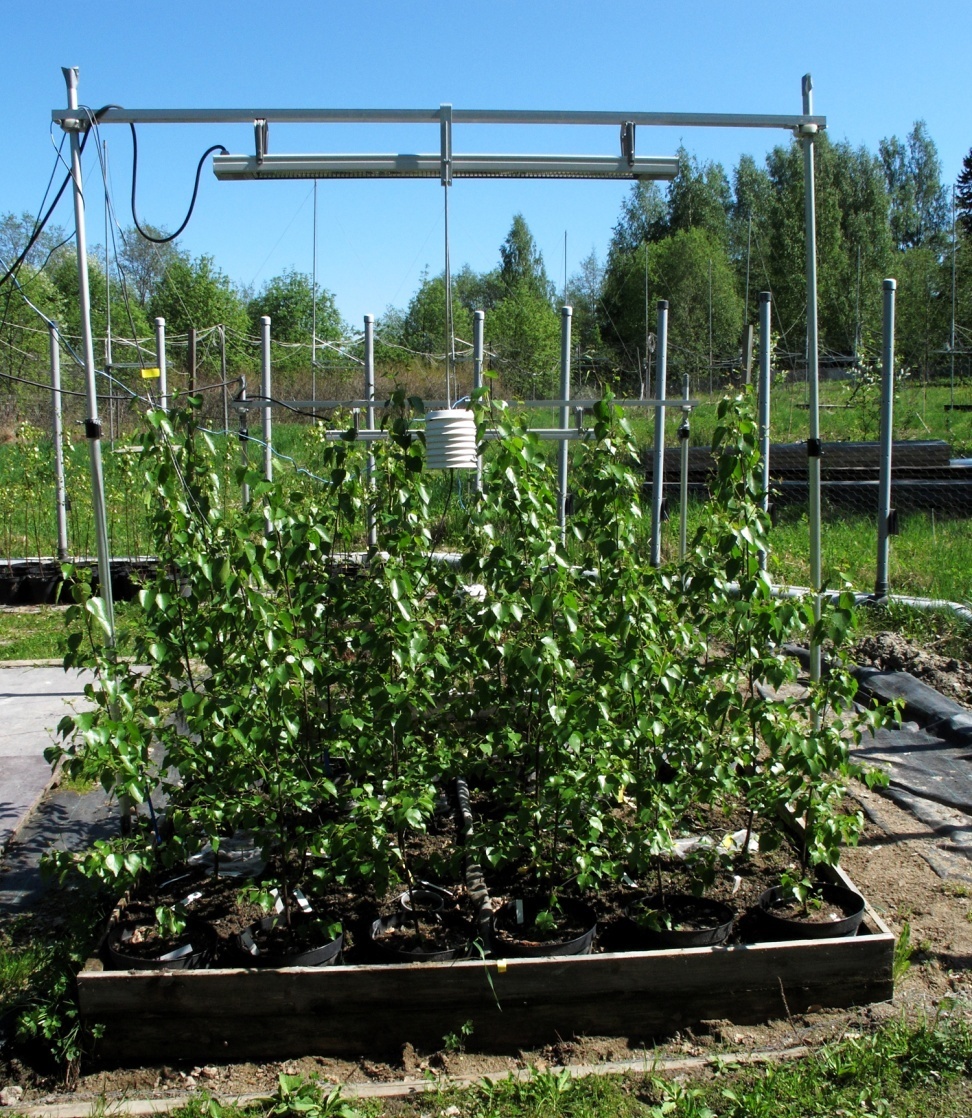
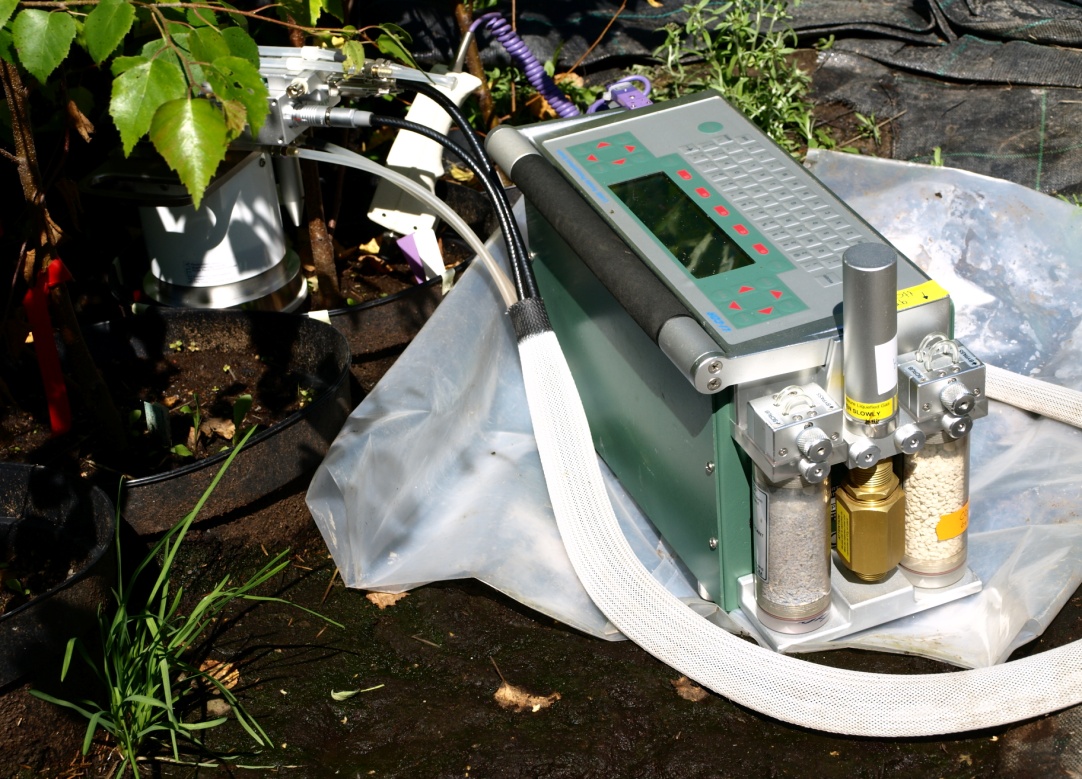
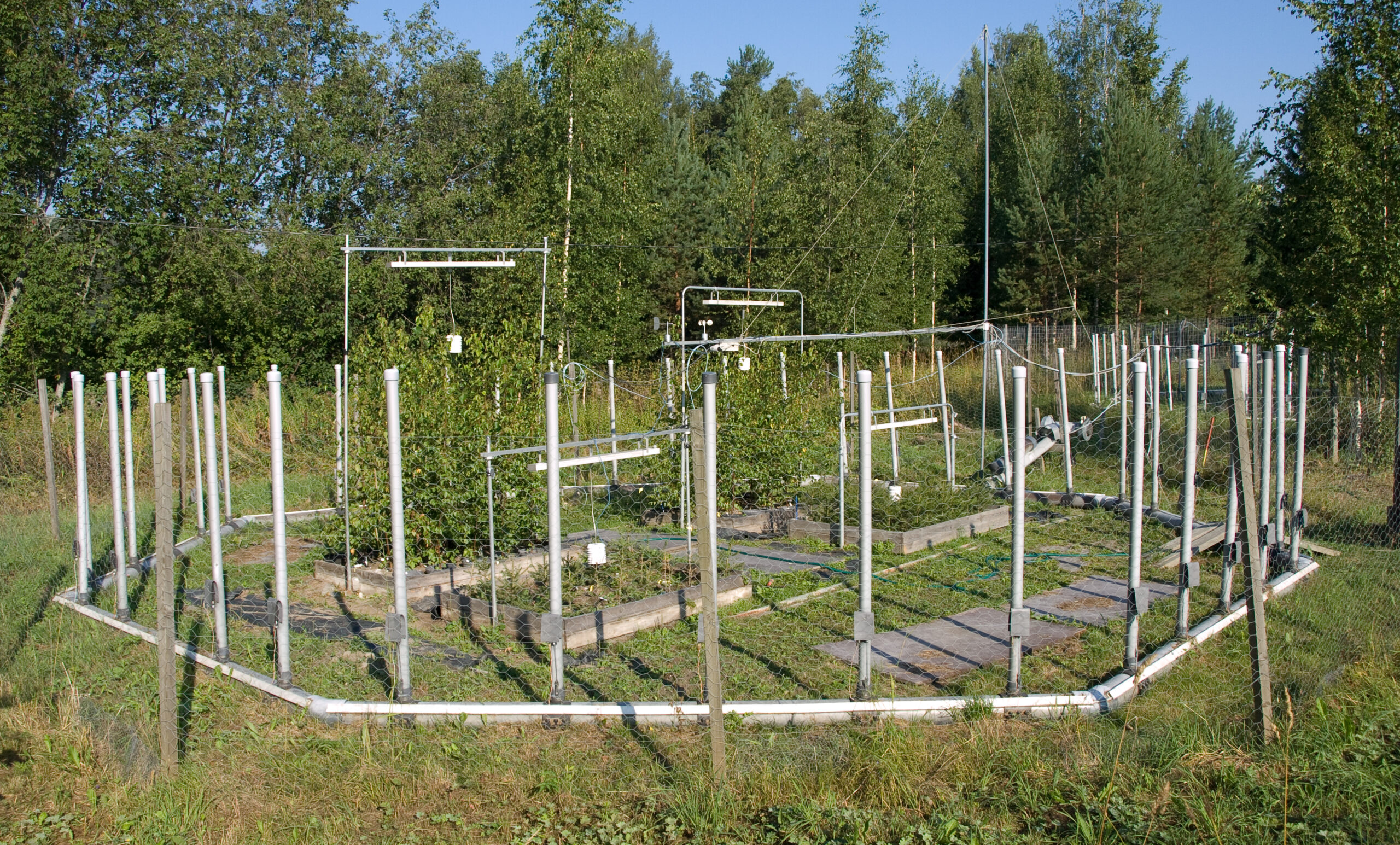
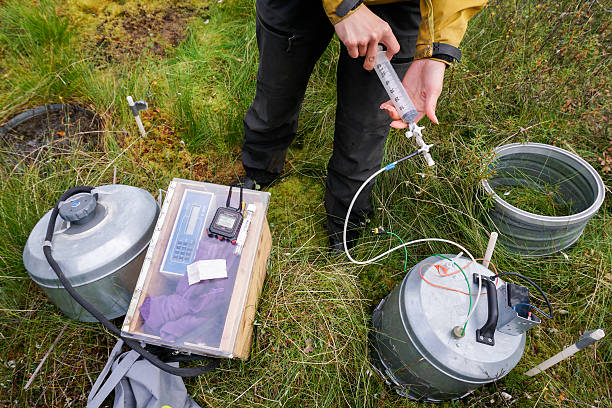
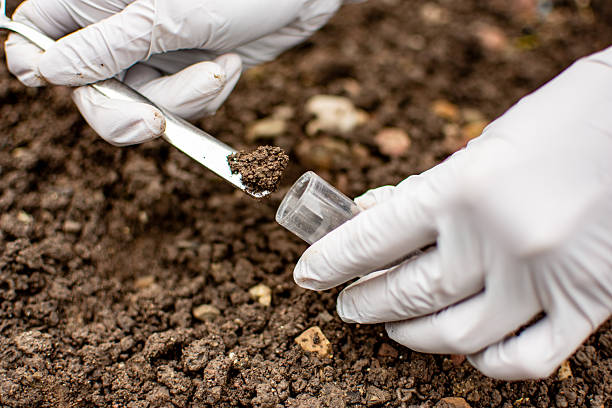
I measured carbon moving in and out of soil for a season, month after month. So I know from watching it that soil carbon is not a fixed store you lock away. It moves. It goes in, and it comes back out, and what tips the balance is partly the chemistry of the soil and partly what the farmer does. That is the starting point for understanding why these credits can undo themselves.
A Tree and a Field Are Not the Same Promise
Most people picture a tree when they think of carbon storage. A tree is a solid object. It holds its carbon for its life, and you can go and look at it.
Soil carbon is different, and the difference is the whole problem.
Soil carbon is not one object…
It is carbon held in the ground through a set of ongoing processes, and those processes can run in reverse. Stop doing the thing that built the carbon, and the carbon starts leaving. A tree keeps its carbon whether or not you keep paying attention. Soil only keeps its carbon while the practice that built it continues.
That is why a soil credit is a different kind of promise from a forestry one. It is not “this carbon is stored.” It is “this carbon is stored, as long as this field keeps being farmed a certain way, for decades.”
Why Soil Lets Carbon Go
Here is the part my background lets me explain, and it is the part most articles skip.
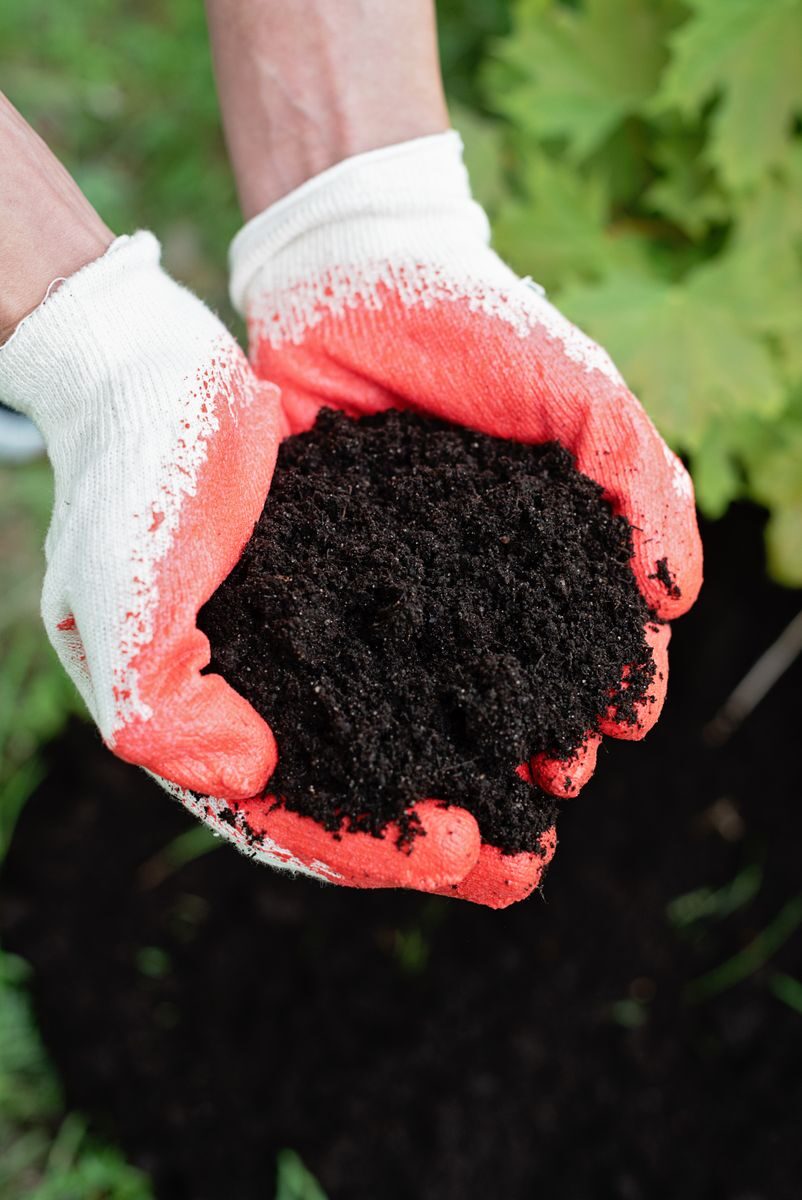
Soil carbon is held in the ground partly by sticking to mineral surfaces. Tiny particles of carbon bind onto tiny particles of mineral, and that binding is what keeps the carbon from being eaten by microbes. It sounds fixed. It is not.
A study in Frontiers in Environmental Science walks through how that binding comes undone. Plant roots release acids, and some of those acids can knock the carbon off the mineral surface, freeing it to be broken down. A shift in the soil’s pH can loosen the same bonds. And adding fresh, easy carbon to soil can wake up microbes that then start eating the older, stable carbon that was sitting there safely, an effect called priming.
Set against my own field measurements, it fits what I saw. Soil carbon is not a locked box. It is a balance between carbon going in and carbon coming out, held in place by conditions that can change. Change the conditions and the balance tips, and carbon that looked stable for years can leave.
This is the mechanism under the headline. When people say soil carbon “can reverse,” this is why. It was never nailed down. It was held by bonds that farming and chemistry can break.
The Practical Triggers
Take the chemistry up to the level of the field, and the triggers for reversal are ordinary farming events.
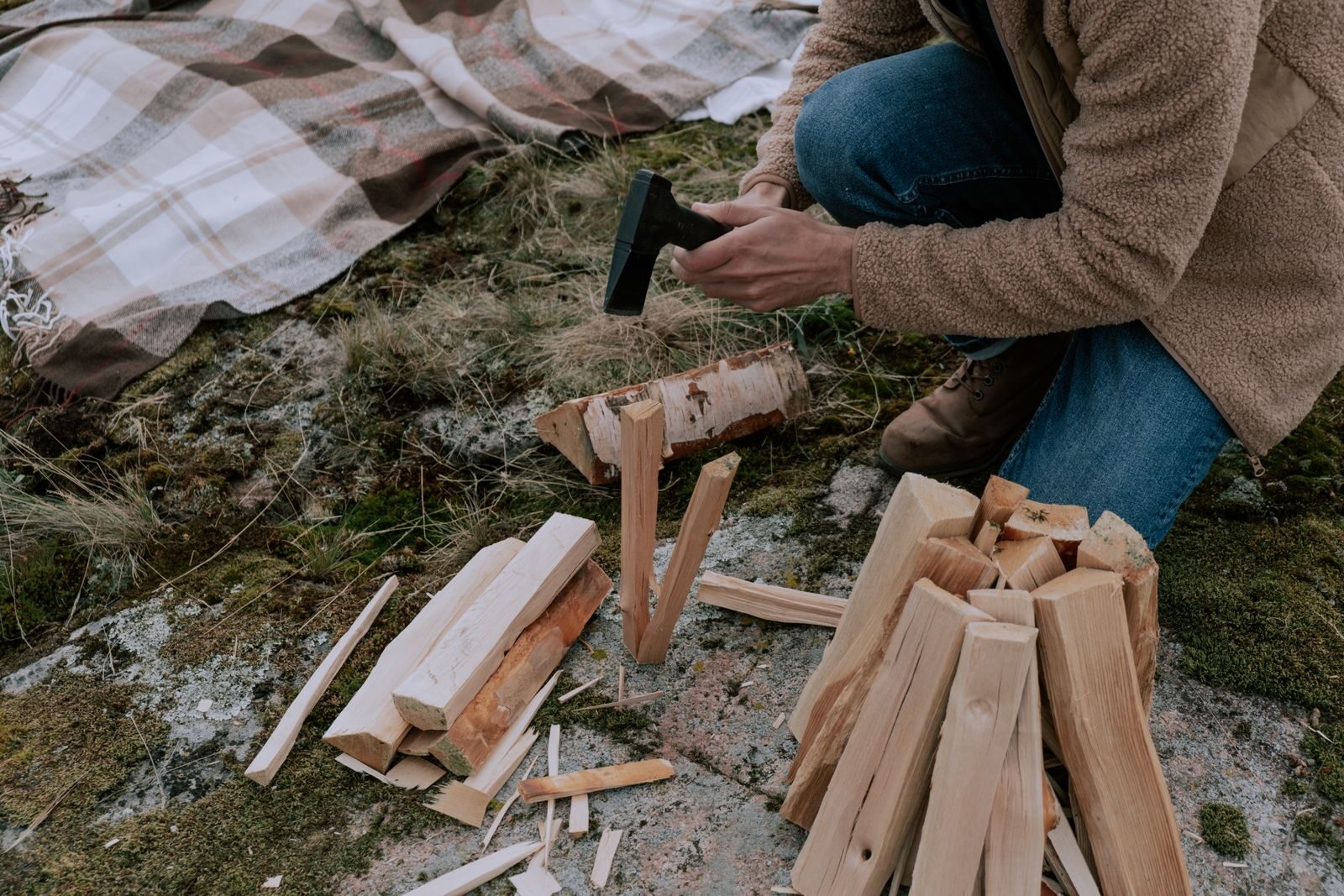
Ploughing is the big one. Reduced or zero tillage is a main way soil carbon is built, because leaving soil undisturbed lets carbon accumulate.
The USDA Economic Research Service states the mechanism plainly: reducing how often or how intensively cropland is tilled lets the soil hold more organic matter and helps it store carbon, while intensive tillage releases greenhouse gases. Turn that around and the meaning is clear. Plough a field that was building carbon, and you break the soil open, expose the carbon to air and microbes, and much of it leaves.
The gains are also shallower than they sound. The USDA Climate Hubs note that no-till adds carbon mainly in the top few inches of soil. A shallow store is an exposed store, and one pass of a plough reaches straight through it.
Then there are things no one controls. Drought, flood and fire can all release soil carbon. A dry year can flip a field from storing carbon to losing it.
So the carbon you bought depends on a farmer keeping up a practice, on that farmer still owning and choosing to farm the land that way, and on the weather not undoing it. Over the decades a credit is supposed to last, that is a lot of things staying constant.
How the Market Handles It: the Buffer Pool
The carbon market knows all of this. It has a mechanism for it, and once you see the mechanism, you understand how seriously reversal is taken.
It is called a buffer pool. When a project generates credits, it does not get to sell all of them. A share is held back in a shared reserve. If carbon reverses somewhere, credits are taken from that reserve to cover the loss, so the buyer’s tonne is still backed by carbon somewhere in the system.
The Frontiers permanence study describes this as an insurance-like scheme, and makes the point that forestry projects manage their own reversal risk the same way. Projects hold back a share of their credits in this reserve rather than selling all of them.
The buffer pool is the most straightforward part of the whole system, because it is the market admitting the thing out loud. You do not set aside an insurance reserve against something that cannot happen. The buffer pool exists precisely because everyone involved knows the carbon can come back out. It is priced in.
That is also the thing a buyer should look at hardest. A credit with a strong buffer pool behind it and a long commitment period is a different product from one with a small reserve and a short period, even if both are sold as a tonne of CO₂.
What This Means for the Number
None of this means soil carbon credits are worthless. It means they are a conditional promise, and the condition is that a field keeps being farmed a certain way for a long time, through changes of weather, ownership and circumstance no one can guarantee.
A tree credit and a soil credit are both sold as one tonne of CO₂. They are not the same thing. The soil one can undo itself in a few seasons if a plough comes through, and it is held in place by soil chemistry that farming can disturb.
If I were looking at one, I would ask three things, all from the science and measurement side. How long is the commitment period? How big is the buffer pool behind it? And how likely is it that this specific field keeps being farmed this way for the whole period? The answers tell you how solid the tonne is.
This sits alongside the other reasons I have written about for reading a soil carbon number carefully: why it is so hard to measure in the first place, and what a credit certifies. Reversal is one more. The carbon is hard to measure, hard to prove, and once proved, able to leave again.