


Can a field lose carbon on paper without losing any carbon in the ground?
Yes. It happens because of a choice most people never see, made before a single sample reaches the lab. It is the choice of what you measure the carbon against. Get it wrong, and a field can appear to gain or lose a large share of its carbon while nothing has actually changed underground.
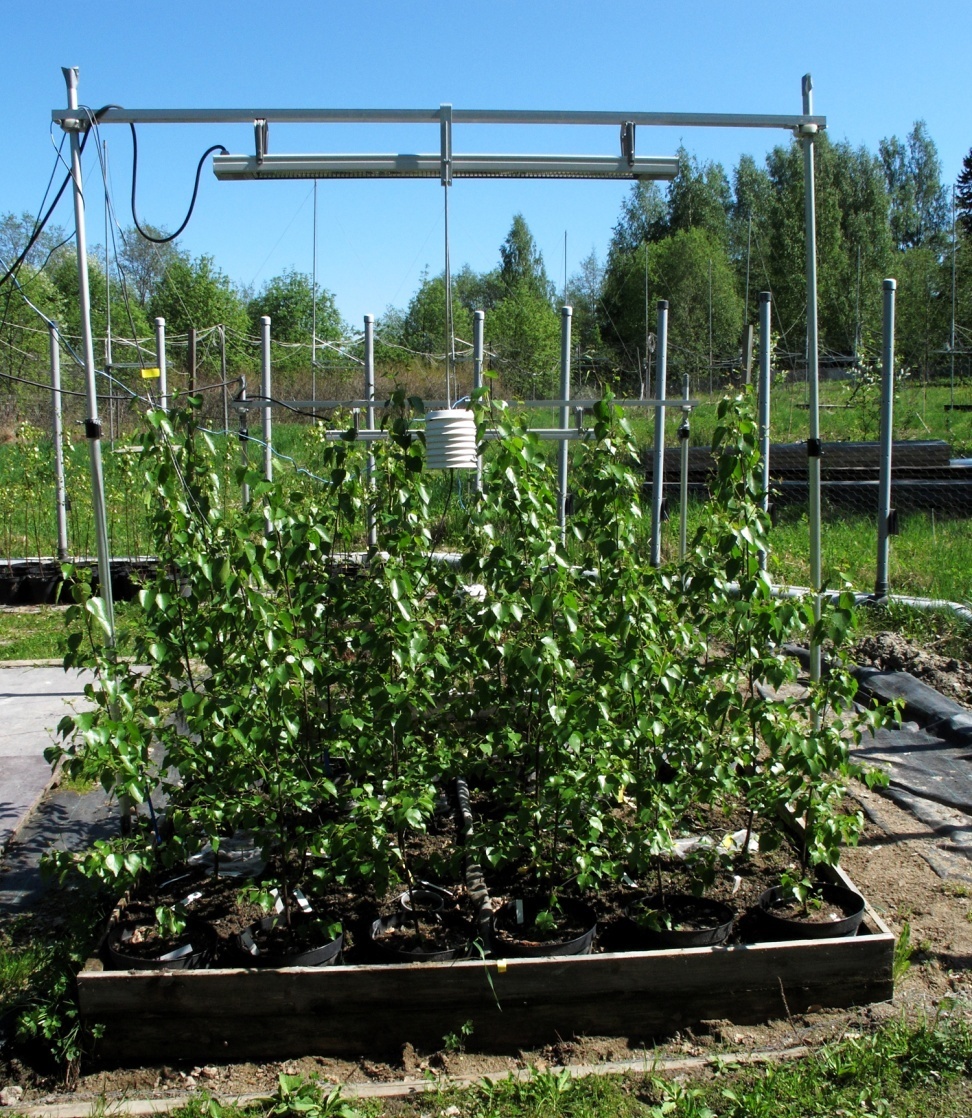
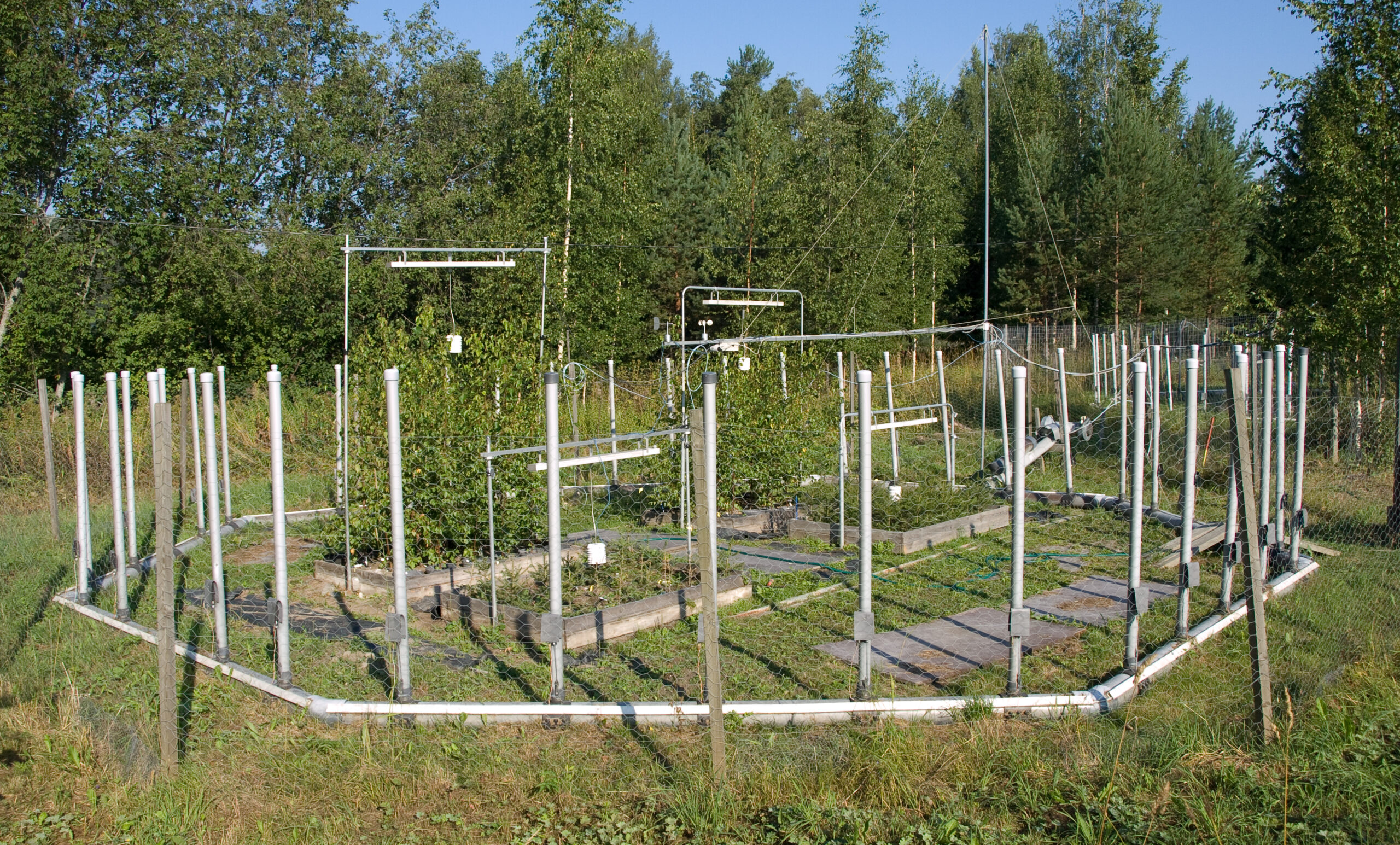
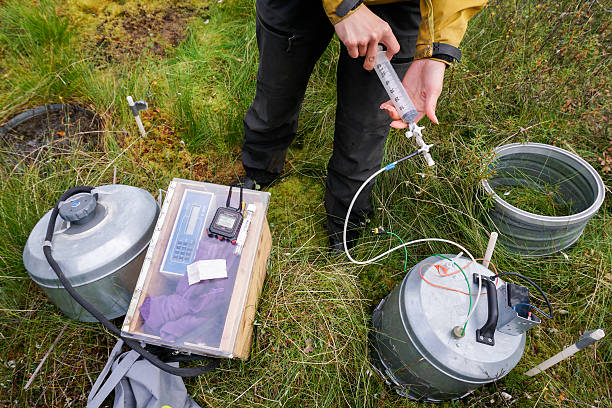
I built the soil for my own field experiment to a set depth, thirty centimetres of a mull and sand mix inside a frame. So I have spent real time thinking about what a depth means and what it does not tell you. This is a problem I recognise from the ground up.
The Two Questions Every Sample Has to Answer
When you sample soil for carbon, two decisions come before anything else.
How deep do you go? Thirty centimetres is the usual answer, and I will come back to why that is a problem.
What do you compare against next time? This is the one almost nobody outside the field has heard of, and it is the one that can turn a real gain into an apparent loss. It comes down to whether you measure to a fixed depth or a fixed mass of soil.
That second question sounds like a technicality. It is the most important decision in the whole measurement.
Why a Fixed Depth Can Lie to You
Start with how a carbon stock is worked out.
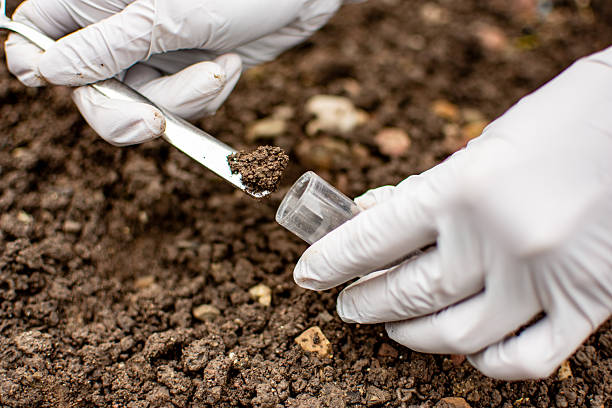
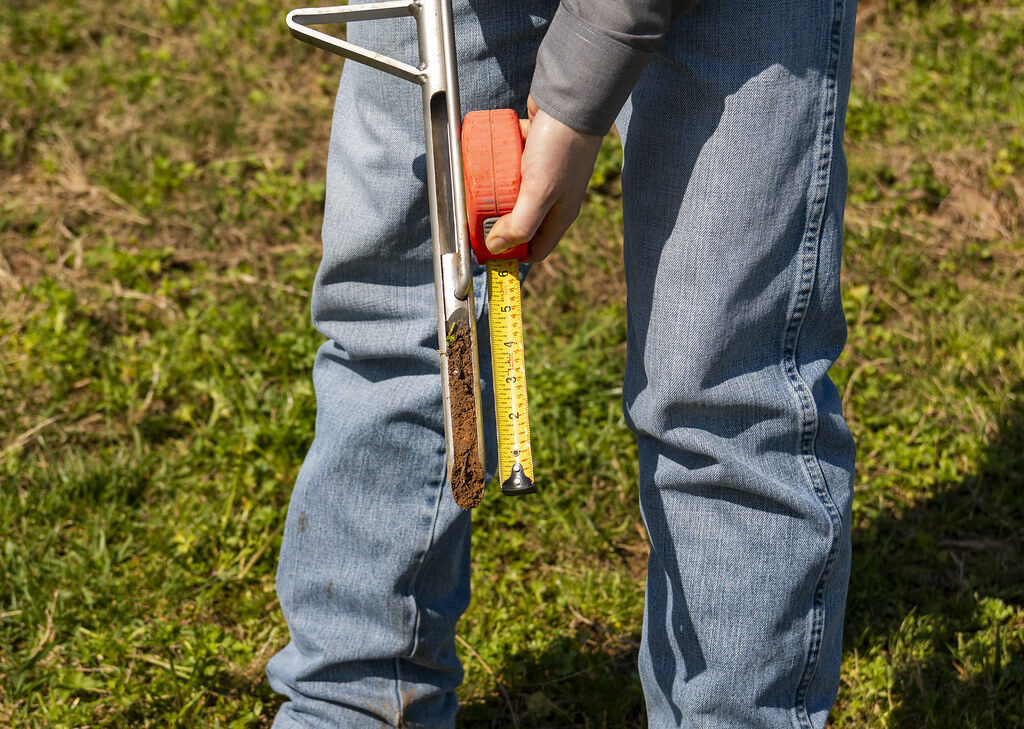
You take a sample to a set depth, say thirty centimetres. You measure how much carbon is in it. You measure the bulk density, which is how much that soil weighs for its volume. Multiply those together and you get the carbon stored under that patch of ground, to that depth.
Come back in five years and do it again. Compare the two. The difference is the carbon gained or lost.
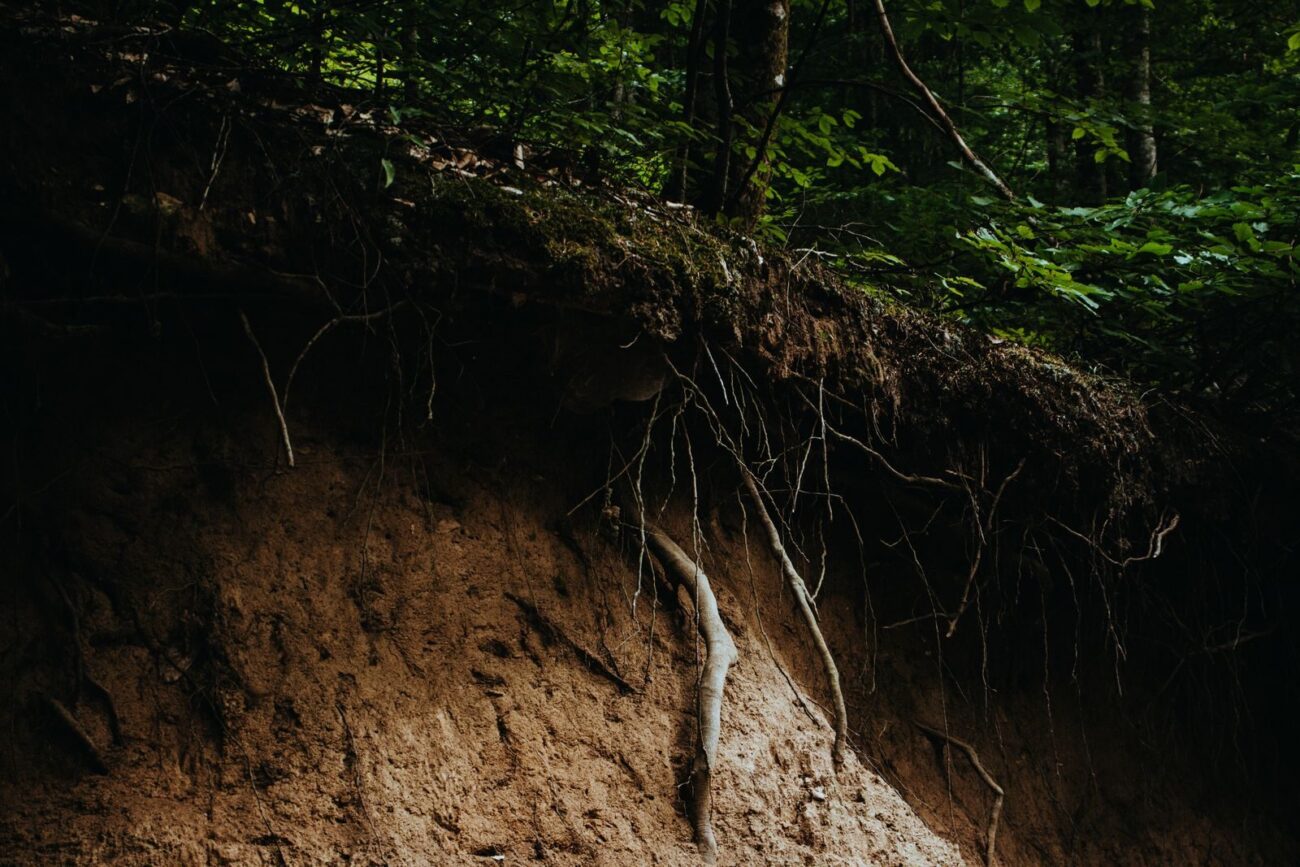
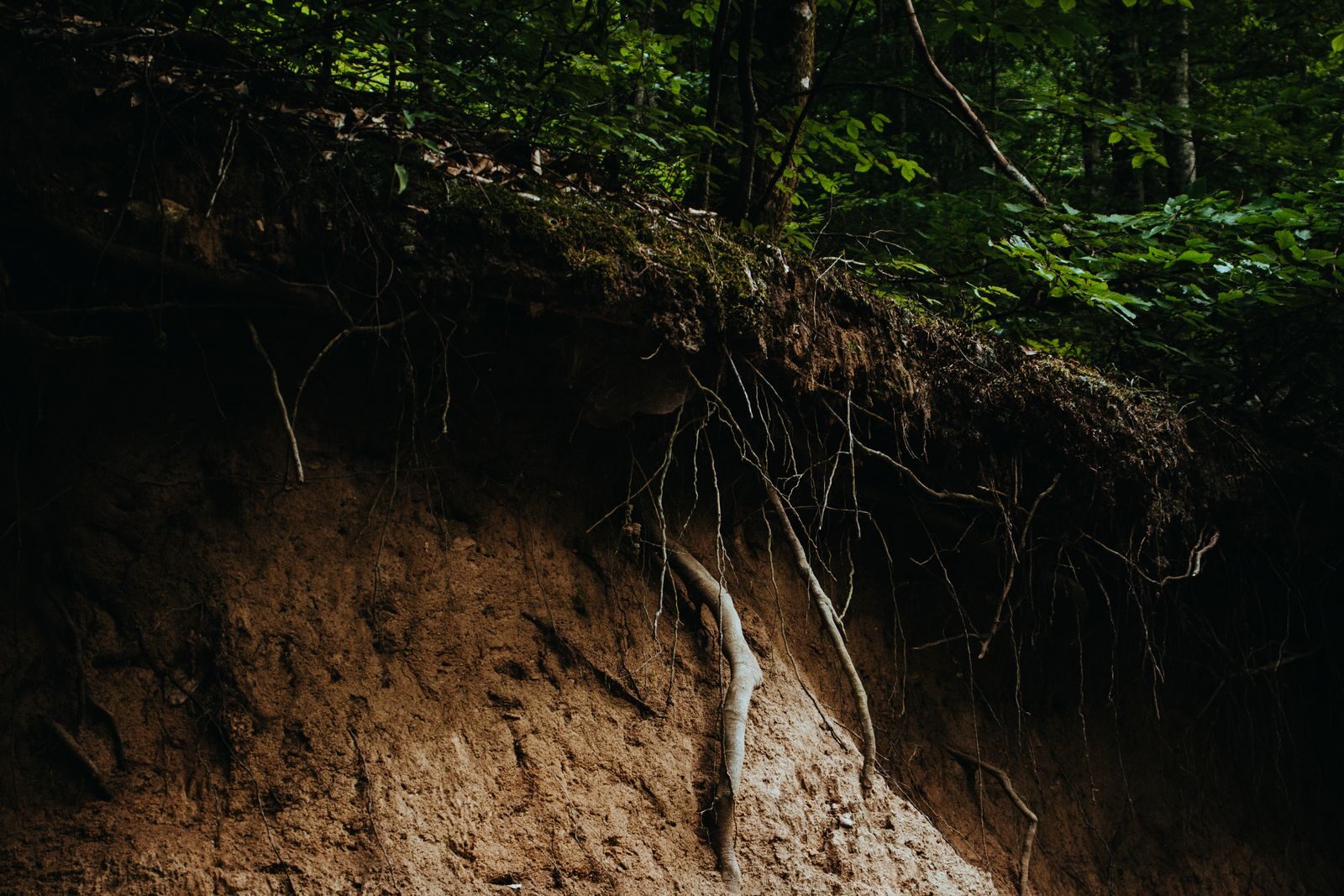
Here is the trap. Bulk density is not fixed. When soil is ploughed less, or gains organic matter, it becomes lighter and looser. The same spade depth now holds less actual soil than it did before, because the soil has expanded.
So on your second visit, your thirty centimetre sample contains a smaller mass of soil than your first one did. You are comparing carbon in a large scoop of soil against carbon in a smaller scoop. That is not a fair comparison, and it runs against you.
The numbers on this are not small. A study in Scientific Reports worked through a realistic case. If bulk density falls from 1.5 to 1.1 as a field improves, and you keep sampling to a fixed thirty centimetres, you underestimate the real carbon gain by 17 percent.
Read that again. The field genuinely gained carbon. Good practice worked. But because the soil also got lighter, and you measured to a fixed depth, your figure misses nearly a fifth of the gain. The soil improving is the very thing that hides the improvement.
The Fix: Measure a Fixed Mass, Not a Fixed Depth
The way around this is to stop comparing equal depths and start comparing equal masses of soil.
Instead of always sampling to thirty centimetres, you sample to whatever depth gives you the same dry mass of soil you had the first time. If the soil has loosened, you go a little deeper to catch the same amount of actual soil. Then you are comparing like with like.
This is called the equivalent soil mass method. The name is technical, the idea is simple. Weigh the same amount of soil each time, not the same depth of it.
The research is clear that this is the more accurate approach. The same body of work that identified the fixed-depth error recommends the equivalent soil mass method to correct it. It is not perfect, and it takes more care to do, which is part of why it has been slow to catch on. But it removes the specific trap where improving soil hides its own improvement.
Set the fixed-mass problem aside for a moment. There is a second issue, and it is the plain question of how deep to go at all.
The standard, used by most protocols, is thirty centimetres. There is a practical reason for it. The top of the soil is where the fast changes happen, where roots and organic matter and farming activity are concentrated. Sampling deeper costs more and is harder.
But carbon does not stop at thirty centimetres. A review in Carbon Balance and Management points out that sampling only to thirty centimetres neglects a significant part of the profile’s carbon, and recommends going to sixty centimetres, in several smaller depth steps, as best practice for cropland.
There is a real question under this, not just a matter of going deeper for its own sake. Some farming changes move carbon down the profile rather than only adding it near the top. If you only ever look at the top thirty centimetres, you can miss carbon that has moved below your sampling line, or misread where the change is happening.
The Part That Should Worry a Buyer
Put the two problems together and you reach the thing that surprised me most.
The same review found that most carbon market protocols do not say which method to use. They leave the fixed-depth versus fixed-mass choice open, and they mostly require sampling only to thirty centimetres.
So the single decision that can shift the answer by 17 percent is the one the rules often do not pin down. Two projects can both follow the protocol, measure the same field honestly, and report different carbon gains, because one used a fixed depth and the other used a fixed mass, and the protocol allowed both.
This is a measurement-quality failure, not a soil-science one. In measurement work, the first rule is that a repeat measurement must be done the same way as the first, against the same reference. Here the reference itself, depth or mass, is left unspecified. That is like weighing yourself on two different scales and treating the difference as weight change.
The review makes the fair point that fixing this costs money, and that the cost of measuring accurately, on the right basis and deep enough, should be built into the price of the carbon. I would put it more plainly. A carbon figure is only trustworthy if you know how deep they sampled and what they compared against. If nobody asked, the number is softer than it looks.
In Short
How deep to sample matters, and thirty centimetres is probably too shallow, because carbon lives below it and some changes happen down there.
But the basis matters more than the depth. Measuring to a fixed depth, when soil density changes, can hide up to 17 percent of a real carbon gain. Measuring to a fixed mass of soil removes that error, and it is the more accurate method even though it takes more work.
The uncomfortable part is that many protocols leave both choices open, so two honest projects can produce two different answers for the same field.
This connects straight back to the wider problem I have written about, why soil carbon is so hard to measure well enough to sell, and to what a soil carbon credit actually certifies. The depth and the basis are two more reasons the number on a credit deserves a hard look.