



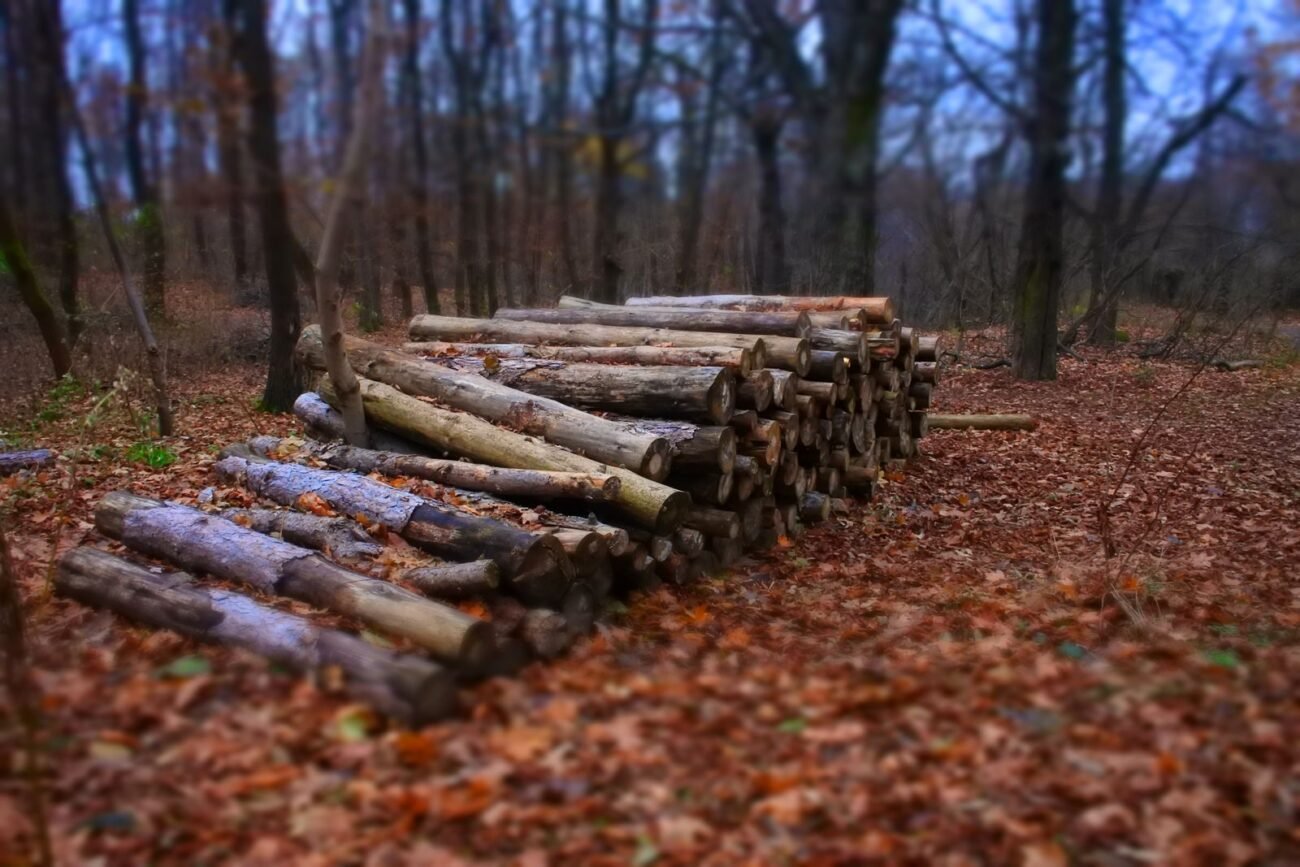
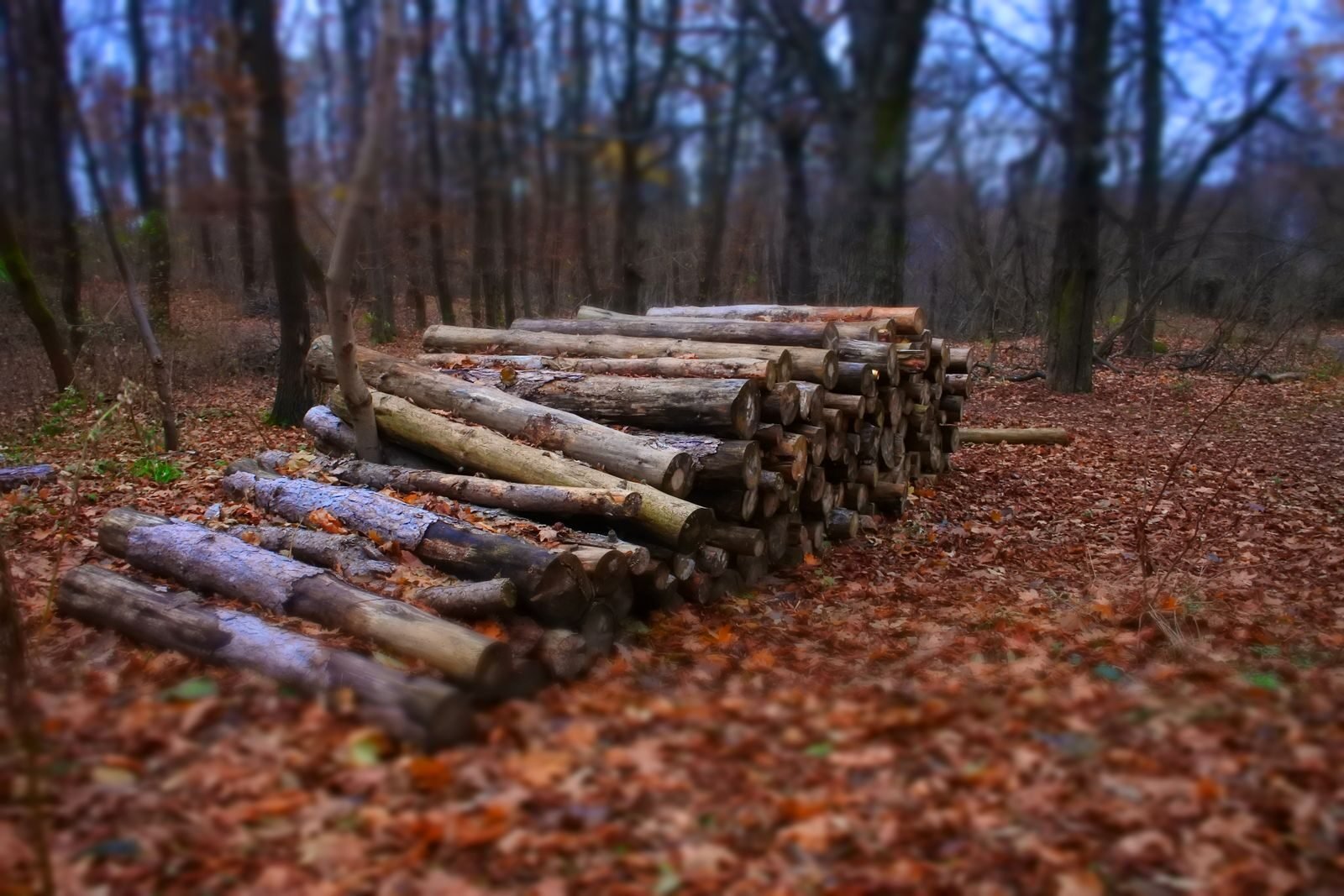
Your firewood has been split and stacked for a year. The meter says 21 or 22 percent, and it has said that for weeks. It will not go any lower, and you are starting to wonder if you have been sold wood that will never be ready.
I do not think anything is wrong with your wood. Most of the time, wood that stalls just above 20 percent has done all the drying the outside air allows. To get the last few points off, you have to change the air it sits in, or check that the number on your meter means what you think it means.
Here is how I would work through it.
Wood can only get as dry as the air around it
Wood does not keep drying forever. It swaps moisture with the air around it until the two are in balance. Wood scientists call that balance point the equilibrium moisture content. Once your wood reaches it, it stops drying, however long you wait.
The balance point depends mostly on the humidity of the air. The USDA Wood Handbook gives these figures for wood at room temperature (USDA Forest Products Laboratory, Wood Handbook Chapter 4):
| Air humidity | Wood levels off at about |
|---|---|
| 50% | 9% |
| 65% | 12% |
| 80% | 16% |
| 90% | 20% |
Look at the bottom row. If the air around your stack sits at 90 percent humidity for weeks, which is normal in a wet autumn or near the coast, your wood will level off at around 20 percent. It cannot dry below the air around it.
Cold makes it slightly worse, because colder air at the same humidity holds the balance point a little higher.
In my field research I measured soil moisture three times a week and watered whenever it dropped, so I got used to seeing moisture follow the weather rather than stay put. Wood outdoors does the same.
Why it stalls in autumn and winter
This is why so many people see their wood stop at 21 or 22 percent in October or November. Summer air is warmer and drier, so wood keeps drying. Once the damp months arrive, the balance point moves up to 18, 20 or even higher, and the wood stops drying or even takes a little moisture back from the air.
The US Forest Products Laboratory has worked out these outdoor balance points month by month for hundreds of locations, and they rise and fall with the local weather through the year (Simpson, USDA Forest Products Laboratory). Your woodpile follows the same pattern.
So if your wood reached 22 percent in September and has stayed there, it is not failing. It is waiting for drier air.
First, check the reading
Before you change anything, I would make sure the 21 or 22 is a true reading. Three things push meter readings in the wrong direction:
Where you measured. Always split a piece and measure the fresh face in the middle. The outside of a log in a damp autumn can read wetter than the inside, and after a dry spell it can read drier.
How cold the wood was. Cold wood reads drier on a pin meter, not wetter, so cold is not what is holding your number up. But it does mean a cold reading of 19 might be 21 once the wood warms up. I explain this in Frozen Firewood and Moisture Meters.
Which basis your target uses. Most meters read dry basis. If the 20 percent rule you are following was written on wet basis, 20 percent wet is 25 percent dry, and your 22 percent dry wood is already under the target. My guide to dry basis vs wet basis explains the difference, and the Wet vs Dry Basis Moisture Converter switches between the two.
How I would get the last few points off
If the reading is correct and the wood is stuck, the answer is to put it in drier air.
Bring a few days’ worth inside.
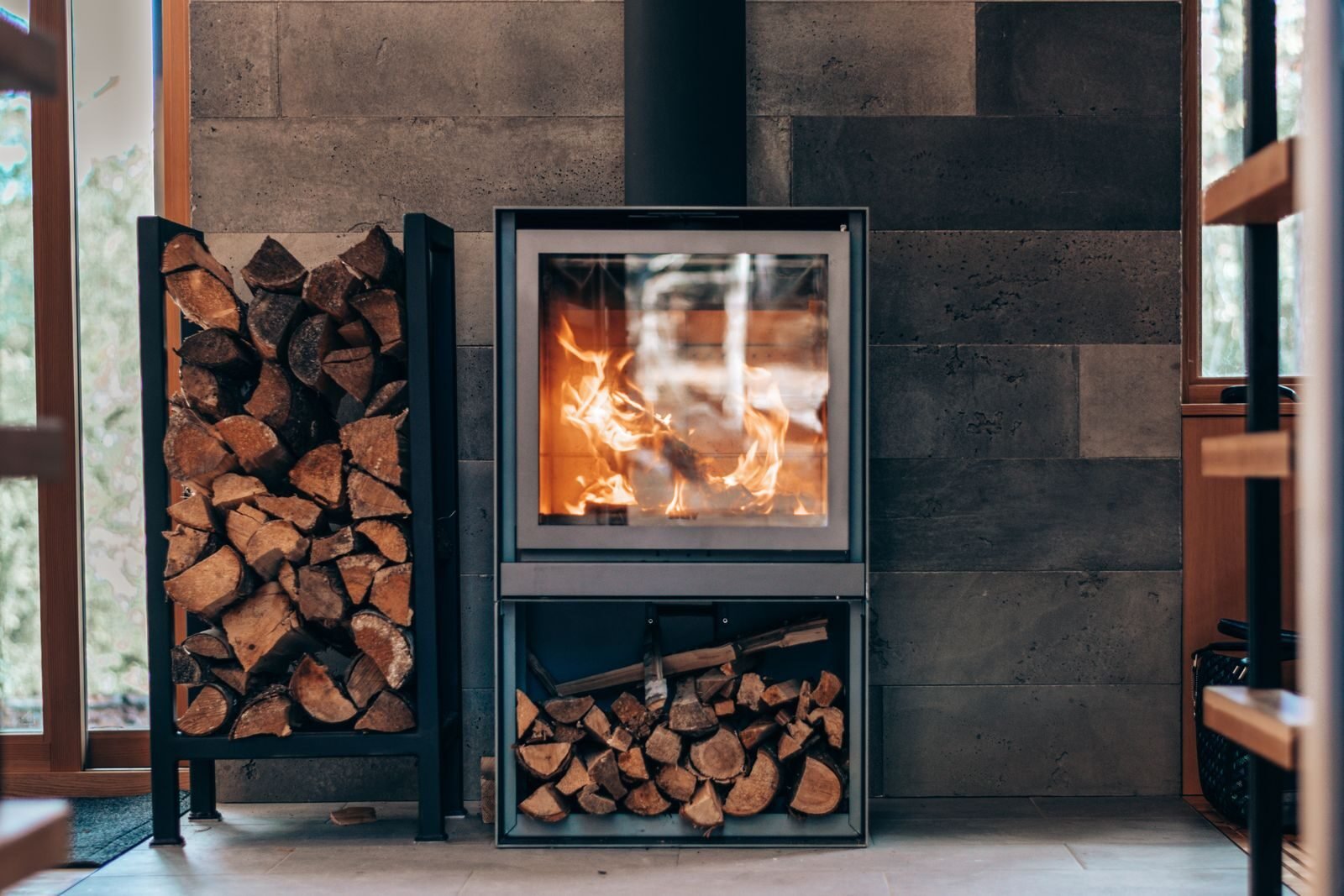
Heated rooms in winter usually have dry air, and the balance point indoors is far lower than outside. Stack the next few days of wood in a warm, airy spot indoors, like a garage, a porch or next to the stove, with space around the pieces. Split logs at 21 or 22 percent will often drop under 20 within days to a couple of weeks.
Split it smaller.
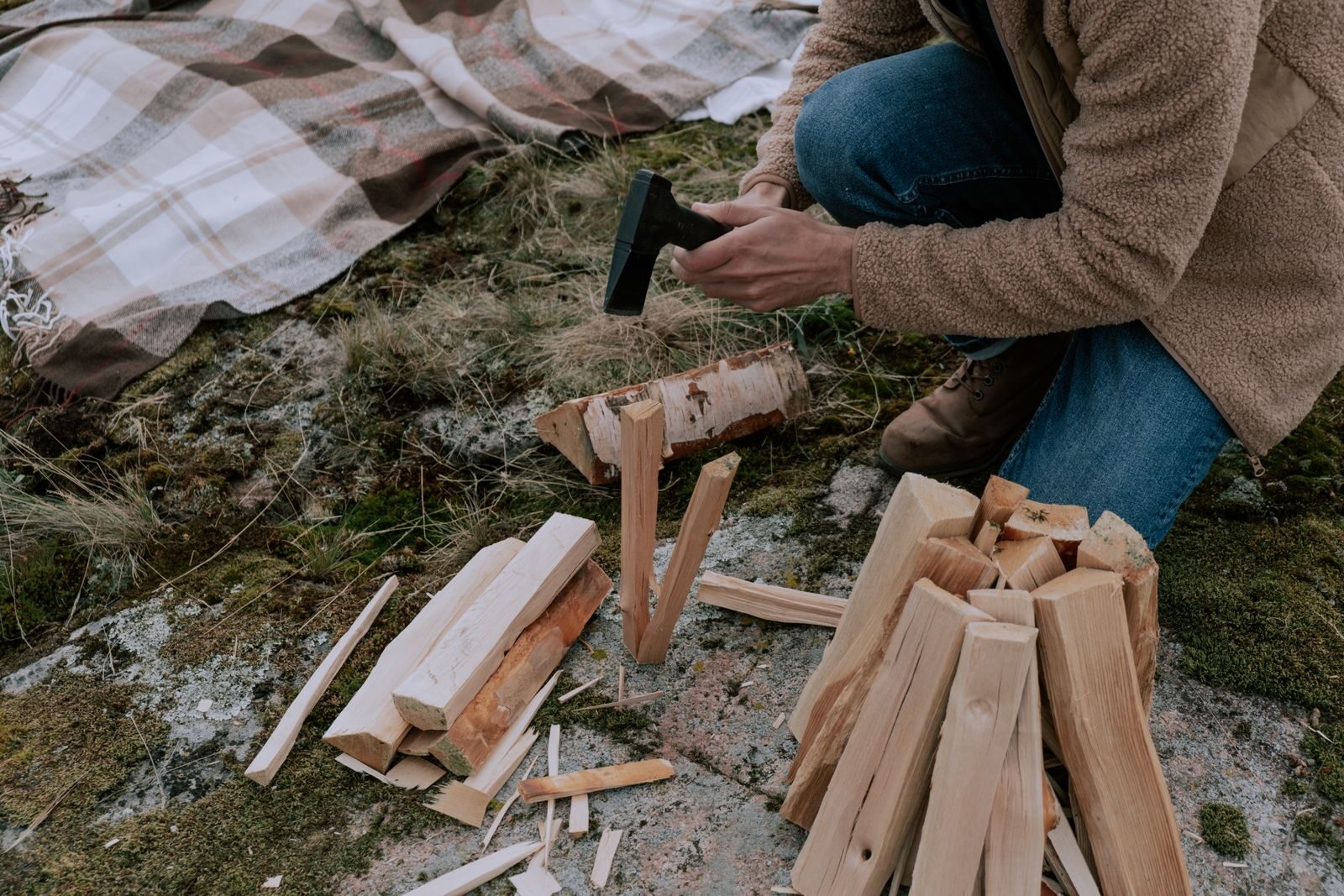
Wood dries through its cut faces, not through the bark. Smaller pieces have more cut surface for their size, so they lose the last of their moisture faster. I cover this in more detail in How to Tell If Your Firewood Is Seasoned.
Keep rain off the top, let air through the sides.
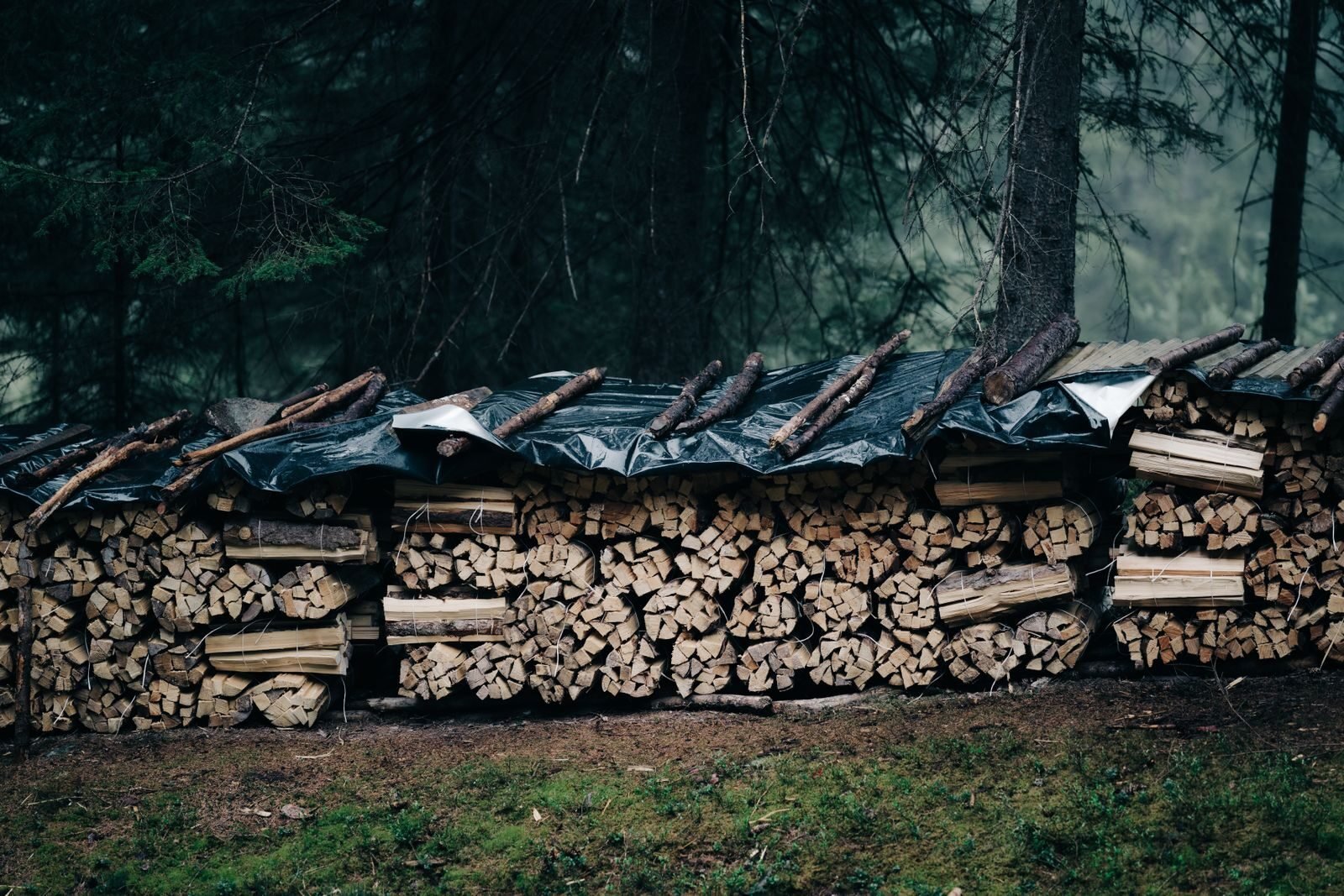
A cover over the top stops rain soaking the upper layers. Open sides let moving air carry moisture away. A tarp wrapped all the way down to the ground traps damp air around the wood and holds the balance point up.
Get it off the ground.
Wood sitting on soil or grass picks up moisture from below. Pallets or rails under the stack keep the bottom row out of the damp.
Stack it in the sun and wind.
A spot with sun on it and a breeze through it will reach a lower balance point than a shaded corner by a wall.
Plan for next year.
The best drying happens in spring and summer, when the air is warm and dry. Wood split and stacked in spring will usually be well under 20 percent by autumn. Wood split in autumn often stalls until the following spring. My Firewood Seasoning Time Estimator gives a rough idea of how long your wood needs.
Is 21 or 22 percent a problem for burning?
It makes a difference, but not a huge one. The EPA says wood burns best at a moisture content of less than 20 percent (EPA Burn Wise). Wood at 21 or 22 percent will burn, but it gives a little less heat and a little more smoke than wood at 15 to 18 percent.
If you have to burn it now, I would bring it inside for a few days first, burn it on a hot, well-established fire, and mix it with drier wood if you have any. If your fire is hissing and struggling, see Why Won’t My Firewood Burn Properly.
To check whether a reading is ready to burn, you can enter it in my Firewood Moisture Target Checker.
In short
Firewood that will not drop below 20 percent has usually reached the balance point with damp outdoor air. It is not bad wood. Check the reading on a freshly split face and make sure you are comparing it with the right basis.
Then move it into drier air: a few days indoors, smaller splits, a cover on top with open sides, off the ground, and in sun and wind. And next year, split and stack in spring so the summer does the work.
FAQs
Why won’t my firewood dry below 20 percent?
Usually because it has reached a balance with damp outdoor air. At around 90 percent air humidity, wood levels off at about 20 percent moisture and will not dry further until the air gets drier.
Can firewood get too dry sitting outside?
No. Outdoor air in most places is humid enough that wood outside levels off well above the moisture level of wood kept indoors.
Does rain make seasoned firewood wet again?
Rain wets the outer surface quickly, but that moisture moves out again once it stops. Long spells of damp air are what hold the whole log’s moisture up. A cover on top and open sides helps with both.
How do I dry firewood the last few percent?
Bring a few days’ worth inside to a warm, dry spot, split it smaller, keep rain off the top of the stack, get it off the ground, and give it sun and wind.
Is 22 percent moisture OK for firewood?
It will burn, but with a little less heat and more smoke than wood under 20 percent. Bring it inside for a few days first if you can, and check whether your target is on dry or wet basis.
How long does it take firewood to drop below 20 percent indoors?
Split logs at 21 or 22 percent often drop under 20 within days to a couple of weeks in a warm, dry room, depending on their size and the air.