



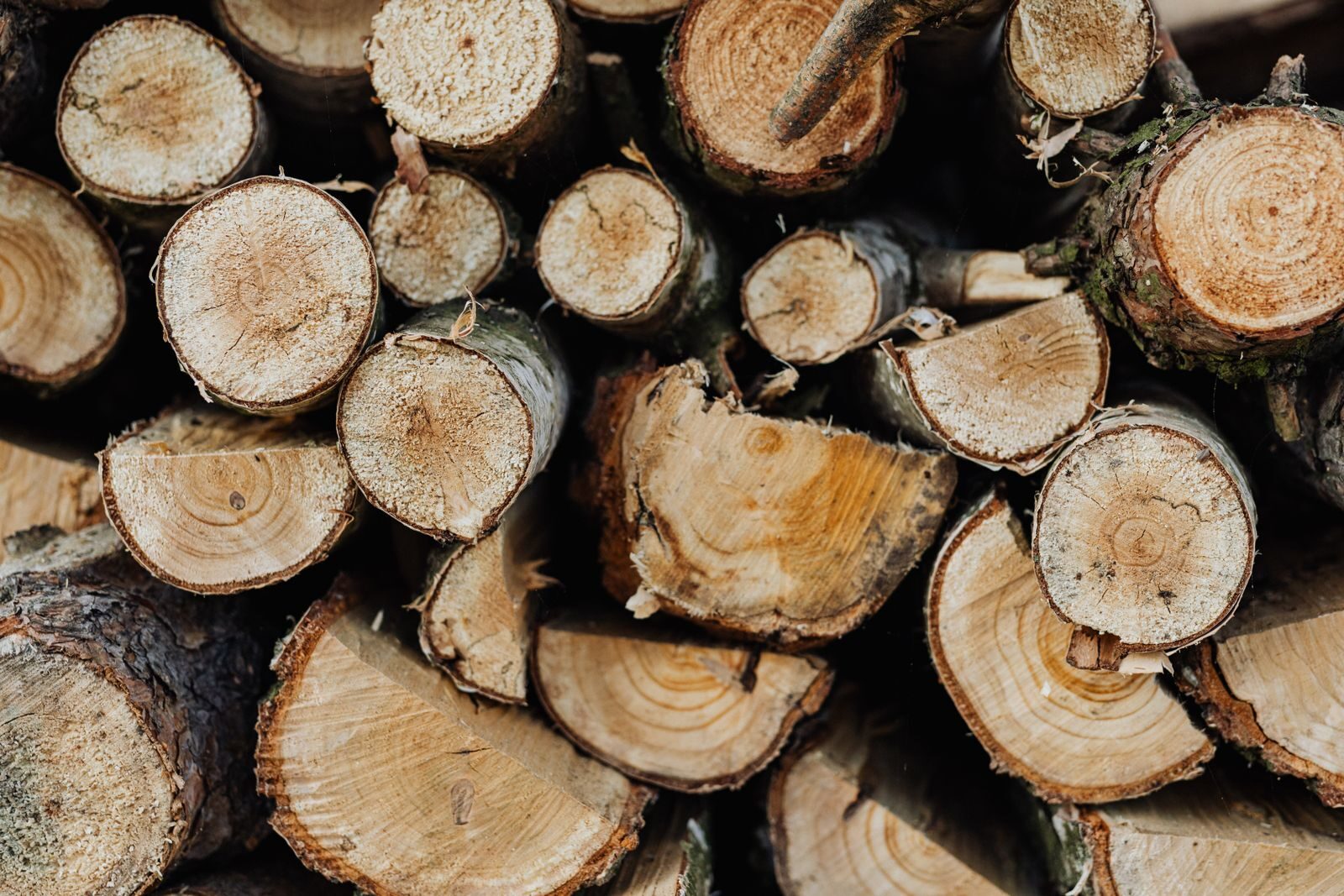
Oak, ash, birch, pine, which of them will truly warm your house, and does the label on the log pile even matter?
You want the most heat for your money, and every guide throws a chart of species and numbers at you that means nothing while you are standing at the woodpile trying to decide. So let me hand you the answer that works in real life, the one that lets you size up any wood yourself instead of memorising a list.
And here is the twist that makes it easy…
Pound for pound, almost all firewood carries about the same energy. A kilo of pine and a kilo of oak give off nearly the same heat. So the “best” firewood was never about finding a magic species. It comes down to two things you can check with your own hands: how dense the wood is, and how dry.
Stick with me and you will never be fooled by a woodpile again.
The One Fact That Makes Choosing Easy
This is the bit almost no firewood list bothers to explain, and it is the key to the whole thing.
The energy locked inside wood barely changes from one species to the next. Oven-dry wood of any type sits in a narrow band of roughly 18.5 to 19 megajoules per kilo, with softwoods only about two percent higher thanks to their resin. So per kilo, oak, ash, pine and birch are near enough the same fuel.
Then why does oak warm the room while pine seems to disappear up the chimney? Density. A dense hardwood crams far more wood into every log than a light softwood does. As one wood-energy resource puts it, since the energy per kilo hardly moves, density and weight are what really matter when you choose firewood, because they decide how much heat each log and each stacked load holds.
Picture two logs the same size, one oak, one pine. Lift them and the oak is noticeably heavier, because it is denser, so it holds more wood and more heat. Burn a stack of oak and you get roughly double the warmth of the same-sized stack of pine, for the exact same stacking and hauling. That is the whole secret of “best firewood for heat” in a single line: pick the wood that packs the most in, and make sure it is dry.
How to Size Up Any Wood in Seconds
Forget the charts. Once you know it is about density, your own hand does the job.
Lift it.
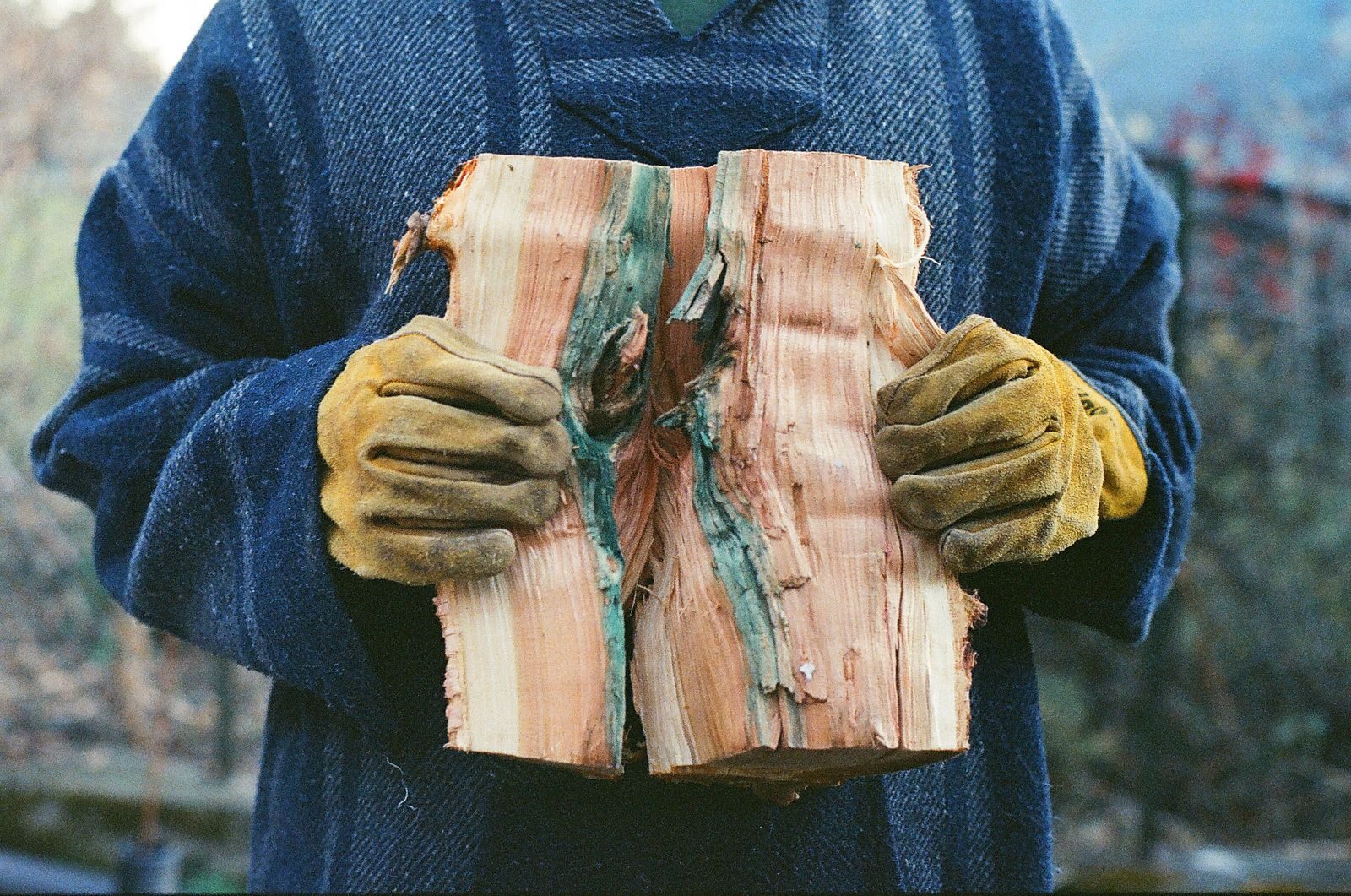
Heft a dry log. Dense, high-heat wood feels surprisingly heavy for its size. A light, airy log is low-density softwood that will flare up and leave you cold. Your hand is a perfectly good density meter.
Learn the rough camps.
Heavy hitters: oak, ash, beech, hornbeam, hickory, and fruit woods like apple. The middle: birch, sycamore, cherry. Featherweights: pine, spruce, fir, cedar, poplar, willow. When you buy by the stack, the denser the wood, the more heat you carry home for the same space.
Watch it burn.
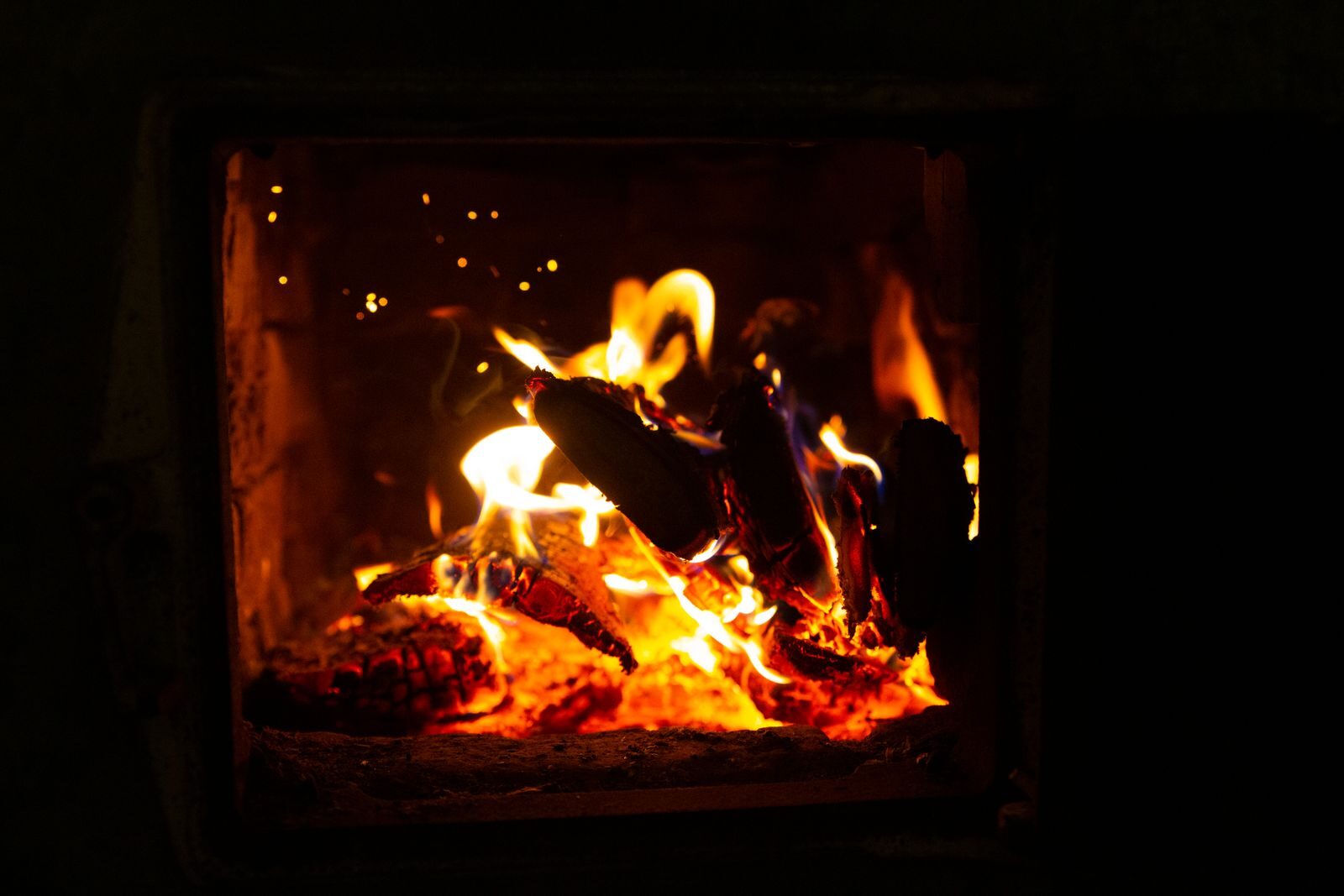
Dense hardwood settles into a slow, steady burn and leaves a deep bed of glowing coals that throw out heat for hours. Light softwood blazes up bright and pretty, then collapses to ash in no time with barely a coal to show for it. If you are up every twenty minutes feeding the fire, you are burning the light stuff.
Why Dryness Beats Species, Hands Down
Here is the trap hidden in every “best firewood” list. They rank species by heat and quietly skip the thing that matters more than any species name: moisture.
Even champion oak will let you down if it is wet, because the fire has to boil the water out before a scrap of heat reaches you. And boiling water is greedy. Every kilo of water in the log swallows energy to turn to steam, energy that never warms the room. Wet wood at around thirty percent moisture throws away roughly a third of its heat this way. So a damp hardwood behaves like a feeble fuel, and dry softwood will happily beat wet oak.
That is why chasing the “best species” while ignoring moisture has it backwards. The real running order is simple: get it dry first, then get it dense. Dry, middling wood beats wet, heavy wood every single time.
Aim for under twenty percent moisture, which for split, well-stored logs means a year or two of drying, longer for the dense stuff. A cheap moisture meter settles the argument in seconds.
So What Should You Put on the Fire?
Here is the plain, practical answer, in order.
For real heat, burn dense, dry hardwood.
Oak, ash, beech, hornbeam and fruit woods give the most warmth per log and per load, and they burn long and steady with a glowing coal bed. This is your workhorse fuel for warming a room.
Use softwood to light the way, not to heat.
Light softwood catches fast, so it shines as kindling and for building the fire up. Once things are roaring, switch to hardwood for the actual warmth. Do not lean on softwood as your main heat.
Put dryness first, always.
A drier log beats a heavier but damp one. If you can only be certain of one thing, make it dryness.
Buy on weight and moisture, not just names.
The cheapest wood is often the lightest and wettest, which is why it feels like such poor value once it is burning. Ask the moisture content, and remember a heavier load of the same wood means more heat.
Match the wood to the moment.
A quick warm-up on a spring evening, a little softwood does the trick. A long, cosy winter burn, reach for dense hardwood. You do not need one perfect wood, just the right one for the night.
Why I Can Tell You This
My background is in plant biology and biogeochemistry, which is partly the study of how plants build their structure and pack material into wood. Density is exactly that story: how much solid, energy-holding material a tree laid down as it grew. A dense hardwood is a tree that took its time and packed tightly, and that stored density is the warmth you feel years later at your hearth.
So I never answer “best firewood” with a species list. The list is a shortcut that hides the real idea. Once you see that the heat lives in the density and the dryness, not the name on the label, you can stroll up to any woodpile and judge it yourself, by weight and by how dry it feels. You stop trusting labels and start reading the wood.
So the best firewood for heat is not one name to remember. It is dense wood, dried well. Nail those two and almost any hardwood will warm your home. Miss them and even the famous names will leave you shivering.
Frequently Asked Questions
What firewood gives off the most heat?
Dense, dry hardwoods, oak, ash, beech, hornbeam and hickory, give the most heat, because they pack the most wood into each log. Pound for pound all wood is similar, but these hold far more per log and per load, and burn long with a lasting coal bed.
Is hardwood really better than softwood?
For heating, yes, by volume. Per kilo they hold almost the same energy, but hardwood is much denser, so each log holds more. A stack of dense hardwood can give roughly double the heat of the same-sized stack of pine.
Which burns hotter, oak or pine?
Per log, oak, because it is far denser and holds more wood. Per pound they are close, but you burn wood by the log and the stack, not by the pound, so the denser oak delivers much more heat for the same space and effort.
Why do softwoods hold slightly more energy per kilo than hardwoods?
It comes down to what wood is made of. Most of wood’s energy sits in a component called lignin, which is more energy-dense than the cellulose around it, and softwoods tend to be a little higher in lignin and resin. That is why, kilo for kilo, softwoods edge just ahead, even though hardwoods win overall because they are so much denser.
Does the type of wood matter more than how dry it is?
No, dryness wins. Even the best dense hardwood disappoints if it is wet, because the fire wastes energy boiling off the water. Get your wood under twenty percent moisture first, then think about density.
What is the worst firewood to burn?
Anything wet, and light softwoods used as a main heat source. Wet wood throws away a third of its heat evaporating water, and light softwood holds little heat per log, so you reload constantly. Never burn treated or painted wood, as it gives off harmful fumes.
Is birch good firewood?
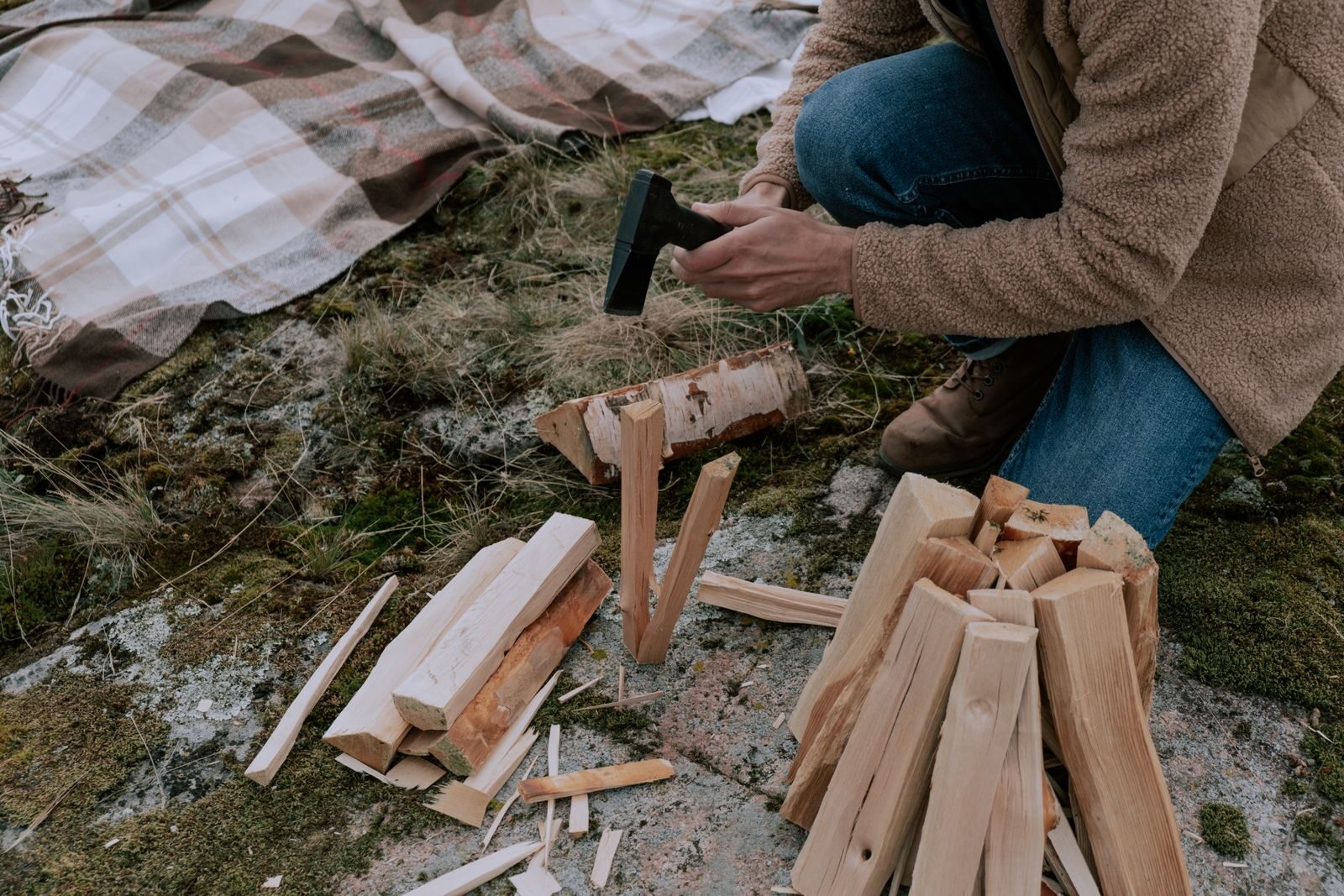
Birch is a decent middle-ranker, easy to light and pleasant to burn, but it holds less heat per log than oak or ash, and it needs drying promptly after cutting or it spoils. Lovely for a cheerful fire, not your top pick for maximum heat.
How can I tell good firewood without a chart?
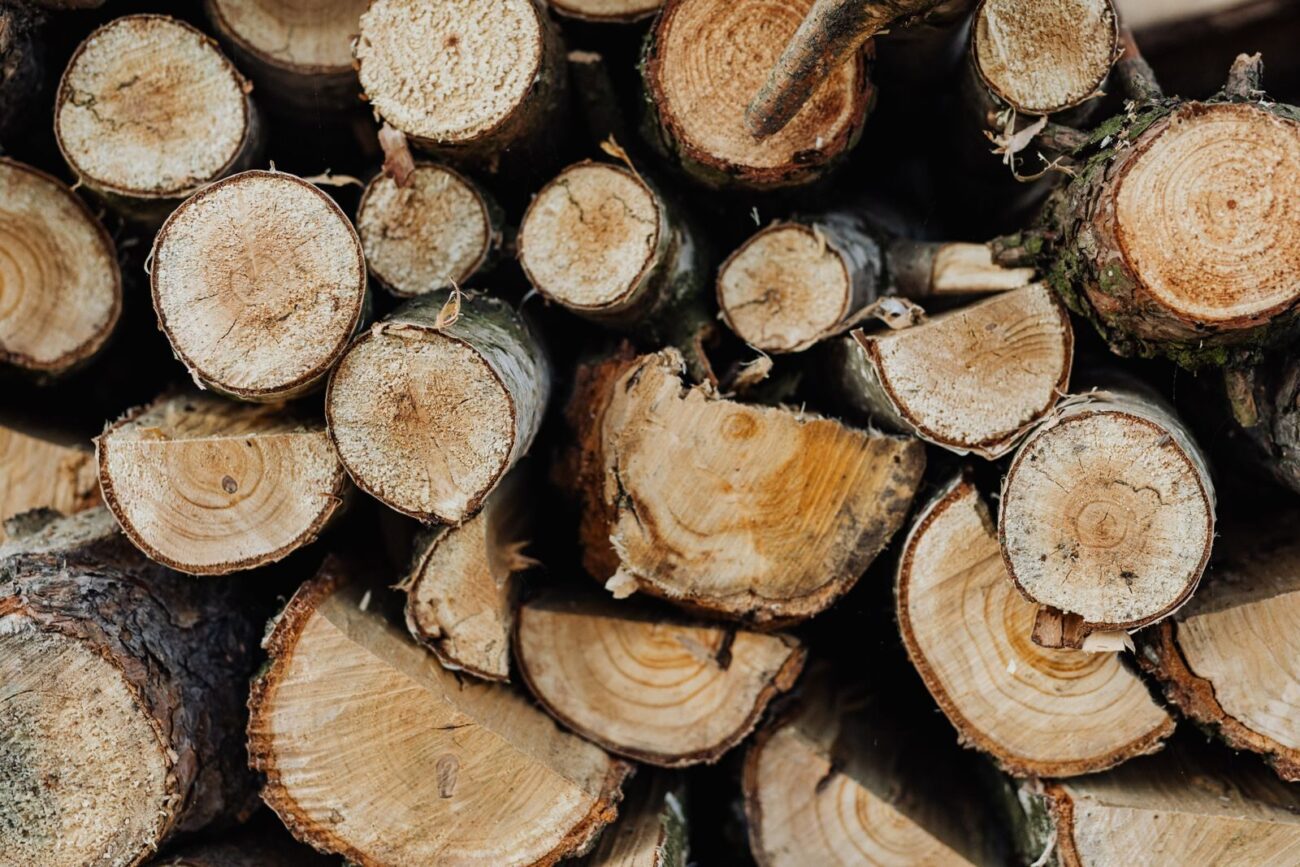
Pick it up. Dense, high-heat wood feels heavy for its size, and well-dried wood has cracks fanning out from the cut ends. Heavy for its size, plus properly dry, is the winning combination, whatever the label says.