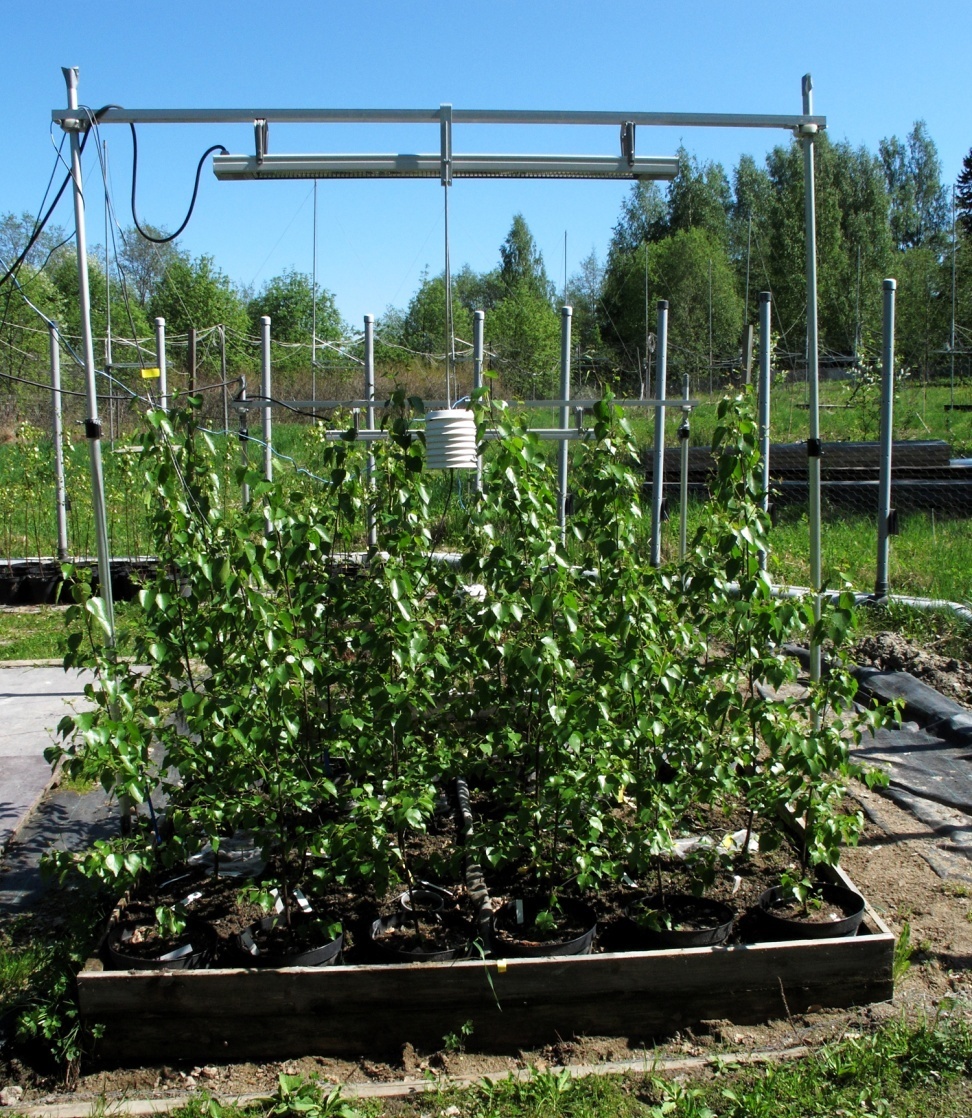
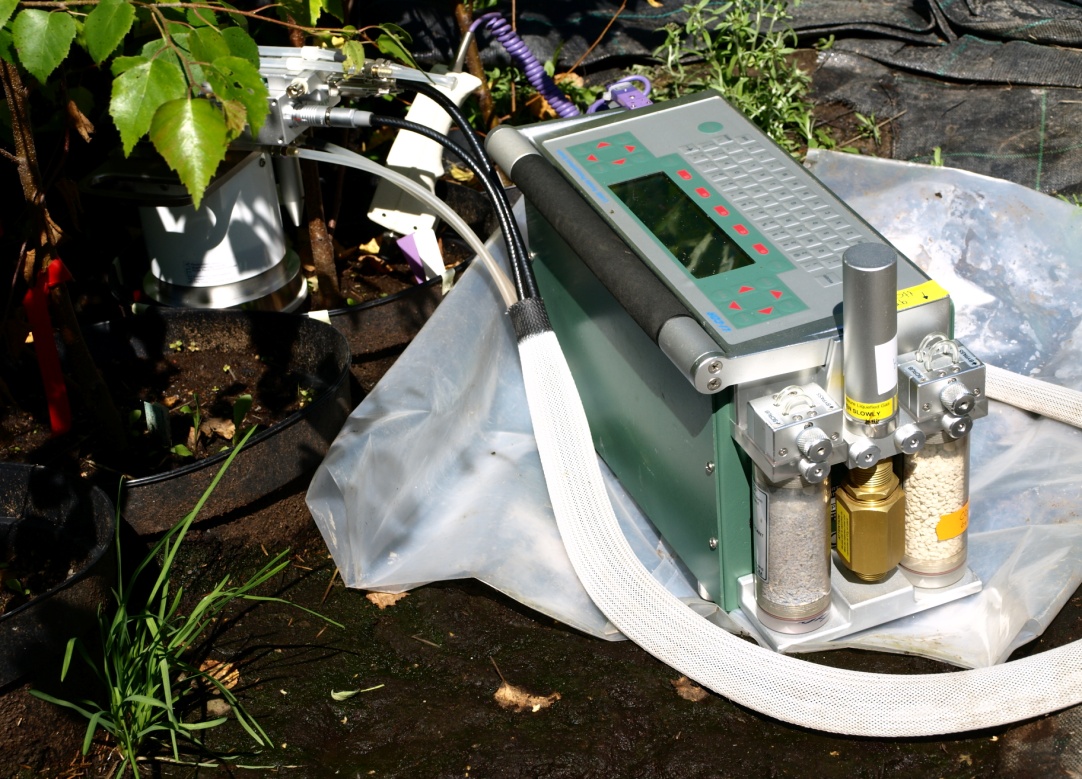
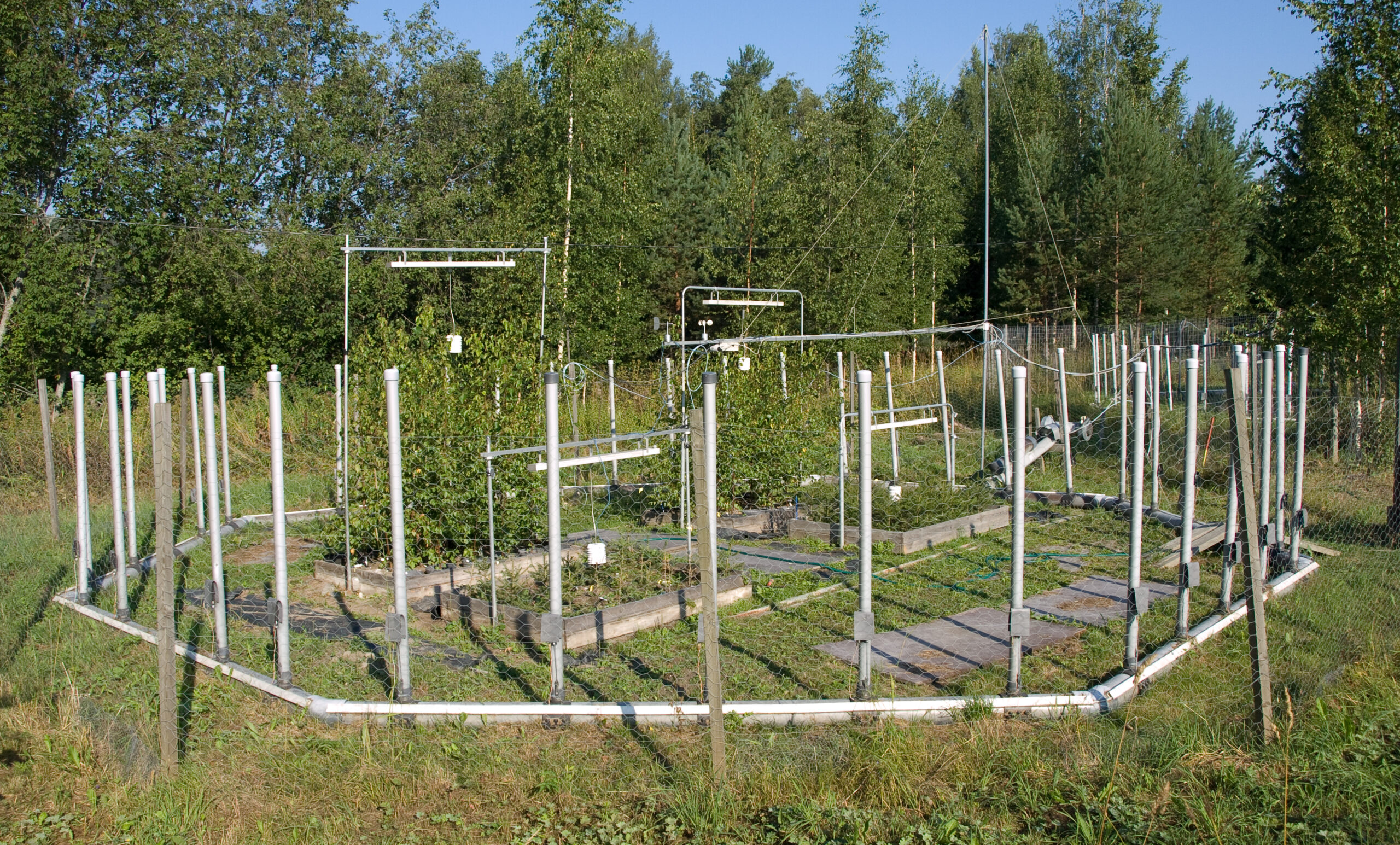
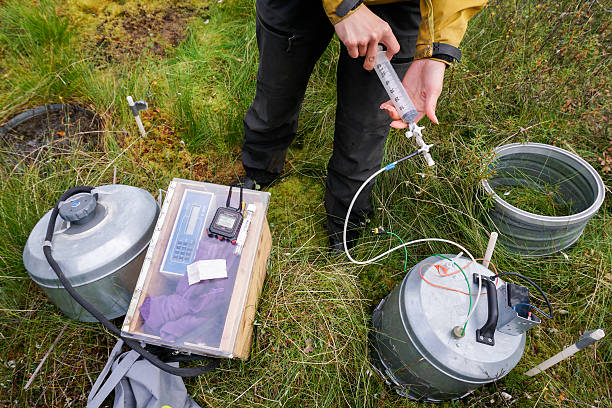
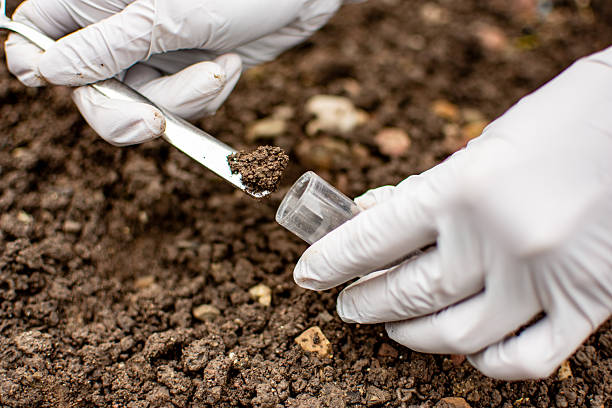




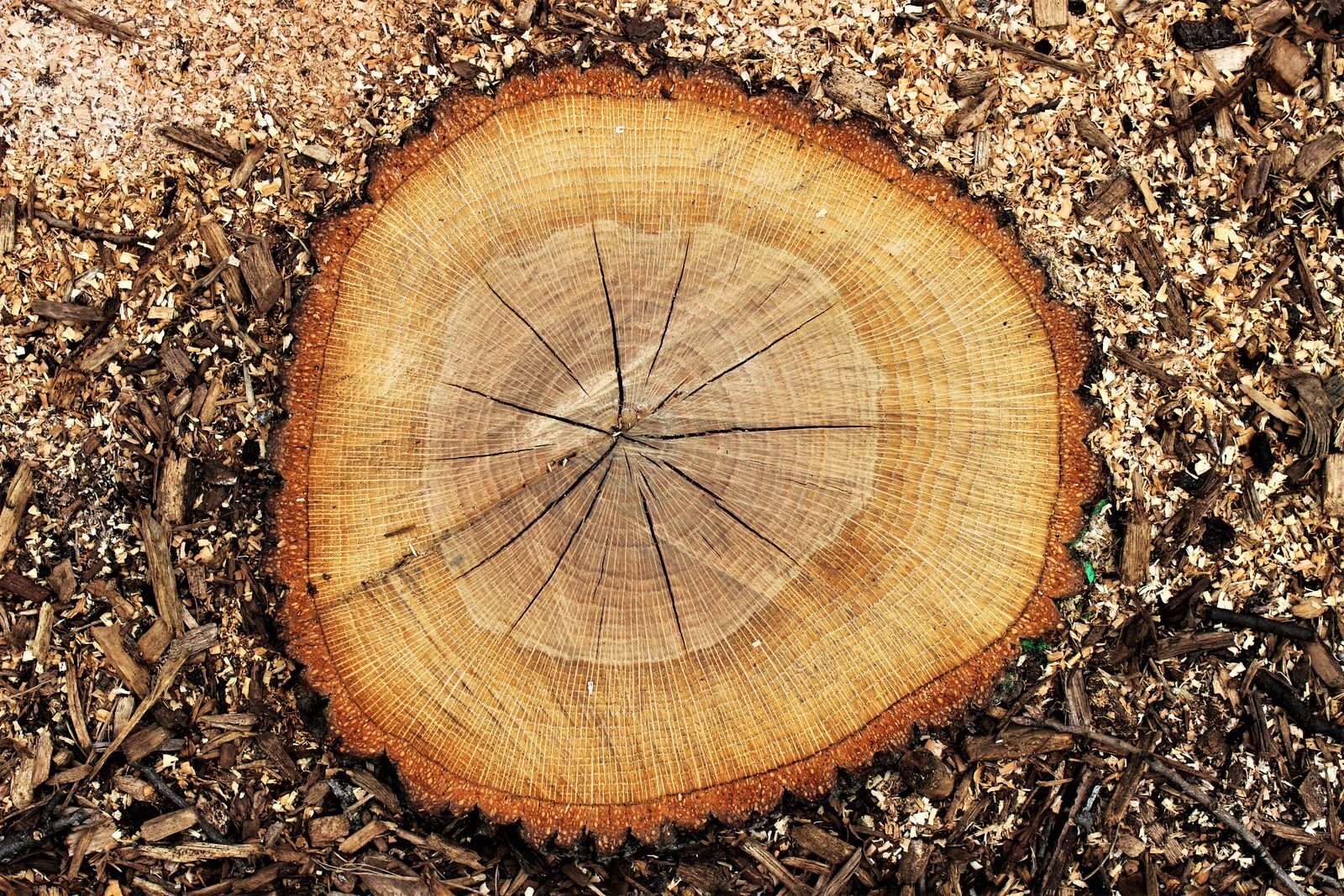
I spent a full growing season measuring how trees grew under environmental stress, and the question that stayed with me long after was not about the leaves.
It was about the wood…
We talk about ground-level ozone as a leaf problem, it slips in through the pores on the leaf surface, harms the tissue inside, and slows photosynthesis. That part is well known. But I kept wondering what was happening lower down, in the stem, where the tree builds the wood that stores its carbon and holds it upright.
Here is what pulled me in…
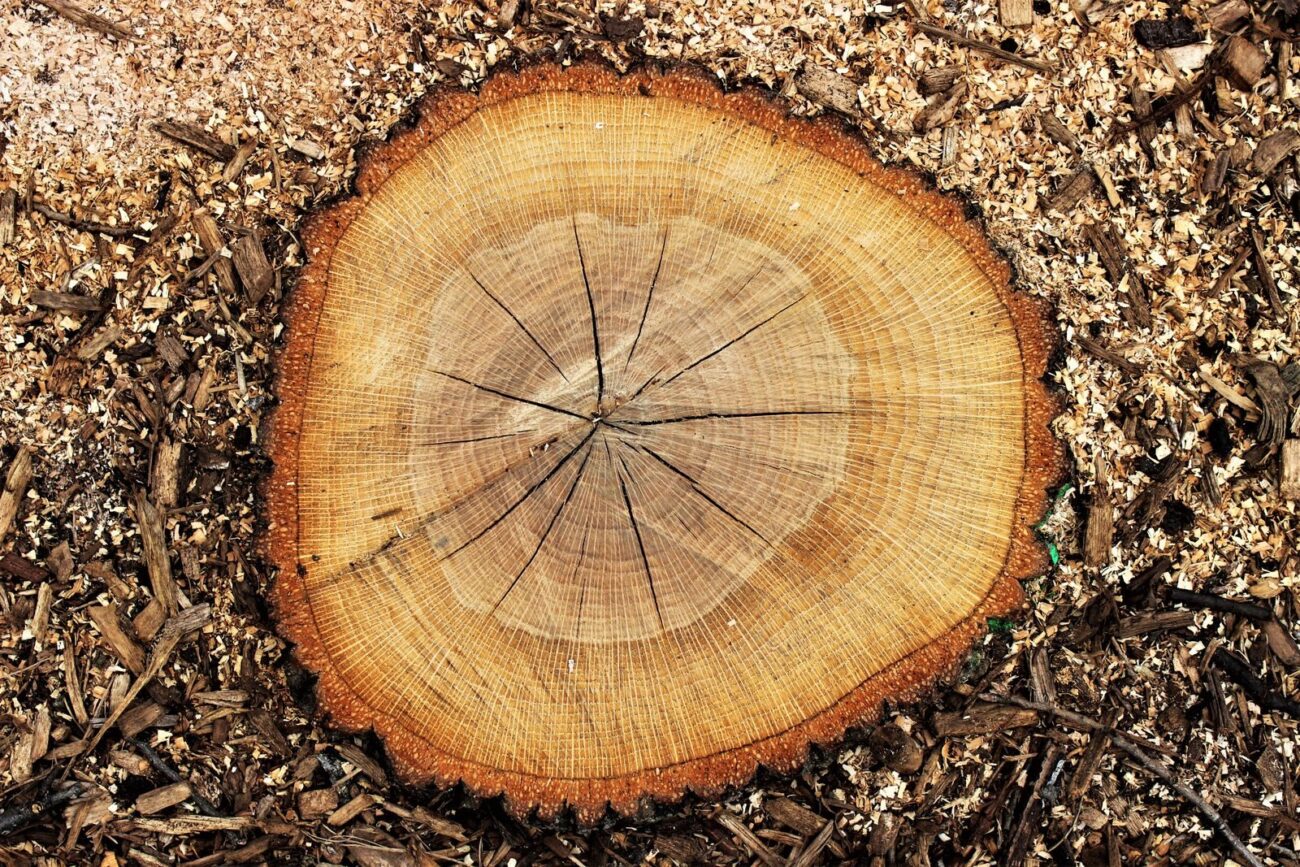
Wood is not a dead building material. It is living tissue, put together cell by cell in a thin growing layer just under the bark, and what it is made of depends on the conditions the tree grows in. When a tree is stressed, the wood it makes can change, not only in how much it produces, but in what that wood is built from. Ozone, it turns out, is one of the stresses that leaves its mark in the wood itself.
So in this article I want to walk you through what the research shows about how ozone changes wood formation, and tell you what I make of it, because a shift in the balance of two ingredients, cellulose and lignin, has consequences most people never think about.
What Wood Is Made Of
To see what ozone does, you need to know what a wood cell wall is built from. Three ingredients do most of the work.
Cellulose is the main fibre. Long chains of sugar that give wood its pulling strength, its resistance to being torn apart. It is the biggest single part of the cell wall.
Lignin is the stiffener. It fills the gaps around the cellulose fibres and glues them together, giving wood its rigidity and its resistance to being crushed. Lignin also holds more energy per gram than cellulose, which is why it turns up again when wood is burned as fuel.
Hemicellulose is a second set of chains that ties cellulose and lignin together.
The balance between these, especially how much cellulose there is compared to lignin, decides a great deal about how the wood behaves: how stiff it is, how dense, how it rots, and how it burns.
What I find striking is that a tree does not build this mix to a fixed recipe. It changes the proportions depending on what it needs and what it can afford, and that flexibility is exactly where stress leaves its fingerprint.
What Ozone Does to Wood Formation
The clearest evidence comes from controlled experiments on hybrid poplar, a fast-growing tree often used to study how wood forms. When young poplars were grown under raised ozone and their wood was analysed, the same pattern kept appearing.
Ozone slowed the whole wood-building process. The growth layer that makes new wood became less active, and both cellulose and lignin production dropped. But the finding that caught my attention is this: cellulose dropped more than lignin did.
A study in the Journal of Experimental Botany found that ozone lowered the cellulose-to-lignin ratio in poplar wood, because cellulose was hit harder than lignin.
Put simply, under ozone the tree ends up building wood with proportionally less cellulose and relatively more lignin than it normally would. The researchers read this as the tree leaning toward lignin over cellulose when ozone is stressing it, to keep growing outward and keep the cell wall strong even as its carbon supply is squeezed.
What I take from that study is how sensible the tree’s response is. Faced with less carbon coming down from damaged leaves, it does not build wood the same way and simply make less of it. It changes the recipe, favouring the cheaper reinforcement. To me that is the interesting part: this is not random damage, it is the tree making an economic decision with a shrinking budget.
A follow-up study that looked at ozone alongside raised carbon dioxide backed this up, lignin content in the wood went up under ozone even though the machinery that makes lignin was itself running slower. The relative rise came mostly from the steeper fall in cellulose.
I think that detail is easy to misread, and worth being careful about: the tree is not making more lignin in some triumphant way. It is making less of everything, and less cellulose most of all, so lignin’s share goes up almost by default. The distinction matters for how we interpret it.
Why This Shift Is Important
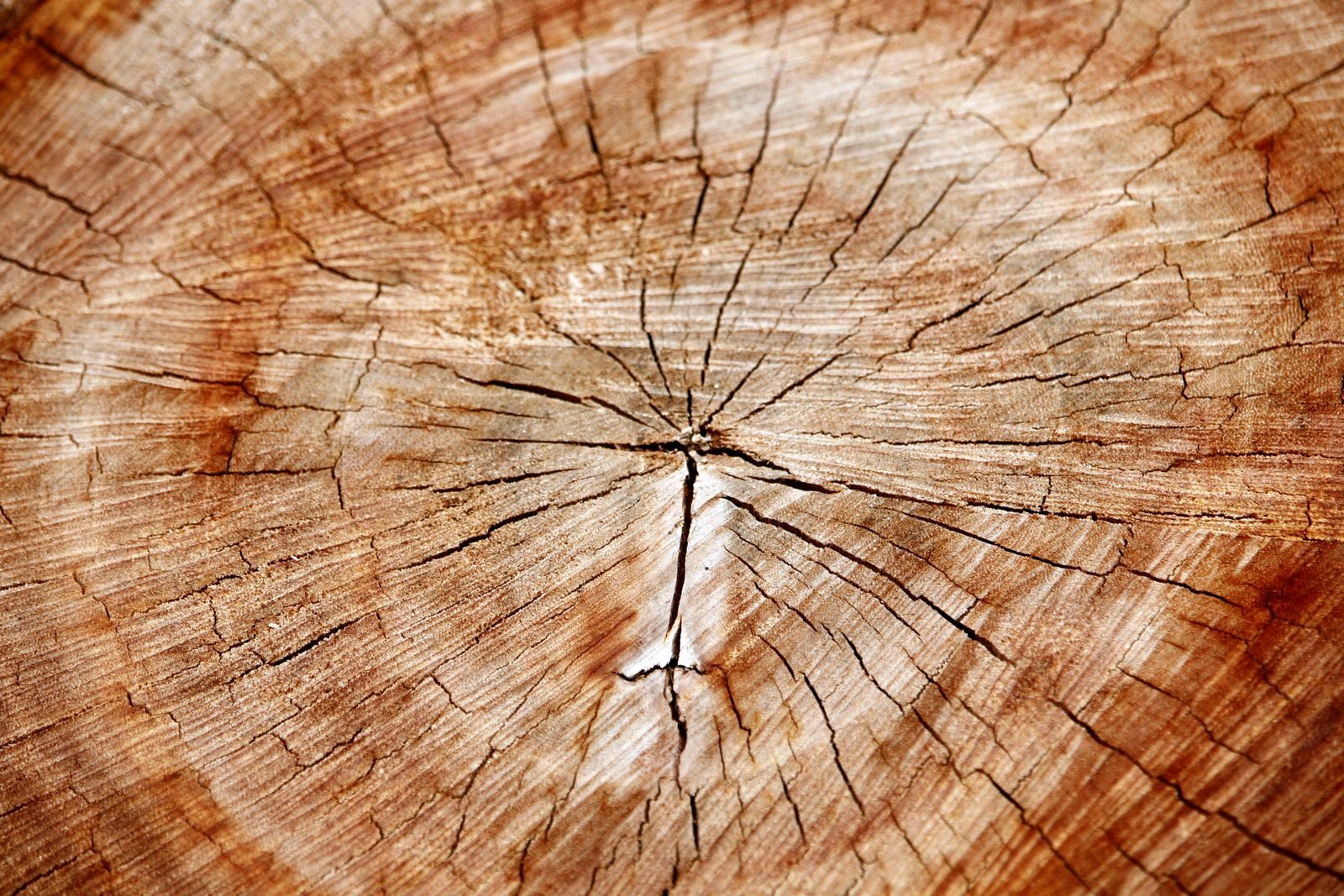
A change in the cellulose-to-lignin balance is not a small detail, and I want to explain why it reaches further than it first appears.
Strength and density.
Cellulose gives wood its pulling strength, lignin gives it stiffness. Change the balance and the wood performs differently. The same ozone research saw a drop in wood density in some of the affected tissue, meaning less cell wall material was being made for a given volume. That stood out to me, because lower-density wood holds less carbon and behaves differently under load, so the effect is not only chemical, it is structural.
How the tree spends its carbon.
Building lignin is costly. But when a tree’s carbon supply is already short because ozone has damaged its leaves, reinforcing the cell wall with lignin can be a cheaper way to keep growing than making more cellulose. This is the part that connects straight back to my own work, because measuring how a tree divides its carbon is exactly what I was doing in the field, and here that same accounting shows up inside the wood.
Rotting, and the longer carbon story.
Lignin resists decay far better than cellulose. Wood with a different cellulose-to-lignin balance breaks down differently after the tree dies, which affects how long its carbon stays locked in the soil. I find this the most thought-provoking part: a change in wood chemistry during one stressed growing season can echo into the carbon cycle for years after the tree is gone.
Where My Own Work Connects
I should be clear about what I did and did not do. My field research did not measure wood chemistry directly, my focus was growth and carbon allocation, tracking how trees under stress split their resources. So I am not reporting my own lignin measurements here. What I can tell you is where this literature met my own experience and why it grabbed me.
When you record how much a stem thickens under stress, season after season, you are watching the outward result of all these hidden choices, how much cellulose, how much lignin, how much cell wall for a given volume.
Measuring that growth is what made me want to understand the chemistry underneath it, and reading these poplar studies gave me the answer I was reaching for. What struck me most is how one stress, ozone, reaches all the way from the leaf where it gets in, down to the recipe of the wood in the trunk. Under ozone the tree is not simply growing less. It is building slightly different wood.
That is the part I find most compelling about this whole field. A gas that forms in the air on a sunny afternoon, out of traffic fumes and sunlight, ends up changing the cellulose-to-lignin balance deep in a tree’s trunk, altering its strength, its density, and how its carbon will one day return to the soil.
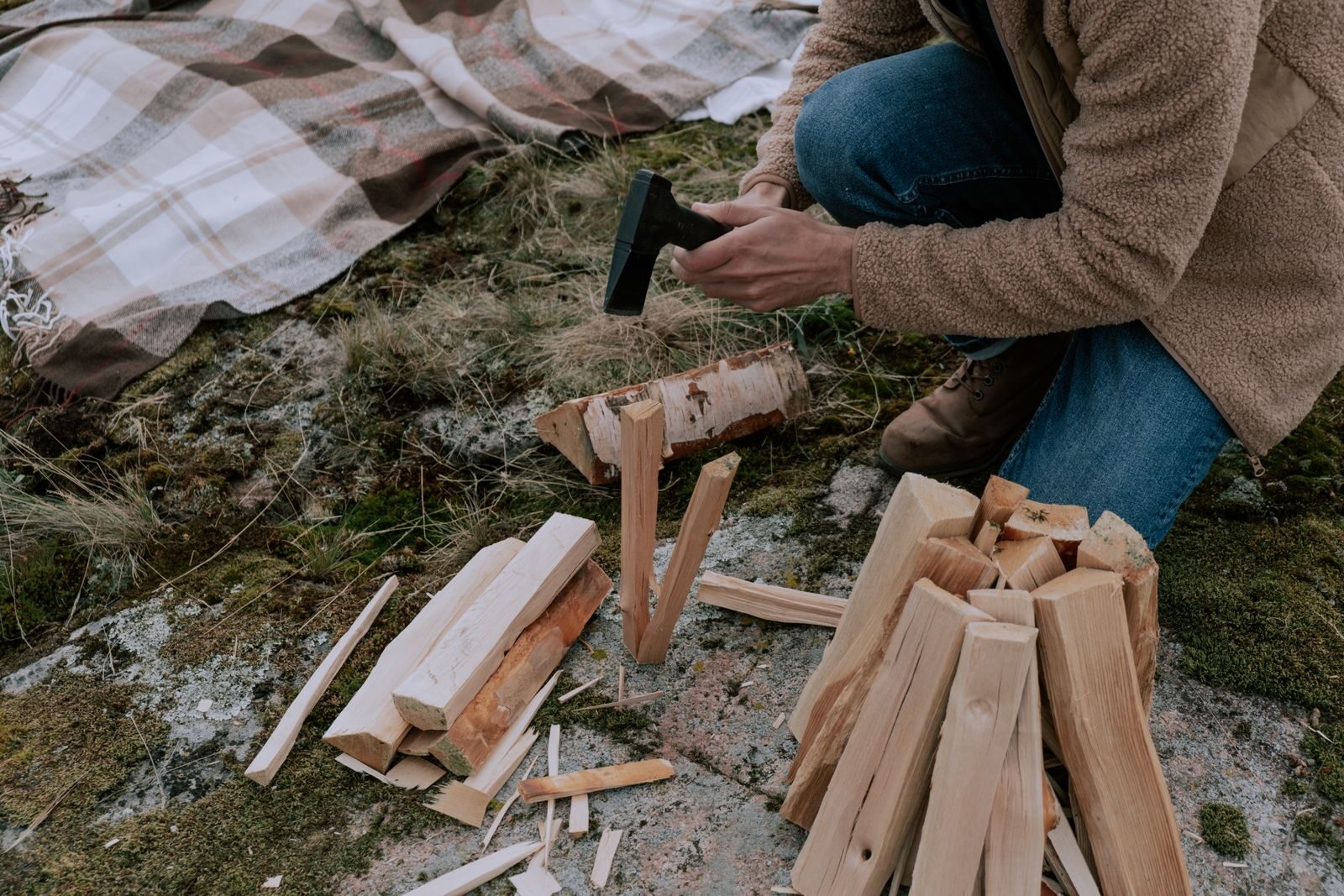
The line from the air to the wood is far more direct than most people would ever guess, and once you have measured trees under that stress yourself, you do not see a woodpile or a forest quite the same way again.
What This Means for Our Forests
I want to end with a fair word of caution, because I think it is easy to overstate this. The research on ozone and wood is still fairly thin. Most of it has been done on fast-growing model trees like poplar under controlled conditions, and the effects are not always simple or lasting.
Some studies find the lignin shift shows up at one stage of growth and fades later. Real forests, with their mix of species, ages, and overlapping stresses, are far more complicated than any chamber experiment, and I would not want anyone to take these poplar results as the last word.
But the core finding holds, and it is the thing I keep coming back to: ozone does not stop at the leaf. It reaches into the wood-building machinery of the tree and changes the material the tree makes.
With background ozone staying stubbornly high across much of the world, and hot summers pushing it higher, this quiet effect on the wood of our forests, on its strength, its density, and its stored carbon, deserves far more attention than it currently gets.