




You paid for “seasoned” firewood…
So why does it hiss, steam, and smoke instead of burning hot?
The word “seasoned” is one of the most misused in wood-burning, and the wood in your stack may be nowhere near ready. You do not have to take anyone’s word for it, though. You can tell for yourself in seconds, with checks that never lie.
Let me show you how, and explain the one thing that counts far more than how long the wood has sat.
What “Seasoned” Really Means (And Why the Word Is Almost Useless)
Seasoning just means drying. Fresh-cut wood, called green wood, is heavy with water, often 40 to 50 percent of its weight. Seasoned wood has dried until that water drops below 20 percent, which is the point where it burns hot and clean instead of wasting its heat boiling off moisture.
So far so simple…
Here is the problem: the word “seasoned” has no legal definition and no quality standard behind it in most places. One supplier who splits and stacks wood properly for eighteen months sells you something genuinely dry. Another cuts a tree last month, leaves it in a heap, and calls it “seasoned” because someone told them a few months is enough. Same word, completely different wood.
That is why two loads of “seasoned” firewood can burn so differently, and why you cannot trust the label. You have to read the wood itself. (The one exception is the UK, where wood sold in small volumes must legally meet a “Ready to Burn” standard of under 20 percent moisture. Even then, poor storage after you buy it can undo that.)
The Thing That Matters More Than Time: Splitting
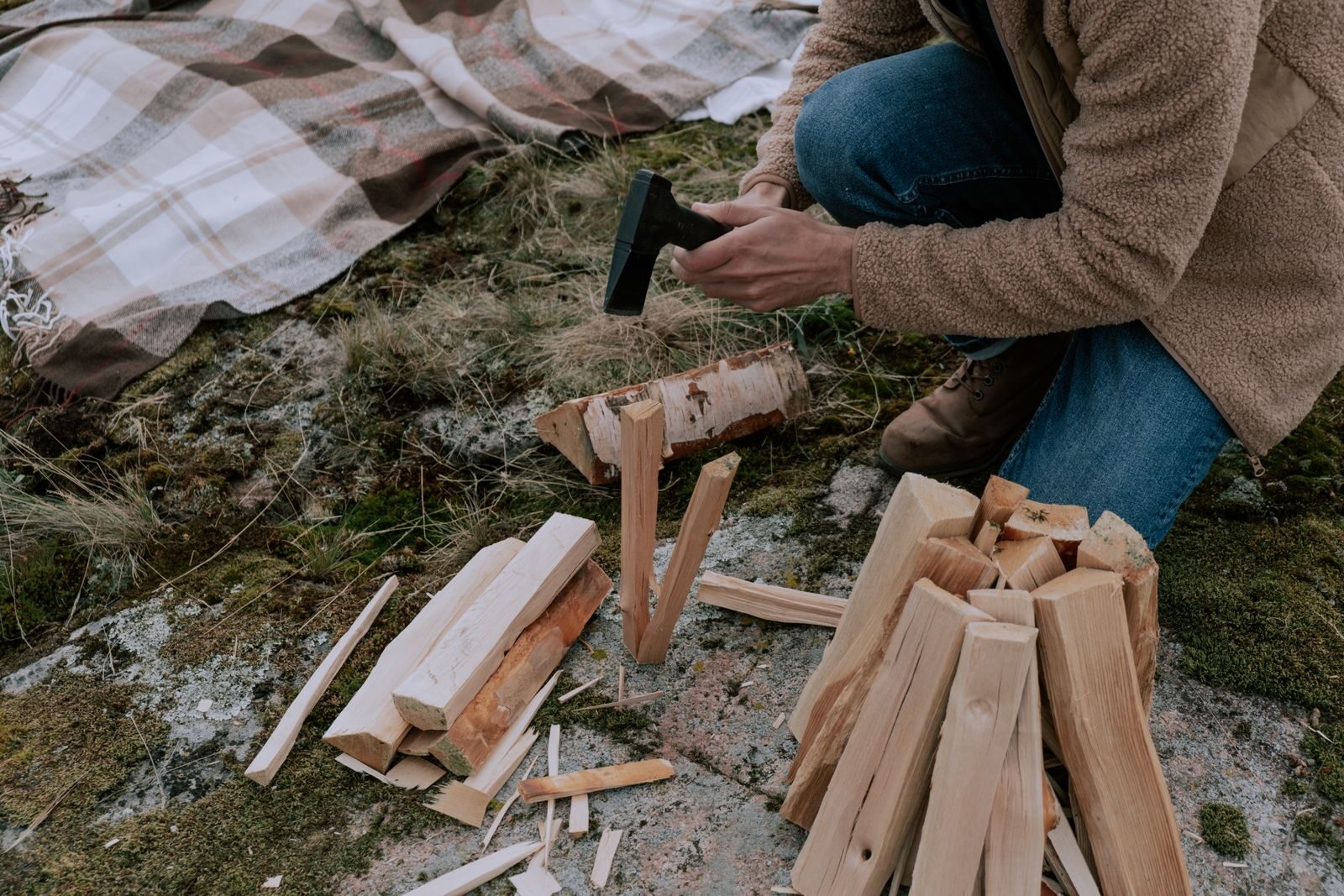
Here is the fact that changed how I think about seasoning, and that almost no “leave it a year” advice mentions. Wood does not dry through its bark. It dries through the exposed faces where it has been cut and split.
A University of Maryland study found that hickory logs left unsplit for a full year still held over 30 percent moisture, far too wet to burn well, while split pieces dried far faster. A whole round log, bark intact, can sit for a year and barely season at all, because the water has almost no way out.
So time is not the thing that dries wood. Surface area is. A log split into quarters has far more exposed face for water to escape from than the same log left whole. This is why “it’s been sitting two years” means little if the wood was never split. The clock only really starts when you split it.
That is also why, as an environmental biologist, I do not think of seasoning as simply waiting. I think of it as giving the water a way out. Split the wood, expose the faces, stack it so air can move through, and the moisture leaves. Leave it whole in a pile and it just sits there, wet inside, however many seasons pass.
How to Tell If Your Firewood Is Seasoned: Five Checks
You do not need a lab. These checks, used together, tell you whether wood is ready.
1. Look at the ends.
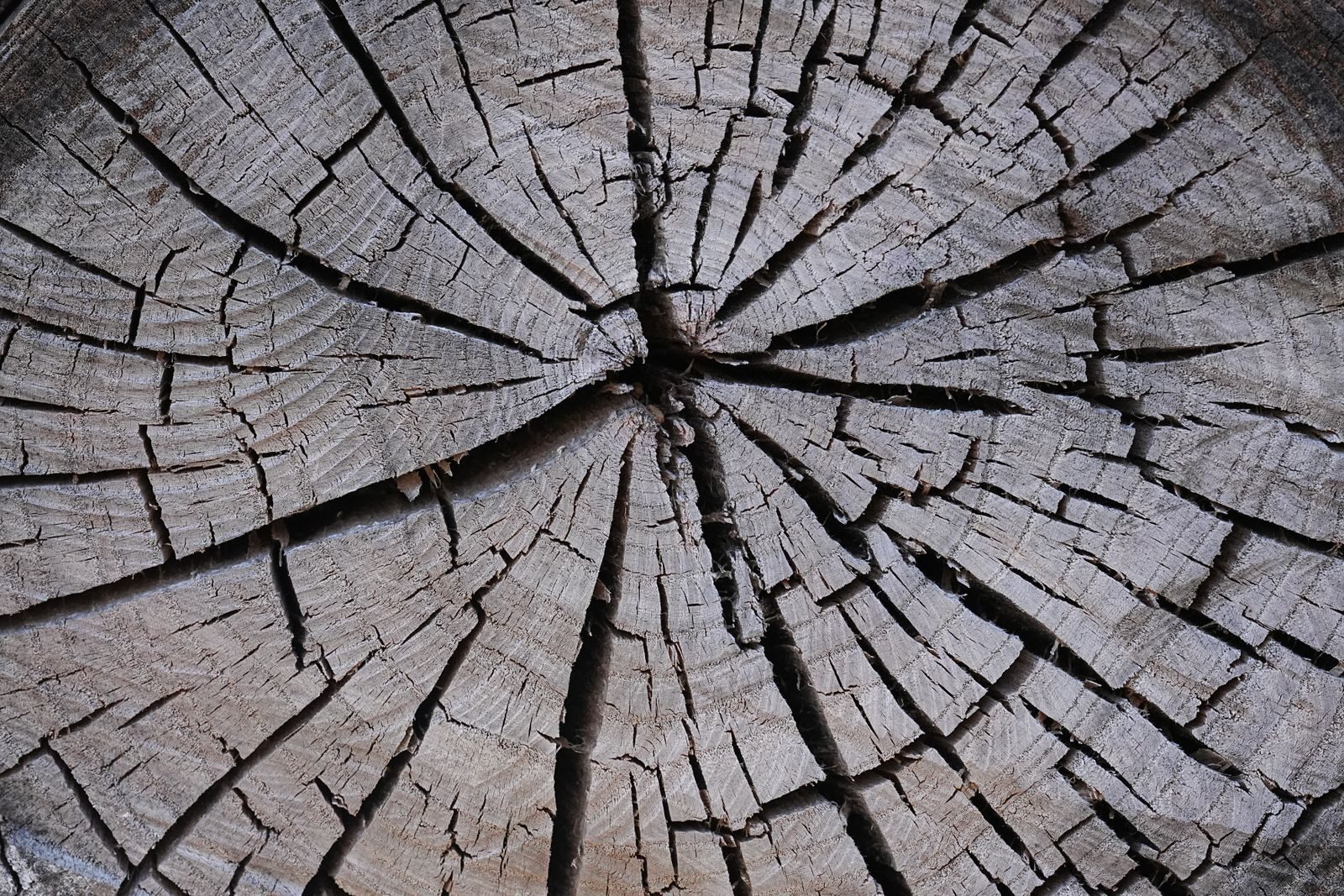
Seasoned wood develops cracks or splits radiating out from the centre of the cut end, like spokes on a wheel. Green wood has smooth, tight ends. Cracks are a good sign, though not proof on their own.
2. Check the weight.
Dry wood is surprisingly light for its size, because the water has gone. A log that feels heavy and dense for its size is still holding water.
3. Knock two pieces together.
Dry, seasoned wood gives a sharp, hollow, ringing crack. Wet wood makes a dull, heavy thud.
4. Look at the bark and colour.
On seasoned wood the bark is often loose and easy to peel, and the wood has faded from fresh pale yellow-white to a duller grey or brown. Green wood has tight bark and bright, fresh colour.
5. Burn a test piece.
A genuinely seasoned log catches quickly and burns with a clean, lively flame. If it hisses, sizzles, bubbles at the ends, or steams, it is still wet, no matter what you were told.
No single check is foolproof. But if the ends are cracked, the wood is light, it rings rather than thuds, the bark is loose, and it burns clean, you have seasoned wood.
The Check That Settles It: A Moisture Meter
The five checks above are good, but they are all judgement calls. If you want certainty, a moisture meter removes the guesswork completely. It is a cheap tool that reads the water content directly, and it is the only way to know for sure.
The trick is using it right: split a log open and test the freshly exposed inner face, in the centre, not the dry outer surface, which reads misleadingly low. Under 20 percent means ready to burn.
Above 25 percent means it needs more time. I have written a full guide to choosing and using one here, which is worth a read if you buy or burn much wood: firewood moisture meter buying guide.
How Long Does Seasoning Actually Take?
Once the wood is split and stacked properly, most firewood needs 6 to 12 months to season. But it depends on a few things.
Wood type. Dense hardwoods like oak take longest, often 12 months to two years. Lighter softwoods like pine dry faster, sometimes in 4 to 8 months.
When you start. Split and stack in spring, and the wood gets a full warm, dry summer to season, the fastest drying weather of the year. Cut in autumn and it sits damp through winter, barely drying until the following spring.
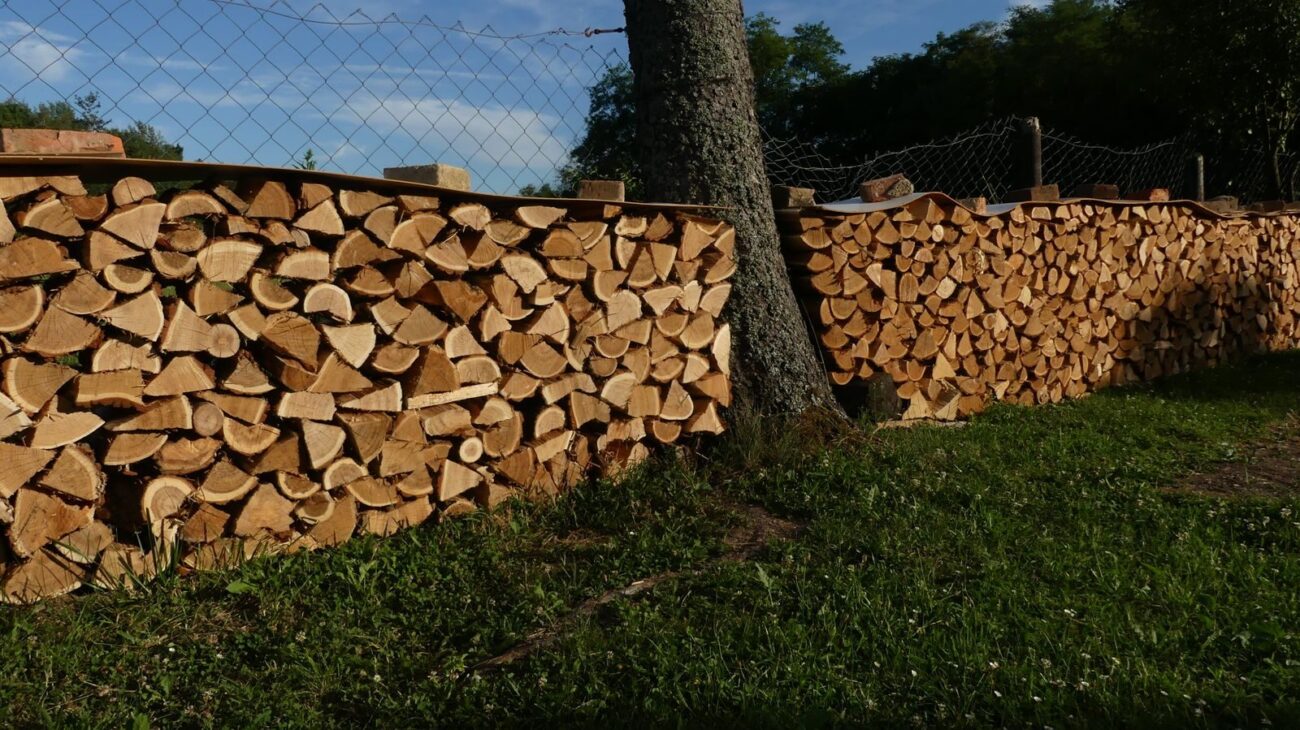
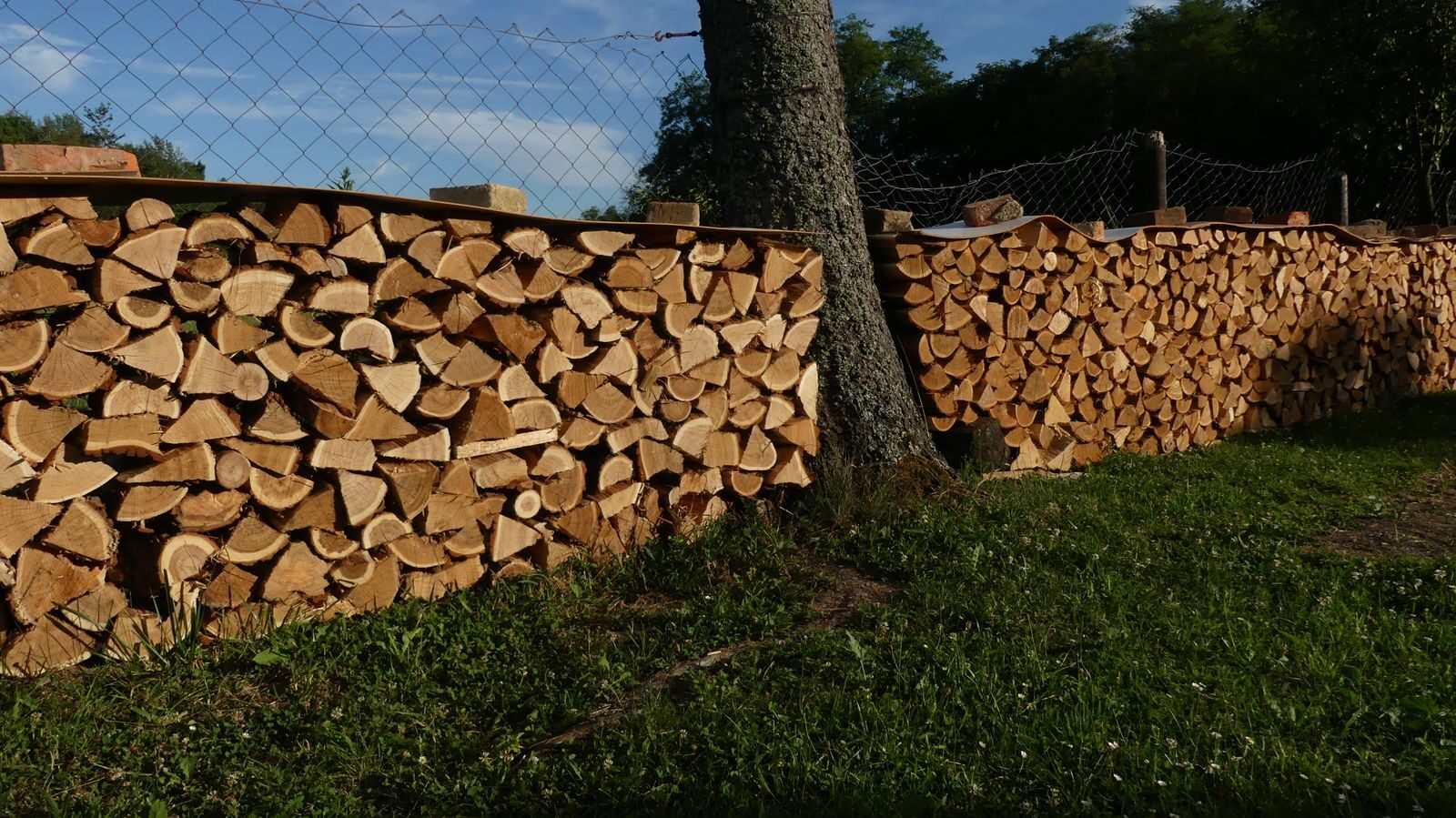
Storage. Stacked off the ground, with air moving through, and a cover over the top but open sides, wood dries well. Piled on the ground or sealed under a tarp, it stays wet or even rots.
The rule most wood-burners live by: always be seasoning next year’s wood. Stay a season ahead and you will never be forced to burn wet wood when the cold arrives.
Frequently Asked Questions
How can I tell if firewood is seasoned?
Check several things together: the cut ends should have cracks radiating from the centre, the wood should feel light for its size, two pieces knocked together should ring rather than thud, and the bark should be loose. A moisture meter on a freshly split face confirms it, under 20 percent means ready.
How long does firewood take to season?
Once split and stacked with good airflow, most firewood needs 6 to 12 months. Dense hardwoods like oak can take 12 months to two years, while light softwoods can be ready in 4 to 8 months. Starting in spring gives the wood a full summer to dry.
Does firewood dry faster split or whole?
Split, by a wide margin. Wood dries through its exposed cut faces, not its bark, so a whole round log can sit for a year and still be far too wet, while the same log split into pieces dries much faster. Splitting is the single biggest thing you can do to speed seasoning.
Can firewood be too dry to burn?
Not really, for practical purposes. Very dry wood burns hot and fast, which is fine. The only issue with very old wood is if it has been left exposed for years and started to rot, which reduces its heat. Protected dry wood is good to burn.
Will wood burn at 25% moisture?
It will burn, but poorly. At 25 percent a lot of the fire’s energy goes into boiling off water rather than heating your room, so you get less heat, more smoke, and more creosote in your chimney. Aim for under 20 percent.
Should seasoned firewood have bark?
It can, but on well-seasoned wood the bark is often loose and peels away easily, whereas green wood has tight bark. Bark on the split faces is not the issue; wood dries through the split surfaces regardless. Loose, peeling bark is a mild sign of dryness.
Does firewood season in winter?
Very slowly. Cold air and higher humidity mean winter drying happens at perhaps 10 to 20 percent of the summer rate. Wood mostly waits through winter and does its real drying in the warm months, which is why starting in spring matters.
