



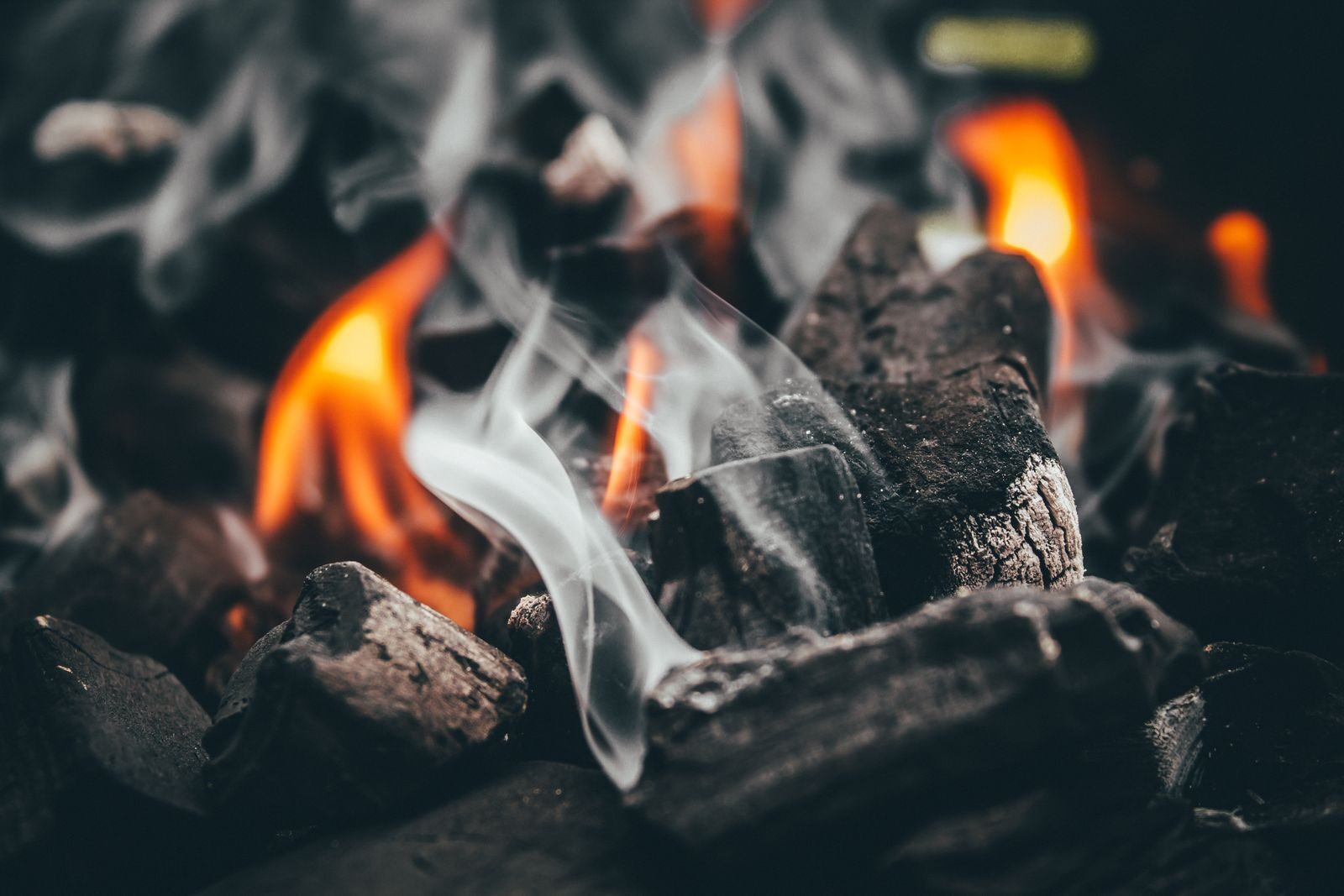
Why does a fire you built perfectly still sit there hissing, smoking, and refusing to catch?
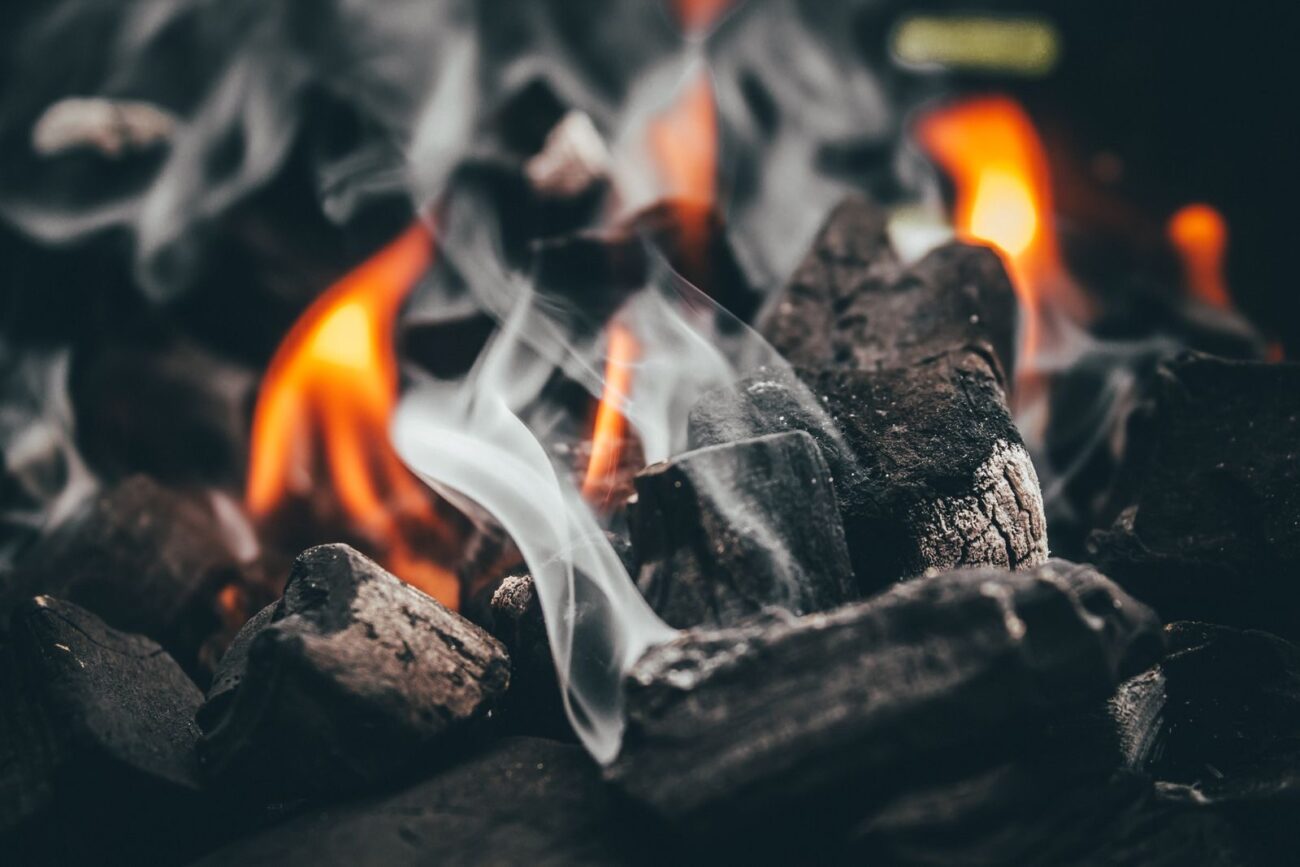
You did everything right. Kindling, firelighter, logs stacked with care. And still it just steams, blackens at the edges, fills the room with smoke, and gives off almost no heat. So you add more kindling, you poke at it, and it stubbornly sulks.
Here is what is almost certainly going on, and it is one thing, not your fire-building. Your wood is wet. Maybe not wet to the touch, but wet inside, where you cannot see it. And I can tell you exactly why that stops it burning, because it comes down to a number I know well from studying how plants build themselves and how much energy hides in the water they hold.
The One Thing Almost Always to Blame
Wood that will not burn is nearly always wood that is too wet, even when it feels dry on the outside.
Here is why that matters so much…
Before wood can burn, every drop of water inside it has to be boiled off first. And boiling water takes a surprising amount of energy. For every single kilo of water locked in your logs, around 2.44 megajoules of energy are spent just turning it to steam, before you get any usable heat at all.
Think about what that means for a wet log. Your fire is not warming your room. It is working flat out to dry the wood, using the fire’s own heat to evaporate the water. That is the hissing and steaming you hear. That is why the log blackens but never really catches. The energy that should be heating your house is going up the chimney as water vapour.
This is not a small effect…
Freshly cut “green” wood can be nearly half water by weight. Burn that and most of your fire’s energy is wasted boiling water. Properly dried wood, at around fifteen to twenty percent moisture, has very little water to shift, so the fire’s energy goes where you want it: into heat.
So the question is never really “why won’t it burn.” It is “how much water is still in there.”
How to Tell If Your Wood Is Too Wet
You cannot judge this by touch alone, because the outside dries long before the inside does. Here are the honest checks.
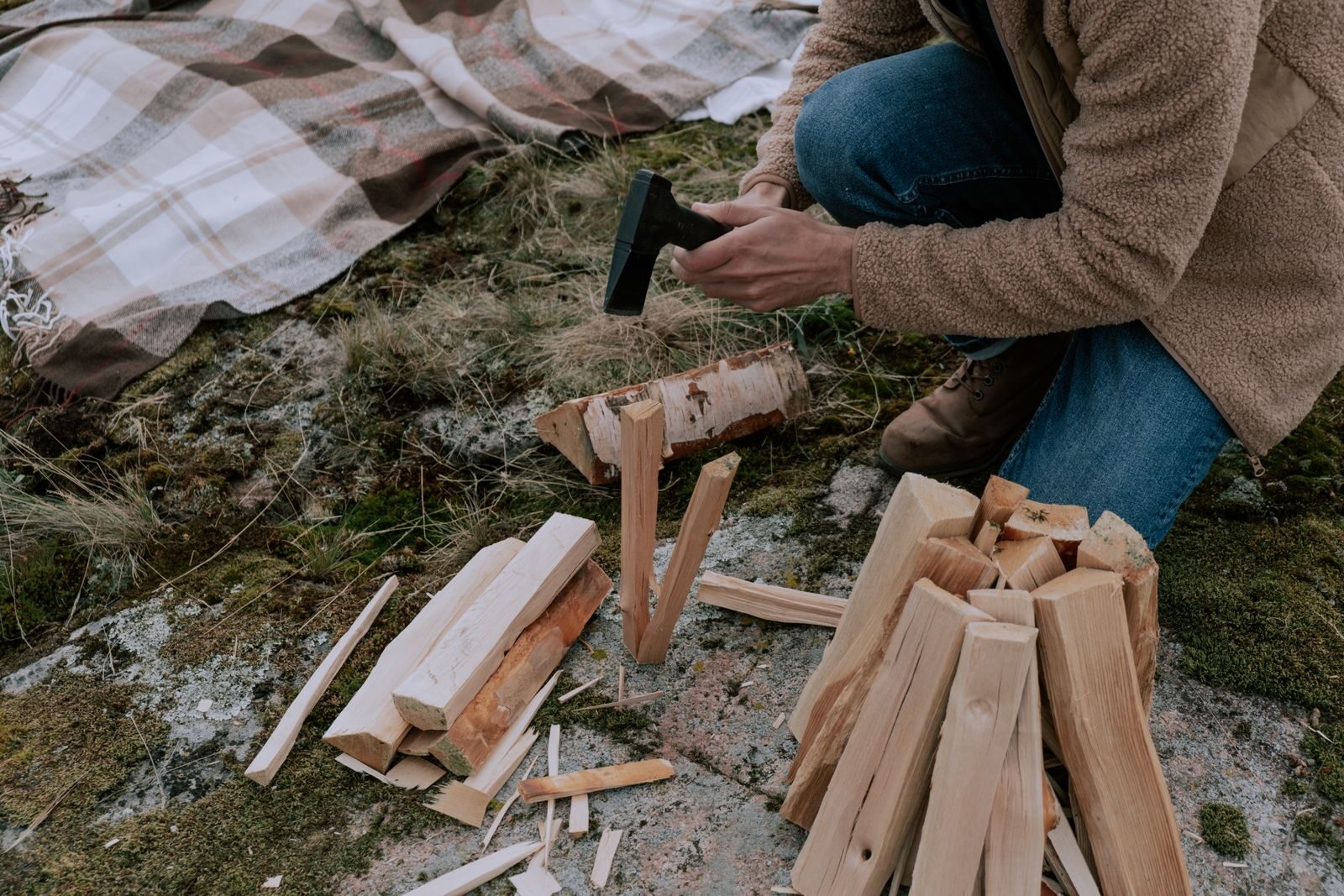
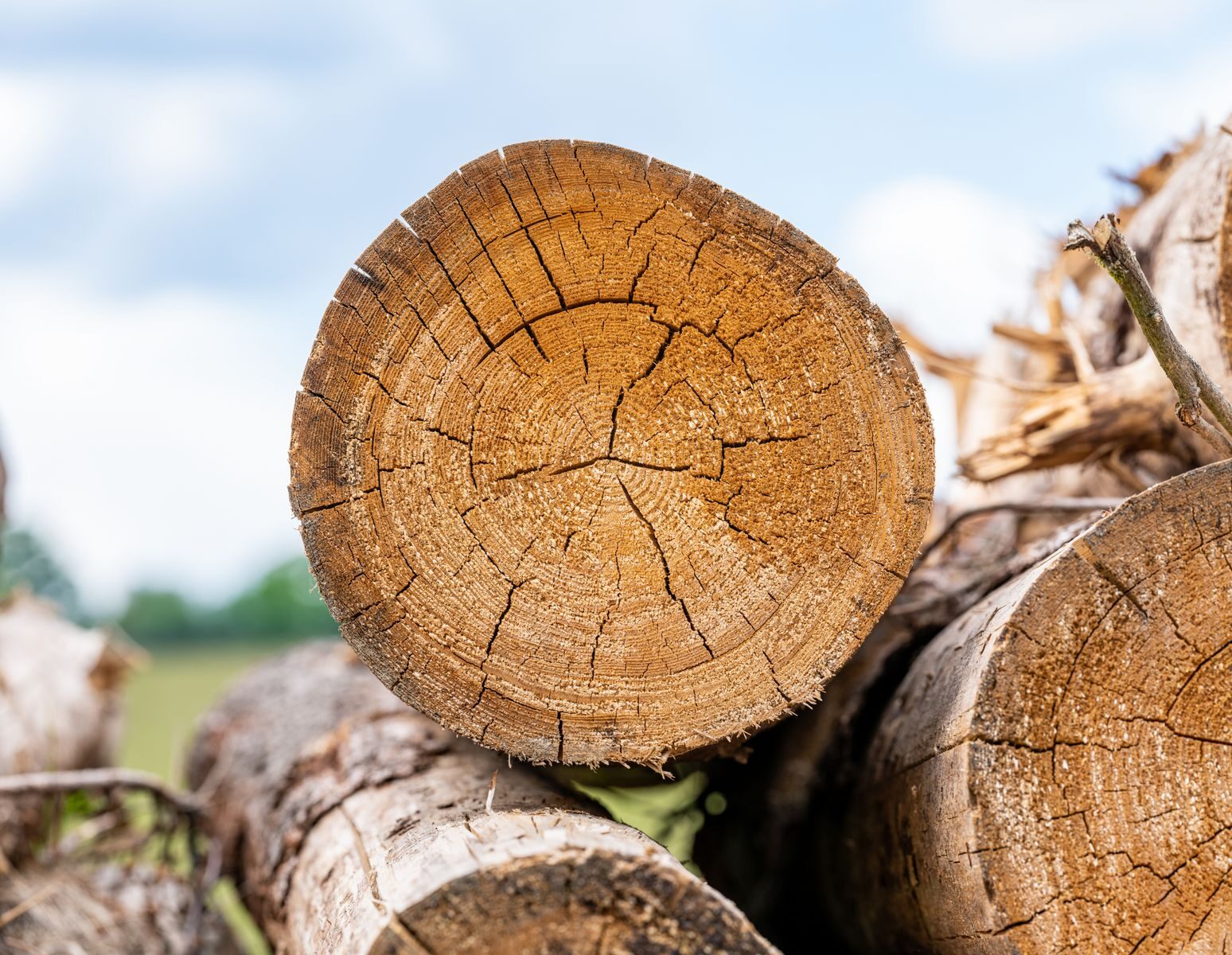
Look at the ends.
Well-dried logs develop cracks radiating out from the centre of the cut end, like spokes on a wheel. Damp wood has smooth, tight ends with no cracks.
Knock two pieces together.
Dry wood gives a sharp, hollow crack. Wet wood makes a dull, heavy thud.
Check the weight.
Dry wood feels surprisingly light for its size. If a log feels heavy and dense, it is holding water.
Look and listen when it burns.
A fire that hisses, sizzles, bubbles at the log ends, or steams is telling you plainly the wood is wet. Dry wood catches quickly and burns with a clean flame.
Or just measure it.
A cheap moisture meter, pushed into a freshly split face, reads the water content in seconds. Anything under twenty percent is good. Over twenty-five and you have found your problem.
Why “Seasoned” Wood Often Isn’t
Here is the trap that catches a lot of people. You bought wood sold as “seasoned,” so you assumed it was ready. Often it is not.
Seasoning just means drying, and drying takes real time. Split logs stacked with air around them need roughly one to two years to dry properly, longer for dense hardwoods. Wood sold as “seasoned” has sometimes only sat a few months, which is nowhere near enough.
And even properly dried wood soaks moisture back up if it is stored badly, left uncovered in the rain, or stacked tight against the ground with no airflow. So “I was sold seasoned wood” does not mean the wood in your grate tonight is dry.
How to Fix It
-Test before you blame the fire.
Do the crack, knock and weight checks, or use a moisture meter. Confirm whether water is really the problem before you change anything else.
-Bring wood inside days ahead.
Stack the logs you plan to burn indoors, somewhere warm and airy, for several days or more before you need them. This drives off surface damp and warms the wood, and it lights far better.
-Split it smaller.
Water escapes from the exposed faces of a log, not through the bark. Splitting damp logs into smaller pieces opens up more surface and lets them dry faster and burn better.
-Store it properly for next time.
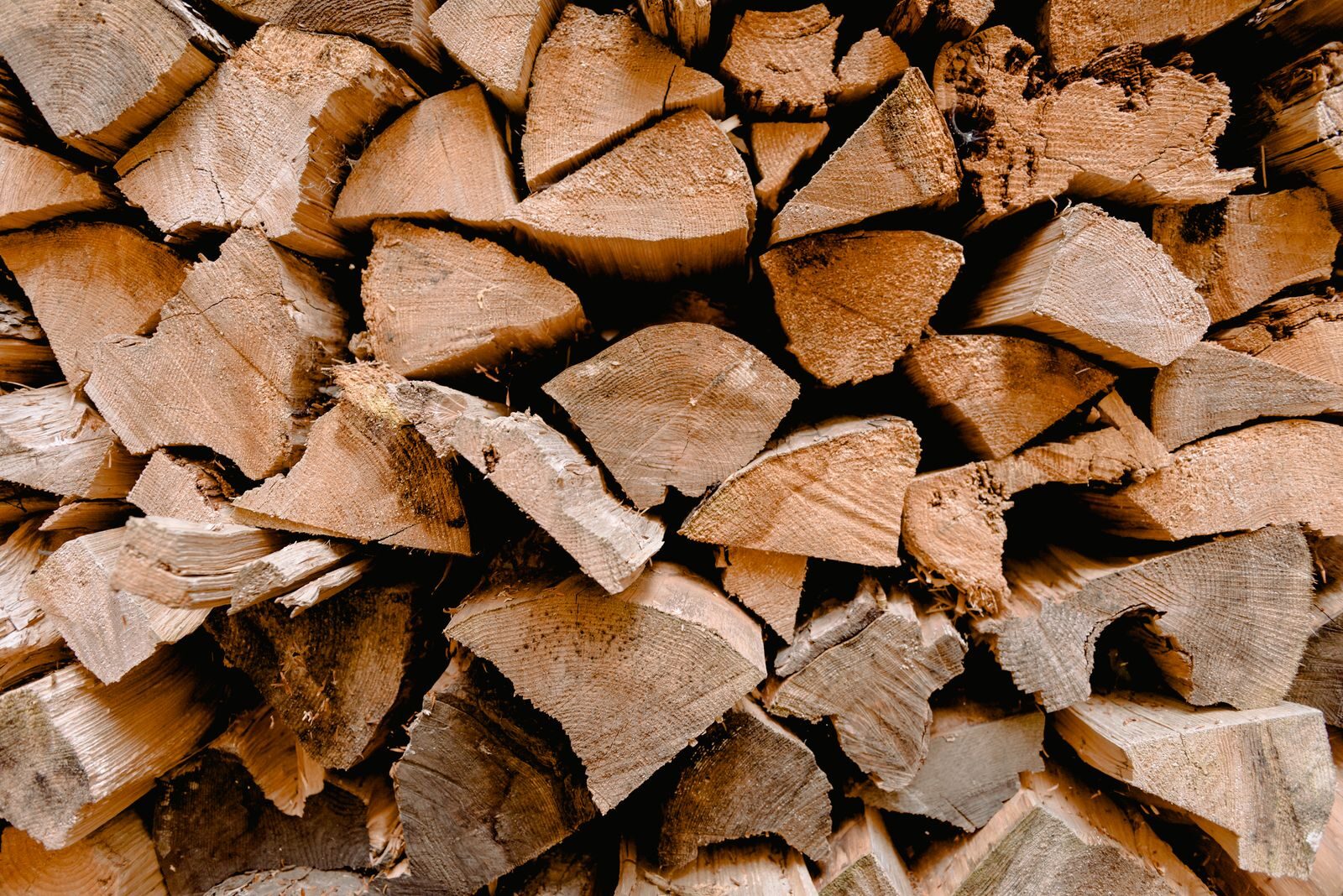
This is the real fix. Stack wood off the ground, with gaps for air to move through, under a cover that keeps rain off the top but leaves the sides open. Give it a year or two. Dry wood is made by patience, not by buying a label.
-Buy on moisture, not on words.
If you buy wood, ask for the moisture content, not just whether it is “seasoned.” Kiln-dried wood is reliably under twenty percent. Anything sold damp needs to be stored and dried before it will heat your home.
-Get the fire hot first, then add the bigger logs.
Even good wood burns poorly thrown onto a cold, weak fire. Build a strong, hot base with kindling and small dry pieces before adding larger logs.
Why I Can Tell You This With Confidence
My background is in plant biology and biogeochemistry, the study of how plants build themselves and how carbon and water move through them. A log is not a simple block of fuel. It is a once-living structure that was full of water, and understanding how much water wood holds, and what it costs to remove it, is exactly the kind of thing that training covers.
That 2.44 megajoules per kilo of water is the heart of the whole problem, and it is why I do not blame people’s fire-building when their wood will not catch. You cannot out-technique wet wood. The physics is against you. The fire has to spend its energy boiling water before it can give you heat, and if there is enough water in there, it never wins.
So do not fight the fire. Fix the fuel. Get your wood genuinely dry, and burning it well stops being a struggle. That is the honest answer, and it is the one the fuel itself tells you.
Frequently Asked Questions
Why is my firewood turning black but not burning?
The wood is too wet. Instead of catching, the fire’s energy is being spent boiling off the water inside the log, which chars the surface without letting it burn properly. Dry the wood out and it will catch cleanly.
Why does my firewood hiss and steam?
That hissing and steaming is water inside the wood being boiled off by the fire. It is the clearest sign your wood is too wet. Genuinely dry wood does not hiss.
How dry does firewood need to be?
Aim for below twenty percent moisture content. At that level there is little water to boil off, so the fire’s energy goes into heat rather than evaporation. Above twenty-five percent, wood burns poorly and smokes.
I was sold “seasoned” firewood, so why won’t it burn?
“Seasoned” only means dried, and it is often not dried enough. Some wood sold as seasoned has only had a few months, when it needs one to two years. It may also have soaked up moisture again in storage. Test it rather than trusting the label.
How long does firewood take to dry?
Split and stacked with good airflow, most wood needs one to two years, with dense hardwoods at the longer end. There is no shortcut with time, though splitting smaller and storing well helps it along.
Can I dry firewood faster?
You can help it along by splitting it smaller, stacking it with plenty of airflow, keeping rain off, and bringing the next few days’ worth indoors somewhere warm. But bulk drying still takes many months. Patience is the real method.
Does wet wood damage my chimney?
Yes. Burning wet wood at low temperatures produces more smoke and unburnt material, which builds up as tar and creosote in the chimney. Dry wood burns hotter and cleaner, which is safer for your flue as well as warmer for your room.