



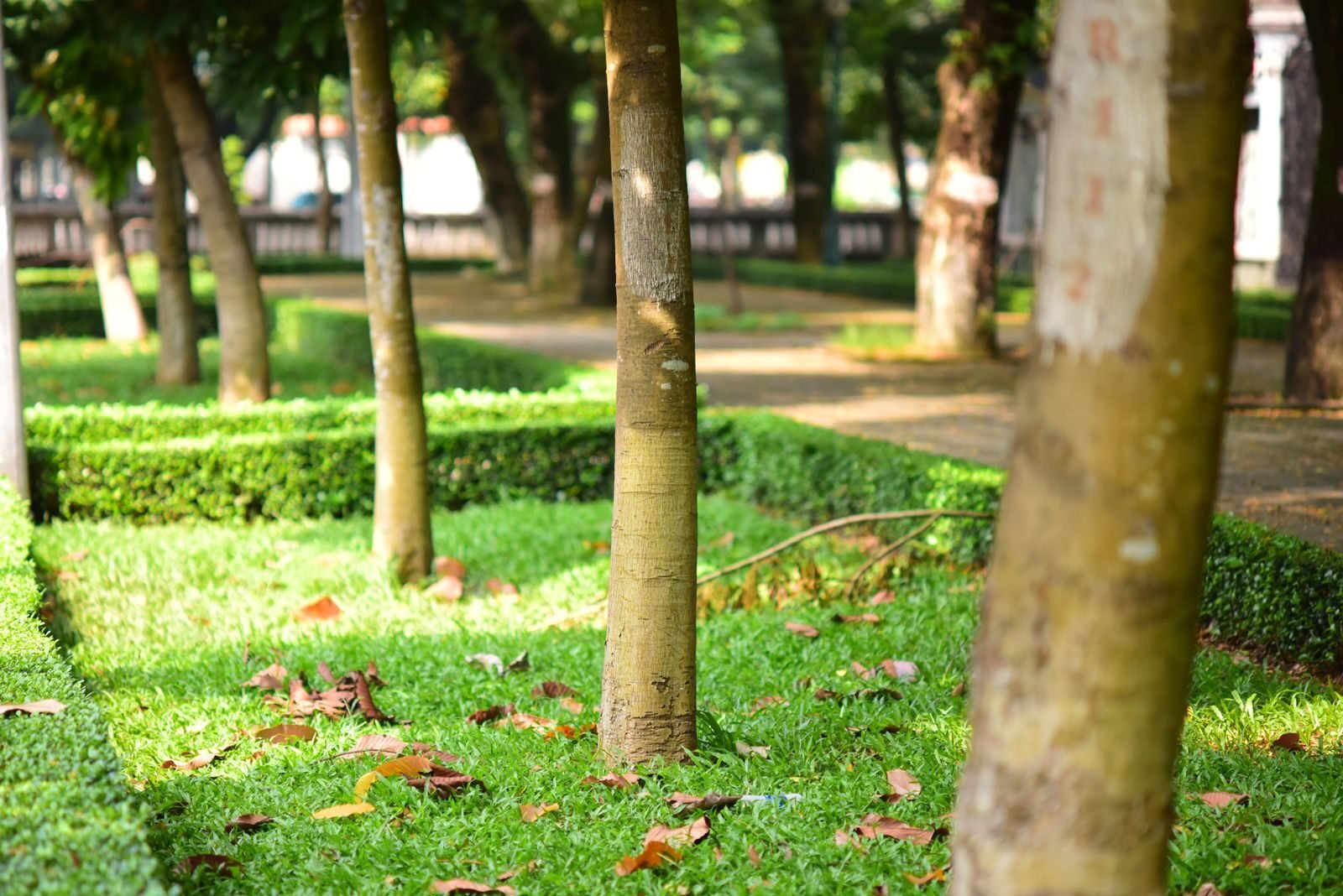
You have been watching this tree.
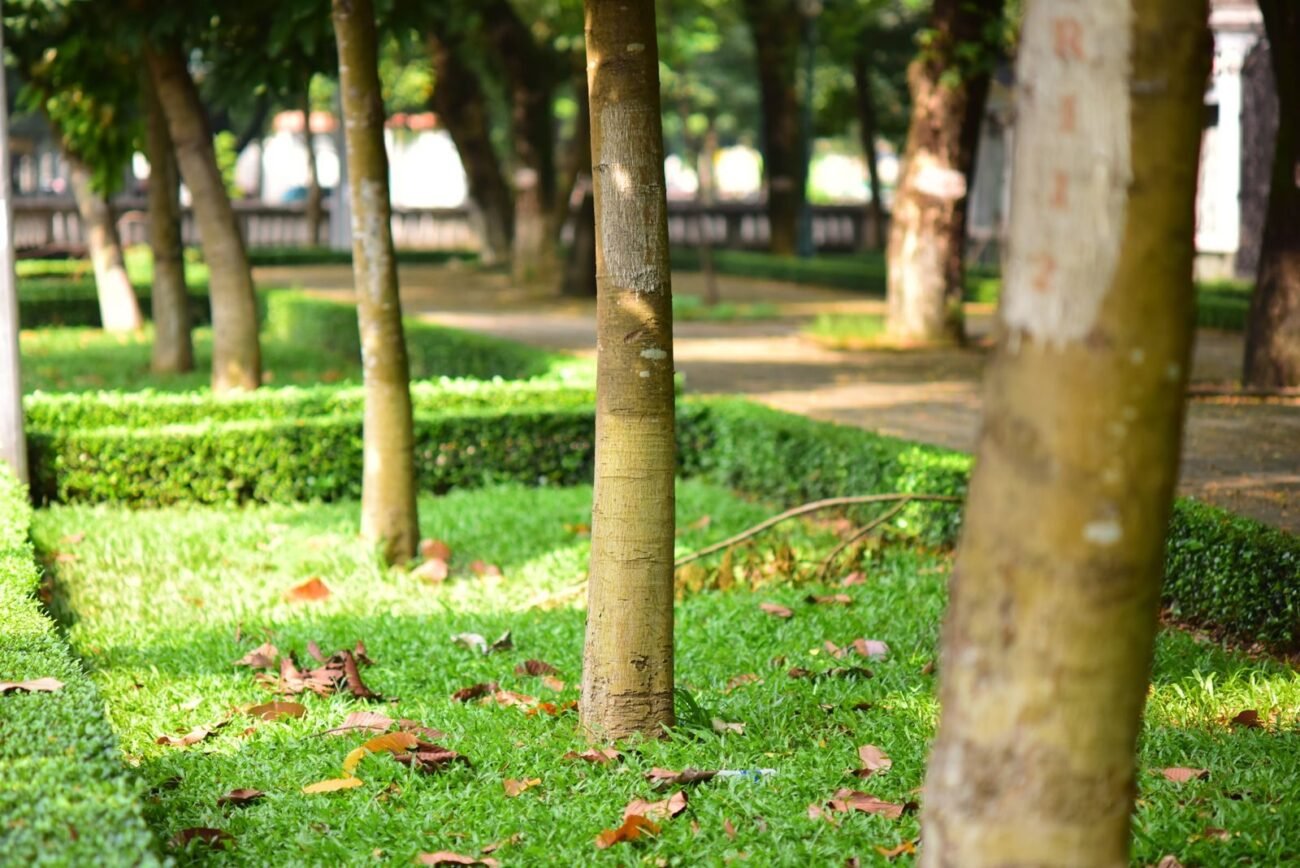
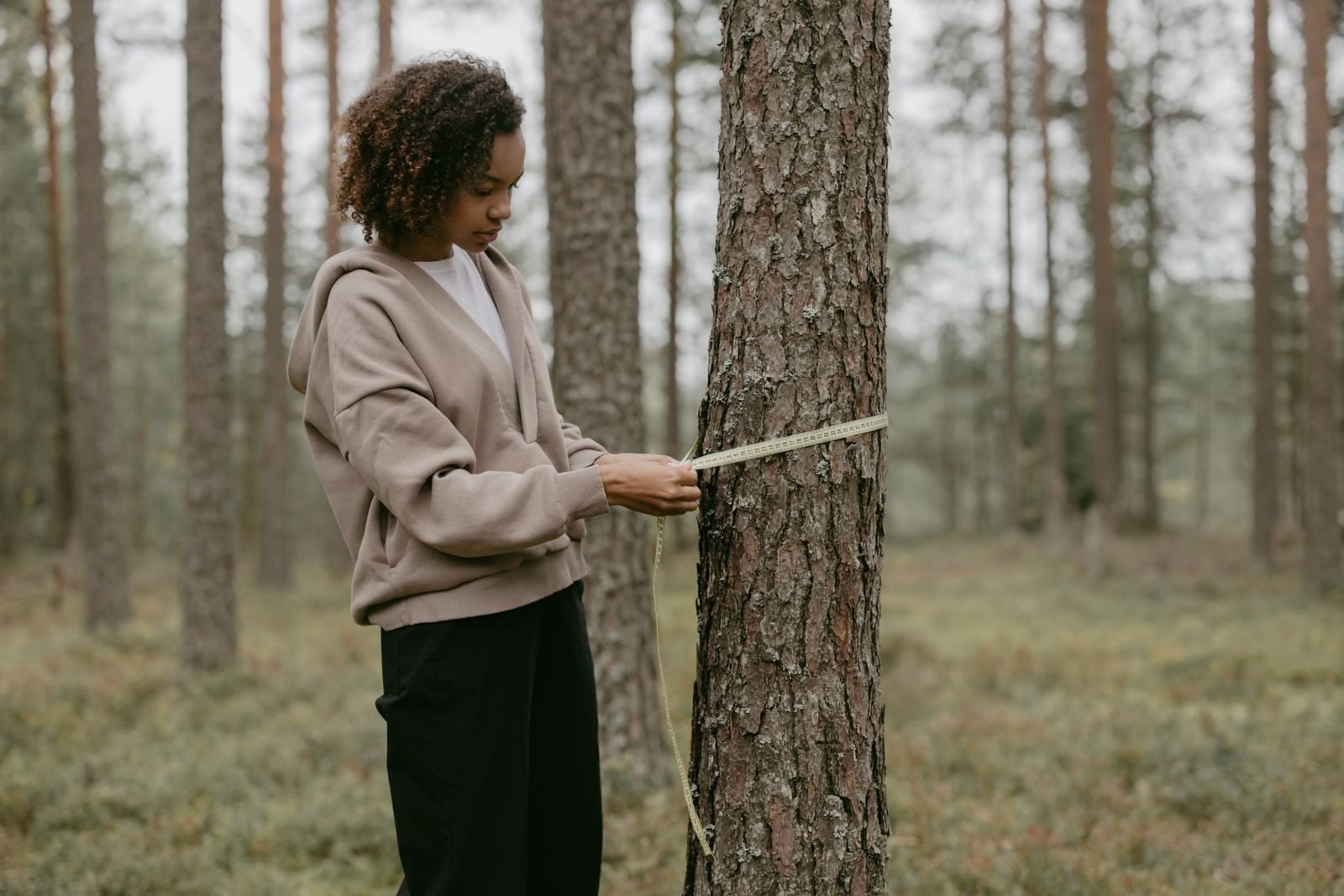
Maybe you planted it yourself. Maybe it was already there when you moved in, and it has become part of home. Either way, you care about it, so you have been keeping an eye on it. And now the tape around the trunk says a smaller number than last time. Or you look at it and the trunk just seems narrower than it was in spring.
Trees are supposed to get bigger. So a trunk that gets thinner sets off that sinking feeling: something is wrong, and it might be too late.
Let me put your mind at ease first…
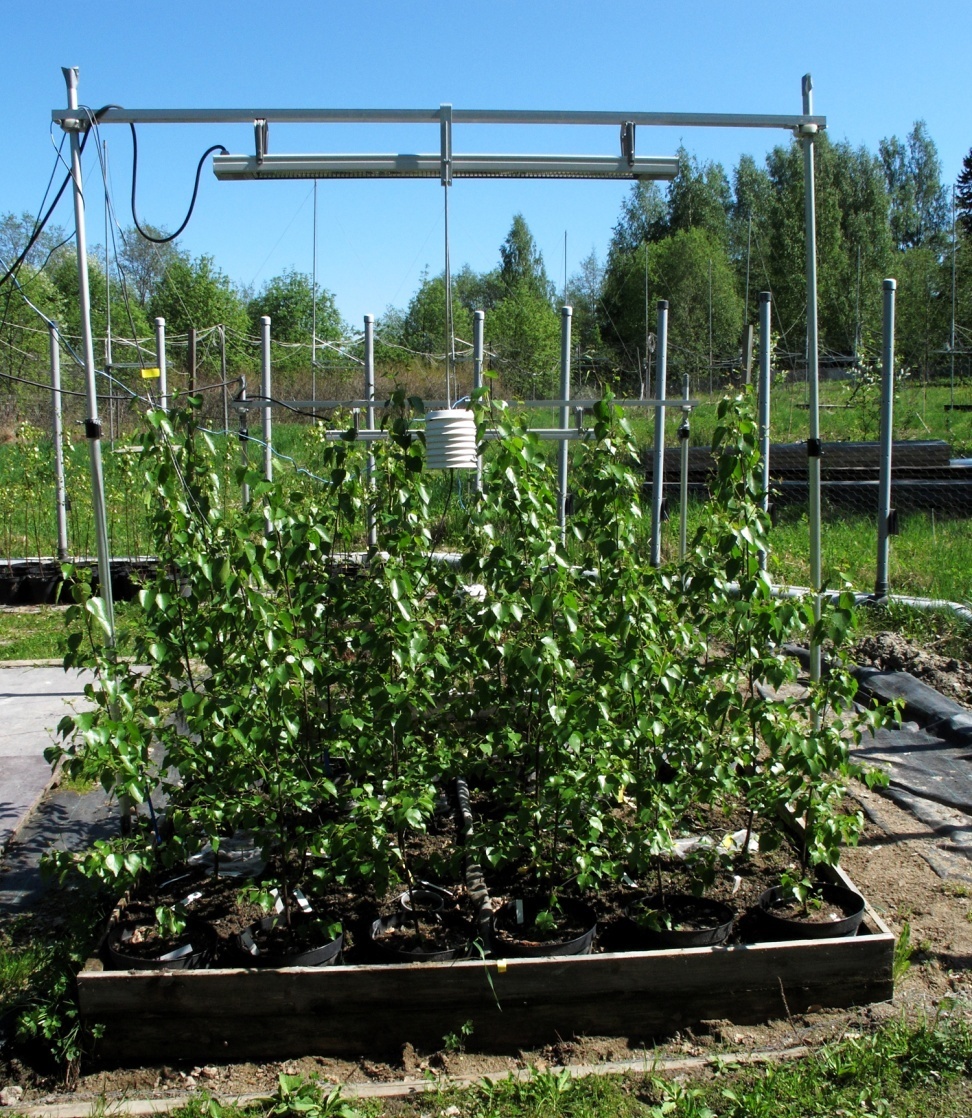
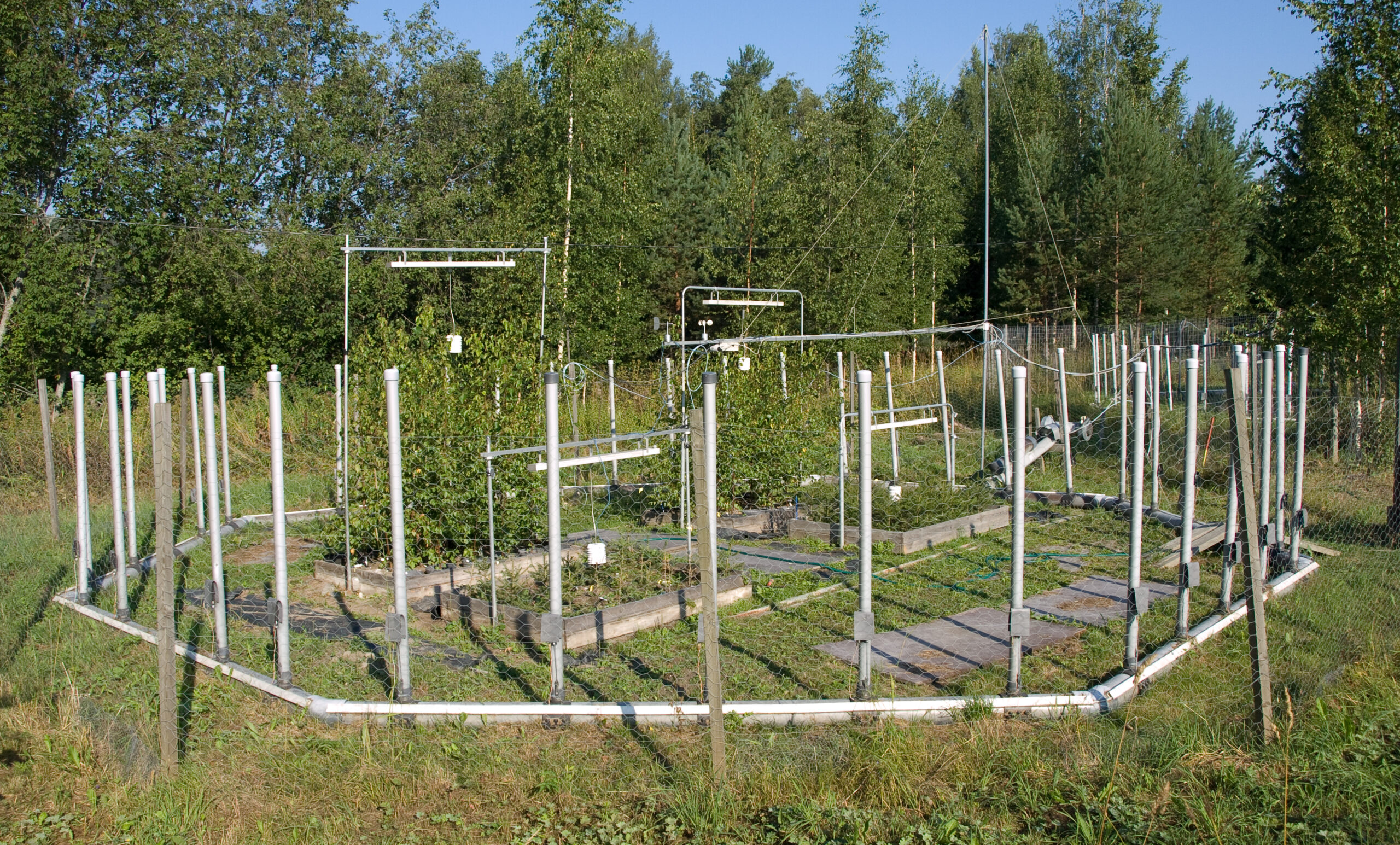
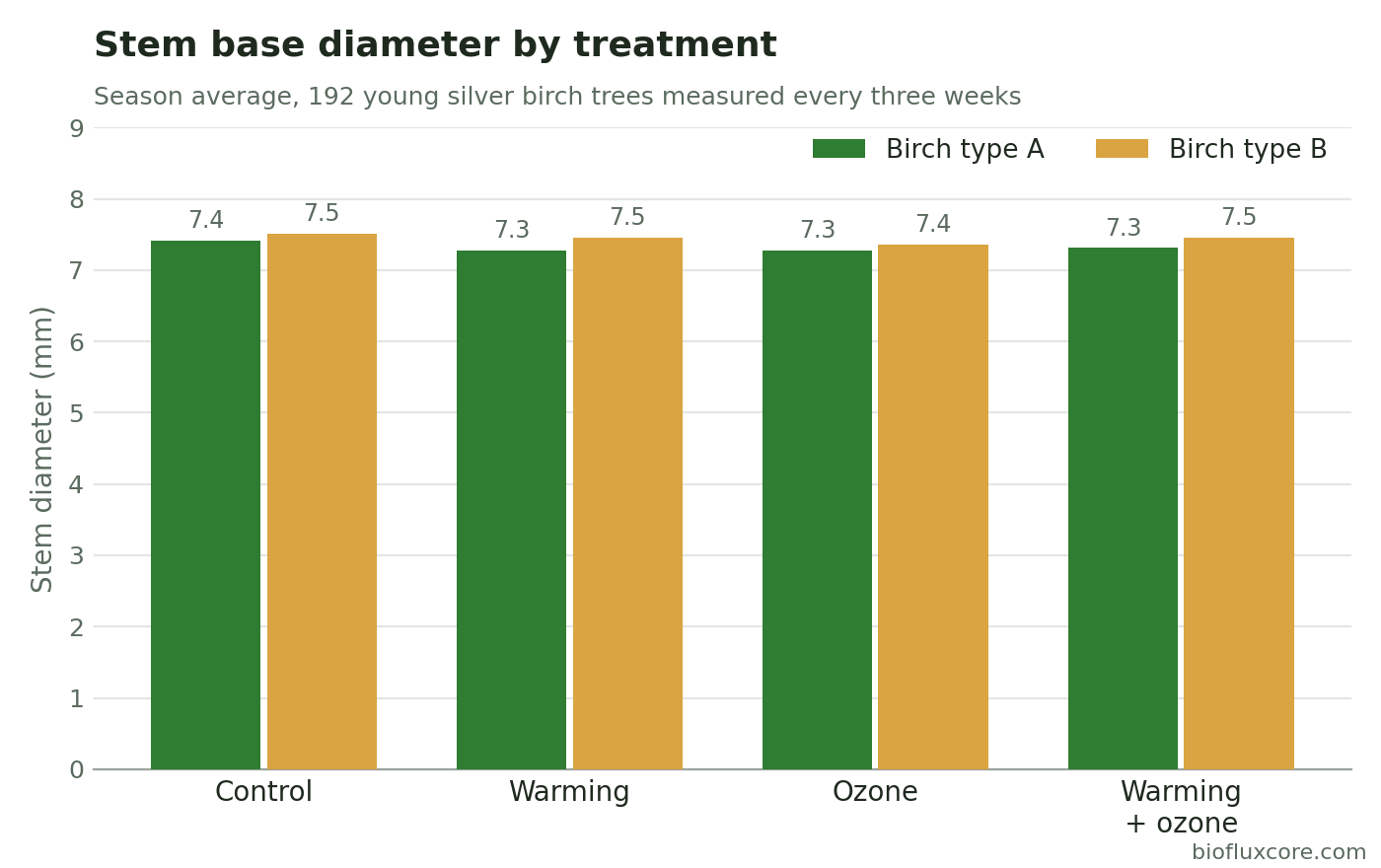
In most cases, a thinner trunk does not mean a dying tree. I say that as someone who spent a whole growing season measuring the stems of 192 young silver birch trees, every three weeks, with a caliper at a marked point on each stem. I learned how tiny these changes are, how easily they fool you, and which ones are worth worrying about.
So let us work through your tree together.
First, Do This Five-Minute Check
Before you read anything else, go out to your tree and check three things. They will tell you most of what you need to know.
Push your finger into the soil near the tree. Two knuckles deep, under the outer edge of the branches. If it is dry and dusty down there, your tree is thirsty, and that alone can explain a thinner trunk.
Scratch a small twig with your thumbnail. Green and moist under the bark means the tree is alive and working. Brown and dry across many twigs is a bad sign.
Look closely at the trunk. Run your hand over the bark. Is it whole and firm, or are there cracks, sunken patches, holes, oozing, or sawdust at the base?
If the soil is dry, the twigs are green, and the bark looks healthy, breathe out. Your tree is almost certainly short of water, not dying. Keep reading and I will show you why, and what to do.
Why a Healthy Trunk Can Shrink
This is the part most people never get told, and it changes how you see your tree.
A trunk is not solid wood all the way through, like a fence post. Just under the bark sits a living layer that holds water, a bit like a sponge. During the day, the leaves pull water up faster than the roots can replace it, so the trunk gives some of that water up and shrinks very slightly. At night, the leaves rest, the roots catch up, and the trunk swells back.
Your tree does this every single day.
Researchers at the Smithsonian followed it on forest trees with automatic measuring bands. The trunks were at their widest just before dawn, shrank through the day, hit their smallest in the late afternoon, and swelled again overnight (Herrmann and colleagues, 2016). The shrinking was stronger on hot days with dry air and bright sun.
The change is small, usually under half a millimetre around the trunk in that study. But when I was measuring young birches, I learned to respect small numbers. On a young tree, half a millimetre can be all the growth you would expect in several weeks. So one afternoon reading can wipe out a month of progress on paper, while nothing is wrong at all.
Why It Gets Worse in a Dry Spell
Now add a hot, dry summer.
When the soil dries out, the roots cannot fully refill the trunk overnight. Your tree wakes up each morning a little emptier than the day before. The trunk can stay smaller for days, even weeks, and growth slows while water is short.
That is why so many people notice a thinner trunk in late summer. The tree is not wasting away. It is running low on water.
And here is the part I want you to hold on to: this is water, not wood. A tree cannot un-grow the wood it has built. Once the soil is wet again, the trunk usually fills back out.
What My 192 Birch Trees Taught Me
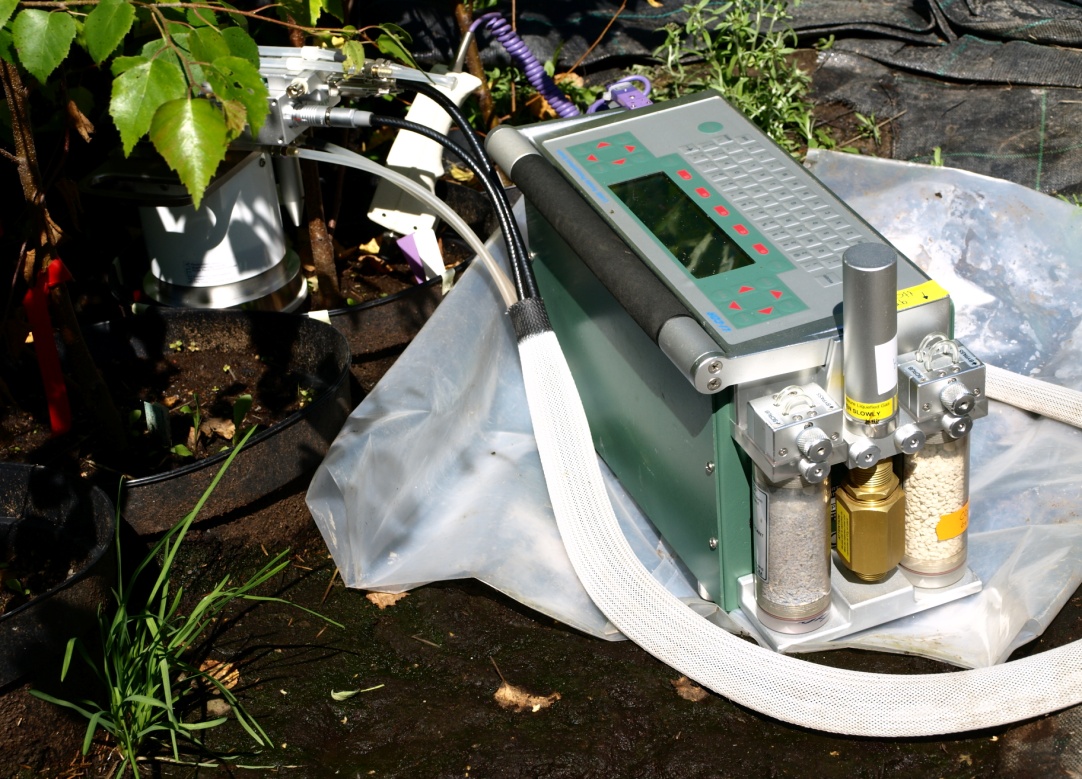
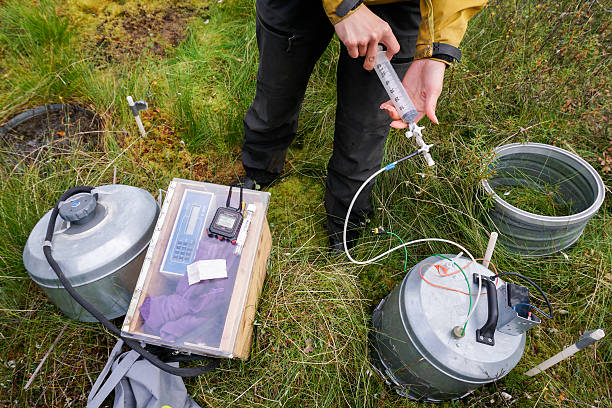
Every three weeks, all season, I went from tree to tree with a vernier caliper. Each stem had a pen mark at its base, so I measured the same spot every time. I measured across each stem in two directions, because stems are rarely perfectly round, and took the average.
I also checked the soil moisture three times a week and watered the trees whenever the soil dried out. I did that on purpose. I wanted the numbers to show growth, not trunks filling and emptying with water.
Two things from that season are the reason I can tell you not to panic.
When my trees were stressed, they grew more slowly. They did not shrink.
Some of the trees grew under raised ozone, which is a stress for birch. In one of the two birch types, the stems thickened more slowly under it, and only near the end of the season. That was all. The stress showed up as less growth, not a smaller trunk.
Trees the same age, in the same soil, grew differently.
One birch type had slightly thicker stems than the other under every treatment, all season long. Same care, same conditions, different trees. So if your tree looks thinner than your neighbour’s, or thinner than a number you found online, that may just be your tree.
Is It Your Tree, or Your Tape?
I say this gently, because I have seen how easily it happens: a lot of “thinner” trunks are measurement slips. Before you worry about the tree, check these.
A different spot.
Trunks change width with height, and they flare out near the ground. Measure a few centimetres higher or lower and the number changes. That is exactly why every one of my birches had a pen mark.
A different direction.
Most trunks are slightly oval. Across the wide side and across the narrow side give two different numbers. I always measured both ways and averaged them.
A different time of day.
A morning reading and an afternoon reading on the same day can disagree, for the reasons above.
A looser or tighter tape.
A tape that sits at an angle, or is pulled harder one time than the next, reads differently.
Bark falling away.
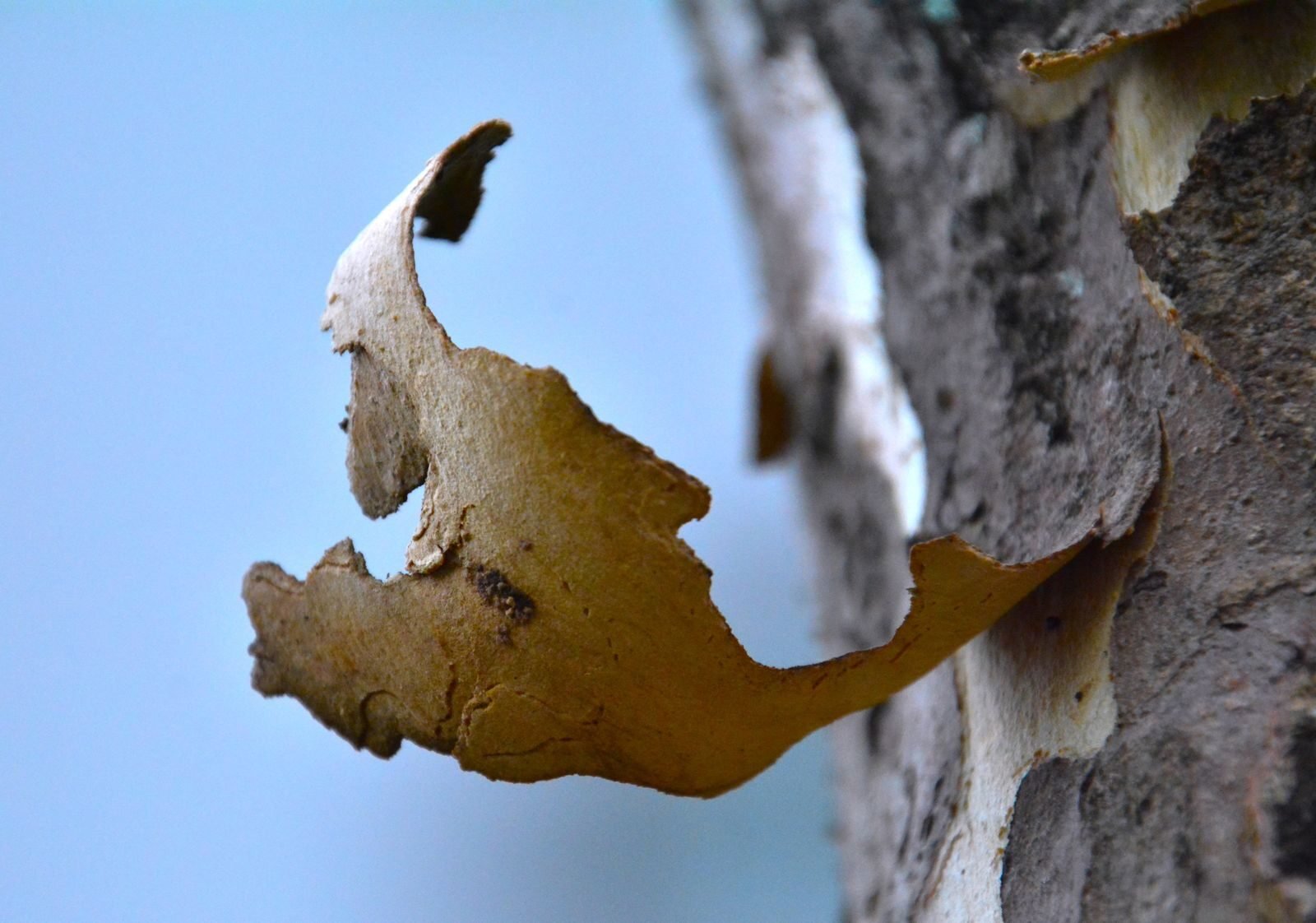
Birch, plane, and many other trees shed their outer bark. When loose bark drops off, the girth drops too, and the tree is perfectly fine.
A buried base.
A healthy trunk flares out where it meets the roots. If mulch or soil is piled against it, you only see the narrower part above the flare, and the base looks thin. Pull the mulch back until you can see the flare.
When I Would Worry
I do not want to brush your worry aside, because sometimes a trunk change is part of a bigger problem. These are the signs that make me take a closer look.
The bark is damaged. Cracked, sunken, or missing bark with dry dead wood underneath, especially if it runs around the trunk.
There is oozing, holes, or sawdust. Wet weeping patches, small holes, or fine sawdust-like frass at the trunk or base point to disease or boring insects.
The crown is thinning. Look up. Nebraska Extension lists a sparse canopy, small leaves, slow growth, and dying twigs and branches as the long-term signs of drought damage (Nebraska Extension).
The leaves stay wilted. Wilting in the afternoon heat that recovers overnight is thirst. Wilting that is still there the next morning is more serious.
The trunk is thinner at the bottom than higher up. A root wrapped around the base (a girdling root) can squeeze it, and old mower or strimmer damage can scar it. On grafted fruit trees, the rootstock below the graft sometimes grows more slowly than the top. Clear the soil back and look. If a root wraps the trunk, ask an arborist before cutting it.
Nothing changes after watering. If the trunk stays smaller for weeks after good rain or deep watering, something other than water is going on.
If you see trouble in the trunk or the roots, please call a qualified arborist. Trunk damage can make a tree unsafe, and that is not something to guess at.
How I Would Help Your Tree This Week
If the soil is dry and the trunk has shrunk, here is what I would do, in this order.
Give it a long, slow drink. Not a quick splash every day. NC State Extension advises watering established trees slowly and deeply every 7 to 10 days, which grows deeper roots (NC State Extension). Let a hose trickle under the outer edge of the branches, where the feeding roots are.
Put down mulch. A layer of 2 to 4 inches (5 to 10 cm) of bark or wood chip over the root area holds the moisture in. Keep it a few inches away from the trunk itself.
Hold back the fertiliser. I know it is tempting to feed a tree that looks unwell. But feeding a thirsty, stressed tree pushes it to grow when it has nothing spare. Water first.
Be patient with it. The same NC State guidance says young trees usually recover within about a year after drought, while big mature trees can take several years to get back to normal growth.
How I Would Measure It From Now On
If you want numbers you can trust, measure the way I measured my birches.
Mark one spot. A paint pen or a small tag at a set height. Always measure there.
Measure in the morning. The trunk is at its fullest before the day’s water loss starts, so morning readings are the steadiest.
Take two readings. With a caliper, measure across the trunk in two directions and average them. With a tape, keep it level and snug, not tight.
Stick to one tool. Different tapes and calipers can disagree slightly.
Note the weather. A line like “dry for two weeks” next to your number will explain a lot later.
Look at the season, not the week. I measured every three weeks for months because growth shows up over time. One low number tells you very little.
My Tree Growth Rate Calculator turns two readings into a growth rate, and my Stem Diameter & Girth Converter switches between tape and caliper measurements.
If your tree is young and newly planted, you may also find help in I Planted a Tree Two Years Ago and It Is Not Growing. If the leaves are yellowing or falling too, read My Tree Looks Sick and I Do Not Know Why.
If you want to keep it simple, my Tree Establishment Tracker is a printable log built on the same method I used on my birches. It covers a marked spot, readings in two directions and notes on the weather, with space for three years of measurements and photos.
What I Would Say If You Showed Me Your Tree
I spent a season staring at tiny numbers on a caliper, and the biggest thing it taught me is this: one reading on its own tells you almost nothing. The numbers I trusted were the ones taken the same way, at the same marked spot, time after time. A trend over a season shows how a tree is growing. A single low reading usually just shows the weather.
So if your trunk measured thinner today, I would not want you lying awake over it. Check the soil. Scratch a twig. Look at the bark. Give it a deep drink if it needs one, and measure again on a cool morning at a marked spot.
Most of the time, the tree you care about is simply thirsty. Give it water and a little time, and it will fill back out.
FAQs
Why is my tree trunk getting thinner?
Most often, it is water. The living layer under the bark stores water and gives some up when the tree loses more than its roots can replace, especially in hot, dry weather. Measuring at a different spot, direction, or time of day, and shedding bark, can also make a trunk read thinner.
Do tree trunks shrink during the day?
Yes. Trunks are usually at their widest just before dawn, shrink through the day, reach their smallest in the late afternoon, and swell again overnight.
Can drought make a tree trunk shrink?
Yes. In a long dry spell, the roots cannot refill the trunk overnight, so it can stay smaller for days or weeks. It usually fills back out once the soil is watered.
How much does a tree trunk shrink in a day?
Only a little, usually under half a millimetre around the trunk in a Smithsonian study of forest trees. When I measured young birches, changes that small could hide weeks of growth.
When is the best time to measure a tree trunk?
I would measure in the early morning, at the same marked spot every time. The trunk is at its fullest then, so readings compare well from one visit to the next.
Why is my tree trunk thinner at the bottom?
Often the base is buried by mulch or soil, hiding the root flare. It can also be a root wrapped around the trunk, old mower or strimmer damage, or on grafted fruit trees, a rootstock that grows more slowly than the top. I would clear the base and take a look.
Is a thinner trunk a sign my tree is dying?
Not on its own. I would worry when it comes with damaged or missing bark, oozing or holes, a thinning crown, leaves that stay wilted, brown twigs, or no recovery after good rain or deep watering.