



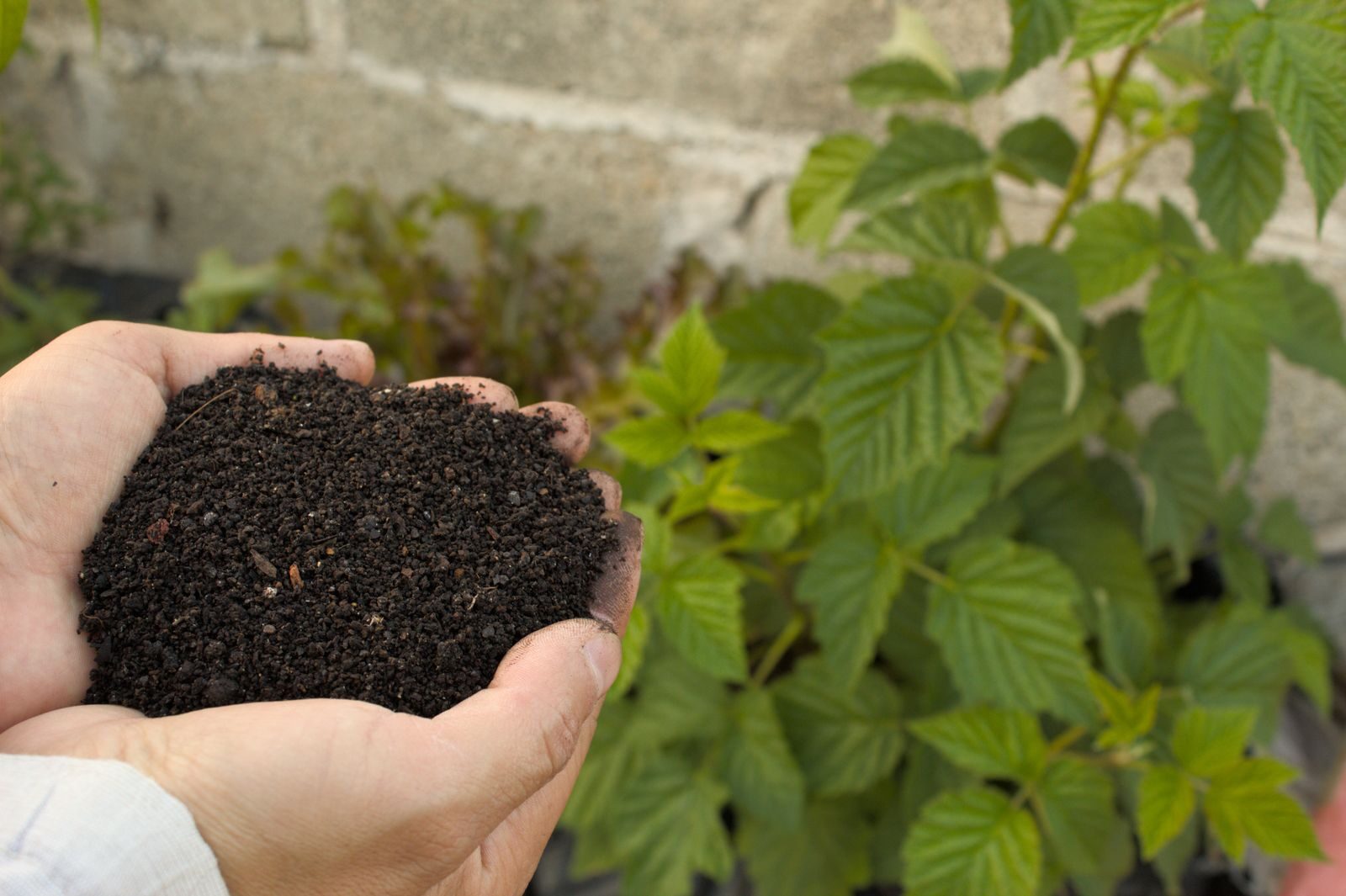
A bag of compost or a soil amendment can promise a lot on the label. What decides whether it works is the biology and chemistry inside it, not the words on the front.
My background is in environmental science, with graduate training in measurement quality and the field measurement of soil processes. I read a soil or compost brand through what it actually contains and how it behaves in the ground, the way I would assess any sample.
Each brand below is here because there is a checkable reason it works, along with the catch worth knowing before you buy.
Soil & Compost
1. Miracle-Gro
Miracle-Gro is one of the most recognised names in home gardening, and their dual-chamber compost tumbler is a solid pick if you want compost without turning a heap by hand. What makes a tumbler like this work is not the brand name, it is the design: two separate chambers let you fill one side while the other finishes, so you always have a batch curing. Turning the drum mixes air through the material, and it is that aeration that keeps the microbes active and moves decomposition along, which is the part that actually decides how fast you get usable compost.
Watch out for one catch, though. A tumbler speeds things up only if you keep the mix roughly right, enough browns to greens, and enough moisture, so it is a tool that helps a good compost recipe, not a shortcut around one. And the “4 to 6 weeks” timing on the box is a best case in warm conditions with a balanced load; in a cold spot or through winter it takes longer. So judge it on how you feed and where you place it, not the number on the label.
Miracle-Gro make a wider range of composting and garden products beyond this tumbler.
Check the Miracle-Gro Dual Chamber Tumbler on Amazon →
2. REOTEMP Backyard Compost Thermometer
A compost pile tells you what it is doing through its temperature, and a long-stem thermometer is how you read it. The REOTEMP 20-inch compost thermometer reaches into the core of the pile, where the action is, and its dial marks the temperature zones that show whether your compost is active, holding steady, or cooling off. That reading matters because heat is the sign that microbes are working: a pile climbing into the warm zone is decomposing well, while one that never heats up is telling you something is off, too dry, too little nitrogen, or too small to hold its own warmth. The stainless steel stem is sealed against fogging and built to last.
Watch out for one catch, though. Push the stem into the centre of the pile, not the edge, since the core runs hottest and the outside always reads cooler. A healthy hot pile settles and cools as it finishes, so a falling reading is not always a problem, it can mean the batch is maturing. Read it alongside what the pile looks and smells like, not as a number on its own.
REOTEMP make other thermometers and measurement instruments beyond this one.
Check the REOTEMP Compost Thermometer on Amazon →
3. Apera PH20 pH Tester
Soil pH decides which nutrients a plant can reach, so knowing yours takes a lot of guesswork out of why something struggles. The Apera PH20 is a proper digital pH meter with a glass electrode, auto-calibration against buffer solutions, and temperature compensation, which is what separates a trustworthy reading from the cheap analog probes that promise pH but rarely deliver it. To test soil you mix a sample with distilled water, let it settle, and dip the electrode, so you are reading the pH of that soil-water solution rather than sticking a probe straight into the ground. Done that way, it gives you a figure you can rely on.
Watch out for one catch, though. A pH meter is only as good as its calibration, so calibrate it with the included buffers before a session and keep the electrode tip stored moist, not dry, or it drifts and shortens its life. It reads the water you mix your soil into, so use distilled or deionised water rather than tap, since tap water has its own pH that skews the result.
Apera Instruments make a range of pH, EC, and water-quality meters beyond this one.
Check the Apera PH20 on Amazon →
4. Yard Butler Compost Aerator
A compost pile needs air as much as it needs the right mix, because the microbes doing the work are aerobic, they need oxygen to break material down cleanly and keep the pile from turning slimy and sour. Turning a heap with a fork does this, but it is heavy going.
The Yard Butler compost aerator makes it easier: you push the shaft down into the pile and its folding wings open as you pull it back up, lifting and loosening the material to pull air through without having to turn the whole heap. For anyone composting in a bin or a stationary pile, where a tumbler is not doing the mixing for you, it is a simpler way to keep the pile breathing.
One thing to keep in mind, though. An aerator loosens and adds air, but it does not fix a pile that is off balance, too wet, too dry, or short on nitrogen. Aerate a soggy, compacted heap and it helps, but if the mix is wrong the pile still will not heat properly, so treat aeration as one part of good composting alongside the browns-to-greens balance and moisture. Work it in every week or two rather than daily; the pile needs air, not constant disturbance.
Yard Butler make a range of garden and lawn tools beyond this aerator.
Check the Yard Butler Compost Aerator on Amazon →
5. Luster Leaf Rapitest Soil Test Kit
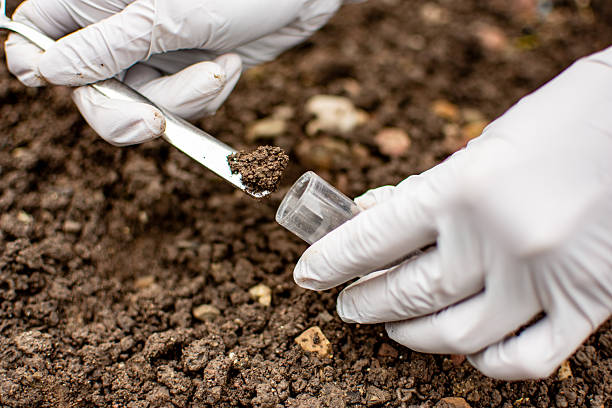
Before I add anything to soil, I want to know what it is short of, and a home kit is the quickest way I have found to get a first read. The Luster Leaf Rapitest works on a simple capsule system: you mix a soil sample with water, drop in the capsule for whatever you are testing, and match the colour that develops against the chart to read pH, nitrogen, phosphorus, and potash. It is cheap, it comes with enough capsules to test several spots, and for someone starting out I think it beats guessing at what a patch of ground needs.
Here is where I set expectations. A colour-match kit gives you a ballpark, not a lab number, and as someone whose training is in measurement, I would rather tell you that plainly than let the “quickly and accurately” on the box oversell it. What you read depends on how you take the sample, how clean your water is, and how your eye judges the colour, so I treat the result as low, medium, or high rather than a figure to trust to the decimal. For catching soil that is clearly acidic or clearly short on something it is genuinely handy; when I need a number I can defend, I send a sample to a lab. Test a few spots and read the pattern, not one lone capsule.
Luster Leaf make other testing kits and meters beyond this one.