


A measurement is only as good as the instrument taking it and the way it is used. A meter that reads to two decimal places is worthless if those decimals are noise.
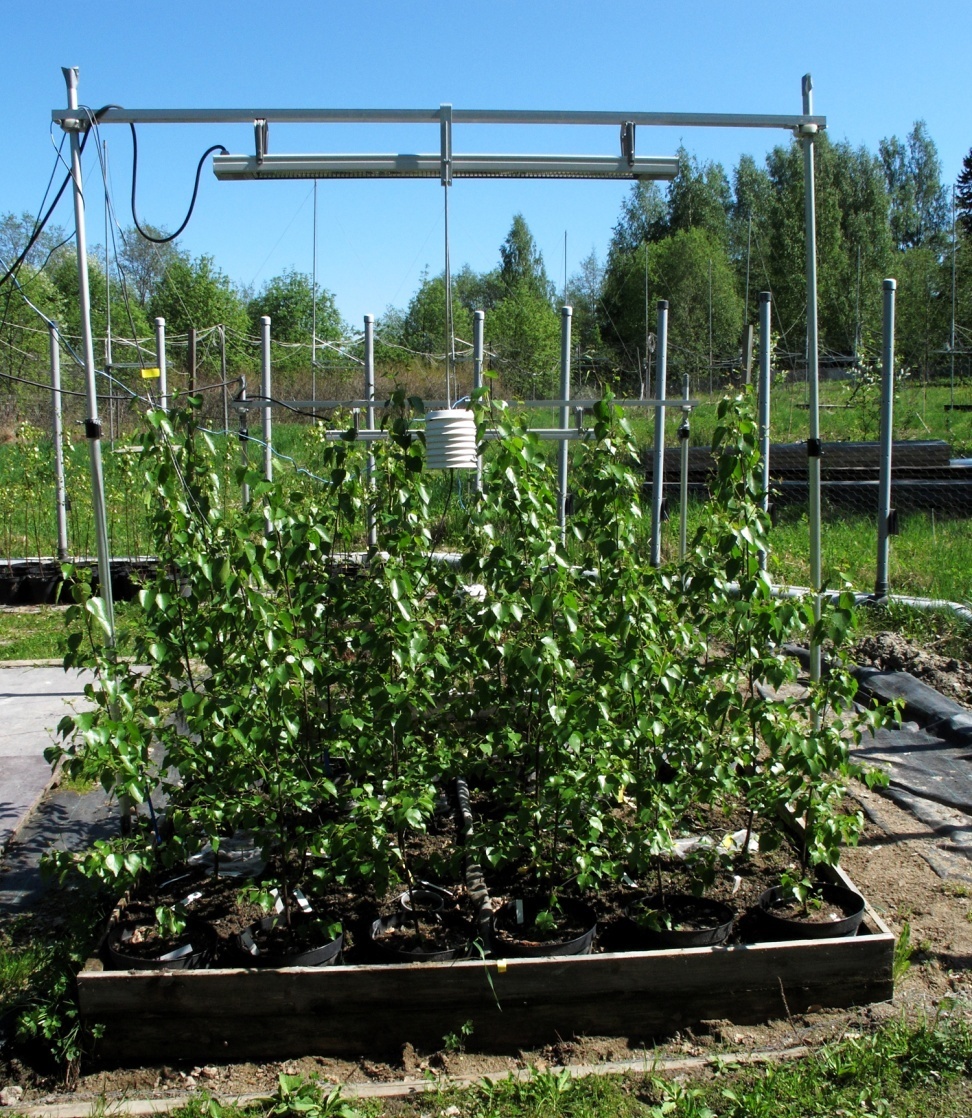
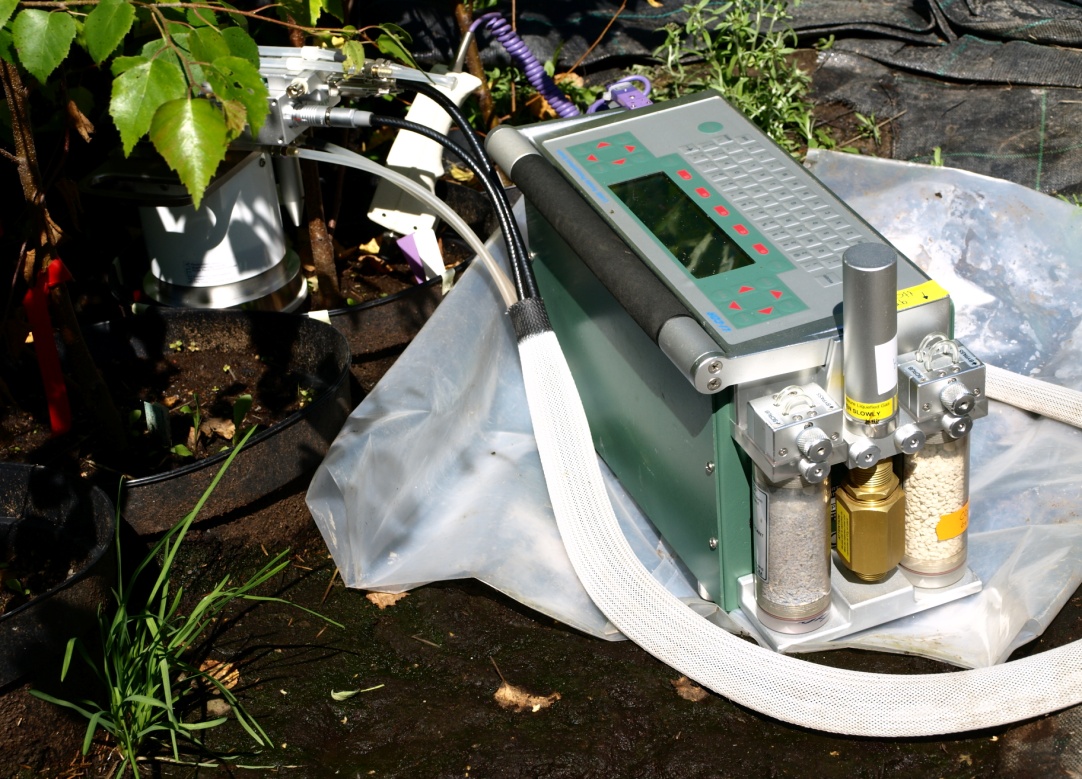
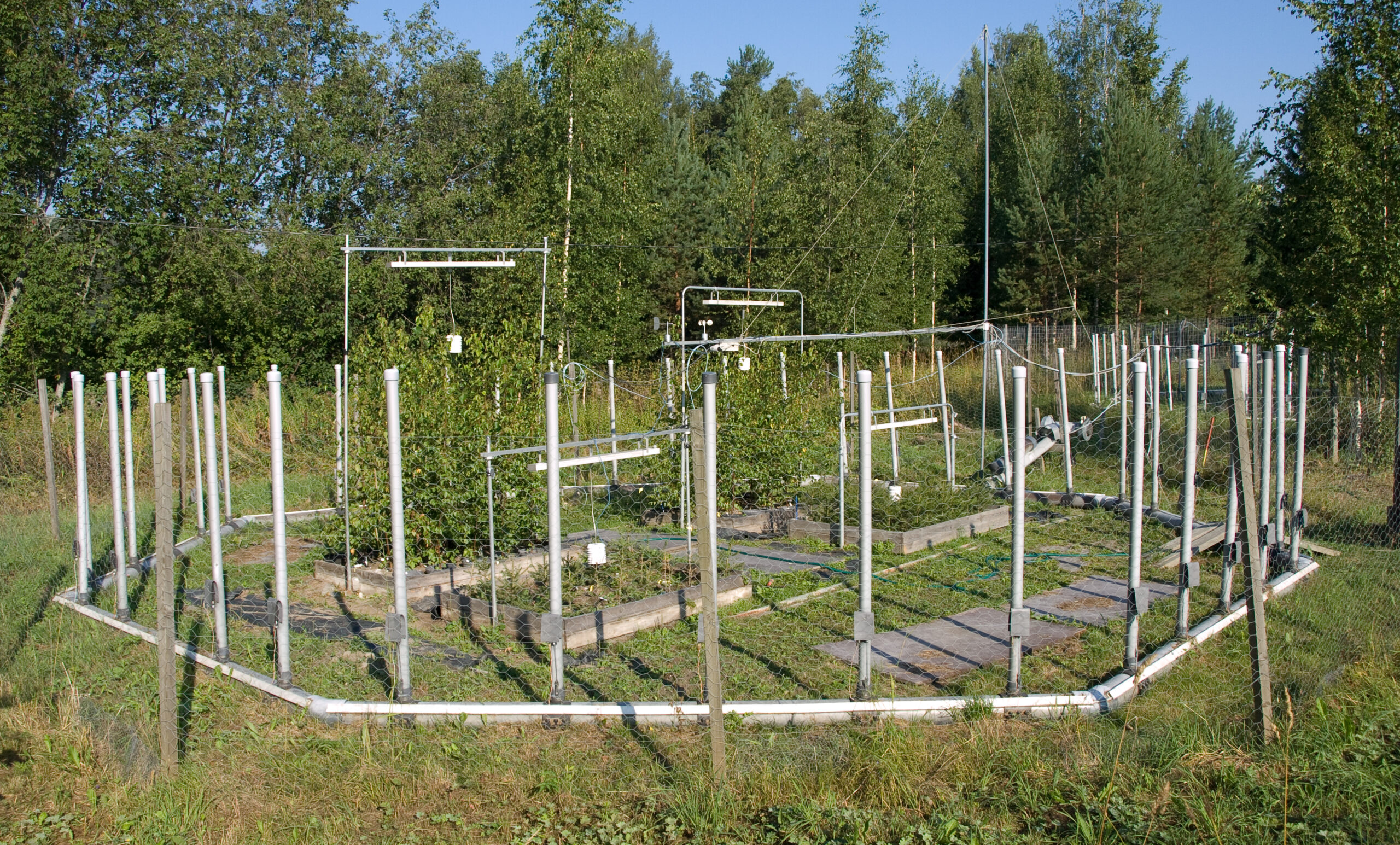
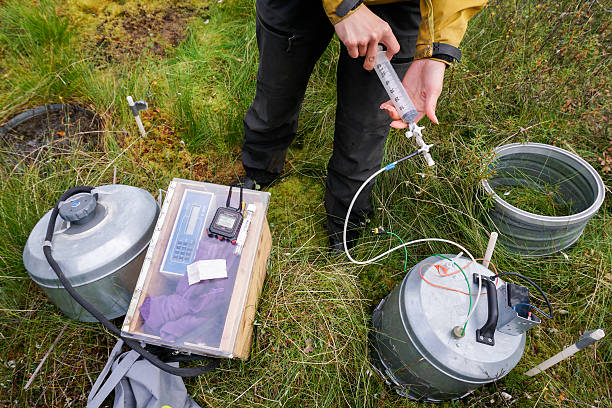
My background is in environmental science, with specialized graduate training in measurement quality and the control of environmental measurements, and field experience running instruments across a full season of data collection.
I judge a field instrument or measurement tool by whether it gives a reading you can trust, not by its spec sheet. Each brand below is here for a checkable reason, with the catch worth knowing before you buy.
Field Measurement
1. Jackery
Jackery makes portable solar generators, power stations, and solar panels for off-grid and field use, and is one of the most recognised names in portable renewable energy, with design and sustainability awards to its name. The value of one is easy to underestimate until you have spent a full day at a remote site with a logger running low and no mains power in reach. In my own field monitoring across a full season, keeping sensors and instruments powered in a remote cabin was central to the experiment running at all. A Jackery unit pairs a lithium battery with solar panels into a self-contained source that sets up anywhere, runs quietly enough not to disturb measurements, and recharges from sunlight through the day.
The catch: match the unit to your load before buying. Smaller units like the Explorer 300 suit handheld instruments and small loggers, while running a laptop or a large sensor array needs a bigger unit, and those add real weight. So the right choice depends on what you need to power and how far you carry it.
Jackery make a wide range of power stations and solar panels beyond any single model.
Explore Jackery Solar Generators →
2. TempPro Hygrometer & Thermometer
Any field record is easier to make sense of when you know the conditions it was taken in. A TempPro hygrometer and thermometer gives you a simple, continuous read of temperature and humidity at a site or in a field cabin, the ambient context that sits behind almost every other measurement you take. Temperature and humidity affect how instruments behave, how samples hold, and how readings should be interpreted, so having them logged alongside your main data saves you guessing later. The wireless indoor-outdoor models let you keep the display somewhere dry while a remote sensor sits where the conditions actually matter.
The catch: these are practical monitoring devices, not laboratory reference instruments, so treat them as solid working context rather than calibrated scientific data. For casual site conditions and general awareness they do the job well; for readings you need to defend in a study, a calibrated logger is the right tool. Check the stated accuracy against what your work needs before relying on it.
TempPro make a range of indoor and outdoor thermometers and hygrometers beyond any single model.
3. AcuRite Iris 5-in-1 Weather Station
Knowing the weather at your own site, not the forecast for the nearest town, changes how you read everything else you record. The AcuRite Iris pairs an outdoor sensor with an indoor display and tracks temperature, humidity, wind speed and direction, rainfall, and barometric pressure, so you build a picture of the conditions where you actually work rather than borrowing them from a distant station. In my own monitoring I found local temperature and humidity sat behind almost every other reading I took, and a station like this logs that context continuously without me having to think about it.
Where I set expectations: this is a home and hobbyist weather station, not a calibrated research instrument, so treat its readings as a solid picture of your local conditions rather than reference-grade data for a study. Site the outdoor sensor well, wind and rain need open exposure away from walls and eaves, or the readings mislead you, and give it a clear mount. For tracking your own microclimate and spotting trends it does a genuinely useful job; for data you need to defend in a paper, a calibrated setup is the right tool.
AcuRite make a range of weather instruments and sensors beyond this model.