
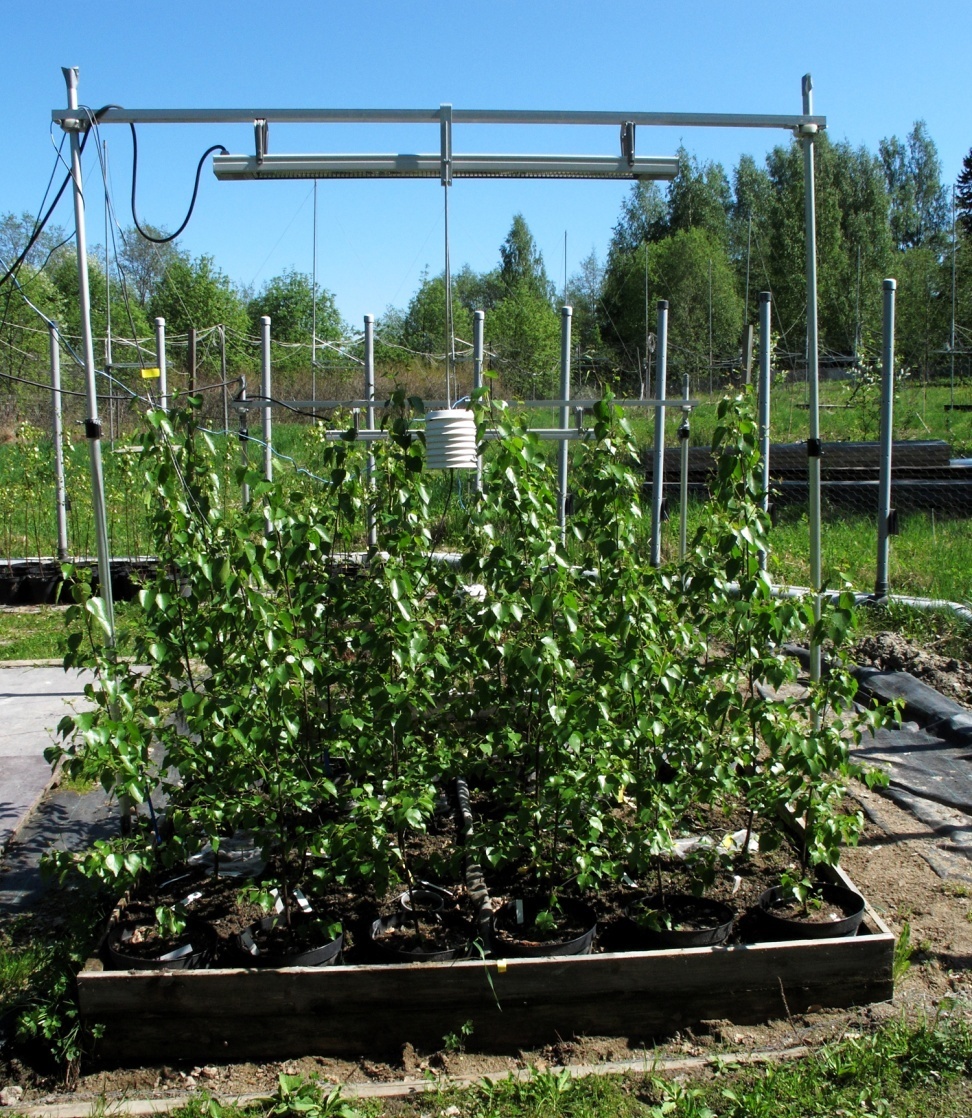
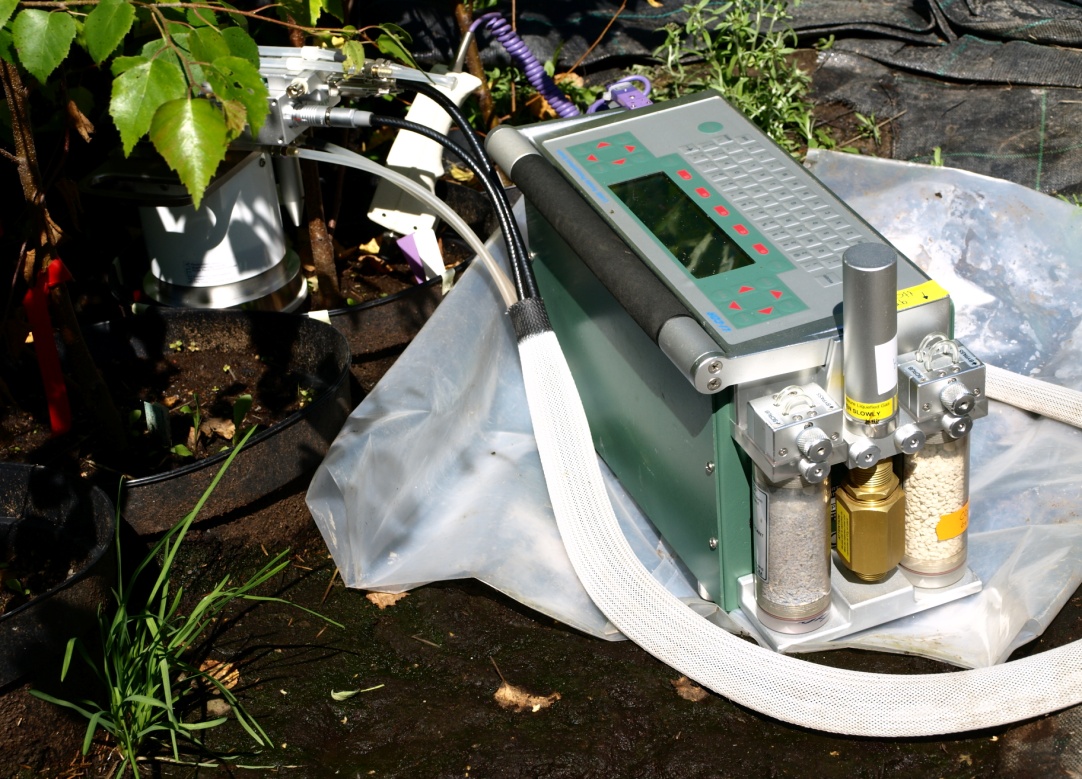
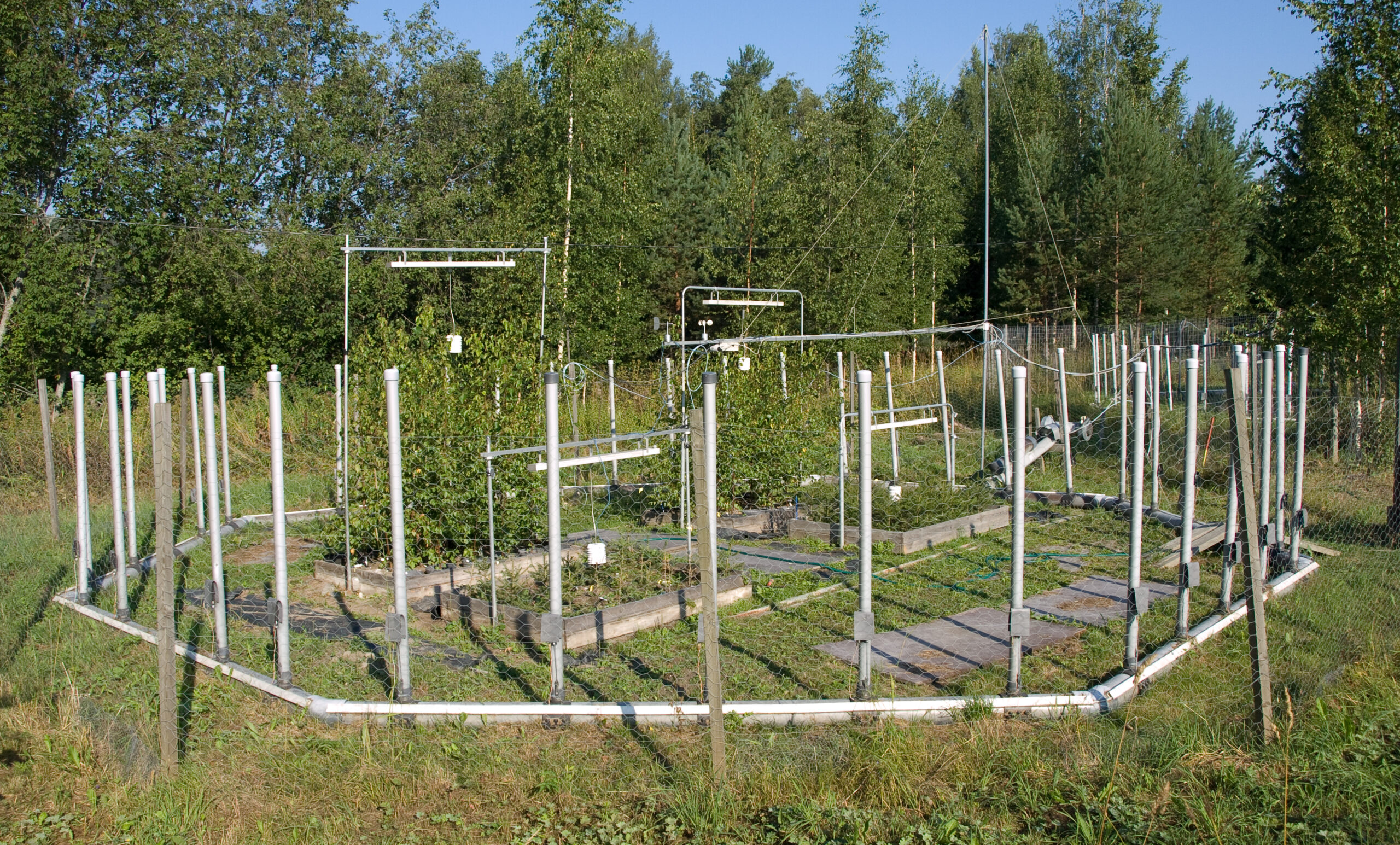
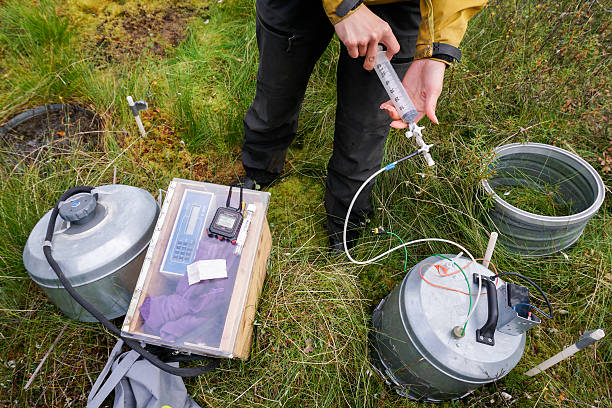
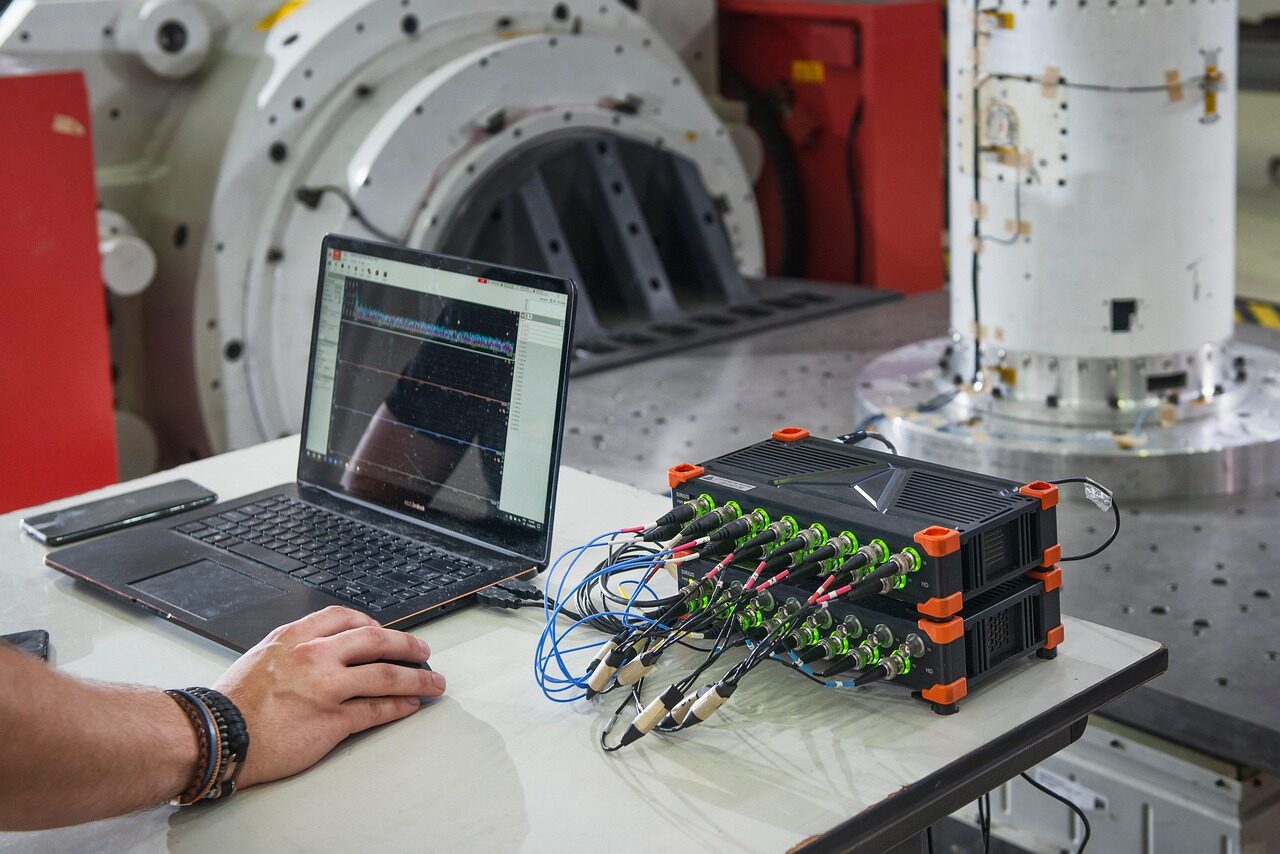



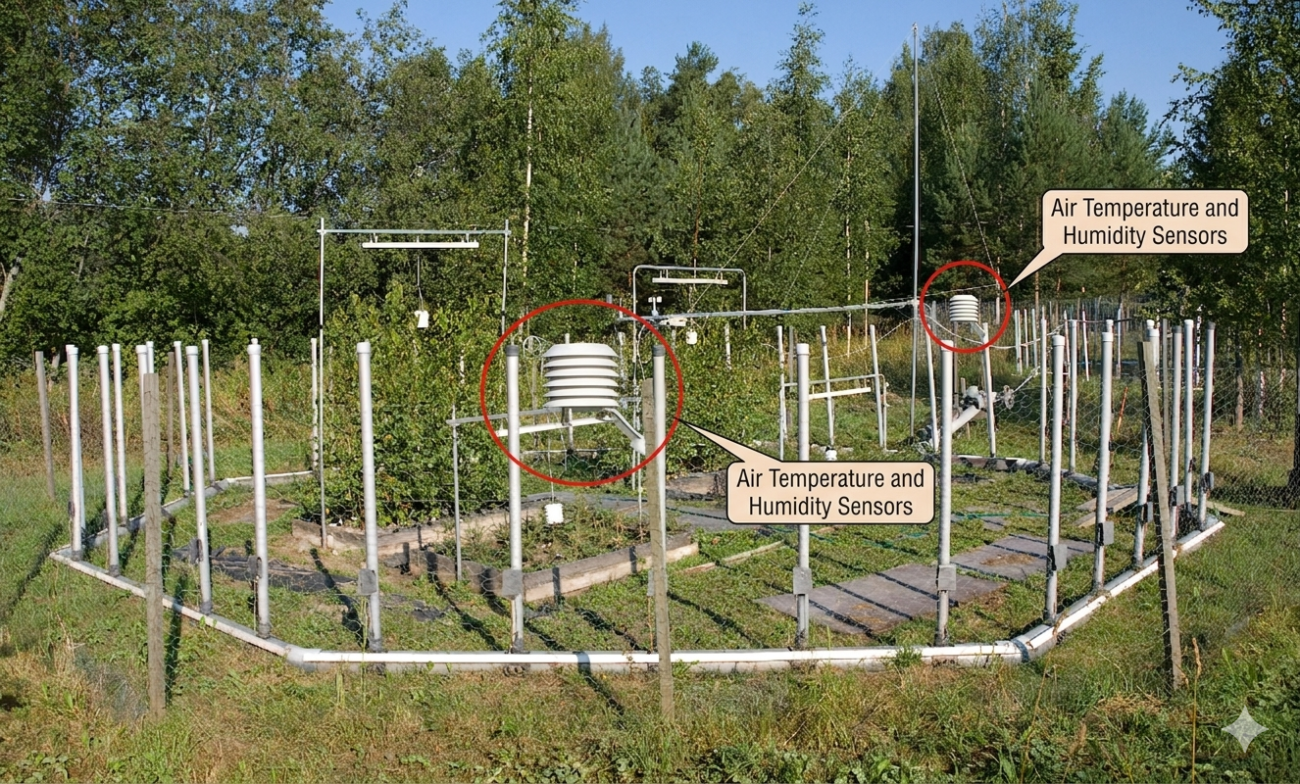
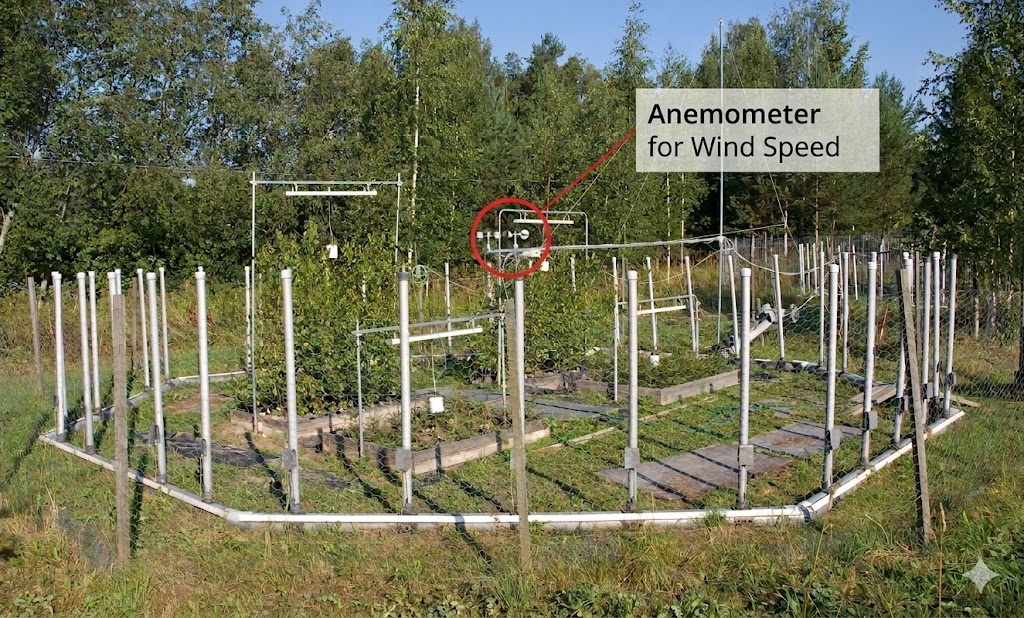
In my field experiment I monitored air temperature, humidity, wind speed, wind direction, and ozone concentration continuously throughout the growing season. These variables did not come from a single instrument. They came from a network of individual sensors wired into a central data logging system in a field cabin.
That setup worked well for a permanent multi-treatment experiment where installing fixed infrastructure made sense. But for researchers who need portable, rapid-deployment environmental monitoring across multiple sites, a portable weather station integrates all those measurements into one compact system that you can set up in minutes and move between locations.
This guide covers what to look for when buying and what is available at different price points.
What a Portable Weather Station Measures
A standard portable weather station measures some combination of air temperature, relative humidity, barometric pressure, wind speed, wind direction, rainfall, solar radiation, and UV index. Higher-specification units add soil temperature, soil moisture, leaf wetness, and CO₂ concentration.
For ecological research the most relevant variables are air temperature and humidity for understanding plant and microbial responses, wind speed and direction for interpreting gas transport and ozone distribution, and rainfall for understanding soil moisture dynamics. Solar radiation is valuable for photosynthesis and evapotranspiration studies.
The key advantage of a weather station over individual sensors is integration. One unit, one power supply, one data stream. For field campaigns where setup time matters and portability is a priority, that simplicity has real practical value.
Professional vs Consumer Grade
This distinction matters more for weather stations than for almost any other instrument category.
Consumer weather stations sold through general retailers are designed for home garden use. They give reasonable qualitative readings but lack the accuracy, calibration documentation, and long-term stability required for scientific research. Temperature accuracy of plus or minus 2 to 3°C and wind speed accuracy of plus or minus 10 to 15% is typical for consumer units. That level of error is unacceptable in research where you are trying to detect treatment differences of 0.5 to 1°C.
Professional research-grade weather stations from manufacturers like Davis Instruments, Campbell Scientific, and Onset HOBO use properly calibrated sensors with stated accuracy specifications, data logger integration, and long-term stability documentation. These are the appropriate choice for any research where the data will be published or used to make scientific claims.
The honest answer is that truly professional portable weather stations are expensive, typically $500 to several thousand USD for a complete system. For student projects and exploratory monitoring where approximate readings are sufficient, mid-range consumer stations give useful qualitative environmental context at a fraction of the cost.
What to Look for When Buying
Sensor accuracy specifications.
Look for stated temperature accuracy of plus or minus 0.5°C or better and wind speed accuracy of plus or minus 3% or better for research applications. If accuracy is not clearly stated, assume it is consumer grade.
Data logging capability.
Can the station record data internally and export it as CSV for analysis? Many consumer stations only display readings on a screen without logging. For research you need logged data with timestamps.
Wireless range.
Most portable weather stations have a wireless link between the outdoor sensor array and an indoor display or data logger. For field research where the sensor and receiver may be some distance apart, check the stated wireless range under real conditions rather than the marketing claim.
Power supply.
Solar-powered sensor arrays with battery backup are the most practical for remote field deployment. Units that rely entirely on replaceable batteries in the sensor array need frequent maintenance.
Mounting options.
A tripod mount or portable mast allows deployment in any location without permanent installation. Check what mounting hardware is included and whether it is suitable for your field conditions.
What Is Available on Amazon
Amazon stocks a wide range of weather stations from basic consumer units to mid-range systems with reasonable data logging capability. For student projects, general site characterisation, and field campaigns where approximate environmental readings provide useful context, the mid-range options offer good value.
For research-grade monitoring where data will be published, Davis Instruments Vantage Vue and Onset HOBO systems are available through Amazon and scientific equipment suppliers and represent the most credible options at accessible research-grade price points.
Search “portable weather station data logger” and look for units with at least 4 stars, clear accuracy specifications, CSV data export, and solar-powered sensor arrays. Avoid units with no stated accuracy and no data logging capability.
Shop Portable Weather Stations on Amazon →
Questions I Get Asked About Weather Stations
Do I need a weather station or can I use individual sensors?
Individual sensors connected to a data logger give you more flexibility and often better accuracy for specific variables. A weather station trades some of that precision for convenience and portability. For permanent experimental plots like mine, individual sensors with a central logger are the better choice. For mobile field surveys across multiple sites, a portable weather station is more practical.
How accurate do I need my weather station to be for ecological research?
For detecting treatment differences in warming experiments, you need temperature accuracy of plus or minus 0.5°C or better. For general site characterisation where you are describing broad environmental conditions rather than precise treatment effects, plus or minus 1 to 2°C is usually acceptable.
Can I use a home weather station for research?
For preliminary or exploratory work where you need rough environmental context, yes. For published research where data quality will be scrutinised, no. The calibration documentation and accuracy specifications of consumer units do not meet research standards.
What is the difference between a weather station and a data logger with sensors?
A weather station is an integrated system where sensors, logger, and display are designed to work together out of the box. A data logger with sensors is a modular system where you choose and connect individual sensors to a central logger. Weather stations are simpler to set up. Data logger systems are more flexible and often more accurate for specific variables.