




Moisture content is the single most important variable in wood fuel quality. A log with 50% moisture content releases roughly half the usable energy of the same log dried to 20%. That difference is not marginal. It determines whether a biomass system runs efficiently or wastes fuel, produces excess smoke, and underperforms against its design specification.
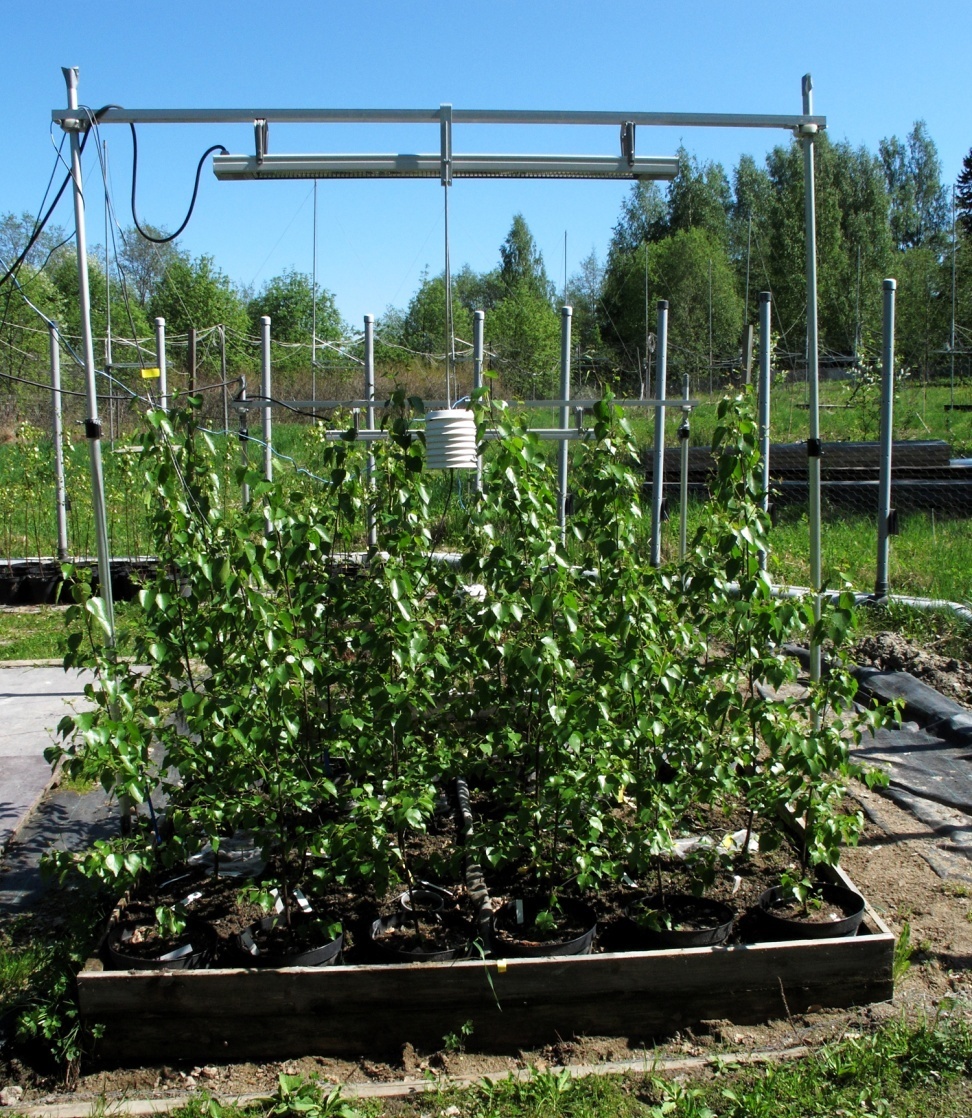
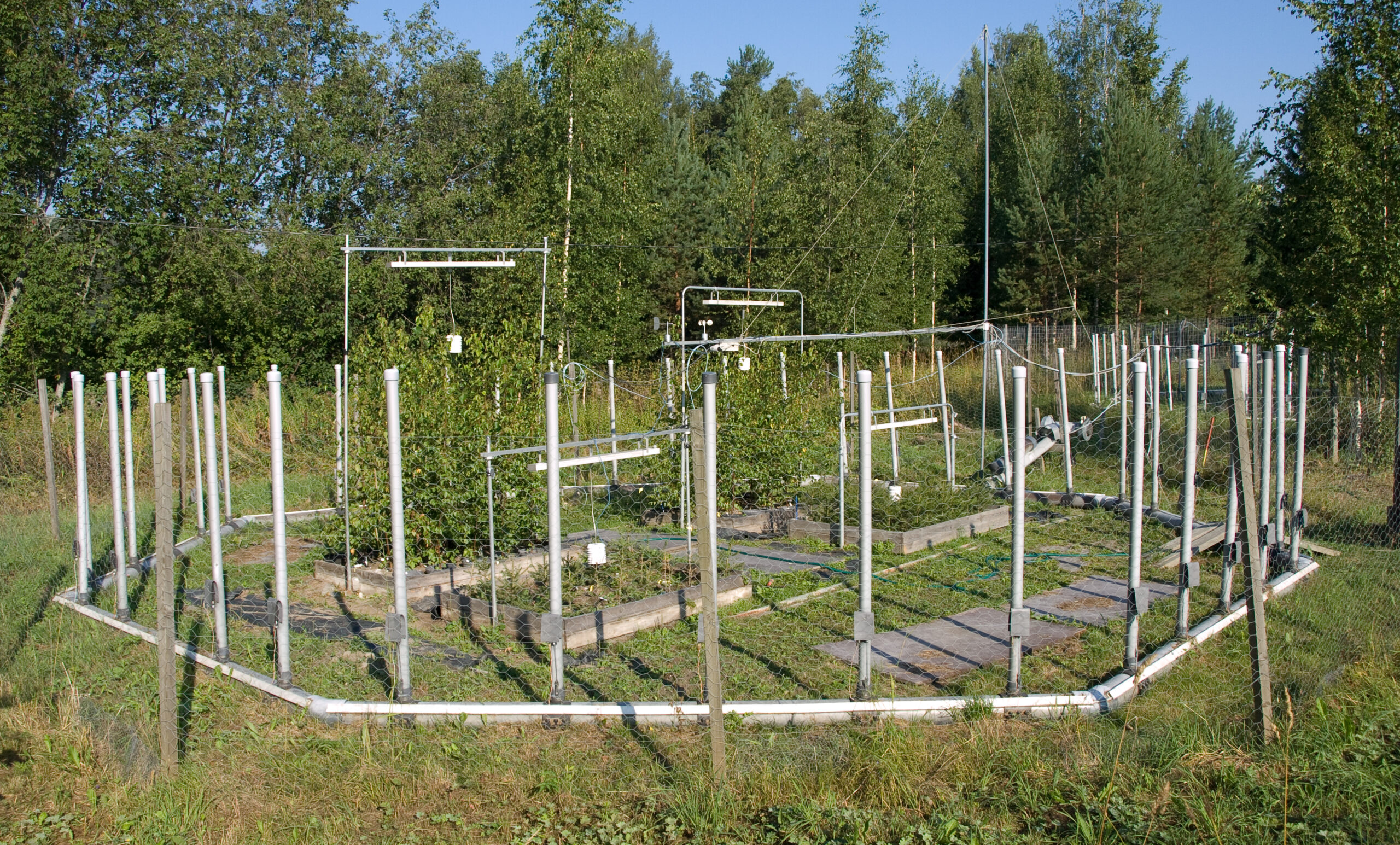
In my field research I measured stem diameter and height on 192 silver birch trees throughout a full growing season. Silver birch is one of the most widely used short rotation biomass crops in Northern Europe. Those growth measurements feed directly into biomass yield calculations using allometric equations, the same framework that bioenergy producers use to estimate how much harvestable dry matter a stand will produce. Moisture content is what connects that dry matter estimate to actual usable energy output. High biomass yield means nothing if the wood is too wet to burn efficiently.
A moisture meter gives you that measurement in seconds. This guide covers how they work, what to look for, and what is available on Amazon.
How Wood Moisture Meters Work
Most affordable wood moisture meters use electrical resistance measurement. Two metal pins are pressed into the wood surface and the meter measures how easily electrical current flows between them. Dry wood is a poor electrical conductor. Wet wood conducts more easily. The resistance reading is converted to a moisture percentage using a calibration curve built into the meter.
Pin-type meters are the most common and give readings from the surface down to the pin depth, typically 5 to 30 mm depending on pin length. They work best for cut wood surfaces where the pins can penetrate cleanly.
Pinless meters use electromagnetic radio frequency waves to detect moisture without penetrating the surface. They read a larger volume of wood and are faster for scanning large quantities of material. Accuracy is slightly lower than pin-type for precise measurements but they cause no surface damage.
For biomass and wood fuel applications where you are assessing moisture content before burning or processing, a pin-type meter at an affordable price point gives reliable results for most practical needs.
What Moisture Range Matters for Wood Fuel
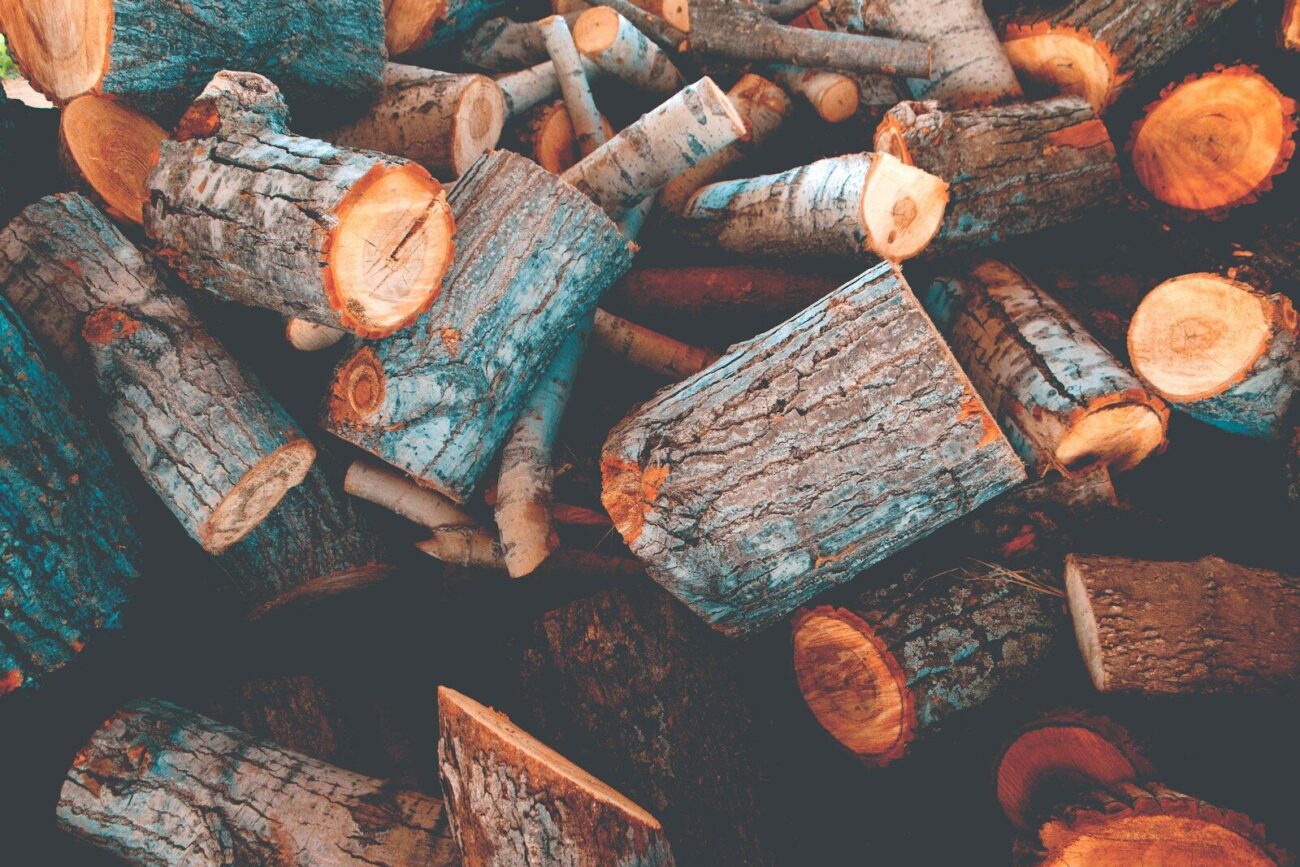
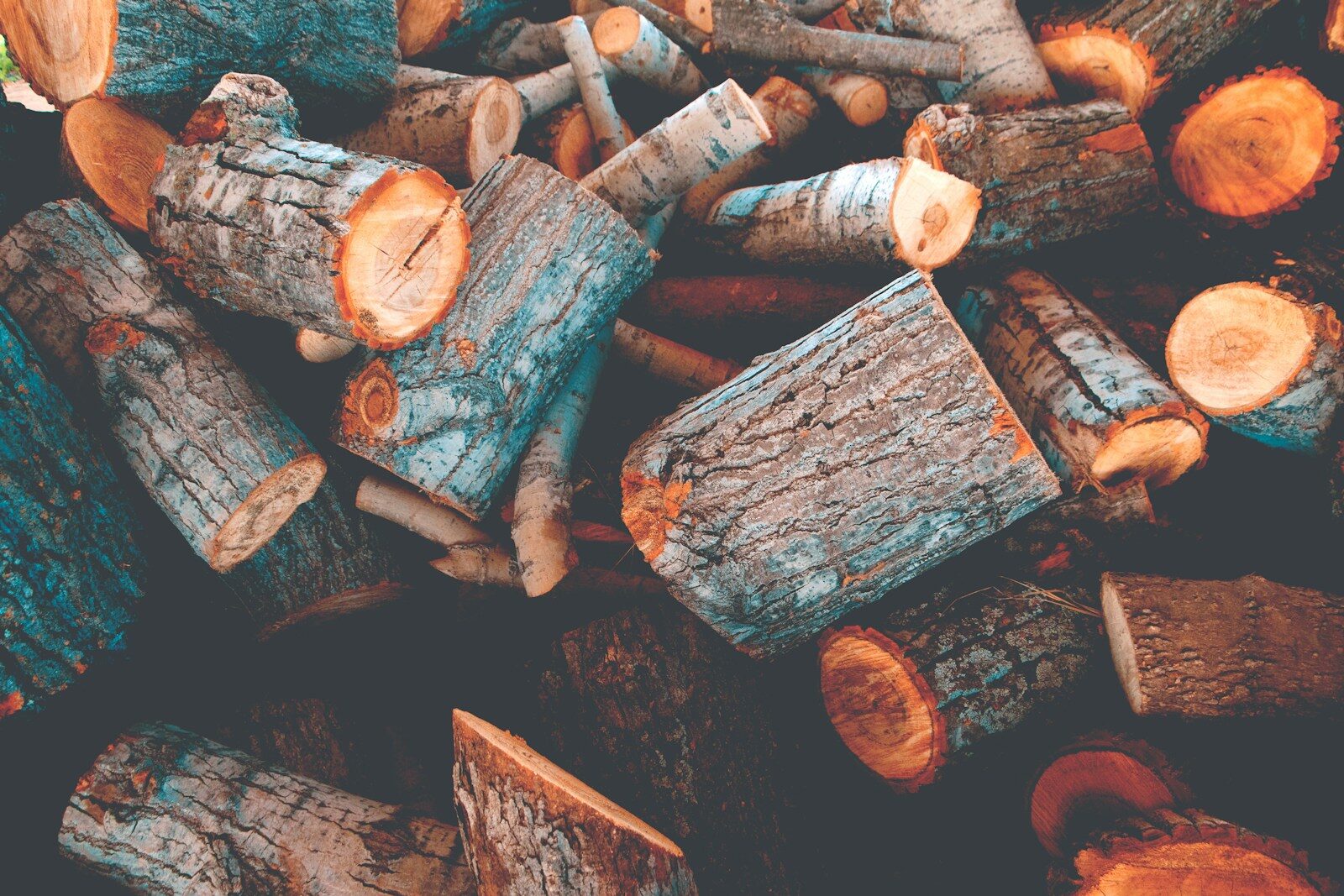
Freshly cut green wood typically has moisture content of 40 to 60% depending on species and season. Air-dried wood reaches 15 to 20% after one to two years of proper stacking. Kiln-dried wood is typically below 20% and often below 15%.
For efficient combustion in wood stoves and biomass boilers, moisture content below 20% is the standard target. Above 25% combustion efficiency drops significantly and creosote buildup in flues increases. Many national wood fuel quality standards like the UK Woodsure Ready to Burn scheme specify below 20% moisture at point of sale.
A moisture meter that reads accurately in the 10 to 30% range is what matters most for wood fuel quality assessment. Accuracy at very high moisture levels is less critical since any reading above 30% tells you the wood simply needs more drying time.
What to Look for When Buying
Measurement range.
For wood fuel, a meter reading from 5% to at least 50% covers all practical situations from kiln-dried to freshly cut green wood.
Accuracy.
Look for stated accuracy of plus or minus 1 to 2% in the 10 to 30% range. This is where wood fuel quality decisions are made and where accuracy matters most.
Species correction.
Wood density and cell structure vary between species and affect the resistance-to-moisture relationship. Better meters include species correction settings or correction tables for common wood types. For general wood fuel screening a single calibration is usually adequate.
Pin quality.
Stainless steel pins resist corrosion and stay sharp longer than cheaper alternatives. Replaceable pins are a practical advantage since pins wear and break with regular use.
Display.
A clear backlit display that is readable in outdoor light conditions saves frustration on site. Large digit displays are easier to read quickly.
Build quality.
A meter that gets dropped on concrete or left in a damp tool bag needs to survive. Rubber overmolding and solid construction matter for tools used regularly in outdoor conditions.
What Is Available on Amazon
Amazon has excellent selection for wood moisture meters at every price point. Entry-level pin-type meters for basic wood fuel checking start from around $10 to $20. Mid-range meters with species correction, backlit displays, and better accuracy run $30 to $60. Professional meters with extended pin depth, data logging, and calibration documentation are available from $100 upward.
For most wood fuel users and small-scale biomass researchers, a mid-range pin-type meter with clear display and species correction gives everything needed at a very accessible price.
Shop Wood Moisture Meters on Amazon →
Questions Worth Answering
What moisture content should wood fuel be before burning?
Below 20% for efficient combustion in most wood stoves and biomass boilers. Many quality standards specify below 20% as the ready to burn threshold. Above 25% you will notice significantly reduced heat output and increased smoke.
How do I measure moisture content of wood chips or pellets?
Standard pin-type meters work poorly on loose material like chips and pellets because you cannot press the pins firmly into a consistent surface. Dedicated grain and biomass moisture meters use a chamber or probe designed for loose material. For occasional checking of chips and pellets, pressing the pins firmly into a compressed handful gives a rough indication.
Does moisture content vary through a log?
Yes significantly. The surface dries faster than the core. A reading from surface pins only tells you surface moisture. For a more representative reading, measure a freshly split surface that exposes the interior of the wood.
Can I use a wood moisture meter for soil?
No. Wood and soil moisture meters use different calibrations and are not interchangeable. A dedicated soil moisture probe is required for soil moisture measurement.
How often should I calibrate my moisture meter?
Check against a known reference standard periodically, particularly if the meter has been dropped or exposed to extreme conditions. Many manufacturers provide a reference block for verification. For occasional wood fuel checking, annual verification is usually sufficient.