




Does burning wood really save carbon compared to burning gas or coal?
I get asked a version of this question a lot. And my honest answer is always the same: It depends on where the wood came from, how far it travelled, how it was processed, and what fossil fuel it replaced. Get those factors right and wood fuel delivers real greenhouse gas savings. Get them wrong and you could be releasing more carbon than the gas boiler you were trying to replace.
That uncertainty is exactly why biomass carbon calculators exist. I want to walk you through how they work, which tools are worth using, and what inputs you actually need to get a reliable result.
What Is a Biomass Carbon Calculator?
A biomass carbon calculator is a lifecycle emission tool. It calculates the total greenhouse gas emissions of a wood fuel supply chain from the point the feedstock is grown or harvested right through to the moment it is burned for heat or power.
The output is a carbon intensity figure, typically expressed as grams of CO₂ equivalent per megajoule of energy produced (gCO₂e/MJ). You then compare that against a fossil fuel comparator, usually natural gas or coal, to calculate how much carbon the biomass fuel actually saves.
For wood fuel to genuinely count as a climate solution, the full supply chain numbers have to prove it. A lifecycle calculation showing real emission reductions is the only credible basis for that claim. And in many markets it is not optional. Accessing renewable energy subsidies, compliance credits, or carbon markets requires documented proof of GHG savings. A biomass carbon calculator is how you produce that proof.
What Does a Biomass Carbon Calculator Cover?
This is where it gets interesting. A full supply chain calculation covers every stage where emissions occur, and there are more stages than most people expect.
Feedstock cultivation and harvesting covers emissions from forest management, felling, and extraction machinery. If any land use change is involved in sourcing the wood, that gets counted here too, and it can be significant.
Feedstock transport covers the distance and mode from forest to processing plant. Road, rail, and sea freight all carry different emission factors, and longer supply chains add up at every leg.
Processing is one of the most variable stages. Dry sawmill residues need very little energy to convert into fuel. Wet stemwood needs debarking, chipping, and thermal drying, all of which consume energy and generate emissions. The moisture content of your feedstock can make or break your GHG savings figure.
Biomass transport and distribution covers moving the processed fuel from the plant to the end user, including port handling and intermediate storage.
Final combustion accounts for the CO₂, CH₄, and N₂O released when the fuel actually burns.
Add all those stages together, subtract from the fossil fuel comparator, and you have your GHG saving percentage.
Which Biomass Carbon Calculators Should You Use?
I looked at several tools and here is my assessment of the main ones.
Drax Biomass Carbon Calculator is probably the most widely used tool for wood pellet supply chains. It covers the full supply chain from feedstock to final use and has been independently verified against both the UK Renewables Obligation and the EU Renewable Energy Directive. Free to download from the Drax website.
UK Solid and Gaseous Biomass Carbon Calculator is the official Ofgem tool required for UK Renewables Obligation compliance. It covers solid biomass including wood chips, pellets, and straw, as well as gaseous biomass including biogas and biomethane. If you are claiming UK subsidies, this is the one you need.
Bioenergy GHG Calculator 2.0 was developed by Canadian Forest Service researchers and is particularly strong for forest residue and whole-tree biomass scenarios. Its real strength is handling carbon debt timing, which I come back to below.
WWF Biogenic Carbon Footprint Calculator was developed with Quantis and covers biogenic emissions for a range of forest-based products including pellets, timber, and paper. Useful for companies improving GHG inventories and making sustainable sourcing decisions.
GREET Model from Argonne National Laboratory is the required tool for U.S. regulatory compliance under the 45Z Clean Fuel Production Credit and California’s Low Carbon Fuel Standard. I covered GREET in detail in a separate article on this site if you want to go deeper on that one.
What Inputs Do You Actually Need?
The quality of your output depends entirely on the quality of your inputs. I cannot stress this enough. Default values in most calculators are deliberately conservative. If you have actual data from your supply chain, use it. You will almost always get a better result.
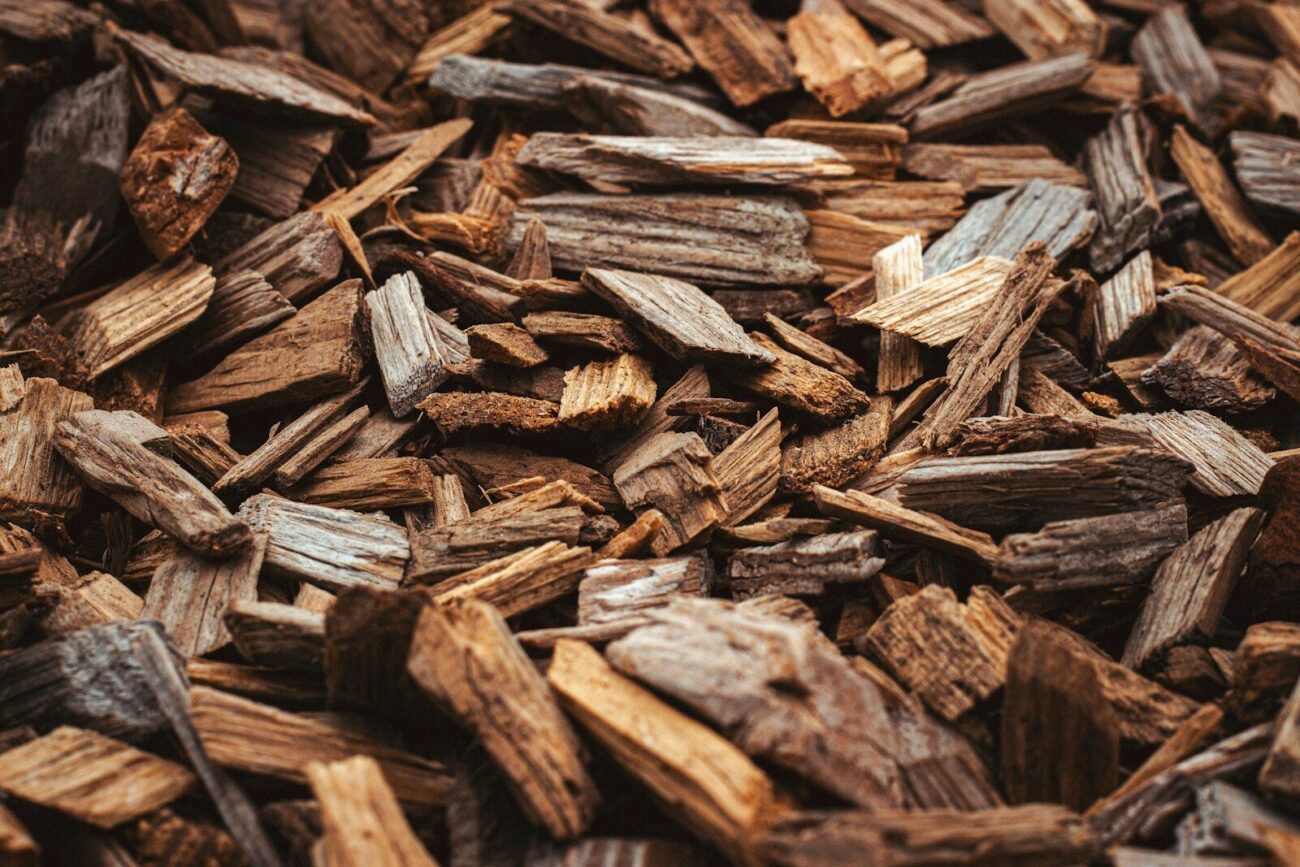
The key inputs to gather before you run any calculation are feedstock type and origin, including species, form (roundwood, residues, sawmill byproducts), and country of origin. Moisture content is probably the single most important variable. Wet feedstocks require far more processing energy than dry residues and that difference flows directly into your carbon intensity score.
Transport distances and modes matter at every leg of the journey. Processing energy source matters too because electricity grid carbon intensity varies significantly between countries. A processing plant using biomass-derived heat scores very differently from one running on grid electricity from a coal-heavy network. Finally, boiler or plant efficiency at the end use stage affects how much fuel you need per unit of useful energy output.
The Carbon Debt Question Nobody Talks About Enough
Here is something I find genuinely important that many biomass carbon calculators do not handle well: carbon debt and payback time.
When a tree is felled for bioenergy, the carbon stored in that tree is released at the point of combustion. A new tree takes decades to regrow and reabsorb that carbon. In those intervening years the atmosphere is carrying a higher carbon load than if the tree had been left standing.
This is the carbon debt concept. It is most relevant to whole-tree biomass and forest thinning scenarios. It matters far less for short-rotation energy crops like willow and poplar, which regrow within three to five years. And it is essentially zero for residues that would otherwise decompose or be burned as waste anyway.
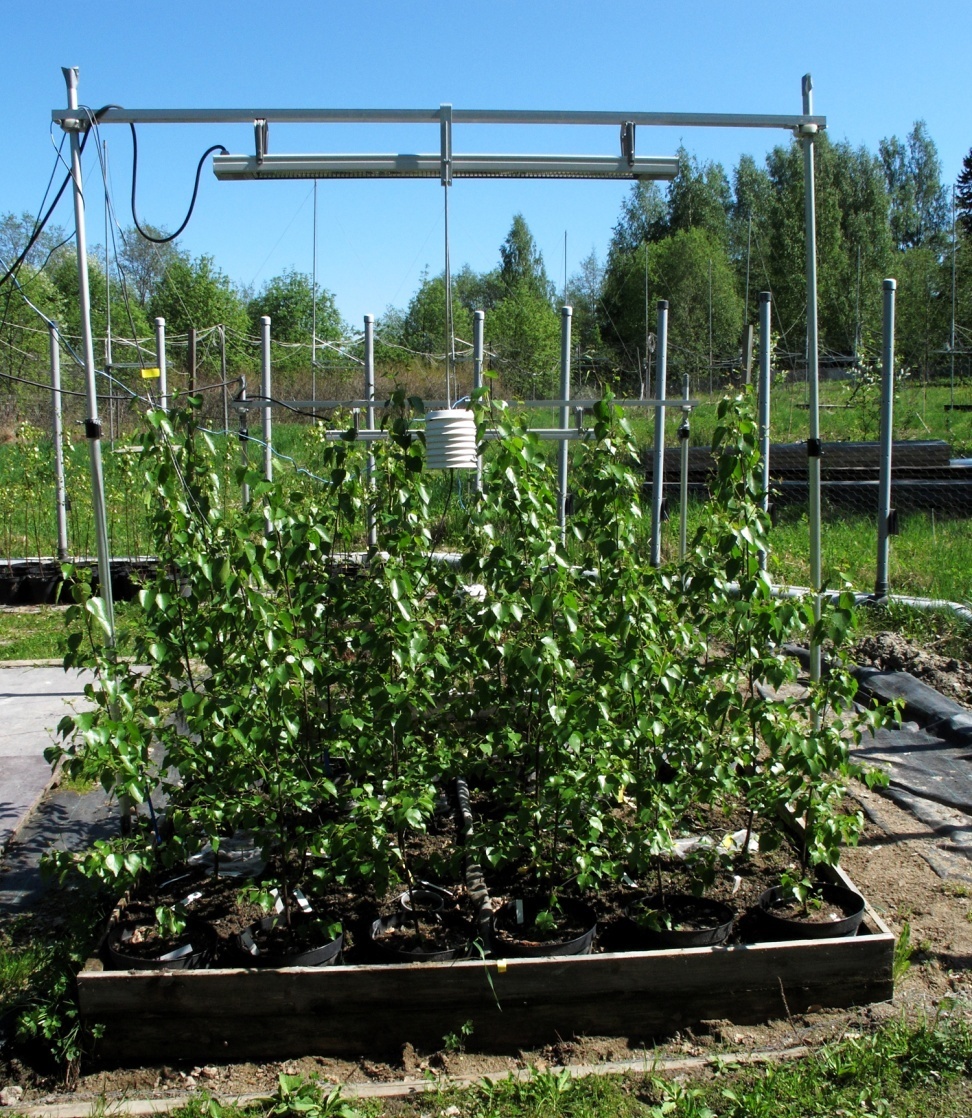
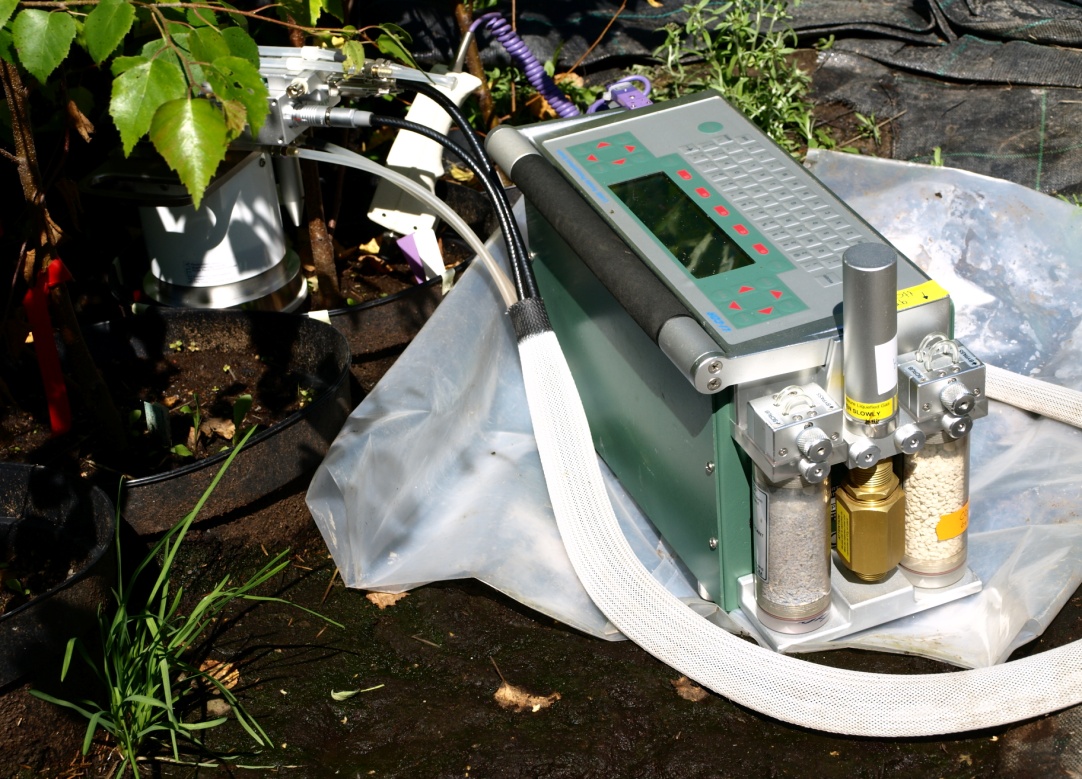
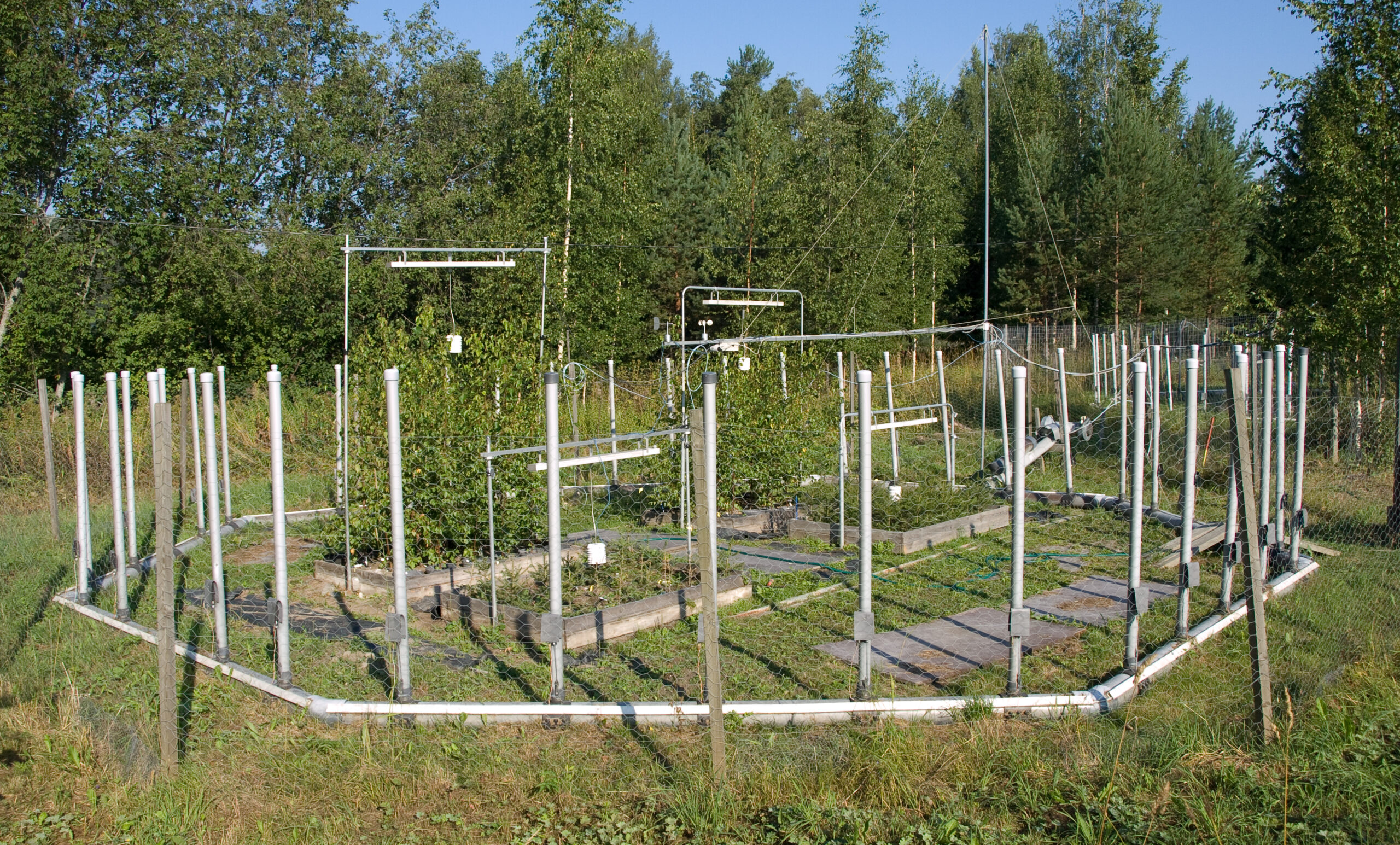
This connects directly to my own research. In my field experiment, I measured how moderate warming and ozone exposure affected above-ground biomass accumulation in silver birch trees. I found that even a 0.9°C temperature increase boosted stem height growth by around 9% in mid-summer. That kind of accelerated growth response shortens the carbon debt repayment period for a harvested stand, which directly improves the GHG savings calculation for any bioenergy system using that species. It is a small but real connection between field-level tree physiology and lifecycle carbon accounting.
The Bioenergy GHG Calculator 2.0 is the strongest tool I found for modelling carbon debt timing explicitly. If your biomass source involves forest harvesting rather than residues or short-rotation crops, picking a calculator that handles this properly is not optional.
Where to Access These Tools
All the calculators covered in this article are free.
Here are the direct links:
Drax Biomass Carbon Calculator , wood pellet supply chain GHG calculations, verified against UK and EU regulations
UK Solid and Gaseous Biomass Carbon Calculator , required for UK Renewables Obligation compliance
Bioenergy GHG Calculator 2.0 , strongest tool for forest residue scenarios and carbon debt timing
WWF Biogenic Carbon Footprint Calculator , biogenic emissions for wood-based products including pellets
GREET Model , U.S. regulatory compliance under 45Z and California LCFS
Frequently Asked Questions
Are biomass carbon calculators free?
Yes, all the main ones are. Drax, Ofgem, Bioenergy GHG 2.0, and the WWF calculator are all free to download or access online.
Which calculator do I use for UK compliance?
Use the Ofgem UK Solid and Gaseous Biomass Carbon Calculator for Renewables Obligation compliance. The Drax tool is verified against both UK and EU RED II frameworks if you need both.
What GHG saving percentage is required?
Under EU RED, solid biomass for electricity needs at least 70% savings versus fossil fuel for installations commissioned after 2021. Heat applications have a lower threshold. Check current Ofgem guidance for UK-specific requirements.
Does moisture content really make that much difference?
Yes, more than most people expect. Wet wood requires a lot of thermal energy to dry. If that energy comes from fossil fuels it can seriously erode your GHG saving. Dry residues or biomass-dried processing plants consistently score much better.
Can I use my own data instead of defaults?
Yes, and I would strongly encourage it. Actual data almost always produces a better result than conservative defaults, as long as it is accurate and verifiable. Regulators require documented evidence for compliance submissions.