



I want to tell you something that surprised me when I first started working in the field.
Soil is alive. Not in a poetic sense. Literally alive, constantly breathing, constantly pulling carbon in and pushing it back out. And the difference between those two directions, in or out, matters enormously for the climate we are all going to live in.
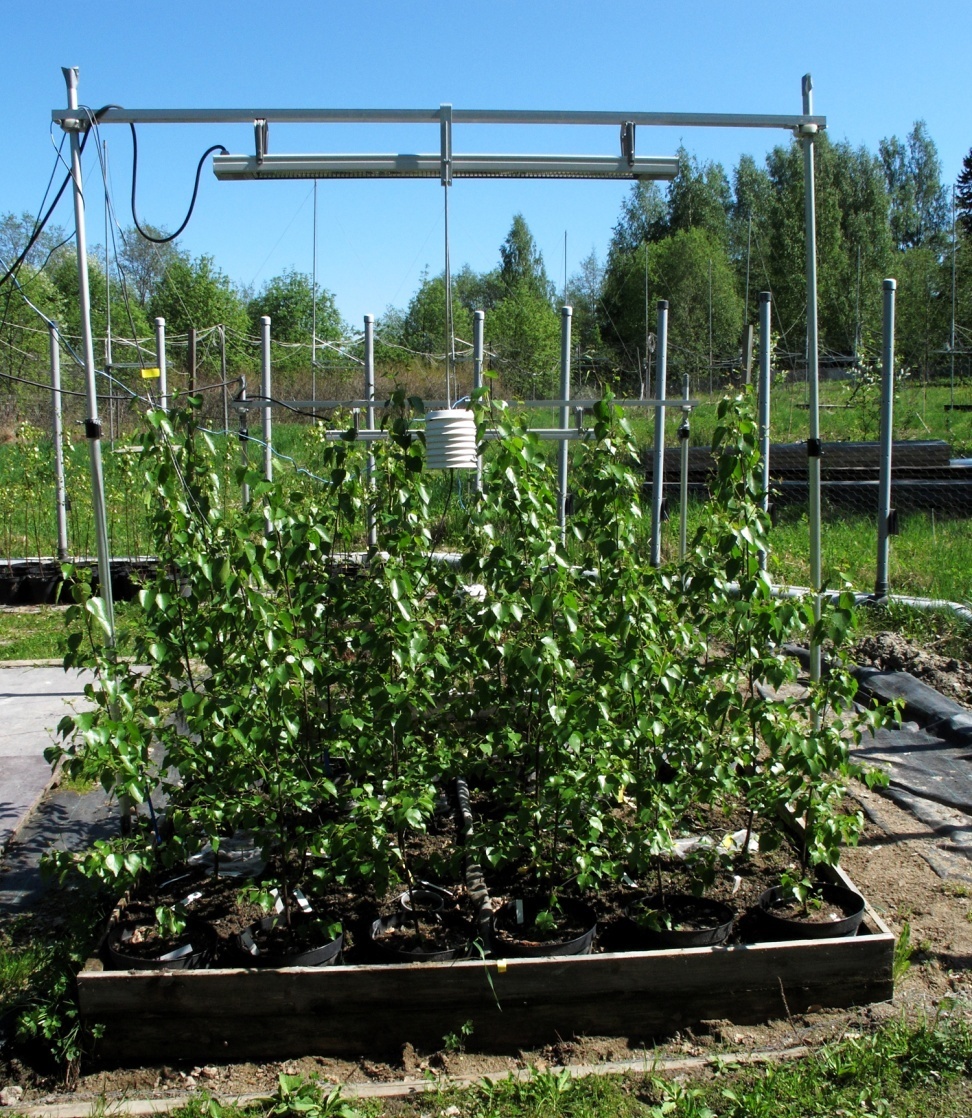
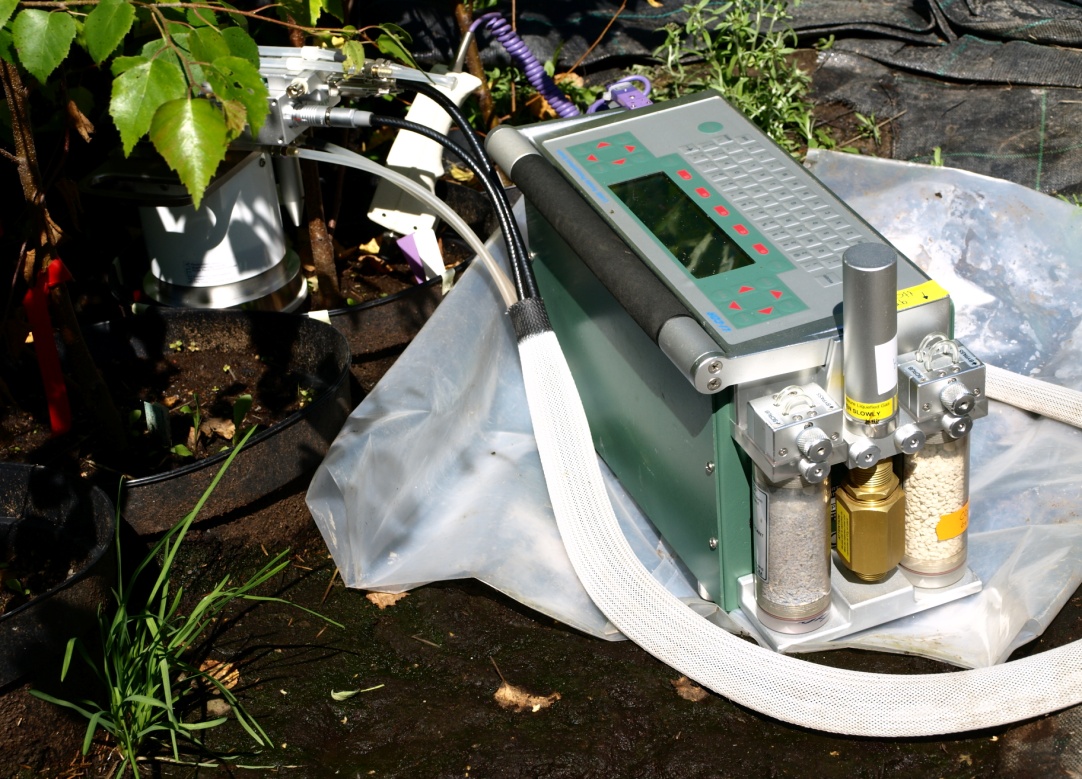
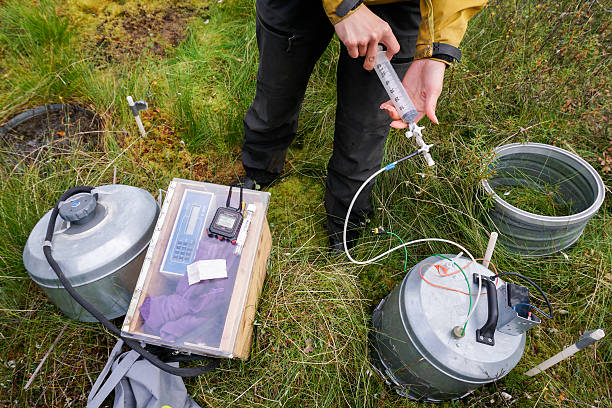
I spent a full growing season running a field experiment with silver birch trees, pressing a LICOR soil chamber against the ground and watching numbers appear on a screen. CO₂ efflux. Soil temperature. Moisture. Month after month. It was repetitive, sometimes frustrating work. But what I measured there genuinely changed how I think about soil, about forests, and honestly about climate change itself.
So let me explain this properly. Not the textbook version. The real version, including the parts that made me uncomfortable.
The Ground Beneath a Forest Is Not Just Dirt
Most people, when they think about carbon and forests, look up. They think about trees. Big trunks, canopies, wood. And yes, trees store carbon. But the real story is underground.
The soil beneath a mature forest holds more carbon than the trees above it. More carbon than the atmosphere itself. We are talking about 1,500 to 2,400 petagrams of carbon stored globally in soils, a number so large it is almost meaningless until you start to understand what keeps it there, and what causes it to leave.
That is what soil carbon sequestration is really about. It is not just the act of storing carbon. It is the ongoing, delicate, temperature-sensitive, biology-dependent process of keeping it stored.
So How Does It Actually Work?
Here is the version I wish someone had explained to me before I started my research. It took me longer than I care to admit to fully grasp just how much of the carbon story happens underground and how little of it is visible from the surface.
A birch tree, like the silver birch trees I was studying, absorbs CO₂ from the air through its leaves. That carbon gets built into sugars, into wood, into roots. Some of it, around 20 to 30% of what the tree pulls from the atmosphere, gets pushed down through the root system and into the soil.
Once it is in the soil, a few things can happen.
The roots themselves eventually die and decompose slowly, releasing carbon into surrounding soil particles. Soil microbes get involved, consuming organic matter and, crucially, binding carbon to mineral particles in the process. This microbial pathway is one of the most important routes to long-term carbon storage, and it is one that researchers have only recently started to fully appreciate.
Over time, organic material transforms into humus, a stable dark form of soil organic matter that can persist for hundreds of years. In some soils, carbon compounds also bind directly to clay particles and metal oxides, making them extremely resistant to breakdown.
All of this is happening right now, under every forest, every grassland, every field of cover crops, constantly and quietly.
Here Is Where It Gets Interesting, and Concerning
I want to tell you what I actually found in those experimental plots, because this is where soil carbon sequestration stops being an abstract concept and becomes something urgent.
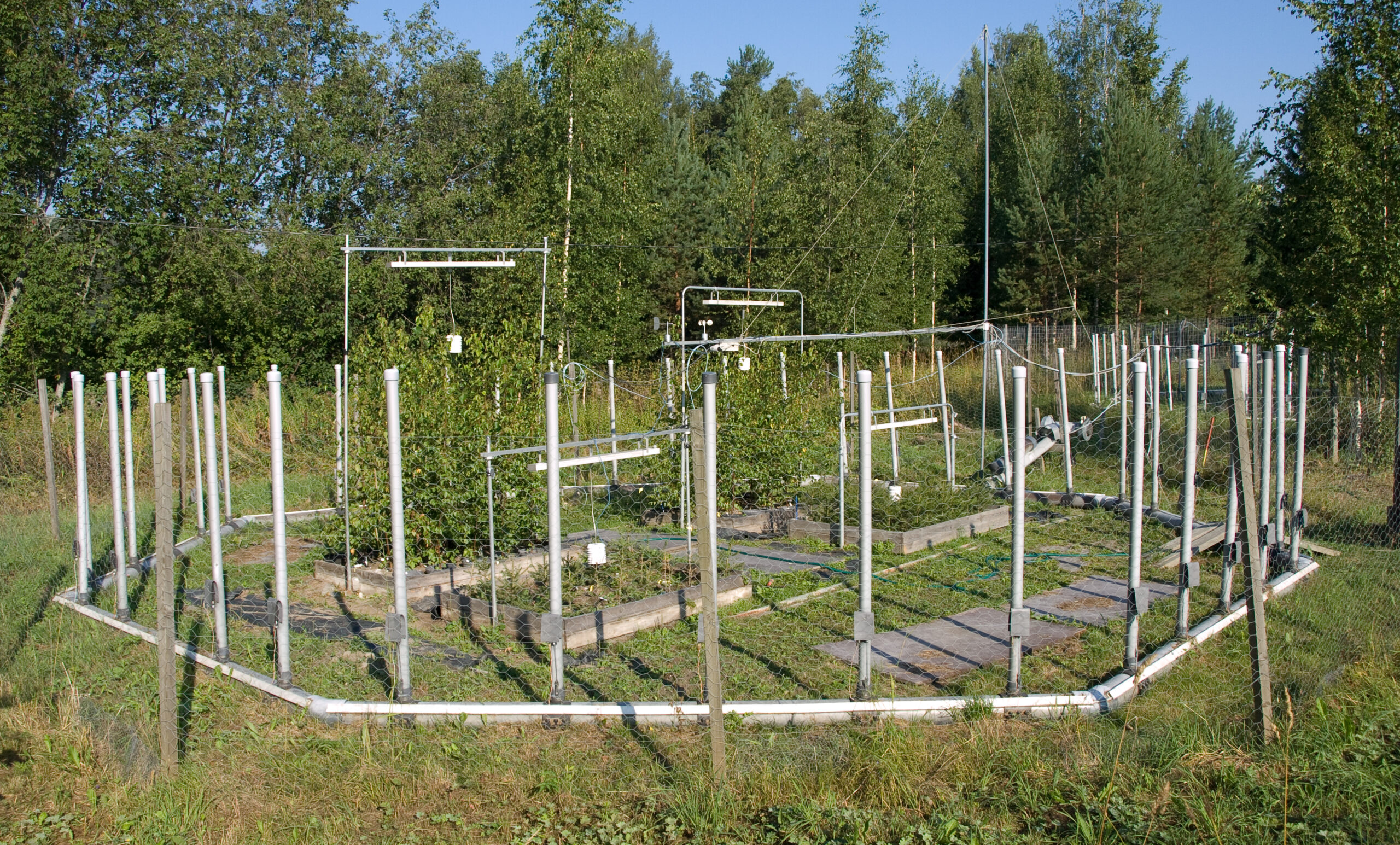
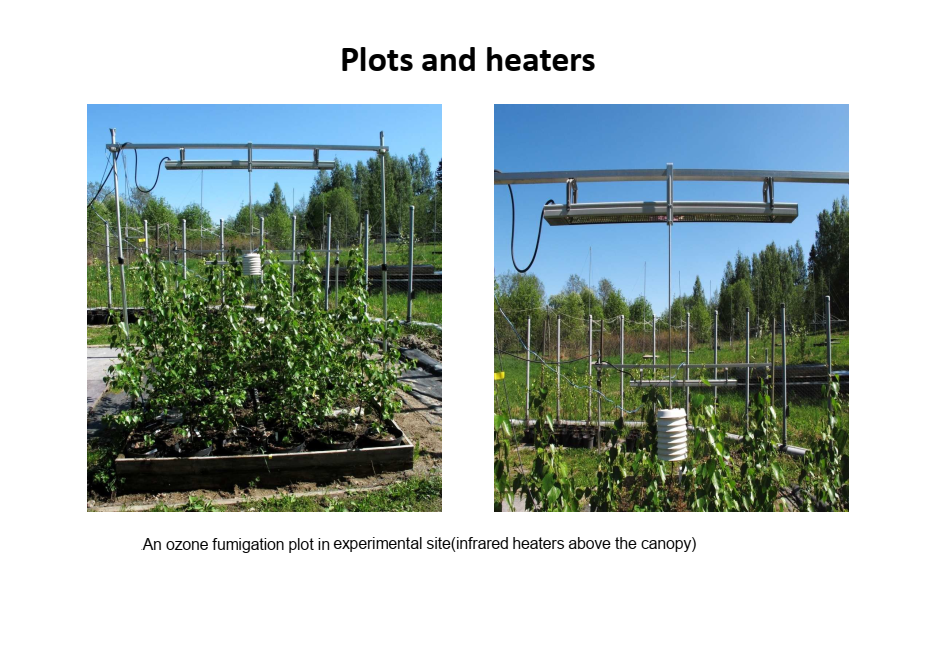
In my experiment, half the plots were warmed using infrared heaters that raised air temperature by just 0.9°C. Less than one degree. The kind of warming that sounds almost insignificant.
In those warmed plots, I measured soil CO₂ efflux increasing by 24% in one birch genotype and 36% in another. Every month throughout the growing season. I actually went back and checked my readings more than once because the difference was larger than I expected going in.
The warming was not just speeding up plant growth. It was speeding up the microbes in the soil. Those microbes were breaking down organic matter faster, releasing stored carbon back into the atmosphere faster. The soil was shifting from a carbon store toward a carbon source.
And this was from less than one degree of warming.
I think about that a lot when I read optimistic headlines about soil carbon sequestration solving climate change. The potential is real. But the vulnerability is real too.
Where Does Sequestration Happen?
Soil carbon sequestration happens pretty much everywhere plants grow, but some places do it far better than others.
Boreal forests sit on some of the most carbon-rich soils in the world. The cold temperatures slow decomposition, so organic matter builds up over centuries. Peatlands in high-latitude regions are even more extreme, storing carbon that has been accumulating for thousands of years. Disturb a peatland, drain it, warm it, and you can release in years what took millennia to store. In my field experiment, I worked with open-air plots set up specifically to simulate what happens to soil carbon under controlled warming and ozone conditions. The results were sobering.
Tropical forests are incredibly productive carbon sinks. Grasslands are often underestimated but store significant carbon in deep root systems. Agricultural soils are where the biggest opportunity lies, because they have been so heavily depleted by ploughing and intensive farming. In some cultivated soils, up to 70% of original organic carbon has been lost. That is also 70% of potential storage waiting to be recovered.
What Can Actually Increase Soil Carbon?
This is the practical part, and I find it genuinely encouraging after all the sobering data I just walked you through.
Stopping tillage is one of the most effective things you can do. Every time soil is ploughed, aggregates break apart, oxygen rushes in, and microbes go to work breaking down carbon that was previously protected. No-till farming dramatically slows this process. It sounds almost too simple. It is not simple to implement at scale, but the mechanism is straightforward.
Cover crops keep living roots in the soil between growing seasons, which keeps carbon inputs flowing year-round. Agroforestry, combining trees with crops, brings deep permanent root systems into agricultural land. Biochar, which is charred biomass added to soil, is one of the more interesting options because it is chemically stable enough to persist for hundreds to thousands of years and also improves soil structure and water retention at the same time. I find the biochar research particularly compelling given how it connects forest biomass, carbon storage, and soil health all at once.
Restoring wetlands and peatlands is arguably the highest-impact option of all. These ecosystems are extraordinarily efficient carbon accumulators when left intact or allowed to recover.
Is Carbon Sequestration Actually Good? Some People Say No
I want to address this honestly because there is a real debate here, and I think a lot of the popular coverage gets it badly wrong in both directions.
Some articles make soil carbon sequestration sound like a silver bullet. Others dismiss it entirely as greenwashing. Both of those takes frustrate me, because neither reflects what the data actually shows.
The argument against leaning too heavily on soil carbon sequestration is not that it does not work. It does. The argument is that it creates a false sense of security. If governments and corporations believe that farmers and forests will mop up emissions, it reduces the pressure to actually cut those emissions at the source.
There is also the permanence problem. Carbon stored in soil can be released. Fire, drought, temperature rise, a change in land use, a new owner who decides to plough. My own research demonstrated that even minor warming is enough to shift the carbon balance. That is not the same as burning coal, which releases carbon that was locked away for millions of years, but it is not permanent storage either.
The scientific consensus I find most convincing is this. Soil carbon sequestration is genuinely valuable, genuinely necessary, and genuinely limited. The IPCC estimates it could mitigate up to 5.3 billion tonnes of CO₂ per year by 2030. Global emissions are currently over 37 billion tonnes. It is a powerful tool in the toolkit. It is not the whole toolkit.
Carbon Sink vs Carbon Sequestration vs Carbon Stock
People use these interchangeably and they really should not. I get why they do, the concepts are genuinely close to each other, but the distinction matters when you are trying to evaluate whether a climate solution is actually working.
A carbon sink is a system that absorbs more carbon than it releases. A forest can be a carbon sink. So can an ocean.
Carbon sequestration is the active process of capturing and storing that carbon. It is the verb to the sink’s noun.
Carbon stock is simply the total amount currently stored. The accumulated result of sequestration over time. Think of it like a bank balance, the stock is what is in the account, sequestration is the act of making deposits, and a sink is an account where deposits consistently outpace withdrawals.
When I measured CO₂ efflux in my experimental plots, I was measuring whether the soil was acting as a sink or a source in real time. The carbon stock is what you would find if you dug down and analysed the soil itself.
Carbon Capture vs Carbon Sequestration
One more distinction worth making clearly.
Carbon capture usually refers to industrial technology, machines that pull CO₂ from emissions or directly from the air. It is engineering.
Carbon sequestration, in the way I use it and in the way most environmental scientists use it, refers to biological and geological processes. Plants, soils, oceans, rock formations. It has been happening for hundreds of millions of years without any human involvement.
Soil carbon sequestration sits firmly in that natural category. The question is whether we can manage it well enough to make it count.
Frequently Asked Questions
What are the 4 types of carbon sequestration?
Biological sequestration through plants and soils, geological sequestration through underground rock storage, oceanic sequestration through seawater absorption, and technological sequestration through industrial carbon capture machines. What I study and measure falls into the biological category.
How is carbon sequestration measured?
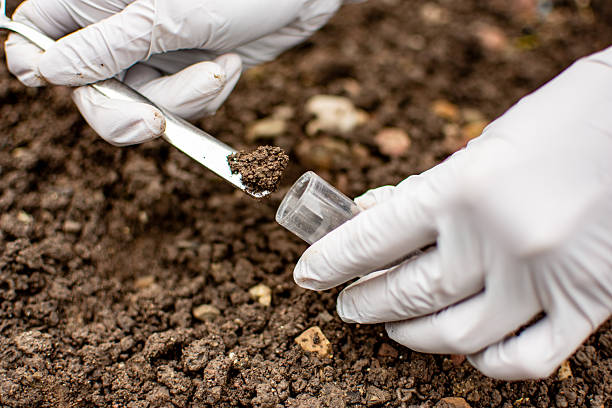
In the field, I used a LICOR 6400-09 soil respiration chamber placed directly on the soil surface to measure CO₂ efflux alongside soil temperature and moisture. At larger scales, scientists use soil core sampling, isotope tracing, and remote sensing tools. Getting accurate, long-term measurements is genuinely one of the hardest parts of this field.
How does carbon sequestration work in soil specifically?
Plants feed carbon into soil through roots and decomposing leaf litter. Microbes process that organic matter and bind carbon to mineral particles. Stable humus forms over time. The key is undisturbed, cool, moist conditions. In my experience, even a fraction of a degree of warming is enough to measurably accelerate carbon loss from soil.
Is carbon sequestration effective?
Yes, under the right conditions and with proper management. But I want to be honest based on what I measured directly. It is not a set-and-forget solution. Warming reverses it. Disturbance reverses it. It works, and it needs to be protected.
What is natural carbon sequestration?
It is carbon storage through ecological processes rather than technology. Forests, soils, wetlands, oceans. The open-air field experiment I conducted looked at exactly this kind of natural biological sequestration and how vulnerable it is to environmental change.
When does carbon sequestration occur?
Continuously, wherever plants are growing and organic matter is decomposing. In my field experiment, the most active measurement period ran from June through September, when plant growth and root carbon inputs were at their peak.
Can carbon sequestration reduce global warming?
It can make a meaningful contribution. But based on everything I have measured and read, it cannot do it alone. It has to work alongside serious, rapid cuts in fossil fuel emissions. One without the other is not enough.