
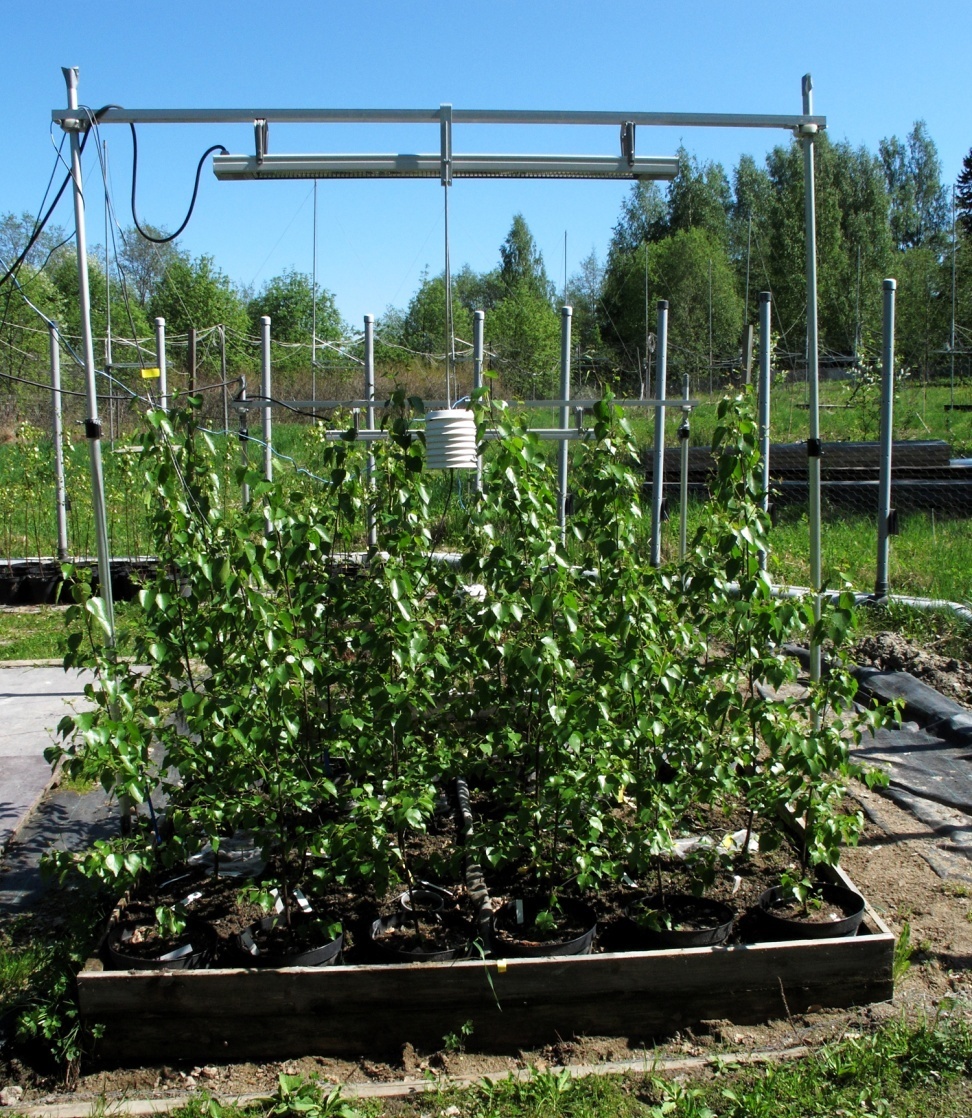
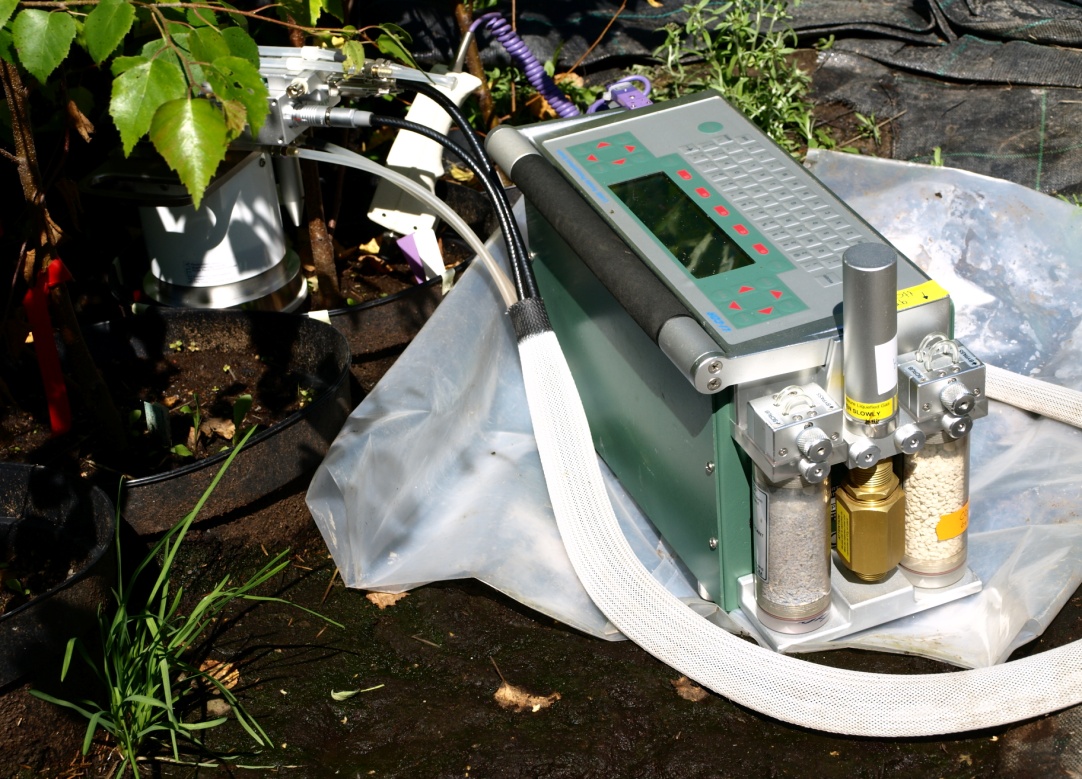
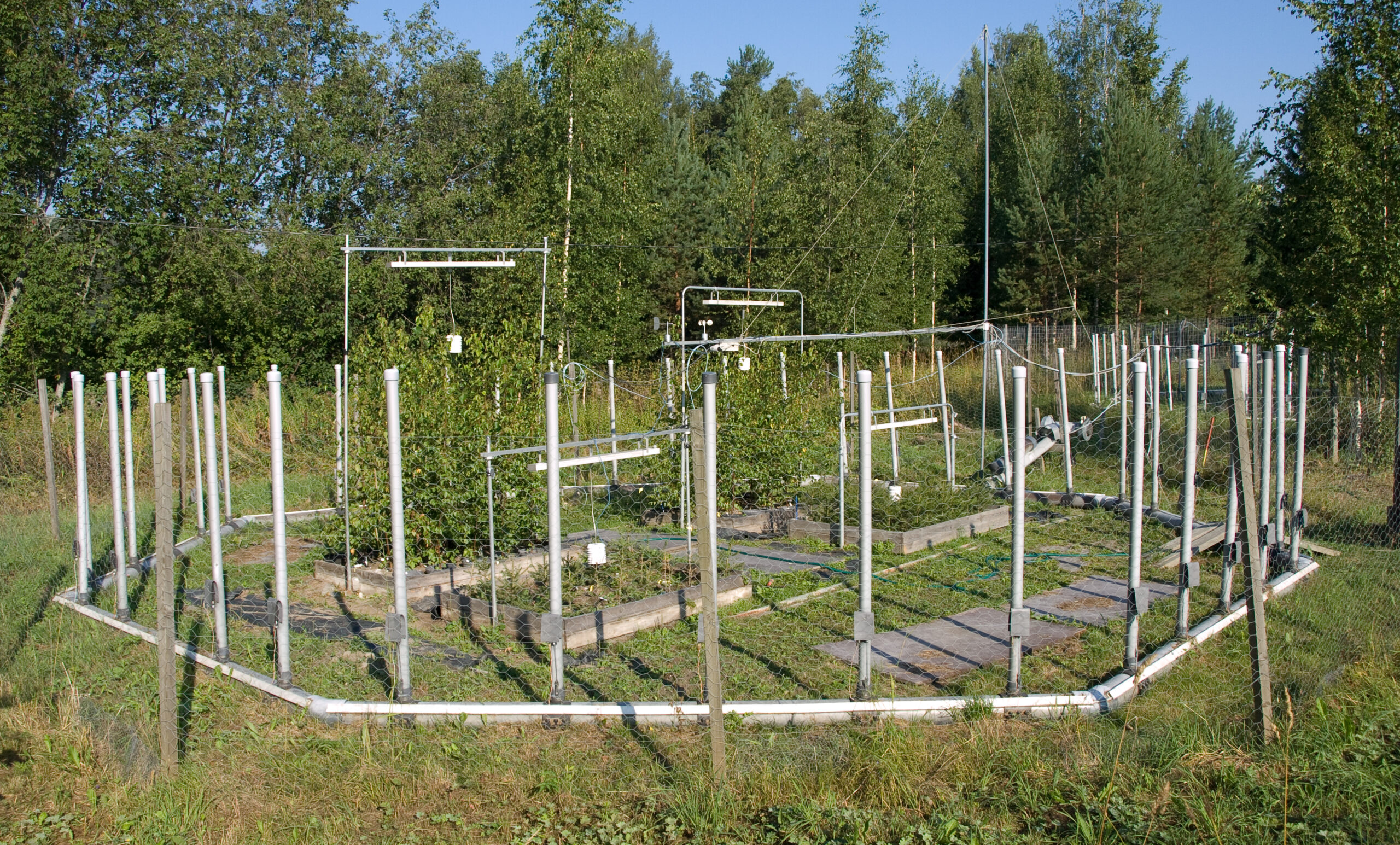
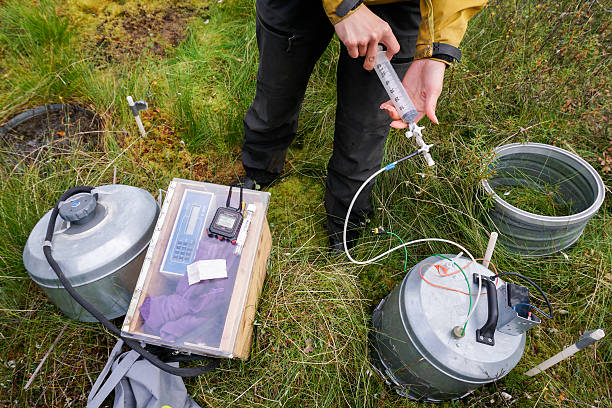





Every measurement day in my field experiment started the same way. Pack the equipment, carry it to the plots, work through the measurement protocol, carry everything back. Do that across a full growing season and you develop very clear opinions about what makes a field bag good or frustrating.
A bag that looks fine in a product photo but has inadequate padding, flimsy zips, or no internal organisation becomes a problem fast when you are carrying a soil respiration chamber, datasheets, a caliper, temperature probes, and spare batteries through an experimental field site.
This guide covers what to look for and what is available at different price points.
What a Field Research Bag Actually Needs
Weather resistance.
Field equipment gets rained on. A bag that soaks through in light rain and leaves your datasheets wet or your electronic equipment damp is not fit for purpose. Look for water-resistant materials at minimum. Fully waterproof options are worth the additional cost for frequent outdoor use.
Padding and protection.
Sensitive instruments like data loggers, handheld analysers, and portable sensors need cushioning against knocks and drops. Padded internal compartments or removable dividers let you configure the interior around your specific equipment loadout.
Internal organisation.
Small accessories, batteries, spare collars, labels, pens, and cable ties disappear in an unorganised bag and slow you down when you need them quickly. Multiple internal pockets and dedicated small item storage make a genuine difference over a long measurement day.
Carrying comfort.
If you are walking between plots repeatedly, padded shoulder straps and a back panel that breathes matter. A bag that cuts into your shoulder after an hour is a problem when you have three more hours of measurements to complete.
Durability.
Field bags take serious abuse. Zips that fail after a season, fabric that tears on vegetation, and buckles that crack in cold temperatures are all common failure points in cheaper options. Look for reinforced stress points and quality zip construction.
Size.
Match the bag size to your typical equipment loadout. Too small and you are making multiple trips or leaving things behind. Too large and the equipment shifts around and gets damaged even with padding.
Types of Field Bags Worth Knowing
Backpacks leave both hands free for carrying instruments and navigating rough terrain. Essential for any field site where you need to move between locations and handle equipment simultaneously. For most ecological field research a 20 to 35 litre backpack with padded laptop or tablet compartment covers most needs.
Hard cases provide the maximum protection for fragile or expensive instruments. Pelican and similar brands make waterproof, dustproof, crushproof cases with customisable foam interiors. These are the standard choice for transporting high-value instruments like gas analysers, portable sensors, and electronic measurement systems. Heavy and bulky but genuinely protective.
Soft equipment cases are lighter and more flexible than hard cases while offering better protection than a standard bag. Many come with padded dividers and are suitable for instruments that need some protection but not the full hard case treatment.
Vest and chest rigs used by some field ecologists keep frequently accessed small items like GPS units, pens, datasheets, and small tools immediately accessible without opening a bag. Useful as a supplement to a backpack for high-frequency access items.
What Is Available on Amazon
Amazon has excellent selection for field research bags at every price point. Backpacks with waterproof materials, padded compartments, and good internal organisation are widely available from established outdoor and tactical gear brands with strong reviews.
For hard cases, Pelican and compatible alternatives are well represented on Amazon with good review volumes and clear specification listings.
Search “waterproof backpack field research“ or “hard equipment case foam insert” depending on which type suits your needs. Look for at least 4 stars, 200 or more reviews, and check that waterproofing and padding are specifically mentioned in the product description rather than just implied.
Shop Field Equipment Bags on Amazon →
Questions Worth Answering
Do I need a hard case or will a padded backpack do?
For instruments costing hundreds or thousands of dollars, a hard case is worth the investment. For general field equipment, datasheets, hand tools, and moderately robust instruments, a quality padded backpack is sufficient and far more practical for day-to-day use.
What size backpack do I need for a day of field measurements?
For a typical day of ecological field measurements with a portable instrument, datasheets, probes, tools, and personal items, a 25 to 30 litre backpack covers most situations. If you are also carrying water, food, and rain gear for a full day in a remote location, 35 litres or more gives more comfortable packing.
Are tactical or military-style bags suitable for field research?
Yes, and many field researchers use them. They are typically very durable, have excellent internal organisation with multiple pockets, and are designed for hard use in outdoor conditions. The aesthetic is different from hiking or camera bags but the functional quality is often excellent at reasonable price points.
How do I protect electronic instruments in a backpack?
Use padded pouches or wrap instruments in bubble wrap inside the main compartment. Separate instruments from hard objects like metal probes and tools that could cause damage during transport. A dedicated padded electronics compartment is worth prioritising when choosing a bag.