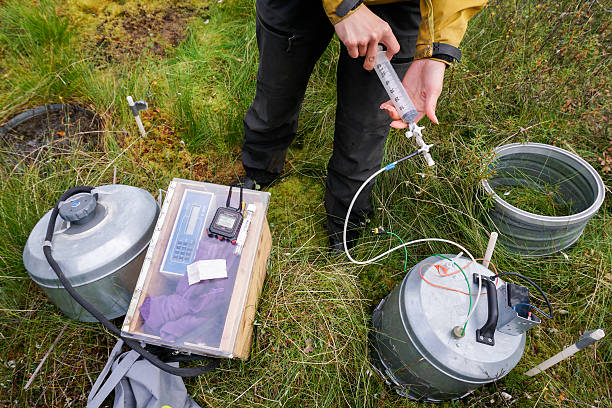
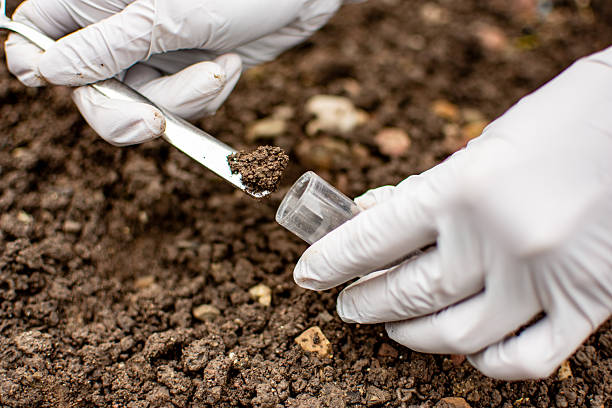



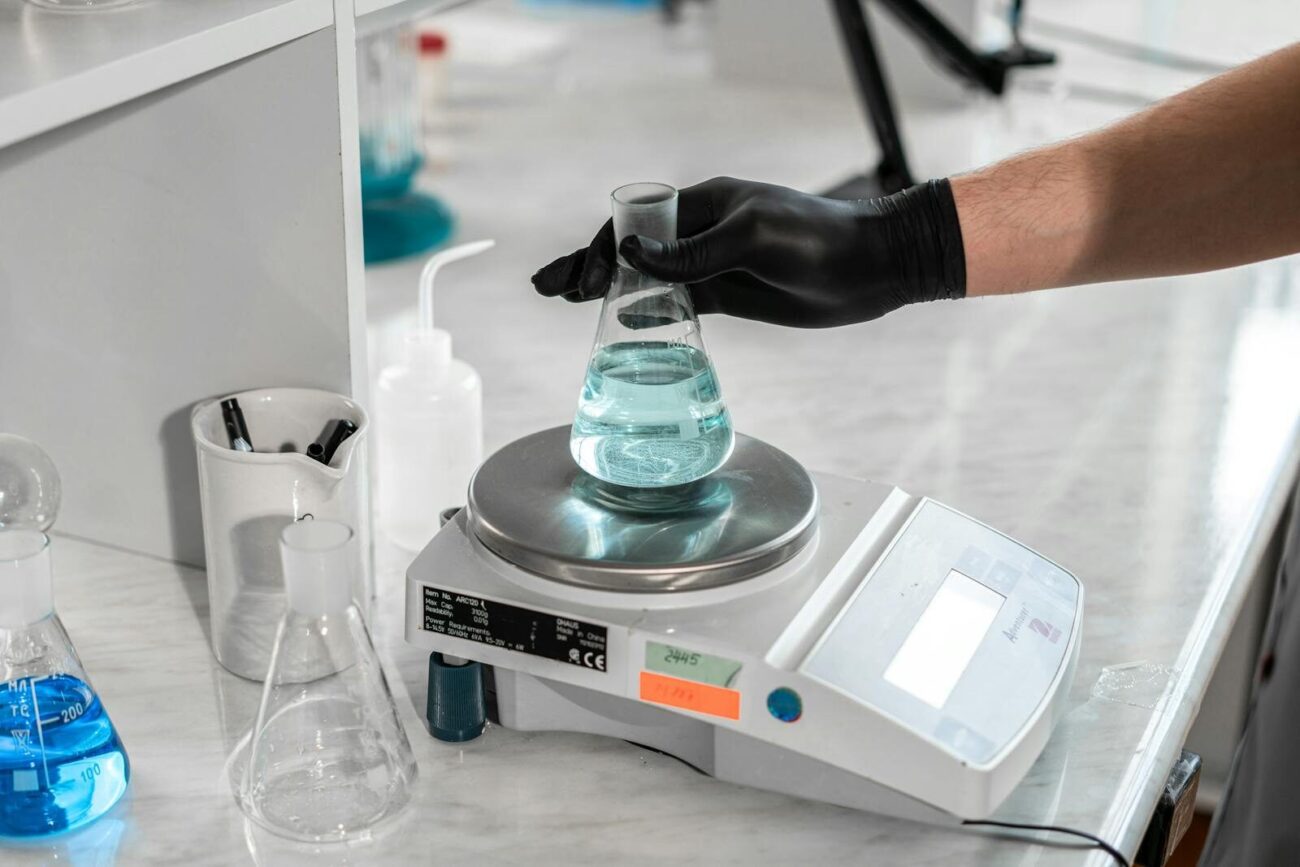
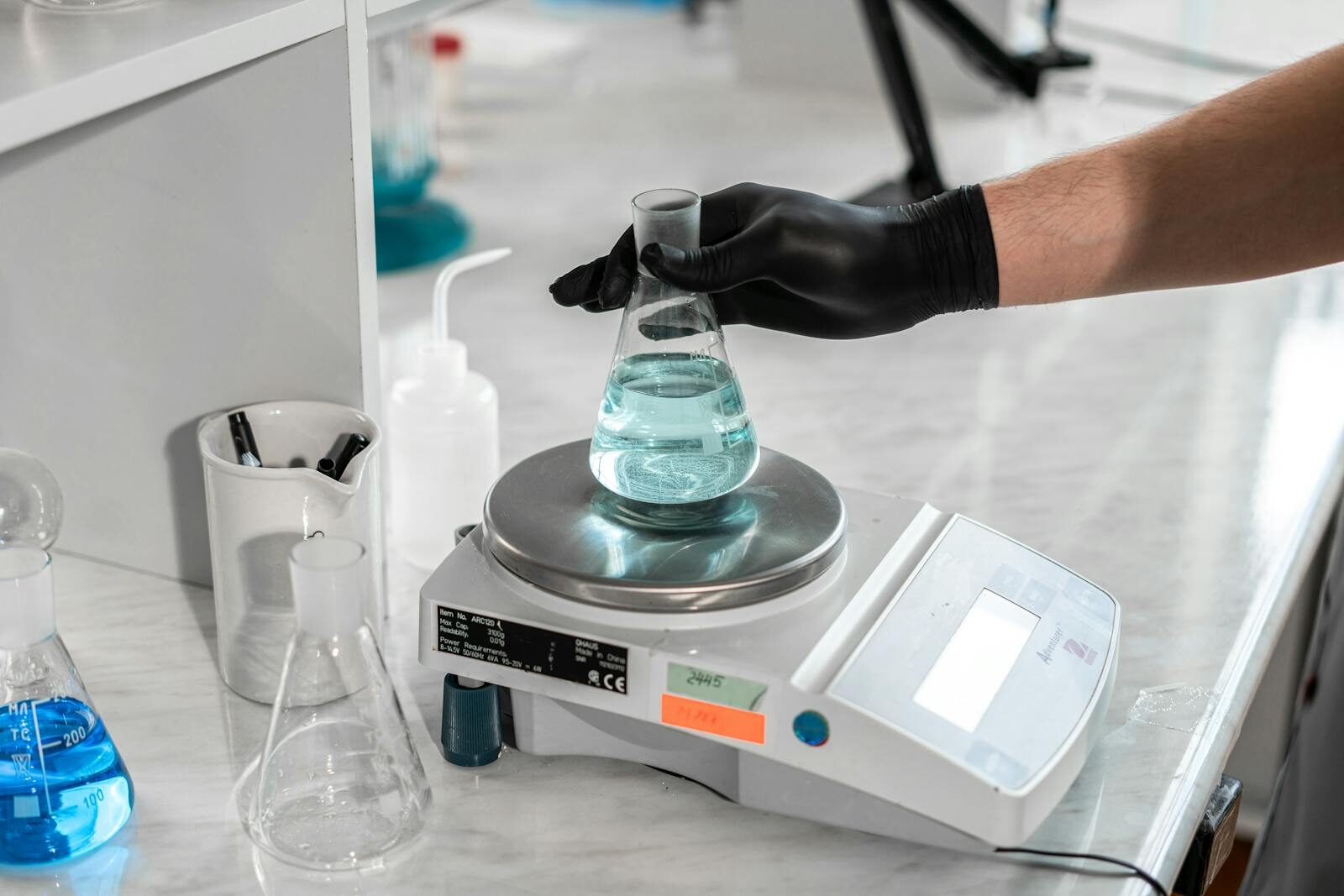
Weighing samples accurately is one of those tasks that looks trivial until you are doing it repeatedly in field or lab conditions with samples that need to be consistent across dozens of measurements.
In my research I dried leaf samples to obtain dry weight measurements for specific leaf area calculations. Getting those weights right mattered. A scale that drifts, reads inconsistently, or loses calibration partway through a batch of samples introduces systematic error that undermines the whole analysis. The same principle applies to biomass sampling where you are weighing fresh and dry plant material to estimate yield, moisture content, and carbon stocks.
This guide covers what to look for in a portable scale for research and field applications.
What Biomass and Plant Sample Weighing Actually Requires
Weighing requirements vary significantly depending on what you are measuring.
For fresh and dry weight of individual leaves, small root samples, or soil subsamples, you need a precision balance with resolution of 0.01 g or better and a capacity of at least 200 to 500 g. The sample masses involved are small and accuracy at the low end of the range matters more than total capacity.
For weighing larger biomass samples like branch sections, wood cores, or bulk soil samples, you need higher capacity, typically 1 to 5 kg, but can accept lower resolution of 0.1 g or 1 g.
For field weighing of large biomass harvests, wood chips, or bulk plant material, hanging scales or platform scales with capacity of 10 to 50 kg and resolution of 1 to 10 g are the practical choice.
Matching the scale to the sample mass range is the most important buying decision. A precision balance rated for 200 g at 0.01 g resolution is useless for weighing a 2 kg branch section. A hanging scale rated for 50 kg at 10 g resolution is useless for weighing a 0.5 g leaf sample.
Types of Scales Worth Knowing
Precision analytical balances offer resolution of 0.001 g or better and are the standard for laboratory sample preparation. They require a stable, vibration-free surface and are not suitable for field use. For weighing dried plant and soil samples in a lab after field collection, a precision balance gives the accuracy that research-grade dry weight measurements require.
Portable pocket scales offer resolution of 0.01 g with capacity up to 200 to 500 g in a compact, battery-powered form factor. These are practical for field use where you need to weigh small samples on site. Not as accurate as a laboratory balance but suitable for field-level biomass sampling where exact precision is less critical than portability.
Compact digital scales with capacity of 1 to 5 kg and resolution of 0.1 g balance portability and precision for mid-range sample masses. These suit most biomass sampling applications where individual sample masses fall in the gram to kilogram range.
Hanging or crane scales suspend the sample from a hook and are ideal for weighing large biomass bundles, harvested plant material, and bulk samples directly in the field without needing a flat surface. Capacity ranges from 10 to several hundred kilograms at resolutions of 1 to 10 g.
Shop Portable Scales on Amazon →
What to Look for When Buying
Resolution and capacity match.
As discussed above, match the scale to your sample mass range. The most common mistake is buying a scale with either too little capacity or too low resolution for the intended application.
Tare function.
Essential for any scale used in research. The tare function zeros the display with a container on the scale so you measure only the sample mass. Without this every measurement requires a separate container weight subtraction.
Calibration.
Research applications require scales that can be calibrated against known reference weights. Look for scales with external calibration capability and check whether calibration weights are included or need to be purchased separately.
Battery life and power.
For field use, battery life is critical. Scales that run on standard AA or AAA batteries are more practical in remote locations than those requiring USB charging. Auto-off features extend battery life but can be frustrating if the scale powers down between measurements.
Stability and wind sensitivity.
Portable scales used outdoors are sensitive to wind. A scale with a draft shield or one designed for stable readings in ambient air movement gives more consistent results in field conditions.
Waterproofing.
For field use in any conditions where moisture is possible, look for at least splash resistance. IP54 rated scales handle outdoor conditions reliably.
Common Questions
What resolution do I need for leaf dry weight measurements?
For individual leaf dry weights in plant physiology research, 0.01 g resolution is the minimum and 0.001 g is preferable for very small leaves. In my work drying leaves at 60°C and weighing for specific leaf area calculations, consistent resolution at this level was essential for meaningful comparisons between samples.
Can I use a kitchen scale for biomass research?
For rough field estimates of large biomass samples, a quality kitchen scale with 1 g resolution gives useful data. For research where dry weights will be published or used in carbon stock calculations, a calibrated laboratory or field balance with documented accuracy is necessary.
How do I calibrate a portable scale in the field?
Using certified calibration weights of known mass. Place the weight on the scale and verify the reading matches the certified mass. If it does not, adjust using the calibration function. Most research applications require calibration verification at the start of each weighing session.
What capacity do I need for biomass harvest sampling?
Depends on your sample size. For individual plant harvests in experimental plots, a 5 kg capacity scale with 1 g resolution covers most situations. For bulk biomass harvest weighing, a hanging scale with 50 kg or greater capacity is more practical.