
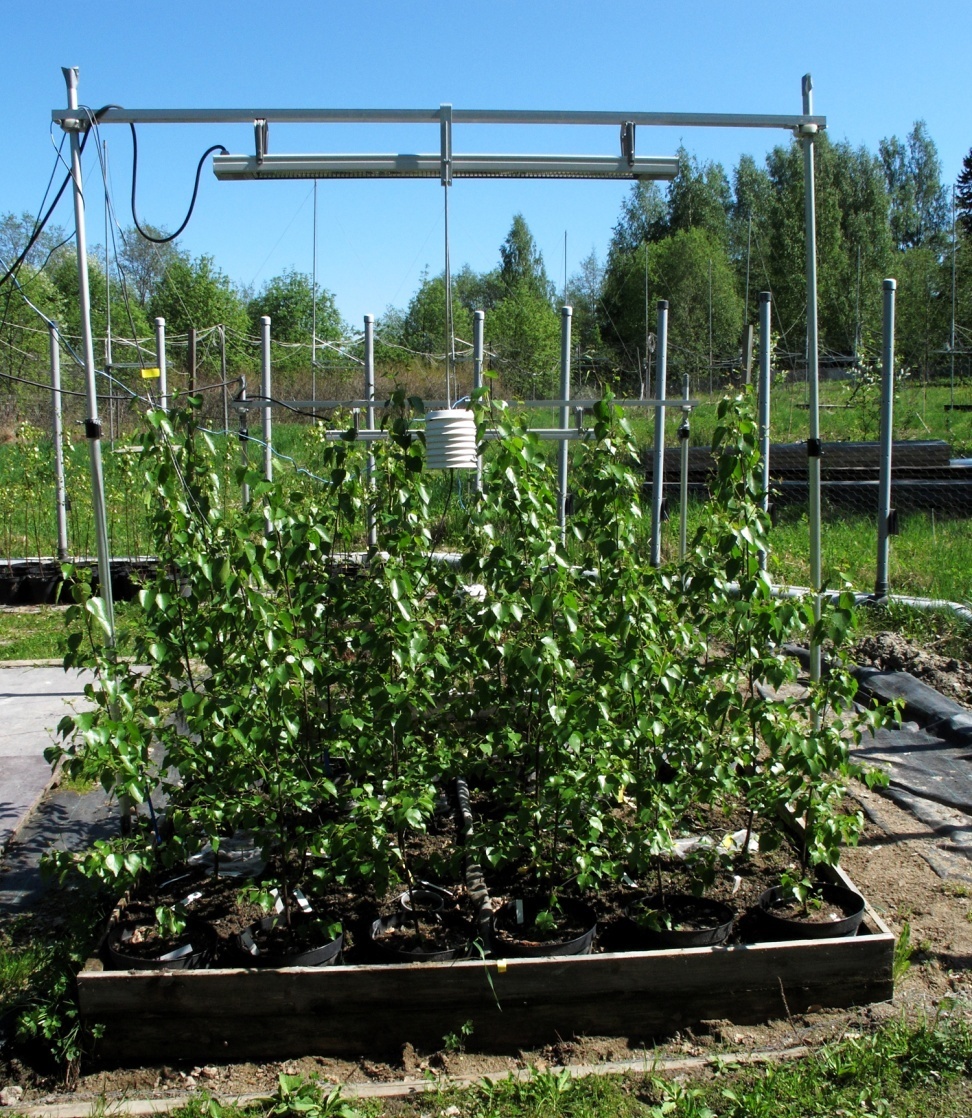
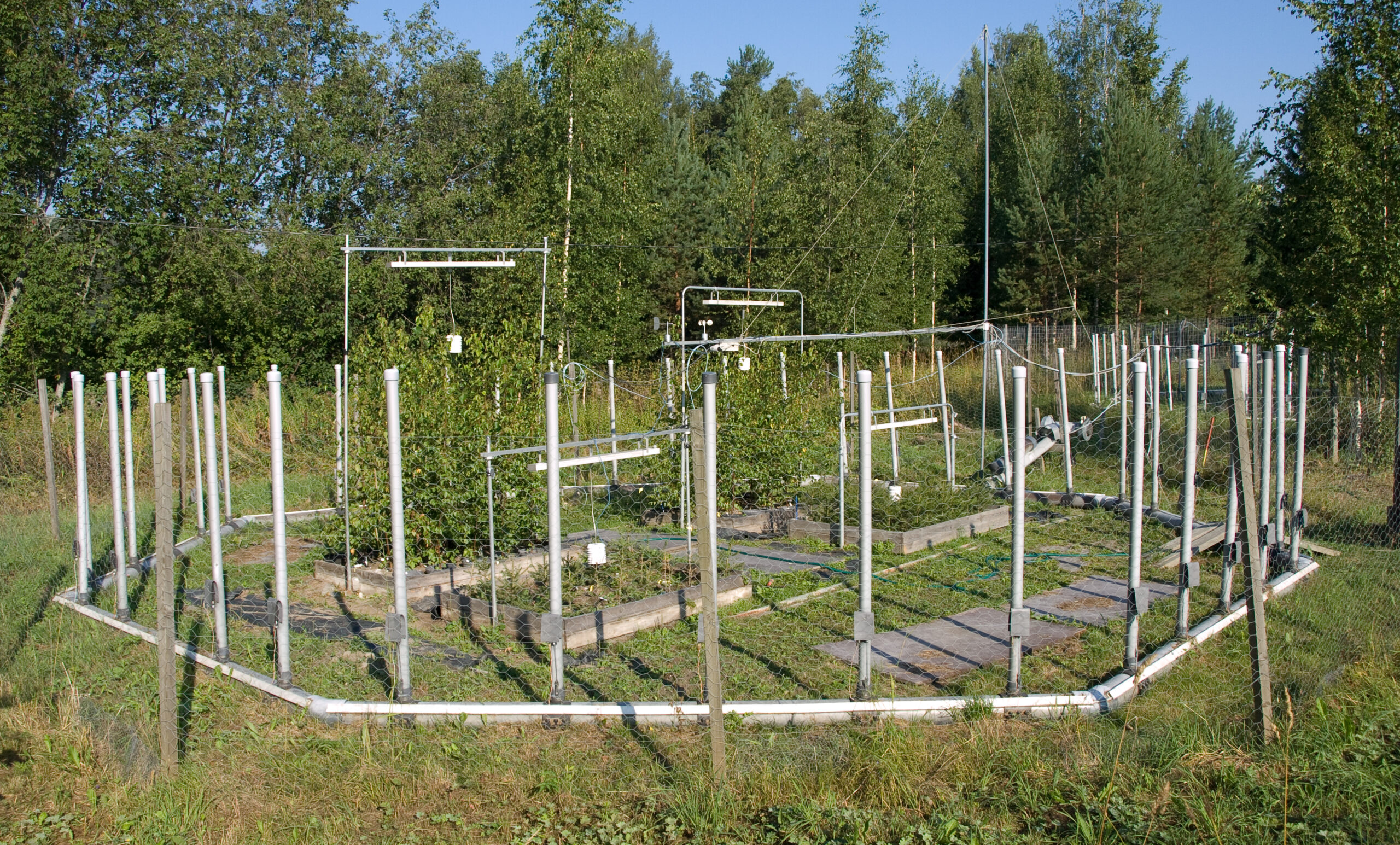
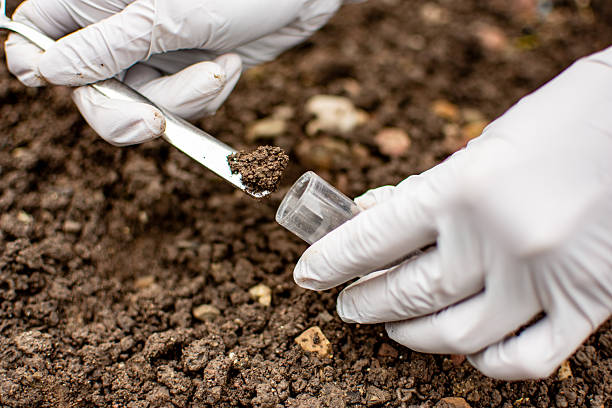



In my field experiment I monitored ozone concentration continuously across treatment and control plots to verify that the fumigation system was delivering the right concentration to target trees. Getting that verification right was not optional. Without it I could not have defended the validity of my treatment comparisons.
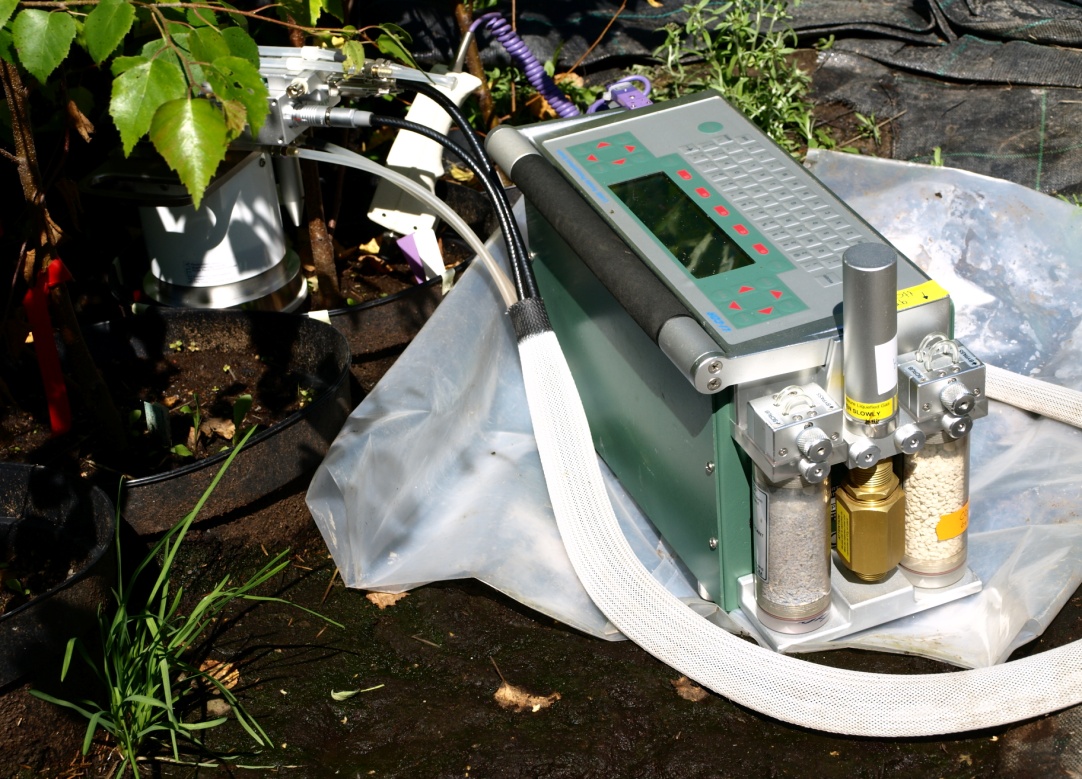
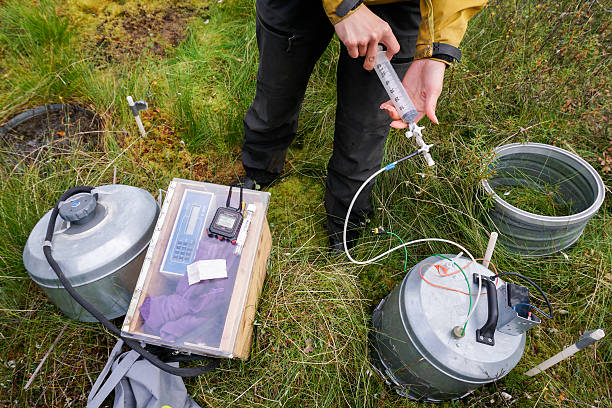
I also measured CO₂ flux from soil surfaces throughout the growing season using infrared gas analysis. Both experiences gave me a practical understanding of what gas analysis in field conditions actually requires and where the limitations lie.
This guide covers the main portable gas analyser options for CO₂ and ozone monitoring and what to look for before buying.
CO₂ Analysers: What to Look For
Infrared gas analysis is the established standard for CO₂ measurement in research. Non-dispersive infrared sensors detect CO₂ by measuring how much infrared light at a specific wavelength the gas absorbs. NDIR sensors are accurate, stable over time, and work reliably across a wide range of field conditions.
Electrochemical CO₂ sensors are cheaper but drift significantly over time and require frequent recalibration. For research applications where data quality matters, always choose NDIR over electrochemical.
For portable CO₂ monitoring in ecological research, key specifications to check are measurement range, typically 0 to 2000 or 0 to 5000 ppm for most ambient and near-surface applications, accuracy of plus or minus 50 ppm or better, response time of under 60 seconds, and battery life for your intended deployment length.
Ozone Analysers: What to Look For
Ozone monitoring in field research uses two main detection principles.
Ultraviolet photometry is the reference method for accurate ozone measurement. A UV lamp at 254 nm wavelength measures ozone absorption directly. This is the most accurate approach and is used in regulatory monitoring and research applications where precise absolute concentrations are required. In my experiment, the ozone fumigation system was monitored using UV-based analysers to verify treatment concentrations.
Electrochemical sensors offer a lower-cost alternative. They are portable and battery-powered but less accurate than UV photometry and susceptible to interference from other oxidising gases. For research where absolute accuracy is critical, UV photometry is the appropriate choice.
Are Research-Grade Gas Analysers Available on Amazon?
Honestly, not in any meaningful sense for serious research applications.
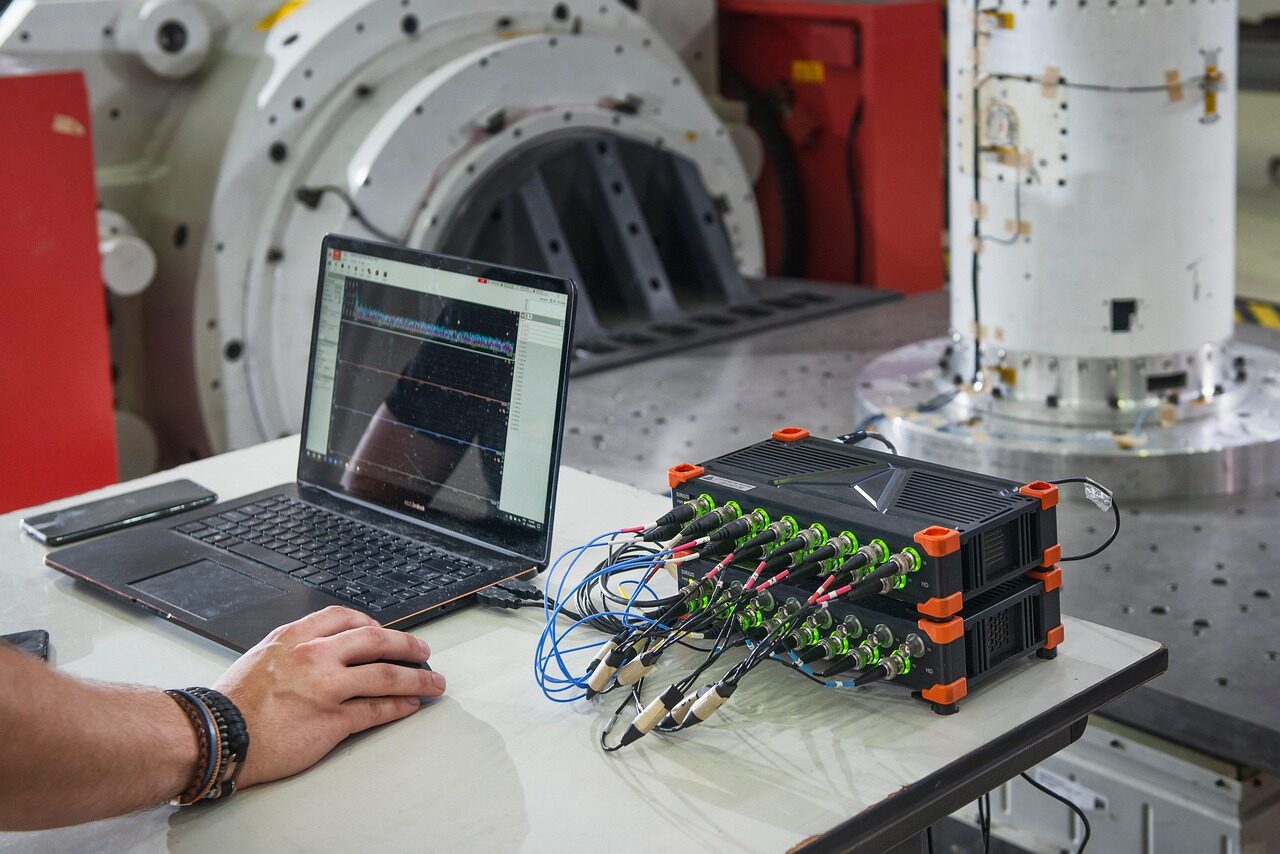
Research-grade CO₂ and ozone analysers from manufacturers like Thermo Scientific, 2B Technologies, and LICOR are specialist instruments sold through scientific equipment distributors. Prices start from several hundred to several thousand USD and require calibration gas and technical knowledge to operate correctly.
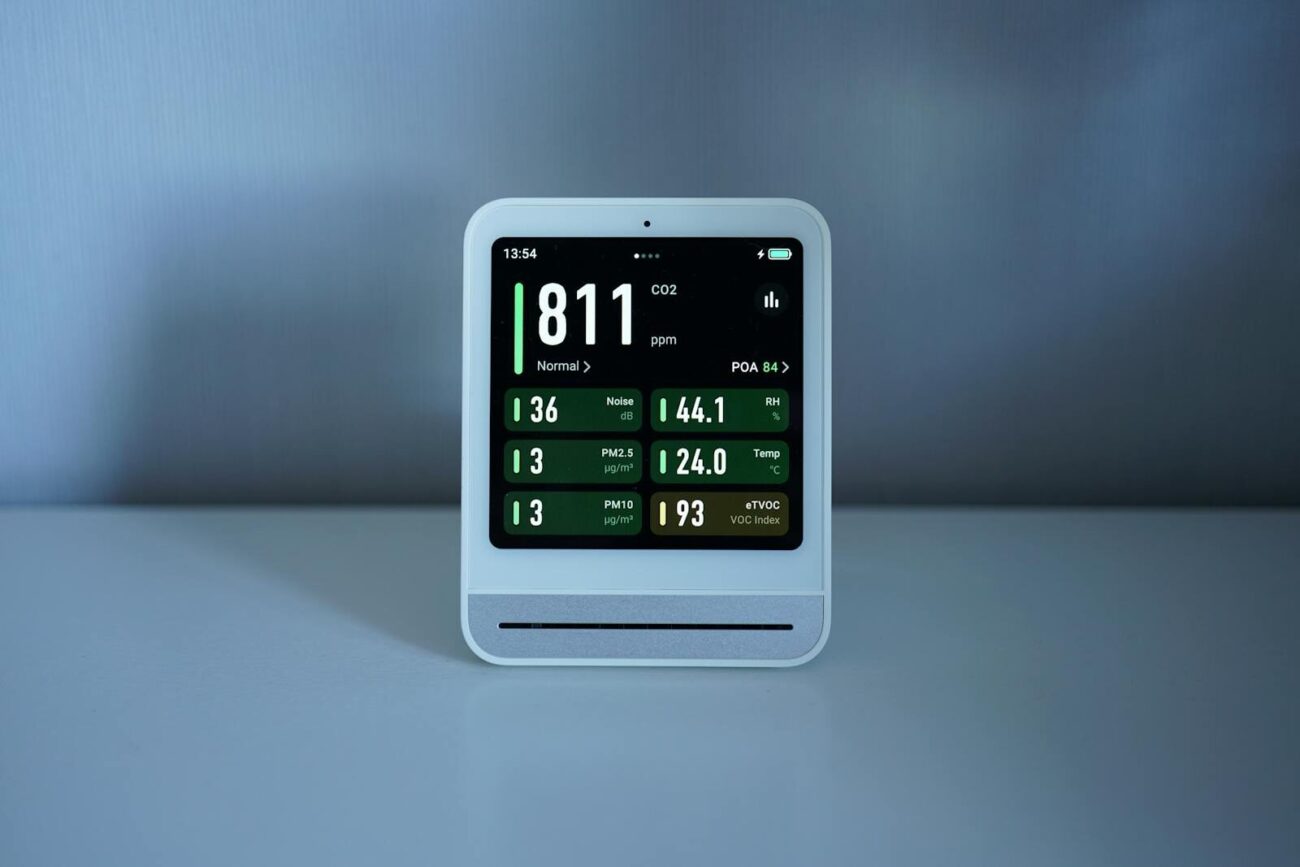
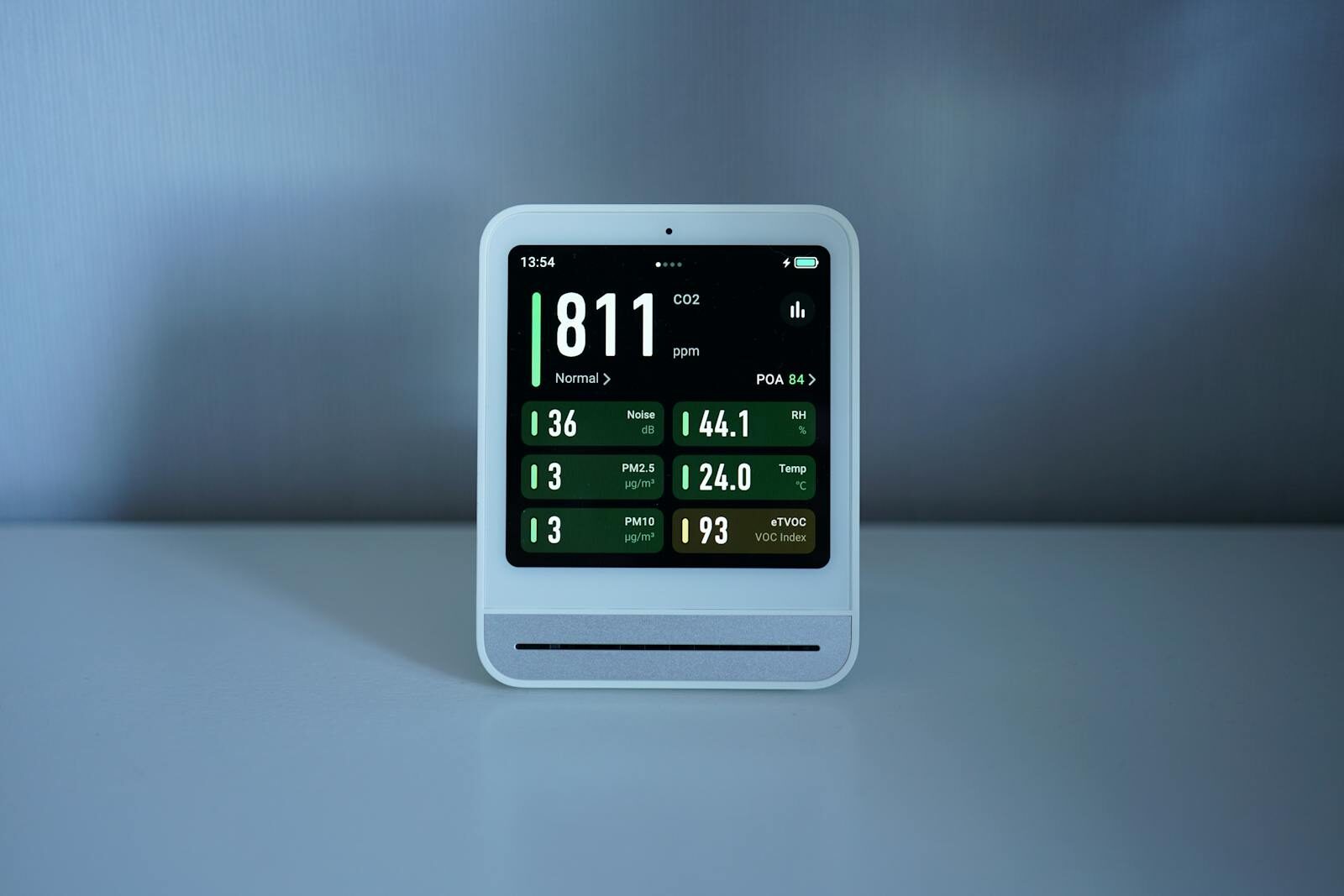
What Amazon does stock are consumer-grade CO₂ monitors and air quality sensors that give approximate readings suitable for indoor air quality monitoring, ventilation assessment, and educational use. These are not appropriate for published research but are useful for general environmental awareness and student projects where approximate readings provide useful context.
For indoor CO₂ monitoring, home air quality assessment, and basic educational experiments, the consumer CO₂ monitors on Amazon with NDIR sensors and at least 4 stars are practical and affordable.
A Note on Ozone Monitors on Amazon
Consumer ozone monitors on Amazon are primarily designed for detecting dangerous ozone levels from ozone generators used in air purification. They are not calibrated for the low ambient ozone concentrations relevant to ecological research, which typically range from 20 to 60 ppb. For research-grade ozone monitoring, specialist suppliers are the only appropriate route.
For Basic CO₂ Monitoring
If you need a simple CO₂ monitor for indoor air quality, classroom demonstrations, or getting a general sense of CO₂ levels in a space, NDIR-based consumer monitors on Amazon are a practical starting point. Look for units with NDIR sensor technology specifically stated in the listing, not just electrochemical or unspecified sensor types.
Common Questions
What is the difference between a CO₂ monitor and a CO₂ analyser?
A CO₂ monitor gives a real-time readout of concentration for general awareness or safety purposes. A CO₂ analyser is a calibrated scientific instrument that measures concentration with documented accuracy for research or regulatory purposes. Monitors suit general use. Analysers suit research.
Can I measure ozone with a cheap sensor?
Consumer electrochemical ozone sensors give a very approximate indication of high ozone levels but are not suitable for measuring the low ambient concentrations relevant to ecological research. For research-grade ozone monitoring at ambient concentrations, UV photometry analysers from specialist suppliers are required.
What CO₂ concentration should I expect outdoors?
Ambient outdoor CO₂ is currently around 420 ppm globally and rising. Indoor CO₂ in occupied spaces typically ranges from 600 to 2000 ppm depending on ventilation. Near soil surfaces in active growing season conditions, CO₂ can be significantly elevated compared to ambient air.
Do I need a gas analyser or a data logger with gas sensors?
For continuous monitoring of CO₂ over time, a data logger with a compatible NDIR CO₂ sensor module is often more practical than a standalone analyser. For spot measurements at multiple locations, a portable handheld analyser is more convenient. The right choice depends on whether you need continuous or periodic measurements.