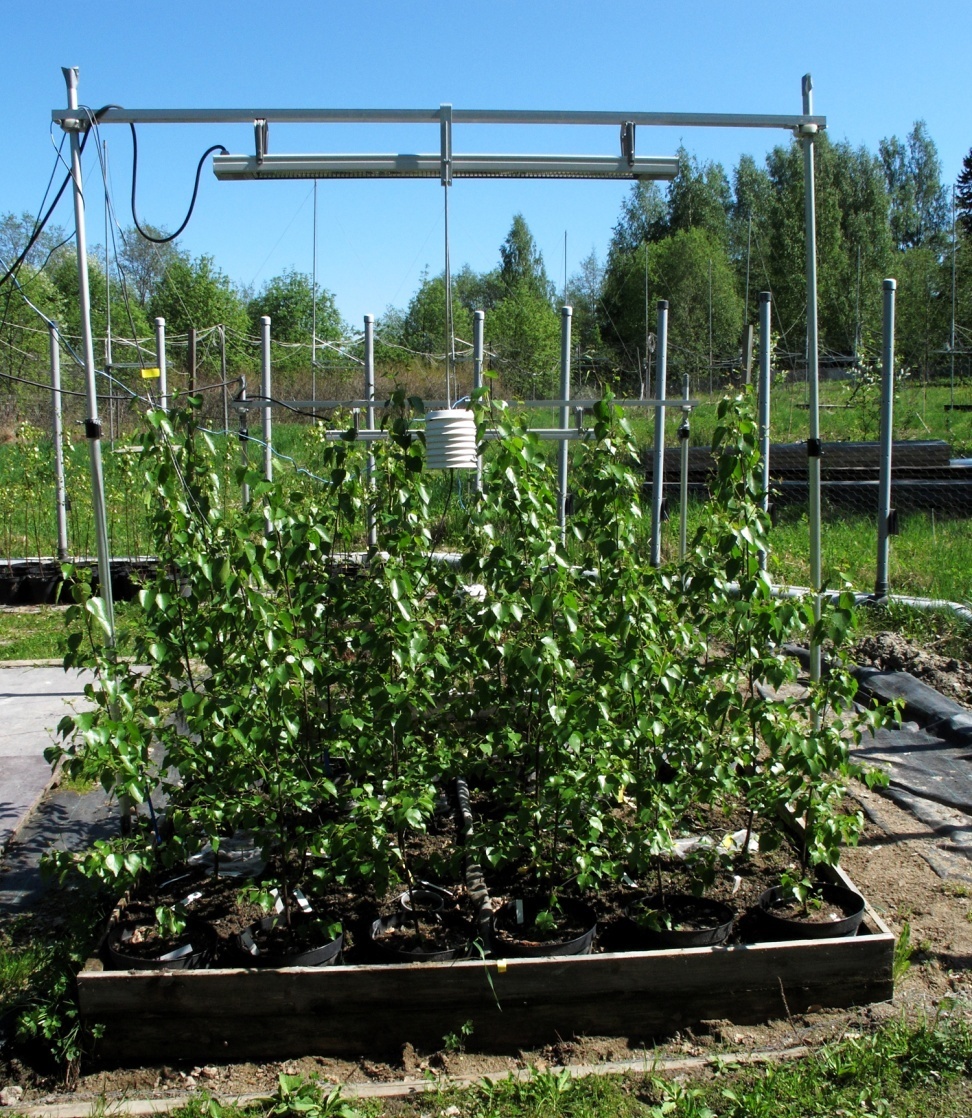
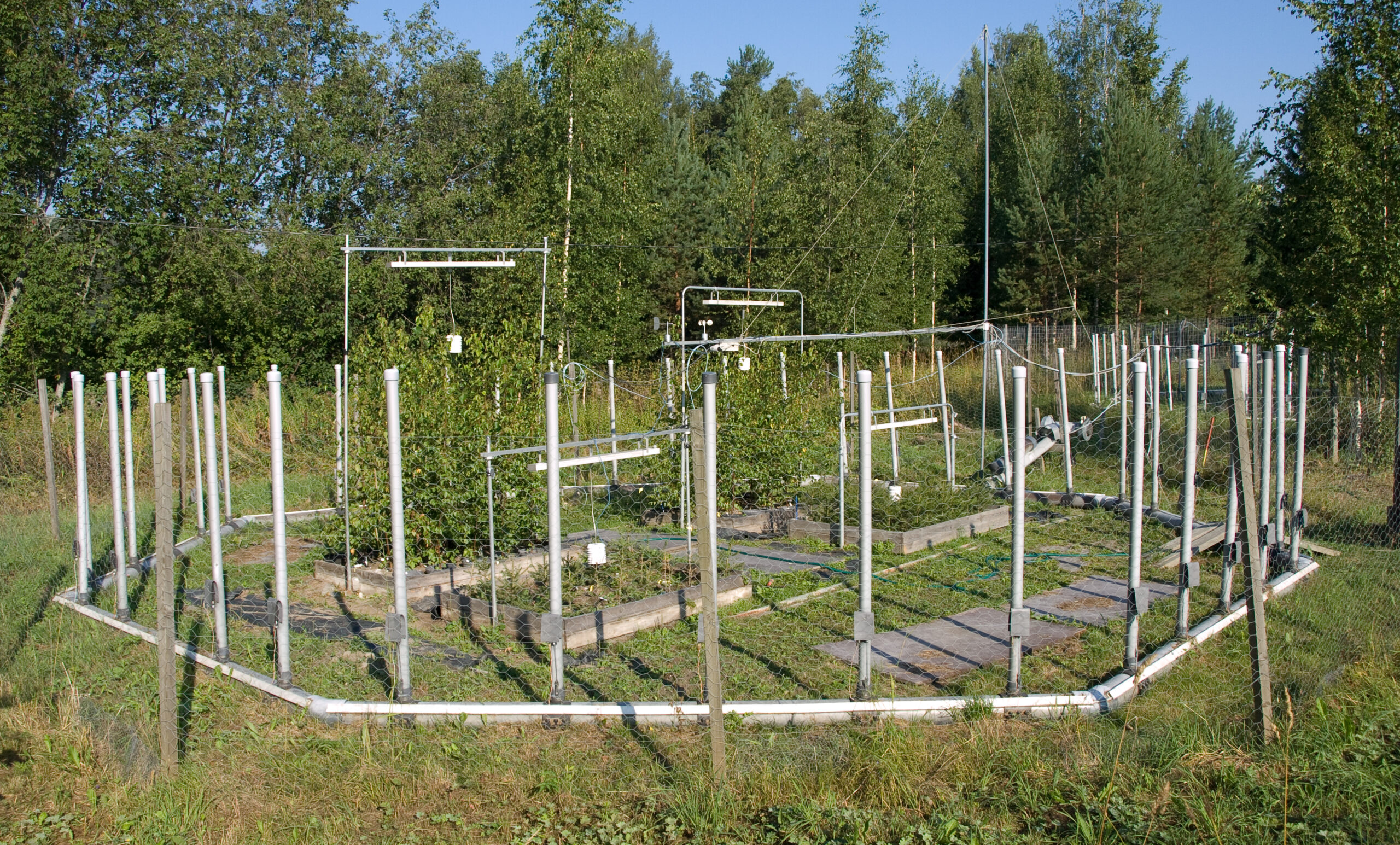



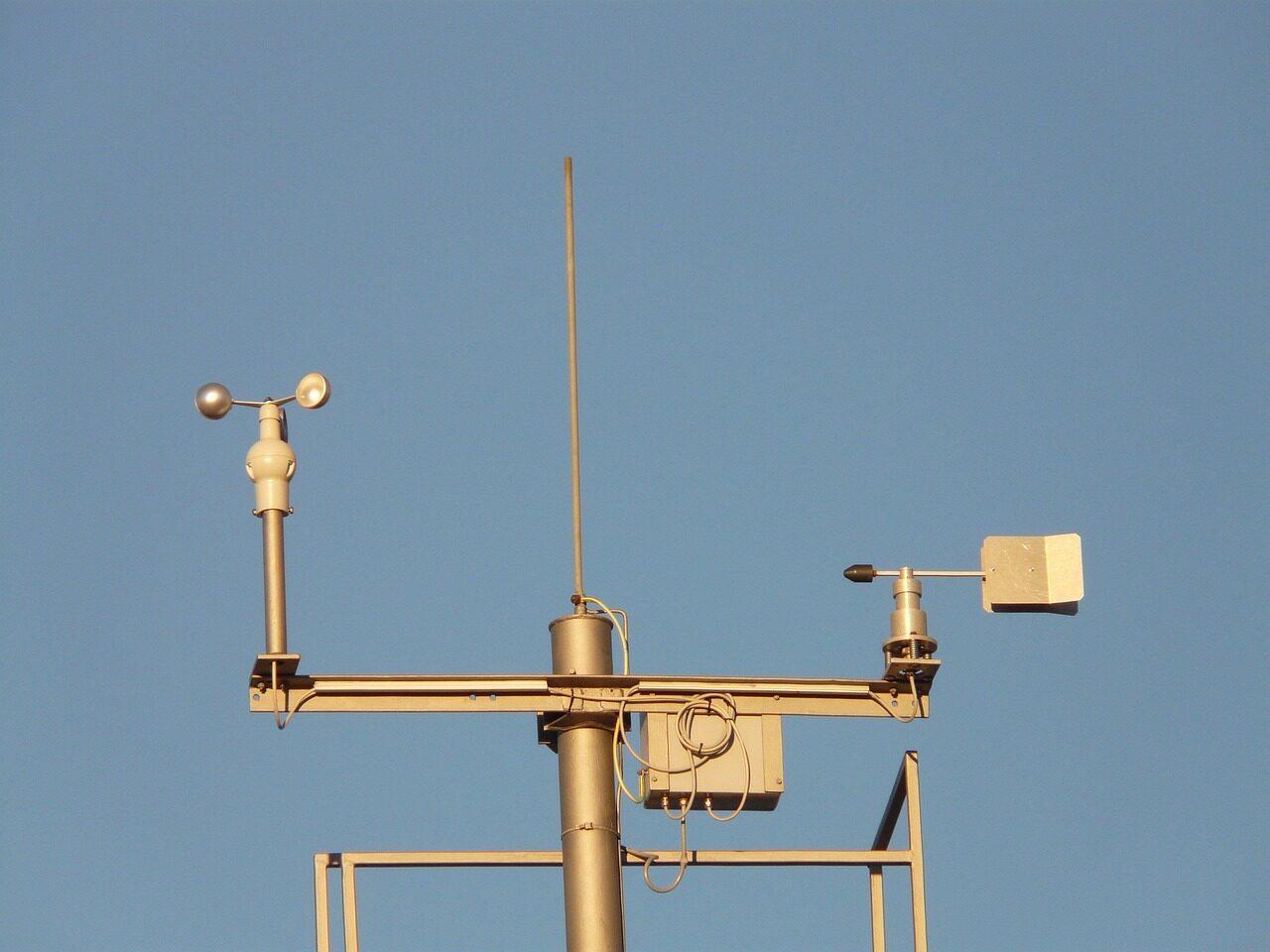
I monitored wind speed and direction continuously throughout my field experiment. Not for weather curiosity but because wind directly affected how ozone was distributed across my experimental plots. Without that wind record I could not have verified that my treatment gases were reaching target areas at the right concentrations.
For the full explanation of how anemometers work and what types exist, my detailed wind speed and direction sensors guide covers everything. This article focuses purely on what to buy.
What Matters When Buying an Anemometer
Measurement range. For most ecological field research, wind speeds of 0 to 30 metres per second covers all realistic conditions. Check the starting threshold, the minimum wind speed the instrument detects. A high starting threshold misses light winds which are common in sheltered forest and vegetation research sites.
What it measures. A basic anemometer measures wind speed only. For field research where wind direction matters, you need a combined anemometer and wind vane. Check whether direction measurement is included or requires a separate purchase.
Output and connectivity. For continuous logging, the anemometer needs to connect to your data logger. Check that the output signal is compatible with your logging system. For handheld spot measurements, a self-contained digital readout is sufficient.
Durability. Field instruments face rain, frost, UV, and physical knocks. Look for weatherproof construction with no fragile exposed components.
Battery life for handheld units. For portable spot measurement use, check how long the battery lasts under normal operating conditions.
Three Categories Worth Knowing
Handheld vane anemometers are portable, battery-powered units that give instant wind speed and often temperature and humidity readings simultaneously. These suit spot measurements at multiple locations without permanent installation. Good for characterising wind conditions at a new field site quickly.
Cup anemometers with wind vane are the standard for permanent or semi-permanent field installation connected to a data logger. Robust, accurate, and suitable for continuous monitoring over a full season. This is the category used in serious environmental field monitoring stations including the type I ran in my experiment.
Ultrasonic anemometers have no moving parts and measure in three dimensions simultaneously. These are the research-grade choice for eddy covariance and precision flux research. Significantly more expensive than cup types.
What Is Available on Amazon
Amazon has a good range of handheld anemometers for spot measurements and some combined cup and vane units for continuous monitoring. For handheld use in ecological fieldwork, look for units measuring wind speed plus temperature, with at least 4 stars and 200 reviews.
For research-grade cup anemometers for continuous data logging, specialist scientific equipment suppliers give better selection and quality assurance than Amazon.
Quick Questions Worth Answering
Do I need wind direction as well as speed?
For most ecological research yes. Wind direction tells you where air masses are coming from, which matters for interpreting gas concentrations, temperature patterns, and atmospheric deposition. In my experiment wind direction was as important as wind speed for verifying ozone treatment delivery.
Can I use a weather station instead of a separate anemometer?
Yes. If you are already buying a portable weather station, most mid-range units include a cup anemometer and wind vane as standard. Buying a combined weather station rather than separate instruments is more practical and often more cost-effective.
What height should I mount a field anemometer?
Standard meteorological height is 10 metres for open sites. For vegetation research, 2 metres above the canopy or crop surface is more relevant for capturing near-surface wind conditions. In my experiment sensors were mounted at a height appropriate to the young birch tree canopy level.