




There is a moment in environmental science when you realise just how much is happening in the air above a forest that you cannot see.
Wind is not just moving horizontally. It is constantly churning in small turbulent swirls called eddies, carrying CO₂, water vapour, and heat up and down between the ecosystem surface and the atmosphere above. Every second, carbon is moving in both directions simultaneously. Some going in as photosynthesis pulls CO₂ down. Some coming out as respiration pushes it up.
Eddy covariance is the technique that captures that exchange precisely and continuously. I studied the principles behind it in a postgraduate course on atmosphere-biosphere gas exchange with specific focus on eddy covariance methods. What struck me then, and still does, is that it measures something genuinely invisible by making it mathematically visible.
What Is Eddy Covariance?
Eddy covariance is a micrometeorological technique that measures the net flux of gases, energy, and particles between an ecosystem and the atmosphere above it.
The name comes from two things it does simultaneously. It measures eddies, the turbulent swirling movements of air that carry gases vertically. And it calculates the covariance, the statistical relationship between vertical wind speed and gas concentration at the same point in space and time.
When a parcel of air moves upward and carries more CO₂ than average, that represents a net release from the ecosystem below. When it carries less CO₂ than average, that represents uptake. Multiply the vertical wind speed by the CO₂ concentration deviation from the mean, average that product over 30 minutes, and you have a direct measurement of how much carbon the ecosystem is releasing or absorbing.
No chambers. No destructive sampling. No need to disturb the ecosystem being measured. The atmosphere itself becomes the measurement medium.
How Do Eddy Covariance Towers Work?
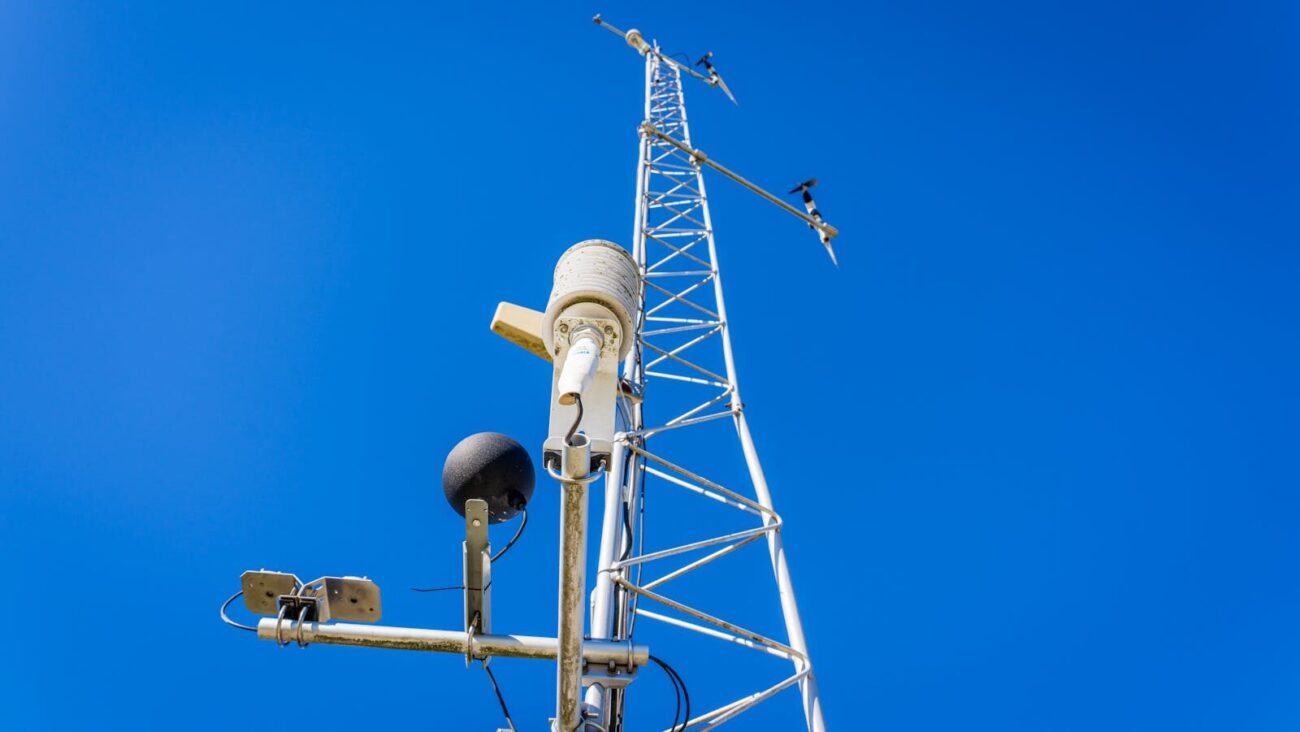
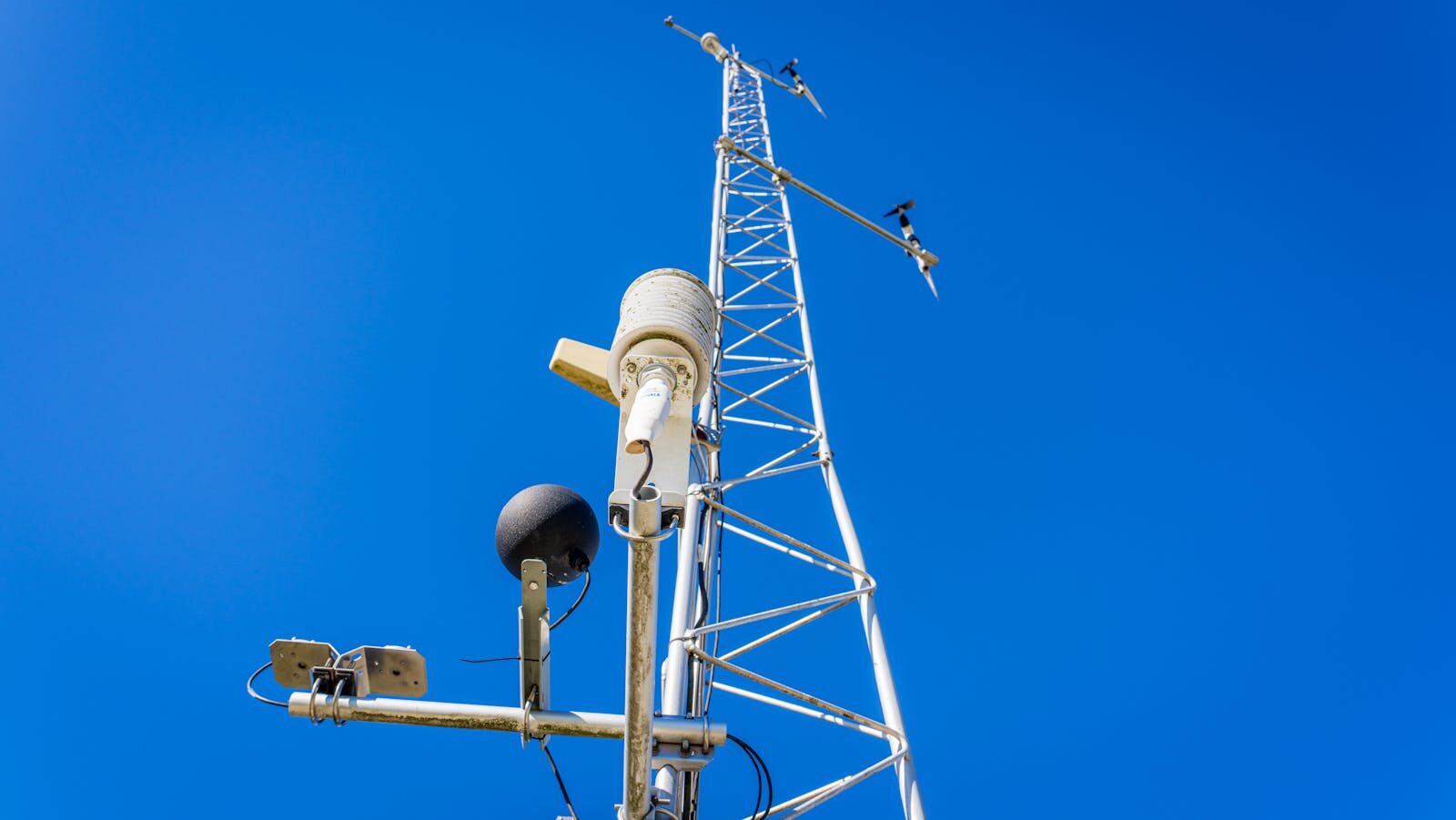
An eddy covariance system is built around a flux tower, typically a tall mast positioned above the vegetation canopy it is measuring. The height depends on the ecosystem. A grassland site might need a tower of just a few metres. A tall forest requires a tower high enough to be above the canopy and its immediate turbulence zone, sometimes 30 to 40 metres or more.
At the top of the tower, two instruments work in concert.
A sonic anemometer measures wind speed in three dimensions simultaneously, including the critical vertical component, at very high frequency. Typically 10 to 20 measurements per second. It does this by measuring how fast ultrasonic pulses travel between pairs of transducers in different directions. Wind affects the travel time and the difference tells you both speed and direction.
A fast-response gas analyser measures CO₂ and water vapour concentration at the same high frequency. Open-path analysers sit directly in the airstream. Closed-path analysers draw air through a tube to a sensor inside the tower. Both approaches have trade-offs in accuracy, maintenance, and response to weather conditions.
The raw data stream from both instruments is processed using specialised software that calculates the covariance between vertical wind velocity and CO₂ concentration over 30-minute averaging periods. The result is a net ecosystem exchange value, positive when the ecosystem is releasing carbon, negative when it is absorbing it.
What Does Eddy Covariance Actually Measure?
The primary output is net ecosystem exchange, or NEE. This is the net balance between photosynthesis pulling CO₂ into the ecosystem and all respiration processes pushing it back out, plant respiration, soil microbial respiration, root respiration, decomposition.
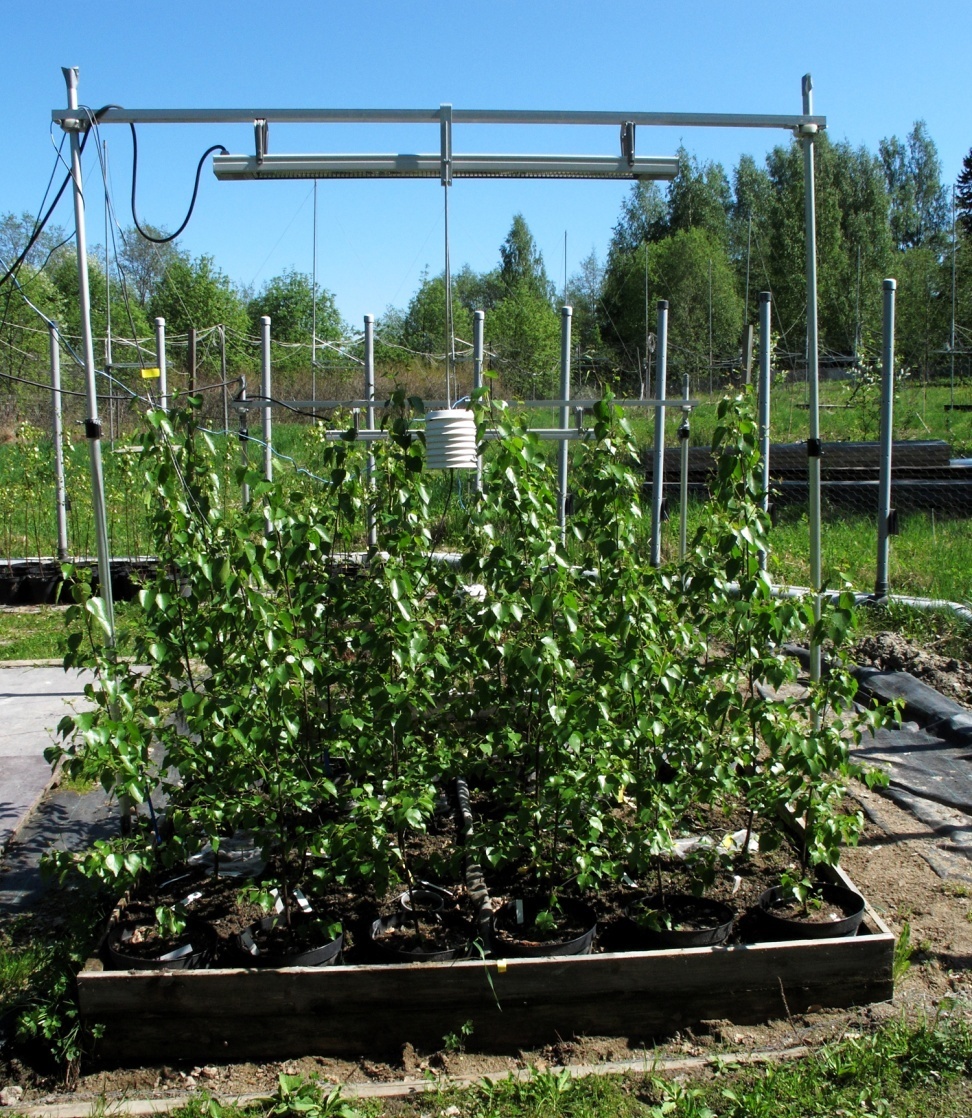
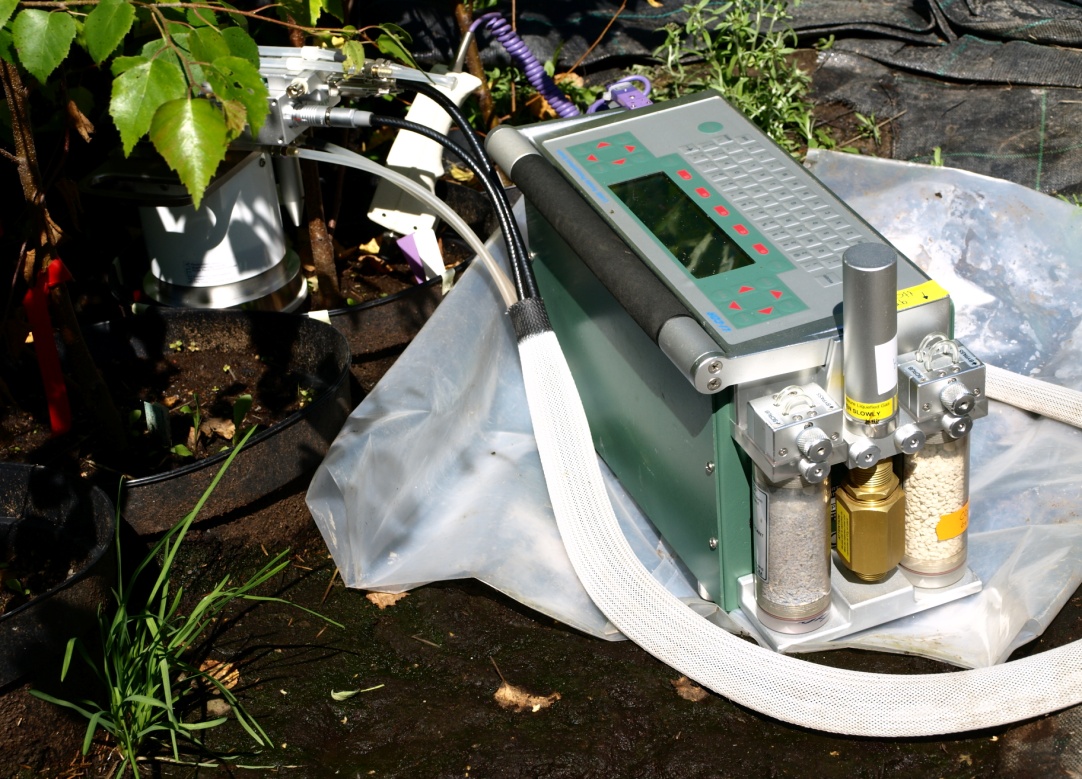
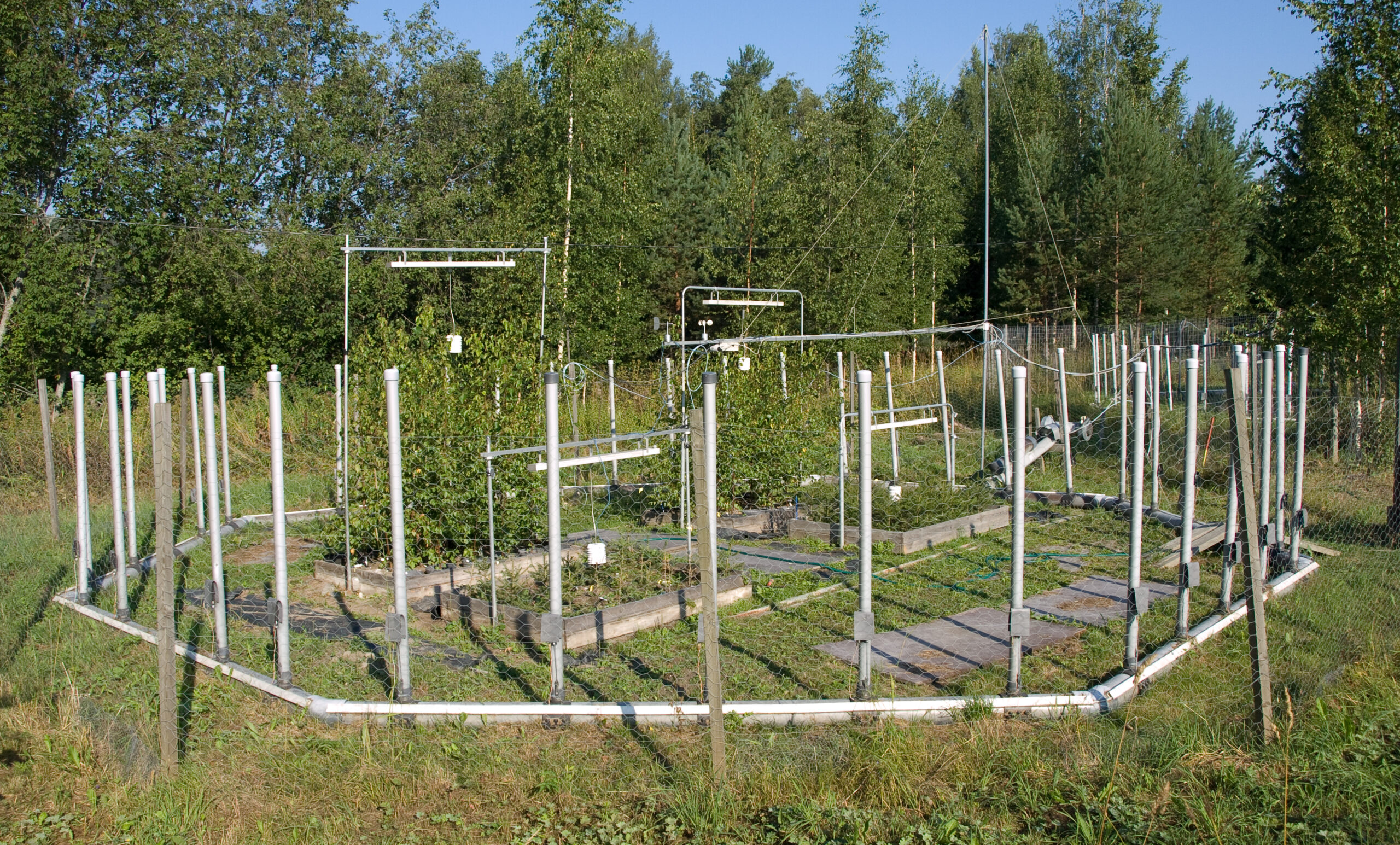
This is where eddy covariance complements the kind of chamber-based measurements I made in my own field research. A soil respiration chamber like the LICOR 6400-09 I used measures one component of the carbon balance: what is coming out of the soil at one point. An eddy covariance tower measures the integrated net balance of the entire ecosystem below it, continuously, across the full footprint of the flux tower.
The two approaches answer different questions. Chambers tell you about specific processes at specific locations. Towers tell you whether the whole ecosystem is a net carbon sink or source at any given time.
Beyond CO₂, eddy covariance systems routinely measure water vapour flux, which gives evapotranspiration rates. Many sites also measure methane, nitrous oxide, and energy fluxes. The technique is flexible enough to capture any gas that a sufficiently fast analyser can detect.
Why Is Eddy Covariance the Gold Standard for Carbon Flux Research?
Before eddy covariance became widely adopted, measuring ecosystem carbon balance required either harvesting biomass over years, or using chamber measurements scaled up with large uncertainty, or relying on atmospheric inversion modelling at coarse spatial resolution.
Eddy covariance changed that by providing continuous, direct, non-destructive flux measurements at the ecosystem scale. A tower running for years produces a dataset that captures seasonal cycles, interannual variability, drought responses, warming effects, and disturbance events in a single continuous record.
The global network of flux towers, FLUXNET, now includes over 900 sites worldwide spanning every major biome. This network has transformed our understanding of how much carbon different ecosystems exchange with the atmosphere under different climate conditions. It is one of the most important environmental monitoring datasets in existence.
My postgraduate training in eddy covariance principles made clear just how demanding the technique is to implement correctly. The statistical assumptions behind the covariance calculation require carefully controlled tower placement, rigorous quality control of the raw data, and sophisticated gap-filling algorithms for periods when weather or equipment prevents reliable measurements. Getting the numbers right requires as much methodological care as any other precision measurement in environmental science.
Eddy Covariance vs Chamber Methods: When to Use Which
This is a practical question that comes up constantly in carbon flux research, and having studied both approaches I have a clear view on it.
Use eddy covariance when you need ecosystem-scale carbon balance over long time periods. It integrates everything above ground, below ground, all processes into one net flux number. It is the only way to know whether an entire forest is absorbing or releasing carbon on a seasonal or annual basis.
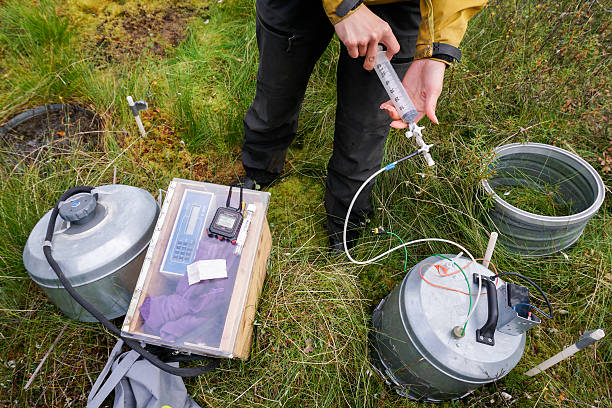
Use chamber methods when you need to isolate specific processes. Soil respiration chambers tell you exactly how much CO₂ is coming from the soil surface, which eddy covariance cannot separate from canopy and ecosystem fluxes. If you want to understand how a warming treatment affects soil carbon cycling specifically, chambers give you the spatial and treatment resolution that a tower cannot.
The most powerful research programmes use both together. Towers provide the ecosystem-scale context. Chambers provide the process-level detail that explains what is driving the tower signal.
Frequently Asked Questions
What is eddy covariance in simple terms?
It is a way of measuring how much CO₂ and other gases are moving between an ecosystem and the atmosphere by analysing the turbulent swirling movements of air above the canopy. When wind carries more CO₂ upward than average, the ecosystem is releasing carbon. When it carries less, the ecosystem is absorbing it.
How do eddy covariance towers work?
A tall mast above the canopy carries a sonic anemometer measuring wind speed in three dimensions at high frequency and a fast gas analyser measuring CO₂ concentration at the same frequency. Software calculates the statistical relationship between vertical wind speed and CO₂ concentration to produce a continuous carbon flux measurement.
What does eddy covariance measure?
Primarily net ecosystem exchange of CO₂, which is the balance between photosynthesis and all respiration in the ecosystem. Most systems also measure water vapour and energy fluxes. Some measure methane and nitrous oxide.
Why is it called eddy covariance?
Eddy refers to the turbulent swirling air movements that transport gases vertically. Covariance refers to the statistical calculation at the heart of the method, quantifying how vertical wind speed and gas concentration vary together. The name describes both the physics and the mathematics of the technique.
How much does an eddy covariance system cost?
A complete system including sonic anemometer, fast gas analyser, data logger, and tower infrastructure typically costs between 30,000 and 100,000 USD depending on the specifications and site requirements. Ongoing maintenance, calibration, and data processing add significant operational costs. This is why most flux towers are operated by universities, research institutes, or national monitoring networks rather than individual researchers.
What is the FLUXNET network?
FLUXNET is a global network of eddy covariance flux towers covering over 900 sites across every major biome. The data from these sites are shared openly and have been used in hundreds of studies on ecosystem carbon exchange, water cycling, and climate responses. It is one of the most important coordinated environmental monitoring efforts in science.
How is eddy covariance different from chamber measurements?
Chambers measure specific processes at specific points, soil respiration, leaf gas exchange, with high spatial resolution but small scale. Eddy covariance measures the integrated net flux of the entire ecosystem below the tower continuously but cannot separate individual processes. The two methods are complementary and the most informative research combines both.