



Field experience teaches a lot, but there is a point where structured learning fills the gaps that hands-on work leaves open. The right course turns scattered knowledge into something you can build on.
My background is in environmental science and plant biology, built through formal university study alongside graduate training and field research. I know the difference a well-structured course makes, and what to look for in one worth your time. The learning partners below are here because their content connects to the science covered on this site, with the catch worth knowing before you enrol.
Online Courses
1. Academy for Health and Fitness
Academy for Health and Fitness is a UK-based e-learning platform accredited by CPDQS and QLS, recognised UK continuing professional development bodies. All courses are delivered entirely online at your own pace and come with a certificate on completion. Clicking any button below takes you to a curated selection of courses in that subject area where you can browse the full syllabus and enrol directly.
Environmental Science Courses
Understanding the environment at a scientific level requires more than reading articles. It requires structured knowledge of how natural systems work, how human activity affects them, and what tools and frameworks exist to monitor, manage, and protect them. The courses in this section cover exactly that.
You will find courses ranging from introductory environmental awareness through to professional-level diplomas in environmental health, environmental management, and environmental law. These are not generic sustainability courses. They cover the regulatory, scientific, and professional dimensions of working in or alongside environmental science in a meaningful way.
The Environmental Awareness Training is the most enrolled course in this section with over 2,300 students, making it one of the most trusted entry points into formal environmental education on the platform. If you are new to environmental science and want a structured starting point, this is where I would begin.
For those already working in environmental roles or moving toward them professionally, the Diploma in Environmental Health at QLS Level 4 and the Environment Manager course provide diploma-level credentials that carry genuine weight for career development. The Environmental Law course sits alongside these as an essential complement for anyone who needs to understand the legislative framework that governs environmental practice in the UK and internationally.
The Environmental Engineering and Environmental Advisor courses round out this section for those with more technical or consultancy-focused career directions. Environmental engineering connects the physical sciences to real-world infrastructure and pollution challenges. The Environmental Advisor course prepares you for the client-facing, assessment-led work that environmental consulting involves at a professional level.
All courses are self-paced, accredited, and come with a certificate on completion. Browse the full selection using the button below and read each course syllabus before enrolling to make sure it matches your level and goals.
Renewable Energy and Bioenergy Courses
The transition from fossil fuels to renewable energy systems is one of the defining challenges of this generation. Whether you are approaching it from a scientific, engineering, or policy perspective, a structured understanding of how renewable energy systems work is increasingly essential.
This section covers the full range of renewable energy learning from foundational diplomas through to advanced qualifications and career-specific courses. The Diploma in Renewable Energy is the natural starting point, covering the core technologies including biomass, solar, wind, and hydropower alongside the environmental and economic context in which they operate. For those who have already completed foundational study, the Advanced Diploma in Renewable Energy takes the learning further into energy systems design, policy, and the technical and commercial challenges of scaling renewable production.
Biomass energy is covered within the broader renewable energy curriculum and connects directly to the bioenergy and biofuels content on this site. The energy yield of biomass feedstocks, the carbon intensity of different conversion pathways, and the sustainability credentials of wood fuel and short rotation crops are all topics that the renewable energy diploma addresses in their energy systems context.
The Renewables Energy Consultant course is particularly relevant for anyone moving toward a professional advisory or project development role in the renewable energy sector. It covers feasibility assessment, client advisory practice, and the regulatory landscape for renewable energy projects in a career-ready format.
The Sustainable Energy Management course takes a systems-level view, connecting energy efficiency, renewable integration, and carbon reduction in organisational and regional management contexts. For those working in institutions, local authorities, or large organisations where energy management is a strategic priority, this course provides the framework for that work.
The Energy Engineer course sits at the technical end of the spectrum, covering energy conversion, system efficiency, and engineering design for energy applications. If your interest is in the physical and technical dimensions of how renewable energy systems are built and optimised, this is the course that addresses that most directly.
The Renewable Energy Solar course rounds out the section with a focused look at photovoltaic and solar thermal systems, their design principles, and their role in the broader renewable energy portfolio.
Browse the full selection of energy courses using the button below.
Biology and Microbiology Courses
The biological sciences underpin everything covered on this site. Forest carbon dynamics, soil respiration, microbial decomposition, and plant growth responses to environmental stress are all biological phenomena at their core. Formal study in biology and microbiology provides the scientific foundation that makes sense of those processes at a mechanistic level.
The Basic Biology course is the entry point for anyone who wants to build that foundation from the ground up. It covers cell biology, plant and animal physiology, genetics, and ecosystem interactions in a structured and accessible way. If you are a curious reader who wants to go beyond the surface level of the environmental science content on this site, Basic Biology is where that deeper understanding begins.
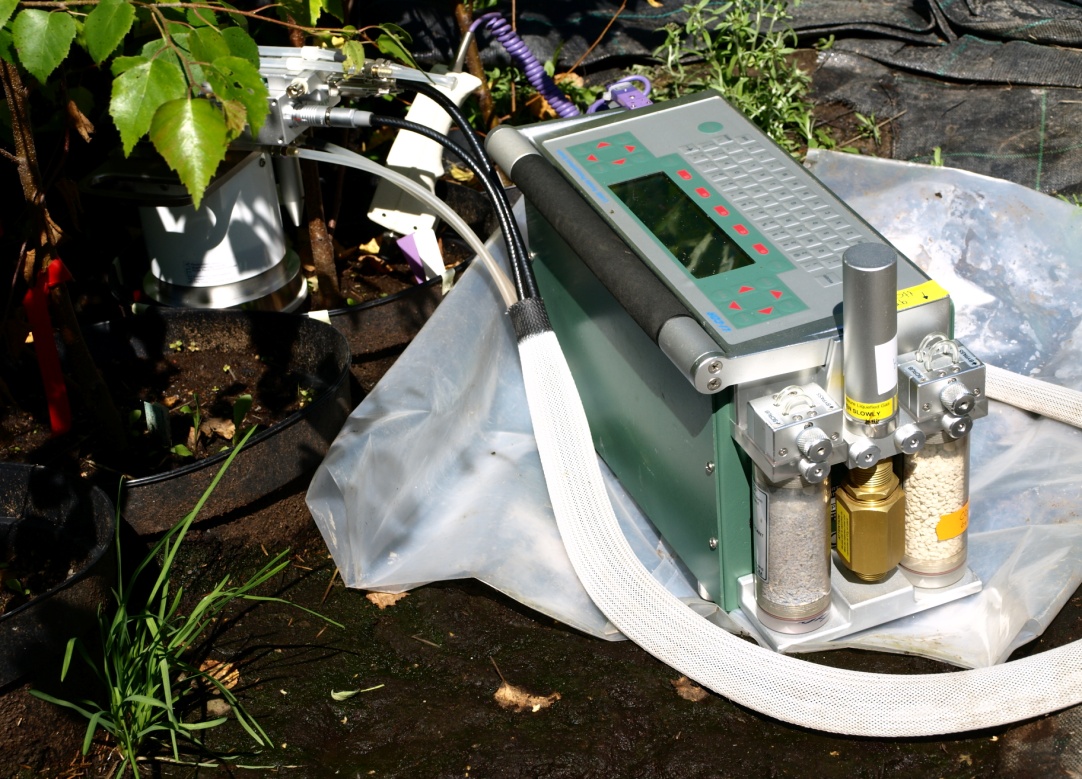
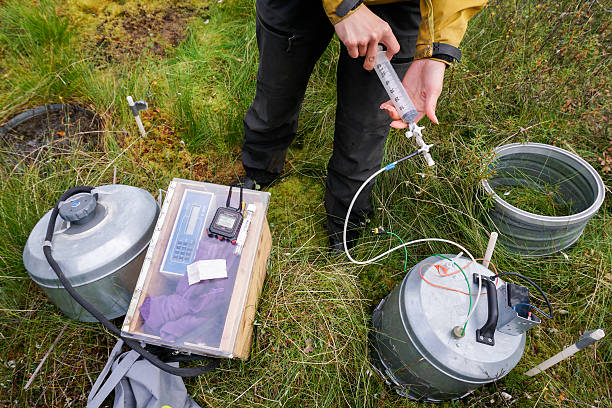
The microbiology courses in this section are particularly relevant to the soil carbon systems content covered here. Soil microbiology is the engine of the carbon cycle. The bacteria, fungi, and archaea living in forest soils are responsible for breaking down organic matter, releasing nutrients, and driving the CO₂ efflux that instruments like the LICOR soil respiration chamber measure at the surface. Understanding these organisms at a biological level transforms how you interpret soil carbon data.
The Diploma in Microbiology is the most comprehensive option in this section, covering microbial biology, classification, ecology, and the role of microorganisms in natural and managed systems. For anyone serious about soil science, biogeochemistry, or environmental research, this diploma provides the microbiological grounding that most environmental science curricula cover only superficially.
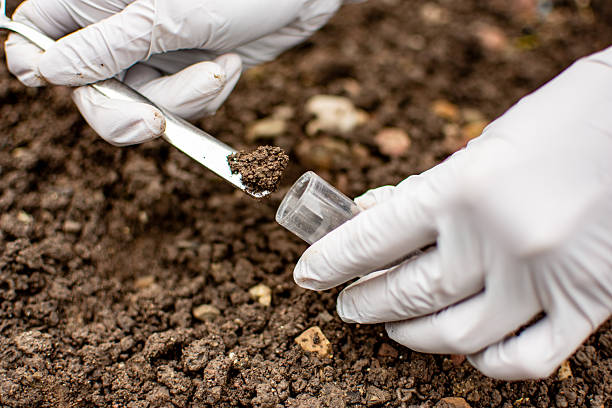
The Microbiology Lab Technician course takes a more practical direction, covering the hands-on laboratory skills used in microbiological research. Sample preparation, culturing techniques, microscopy, and analytical methods are all covered in a format designed for those moving toward laboratory-based environmental or biological science work.
There are also several additional microbiology diplomas and specialist options available in this section for those wanting to go further or focus on particular aspects of microbiological science. Browse the full selection using the button below and read each course description before enrolling.
Browse Biology and Microbiology Courses →
A few courses that caught my attention
Browsing through the Academy for Health and Fitness catalogue, these are the courses I would personally highlight as most directly relevant to the research topics covered on this site.
Forestry Course Academy for Health and Fitness
This online forestry course covers the core principles of forest ecosystems, tree biology, woodland management, and the environmental role of forests in carbon cycling and biodiversity. It is suitable for students, environmental enthusiasts, land managers, and anyone wanting a structured introduction to forestry science that goes beyond general reading.
The course is accredited by CPDQS and QLS, recognised UK professional development bodies, and is completed entirely online at your own pace. A certificate is awarded on completion.
Who this is for: Students studying environmental or biological sciences, researchers wanting formal forestry credentials, land managers, and curious minds wanting to understand forest systems more deeply.
Enrol in the Forestry Course →
Ecology Course Academy for Health and Fitness
This online ecology course covers the fundamental principles of ecosystems, species interactions, nutrient cycling, and how environmental stressors affect biological communities. It connects directly to the kind of field-based ecological thinking that underpins forest carbon research, soil biology, and environmental monitoring.
Suitable for students, environmental researchers, and anyone wanting a structured grounding in ecological science. Accredited by CPDQS and QLS and completed entirely online at your own pace.
Who this is for: Environmental science students, field researchers, nature enthusiasts, and anyone wanting to understand how ecosystems function at a scientific level.
About Academy for Health and Fitness
Academy for Health and Fitness is headquartered in London and operates globally through its e-learning platform. Courses are accredited by CPDQS and QLS, recognised UK continuing professional development bodies, and certificates are internationally recognised for professional development purposes.
These are self-paced online courses rather than regulated university qualifications. They are designed for flexible learning, accessible from any device, and suited to people balancing study with work and other commitments. If you are looking for courses that count toward a regulated academic qualification, check the specific accreditation details on each course page before enrolling.
For a complete view of all courses available across all subjects, browse the full course directory below.