




Compost C:N Ratio Calculator
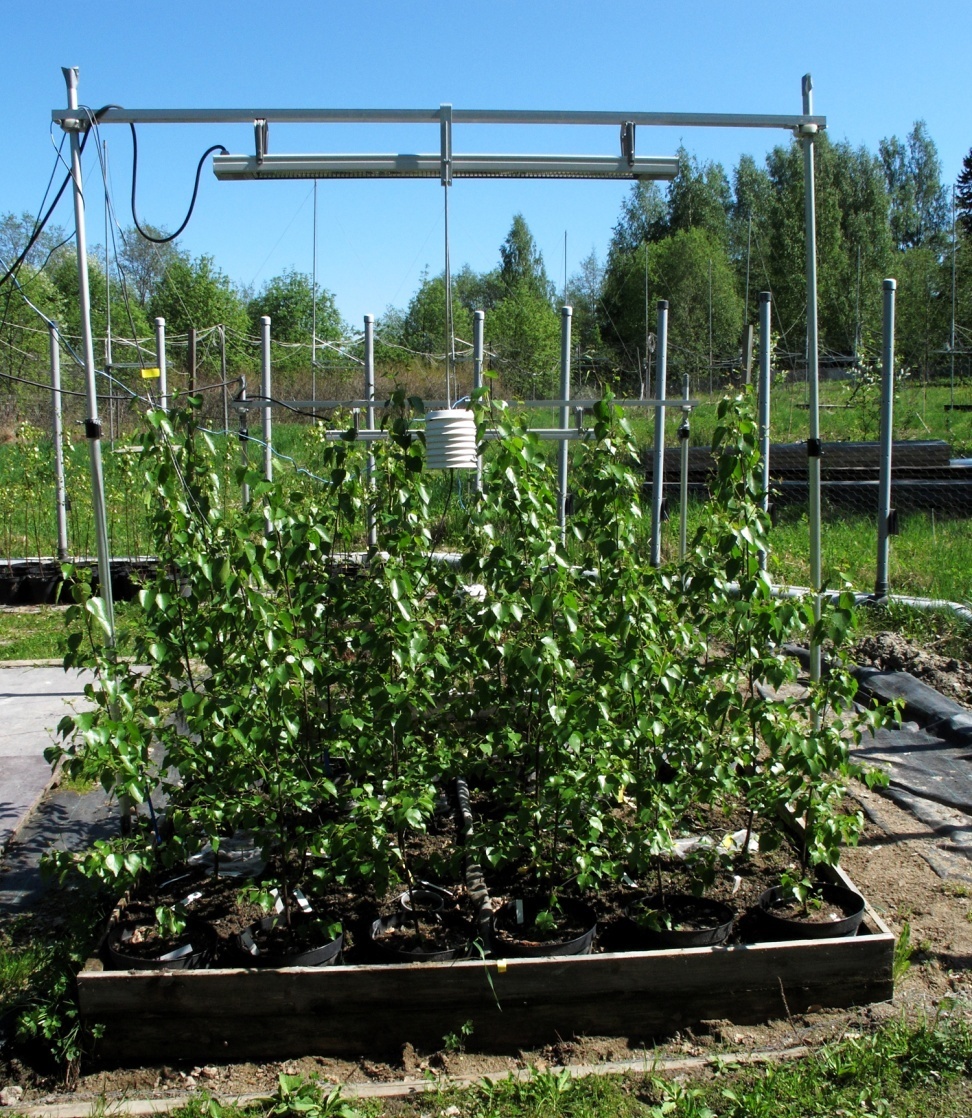
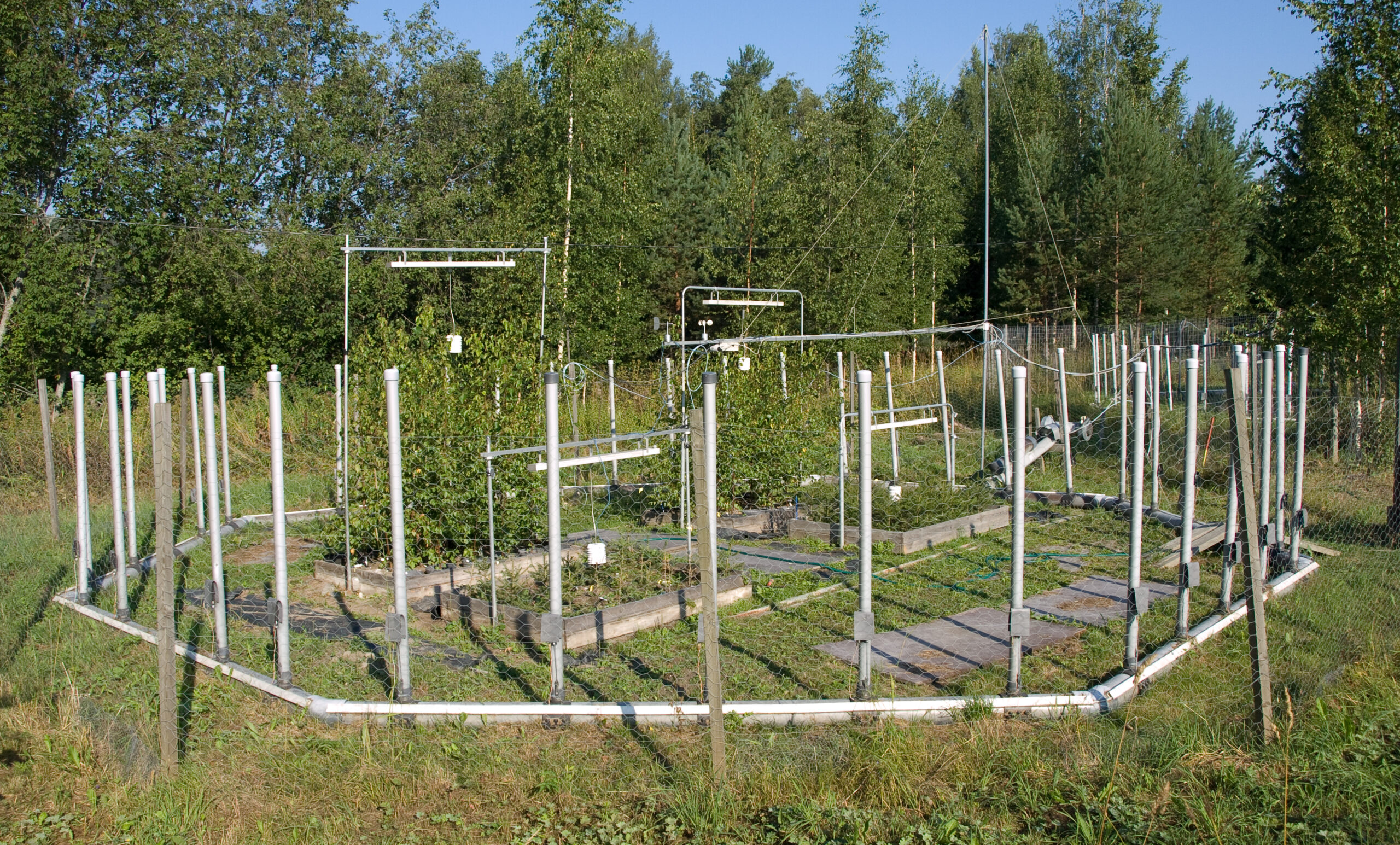
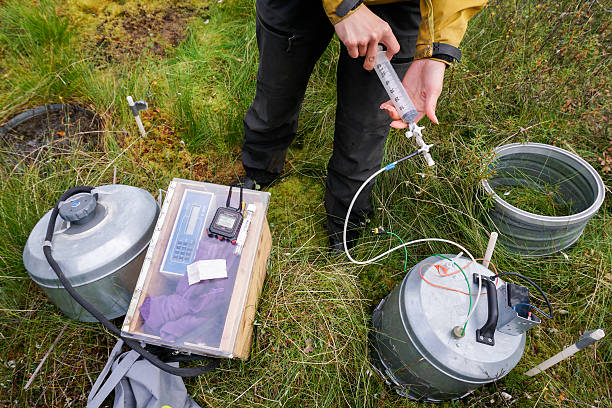
This tool was built by Serge (MSc) using established science and government sources. My academic background covers Biogeochemistry, Forest Science, Environmental Biology, and Plant Biology, and my field research directly measured soil carbon and tree growth in open-air experiments. My tools are for educational purposes and give practical guidance, not professional advice.
Compost microbes work best at a balance of roughly 30 parts carbon to 1 part nitrogen. Too much nitrogen and the pile turns smelly and slimy. Too much carbon and it sits cold and barely breaks down. I built this tool to give you a quick estimate of where your mix sits, so you can adjust before you build the pile. It is a guide, not an exact lab figure, because materials vary.
How This Works
Every compost material has a rough carbon-to-nitrogen character. Browns like leaves and cardboard are high in carbon. Greens like scraps and grass are high in nitrogen. This tool takes the typical C:N figure for the browns and greens you pick, weights them by how you are mixing them, and works out roughly where your combined pile sits against the target of 30 to 1. It then tells you whether to add more browns, more greens, or leave it as it is.
Understanding Your Result
A result near 30 to 1 means your mix should heat well and break down without smell. A result well below 30 means too much nitrogen, so the pile may go smelly and wet, add more browns. A result well above 30 means too much carbon, so the pile may sit cold and slow, add more greens. The pile itself is the final judge, so watch it and adjust, but this gets you close before you start.
Important Limitations
This is an estimate, not a measurement. The carbon-to-nitrogen figures for materials are typical reference values, and your own materials will differ with their age, dryness and source. The tool also assumes you mix by volume in a simple ratio, which is how most people compost, but it cannot account for moisture, particle size, or how well you turn the pile, all of which affect how the compost behaves. Use the result to set up a sensible mix, then let the pile guide your adjustments.
Scientific Basis
The 30 to 1 target and the browns and greens approach come from established composting science. The United States Environmental Protection Agency states that the ideal mix is roughly three parts browns to one part greens by volume, which works out to about 30 to 1 carbon to nitrogen, and that a mismatched ratio can lead to odours, pests, or incomplete decomposition. See the official EPA sources below.
- EPA, Approaches to Composting (carbon-to-nitrogen ratio and the 30 to 1 target)
- EPA, Composting At Home (browns and greens, and the two to three parts browns to one part greens guidance)
Related Reading
For the full method, the browns and greens reference tables, batch recipes, and a symptom to cause to fix troubleshooting matrix, see my Compost C:N Ratio and Troubleshooting Pack, along with my composting articles.
This calculator is for general educational use. It gives an estimate to help you plan a compost mix, and is not a substitute for professional or laboratory analysis. Results depend on your own materials and conditions.