




Your compost bin stinks. You lift the lid, get hit with something foul, and step back wondering what went wrong. Compost is meant to smell earthy, not like this.
Here is the useful part. That smell is not just a nuisance, it is a clue. Different smells mean different things have gone wrong, and once you know which is which, the fix takes minutes. Let me walk you through it.
Smell It First, Then Fix It
Get close and take a careful sniff. It is almost always one of these two.
Rotten eggs, or a sour drain-like stink. Your compost has gone airless and too wet. Packed down, soggy, no oxygen getting through. This is the common one.
Sharp ammonia, like a barnyard or cleaning product. Too much soft wet green material and not enough dry brown material to balance it. The excess nitrogen escapes as that ammonia smell.
That is the whole diagnosis. Rotten eggs means no air. Ammonia means too much green. Everything else is usually a version of the first.
The Fix
If it smells of rotten eggs (too wet, no air):
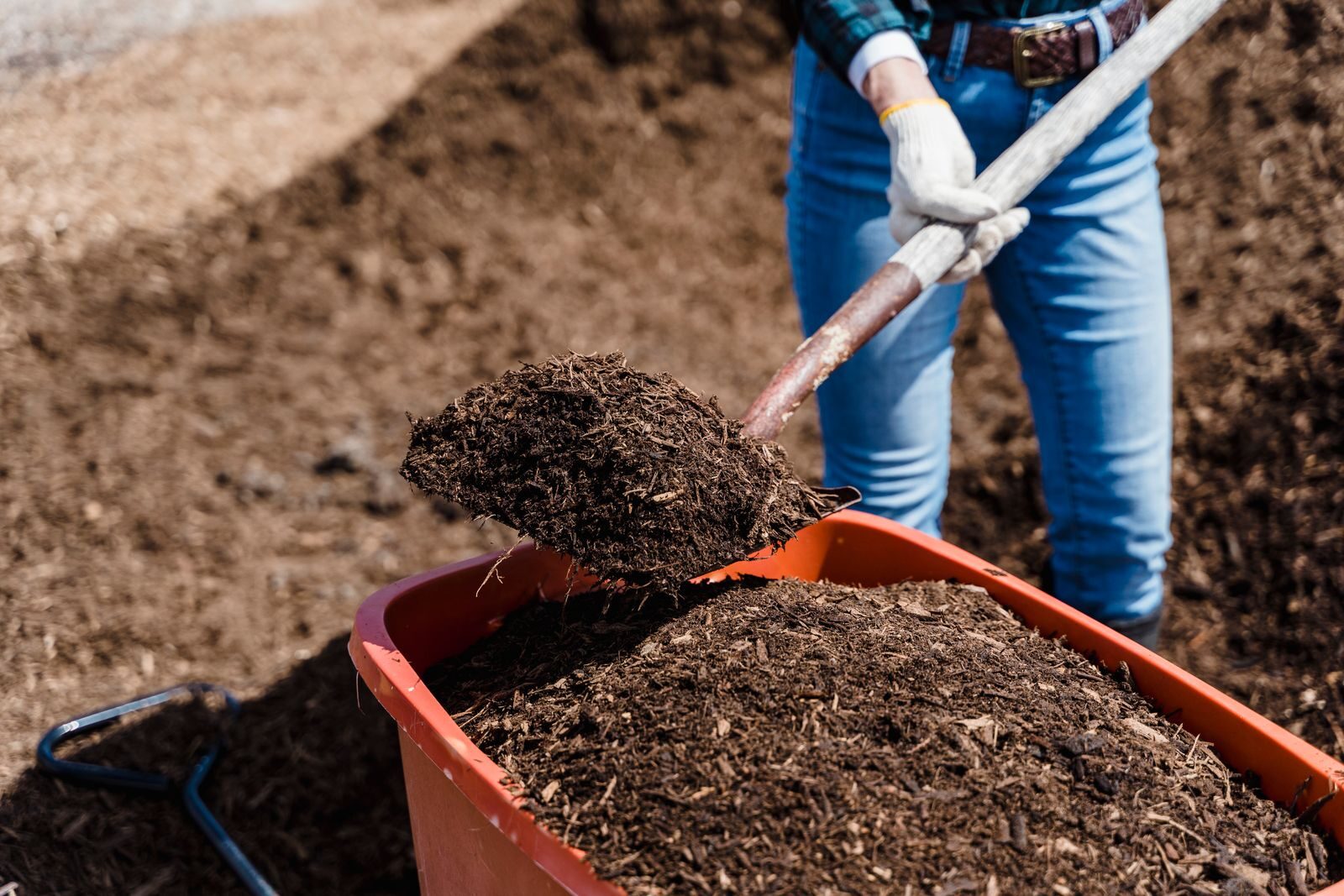
- Turn it with a fork, right down to the bottom, breaking up any slimy clumps. This gets air in and starts the turnaround straight away.
- Mix in dry brown material: shredded cardboard, torn plain paper, dead leaves, straw. This soaks up the wet and opens it up so air moves through.
- Check it is not sitting in water, and cover it if rain gets in.
- Stop adding wet scraps until it recovers.
If it smells of ammonia (too much green):
- Add dry browns, and plenty of them. Same cardboard, paper, leaves, straw. This is the direct fix.
- Fork them through so they mix, do not just layer them on top.
- Ease off the grass clippings and food scraps for a while.
The smell clears within days either way.
Keep It From Coming Back
- Keep dry browns next to the bin. A bag of shredded cardboard or leaves beside the compost, so every time you tip in wet scraps you can throw a handful in to balance it. This one habit prevents most smells.
- Aim for more brown than green, roughly two or three to one by eye. No weighing needed.
- Fork it through every couple of weeks to keep air moving.
- Chop big things up so they break down faster and pack less tightly.
- Keep it damp, not wet, like a wrung-out sponge. If you can squeeze water out, add browns.

Here is the one bit of science worth knowing, and it makes everything above click. In my postgraduate biogeochemistry courses I studied how this breakdown works, and the whole thing runs on microbes that need carbon and nitrogen in balance, roughly thirty parts carbon to one part nitrogen. The dry browns are the carbon, the wet greens are the nitrogen.
Get the balance and the airflow right and the good microbes do the work quietly. Get it wrong and the smelly ones take over. The composting science backs this up: as Cornell’s composting resource explains, too much nitrogen escapes as ammonia gas and causes odour, and an airless heap stalls. You are not managing a bin so much as feeding a microbe population.
Frequently Asked Questions
Why does my compost smell like rotten eggs?
It has gone airless and too wet. Turn it to add oxygen and mix in dry material like cardboard or leaves. It clears in a few days.
Why does my compost smell like ammonia?
Too much nitrogen-rich green material and not enough carbon. Add plenty of dry browns and mix them through to balance it.
Should compost smell bad?
No. Healthy compost smells earthy, like a damp forest floor. A bad smell means too little air or too much wet green material.
How do I fix smelly compost fast?
Turn it for air, and mix in dry browns to soak up moisture. Those two actions fix most compost smells within days.
What is the ratio of browns to greens?
Roughly two to three parts dry brown to one part wet green, by eye. Keep clearly more dry than wet, and mix rather than layer.
Can I put too much grass in my compost?
Yes. Fresh clippings are wet and high in nitrogen, so a big load goes slimy and smelly. Mix grass with plenty of dry browns instead of adding thick layers.