




You feed your plants, and not much happens. So you feed them again…
Before you do, there is something worth knowing about what happens to fertiliser once it is in the soil. Your plants never get all of it. Some of it leaves as gas, into the air, and it does so quietly, with nothing at the surface to show for it.
I know this because I have sampled that gas…
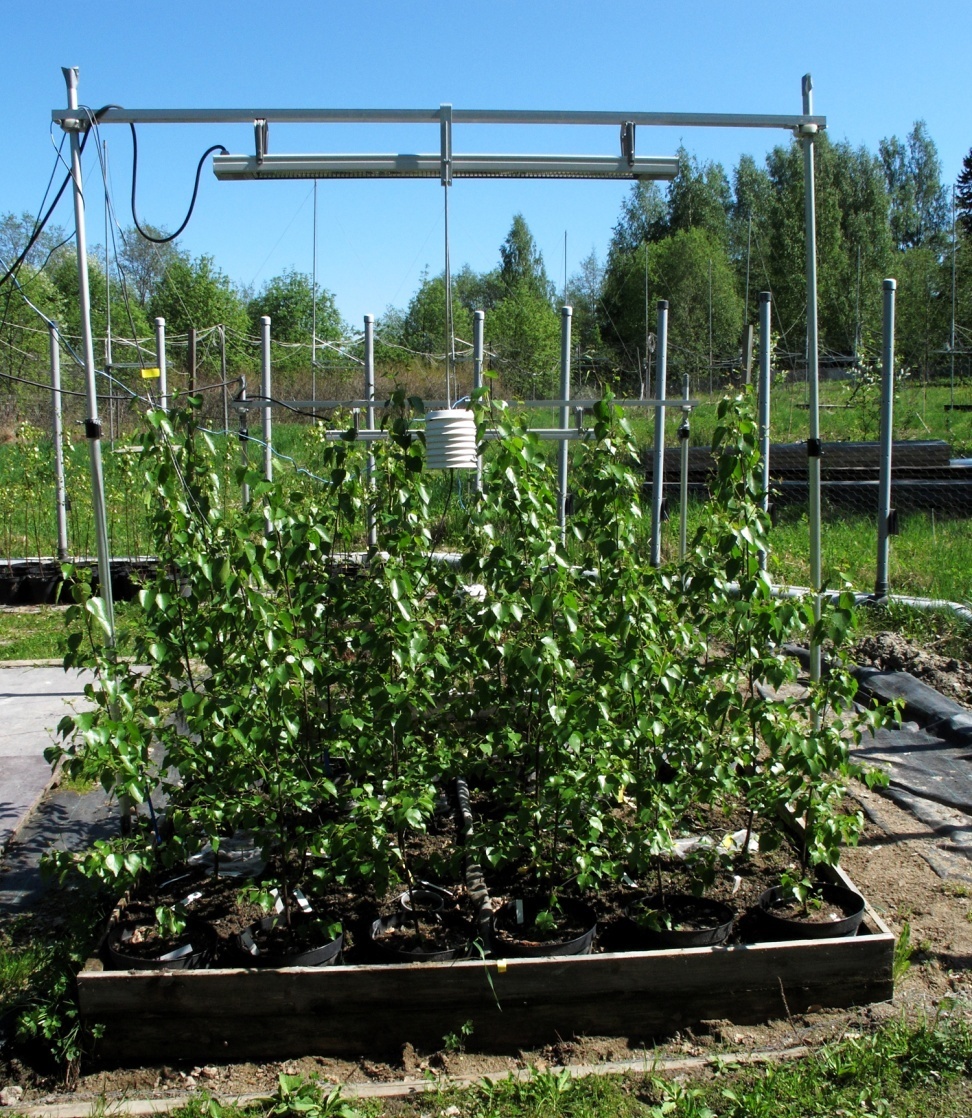
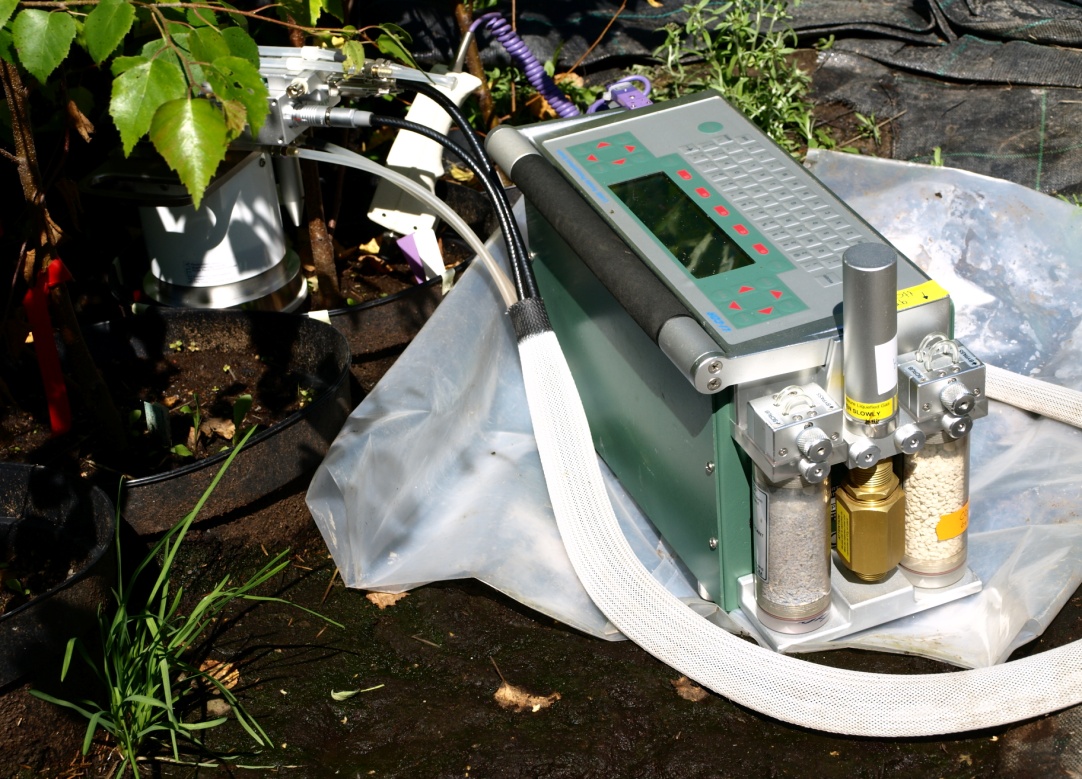
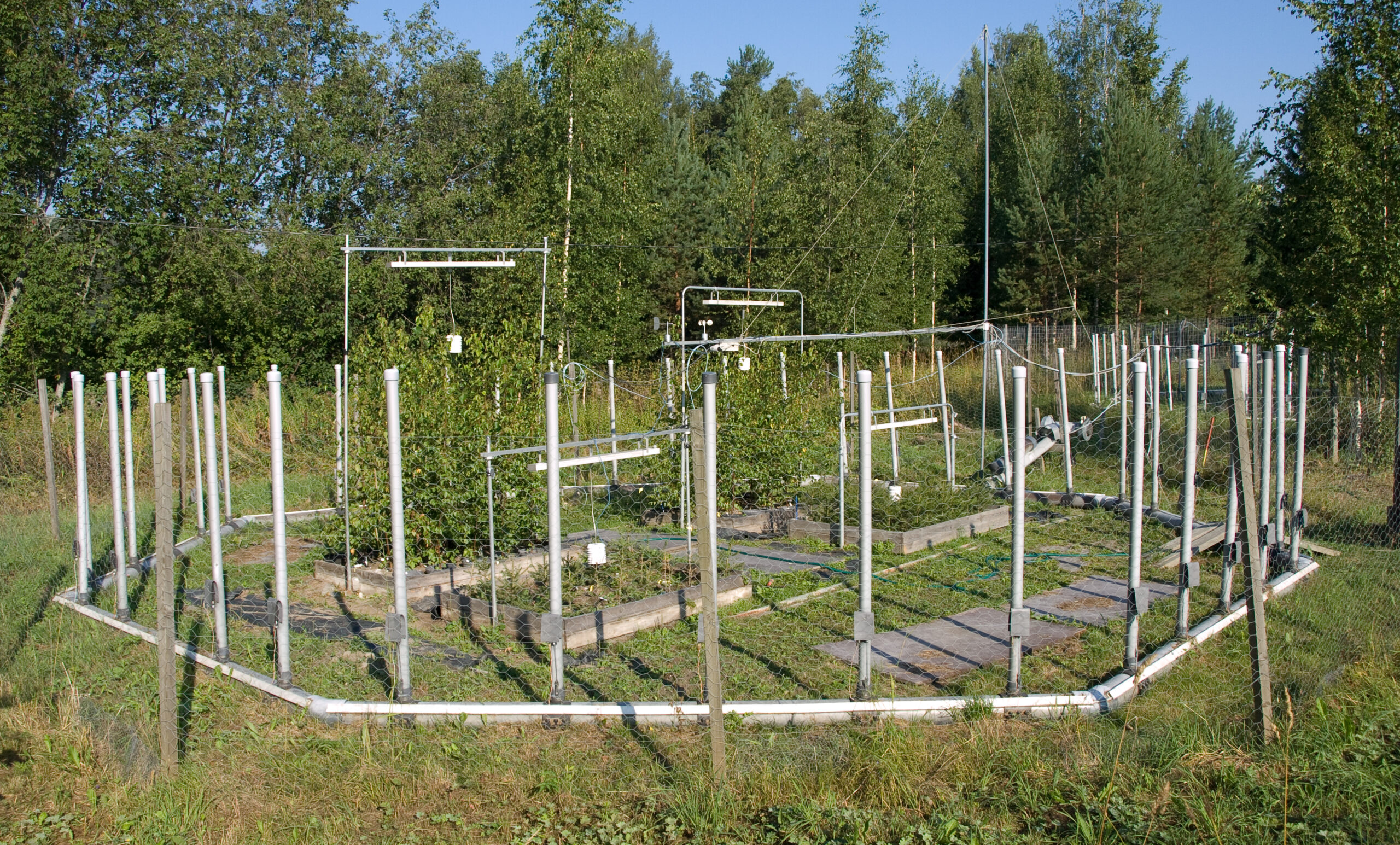
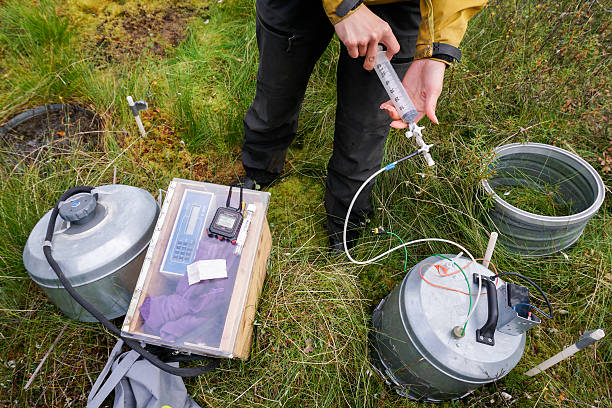
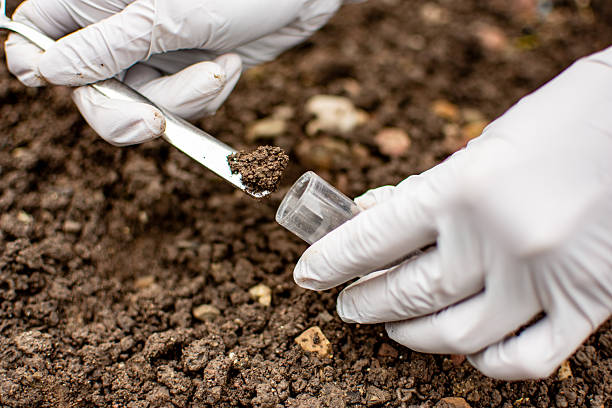
During my training I spent time in the field taking gas samples from soil, drawing them out with a syringe from sealed chambers sitting on the ground, at timed intervals, so the amounts could be measured back in the lab. The gas we were after was nitrous oxide, which is what a portion of soil nitrogen turns into before it escapes.
We were working on deep peatland, where this loss runs faster than anywhere else. But the process itself is not special to peat. It happens in garden soil too, and what drives it is something you have some control over.
Your Plants Are Surrounded by Nitrogen They Cannot Use
The nitrogen up there is locked in a form plant roots cannot take up. As a 2025 review in Frontiers in Plant Science puts it, plants cannot absorb atmospheric nitrogen directly, so they depend entirely on nitrogen already in the soil, in the forms nitrate and ammonium. Getting it into those forms takes either bacteria living in the roots of plants such as peas and beans, or a factory, which is where bagged fertiliser comes from.
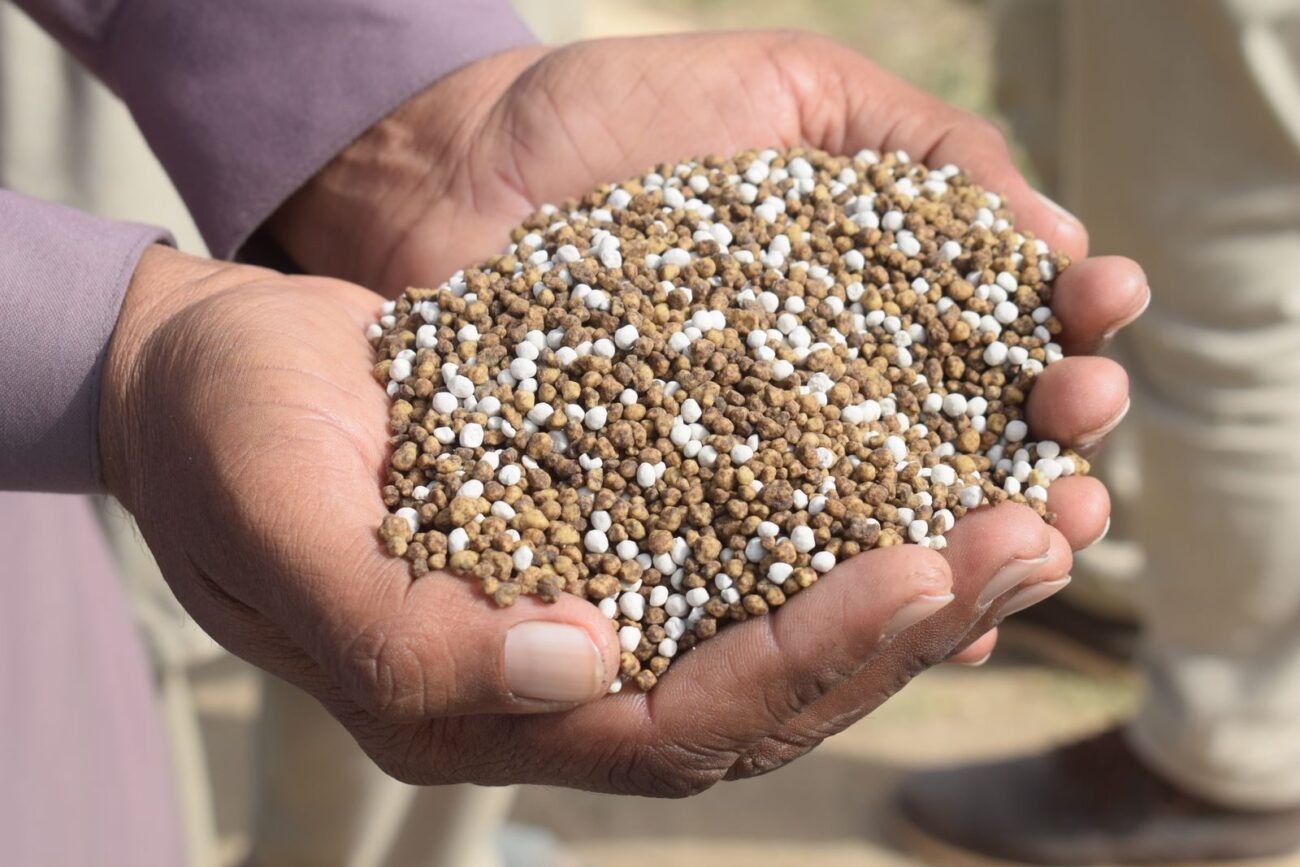
The same review gives the figure that should change how you think about feeding. On average, crops take up only about half of the nitrogen applied as fertiliser. The rest is lost, through evaporation into the air, through washing down past the roots, and through microbes converting it to gas.
Half. That is the background to everything below, and the rest of this article is about where the other half goes.
Where the Fertiliser Goes
Once nitrogen is in your soil in a usable form, it does not sit still and wait for roots to arrive. It leaves by three routes.
It washes down past the roots. Nitrogen in the nitrate form does not stick to soil particles, so when water moves down through the soil, the nitrate moves with it. Heavy rain or heavy watering on light, sandy soil sends it below the root zone, where nothing can reach it.
It escapes as ammonia gas. Fertiliser or manure left on the surface, unwatered and unmixed, loses nitrogen straight into the air. This is why the instructions tell you to water it in or work it into the soil.
Microbes convert it and it leaves as gas. This is the one I sampled, and it is the one nobody mentions.
The Loss You Cannot See
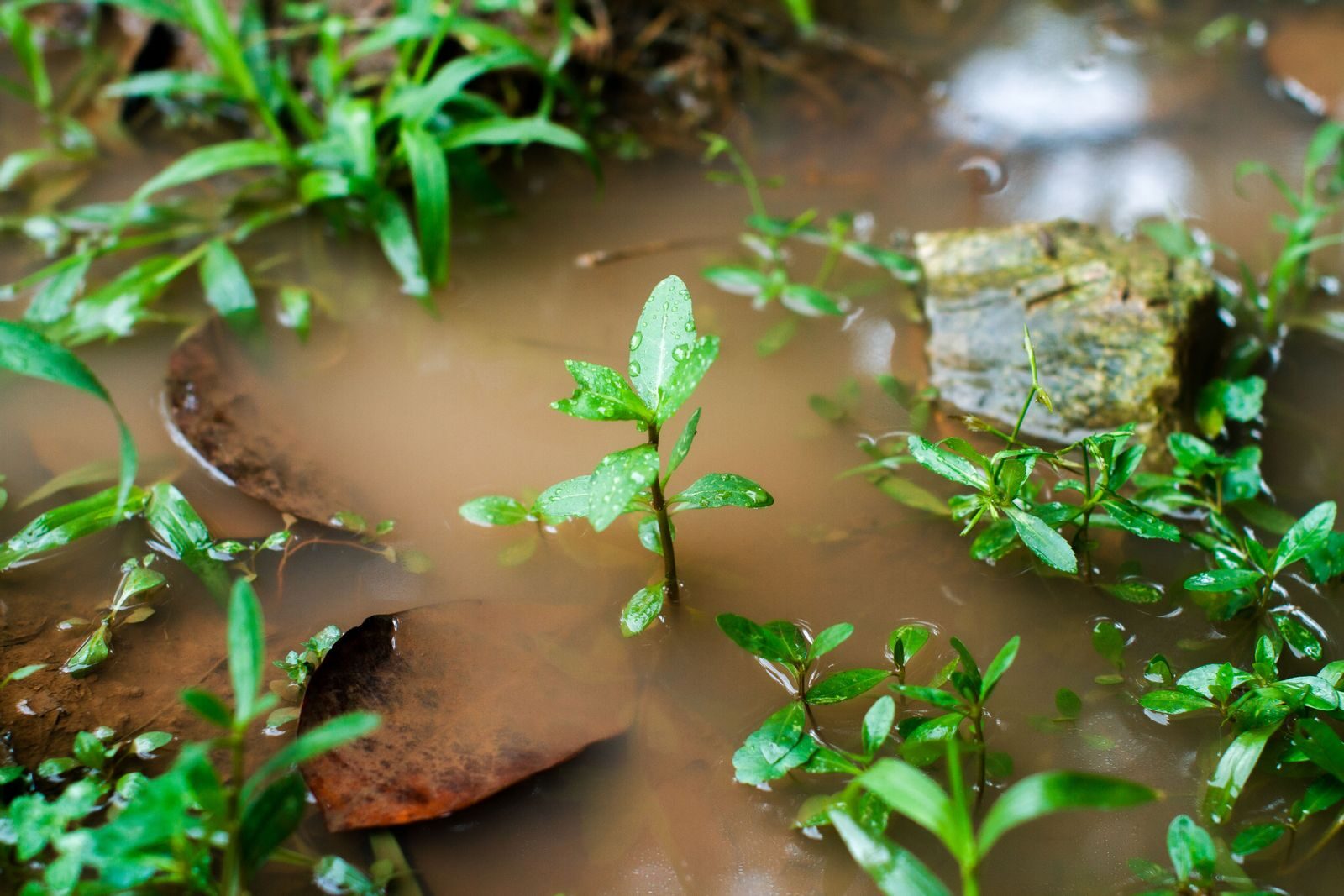
Soil microbes normally use oxygen to do their work. When soil is waterlogged and oxygen runs short, some of them switch to using nitrate instead. In doing so they convert your nitrogen into gases, including nitrous oxide, and those gases leave the soil into the air.
The scale is not small. Penn State Extension states that typical soils can lose up to 15 percent of their nitrate this way, and a Florida Extension review puts the range at roughly 5 to 25 percent of applied nitrogen depending on the soil and conditions. That is a quarter of what you paid for, at the top end, converted and gone.
What working with this taught me is how invisible it is. Standing on that peatland, there was nothing to see. The ground looked like ground. No smell, no colour, no sign at the surface that anything was leaving. The only reason we knew was that the gas in the vials said so. Any gardener adding fertiliser and getting a poor response is in the same position, looking at soil that gives away nothing about what it is doing.
There is a second reason to care. Nitrous oxide is a greenhouse gas around 300 times more powerful than carbon dioxide, weight for weight. So nitrogen you paid for, that your plants never received, leaves as one of the more damaging gases there is.
What Makes the Loss Worse
Three conditions drive this, and each of them is worth recognising in your own garden.
Wet soil. The main one. Saturated soil has no air in it, which is what pushes microbes to use nitrate instead of oxygen. A bed that stays sodden after rain is losing nitrogen.
Compacted soil. Compaction squeezes out the air spaces, which produces low-oxygen conditions even without standing water. If you have read my piece on soil that has gone rock hard, this is one more cost of it.
Warm soil. Microbes work faster when it is warm, so losses climb in warm, wet conditions rather than cold, wet ones.
Put those together and a familiar situation appears: a heavy, compacted bed that holds water, fed in warm weather. That soil will lose more of what you give it than a well-structured, free-draining bed will.
How to Keep More of Your Nitrogen
None of this means feeding is pointless. It means the soil decides how much of your feeding survives, so work on the soil as well as the feed.
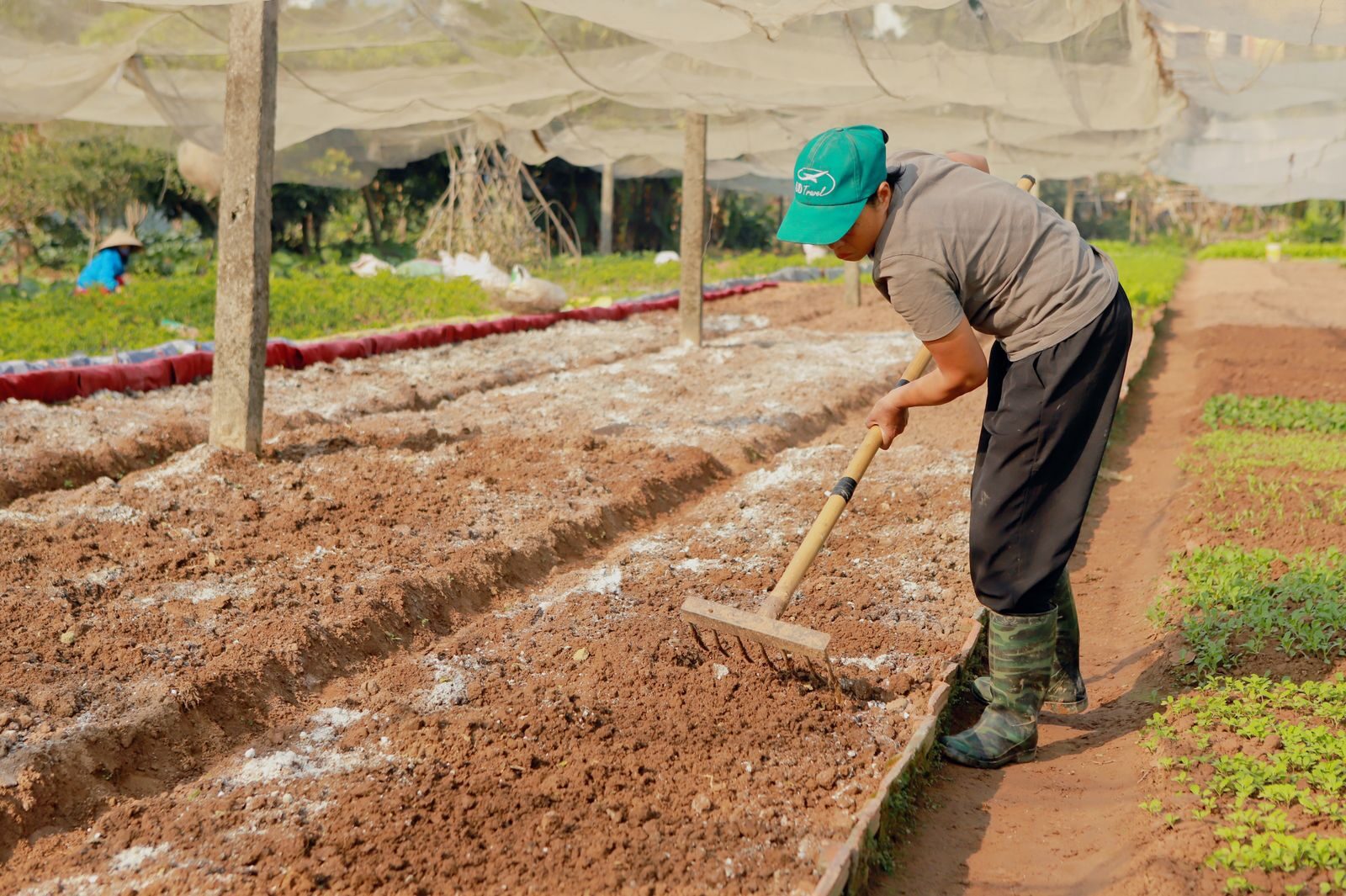
- Fix the drainage before you fix the feeding. Soil that holds water is losing nitrogen. Adding organic matter and easing compaction does more for your plants than another bag of fertiliser will.
- Do not feed just before heavy rain. Nitrogen applied to soil about to be saturated is nitrogen at its most vulnerable, both to washing down and to being converted and lost as gas.
- Feed less at a time, more often. A large dose delivers more nitrogen than plants can take up at once, and the surplus sits there exposed. Smaller amounts spread across the season lose less.
- Water it in or mix it in. Fertiliser and manure left sitting on the surface lose nitrogen to the air as ammonia. Getting it into the soil stops that route.
- Feed the soil, not only the plant. Organic matter releases nitrogen slowly as microbes break it down, so less of it is sitting in a vulnerable form at any one time. It also improves the structure and drainage that cause the problem in the first place.
- Grow legumes in the rotation. Peas, beans and clover work with bacteria that convert nitrogen from the air into a usable form, in the soil, where the plant needs it.
What I Took From It
Sampling gas coming out of soil changes how you think about feeding plants. Before that, fertiliser was something you added and the plant either used or did not. Afterwards, it became clear the soil is a busy place with its own processes running, and some of them are working against what you are trying to do.
The useful conclusion for a garden is this. The condition of your soil decides how much of your feeding reaches your plants. Wet, airless, compacted soil converts and loses a share of it before roots get near. Loose, well-drained soil full of organic matter holds on to far more.
So when feeding is not working, the answer is rarely more feed. Look at the soil that is meant to be delivering it.
Frequently Asked Questions
Where does nitrogen fertiliser go if plants do not use it?
It leaves by three routes. Nitrate washes down below the root zone with rainwater or irrigation. Ammonia escapes into the air from fertiliser left on the surface. And soil microbes convert nitrate into gases, including nitrous oxide, which leave the soil into the atmosphere, especially when the soil is wet.
How much nitrogen is lost from soil?
Estimates vary with soil and conditions. Extension sources put losses through microbial conversion at up to 15 percent of nitrate in typical soils, and in the range of roughly 5 to 25 percent of applied nitrogen depending on circumstances. Leaching and surface losses come on top of that.
Why can plants not use the nitrogen in the air?
The air is 78 percent nitrogen, but it is in a form plants cannot break apart. It has to be converted first, either by bacteria that live with legumes such as peas and beans, or industrially, which is how bagged fertiliser is made.
Does wet soil cause nitrogen loss?
Yes, and it is the main driver of the gas route. Waterlogged soil has little oxygen, so some microbes use nitrate instead and release nitrogen as gas. Compaction has a similar effect, since it removes the air spaces, and warmth speeds the process up.
Will adding more fertiliser fix a poor response?
Often not. If the soil is wet or compacted, a larger dose loses a larger amount, and excess nitrogen brings its own problems, such as leafy growth with little fruit. Improving drainage, structure and organic matter usually does more than increasing the feed.
Is nitrous oxide from soil a problem?
Yes. It is a greenhouse gas around 300 times more powerful than carbon dioxide by weight, and soils are a major source of it. Nitrogen that never reaches your plants and leaves as gas is both a waste of money and an environmental cost.
What is the best way to feed plants without losing nitrogen?
Improve the soil first so it drains and holds air. Apply smaller amounts more often rather than one heavy dose, water or mix it in rather than leaving it on the surface, avoid feeding just before heavy rain, and use organic matter, which releases nitrogen slowly as it breaks down.