







Walk through a mature forest and you are standing on one of the most efficient nutrient recycling systems on Earth.
Every leaf that falls, every root that dies, every organism that completes its life cycle feeds back into a nitrogen cycle that has been running without interruption for centuries. And the forest loses almost none of it.
I studied nitrogen and phosphorus together as companion nutrients in my postgraduate biogeochemistry training. You cannot fully understand one without the other. But nitrogen is the one that limits forest productivity most often and most directly. Understanding how it moves through forest soil changes how you read forest health, carbon storage, and ecosystem response to pollution.
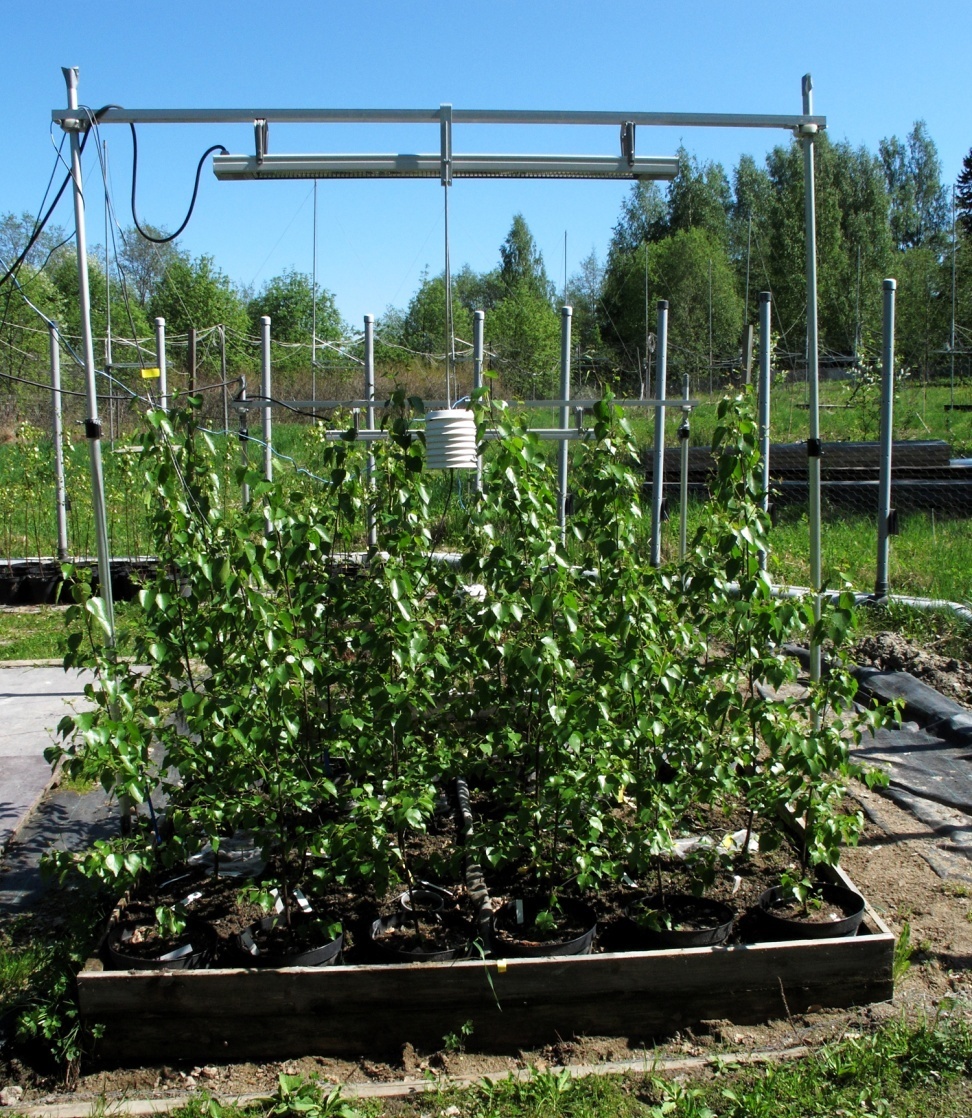
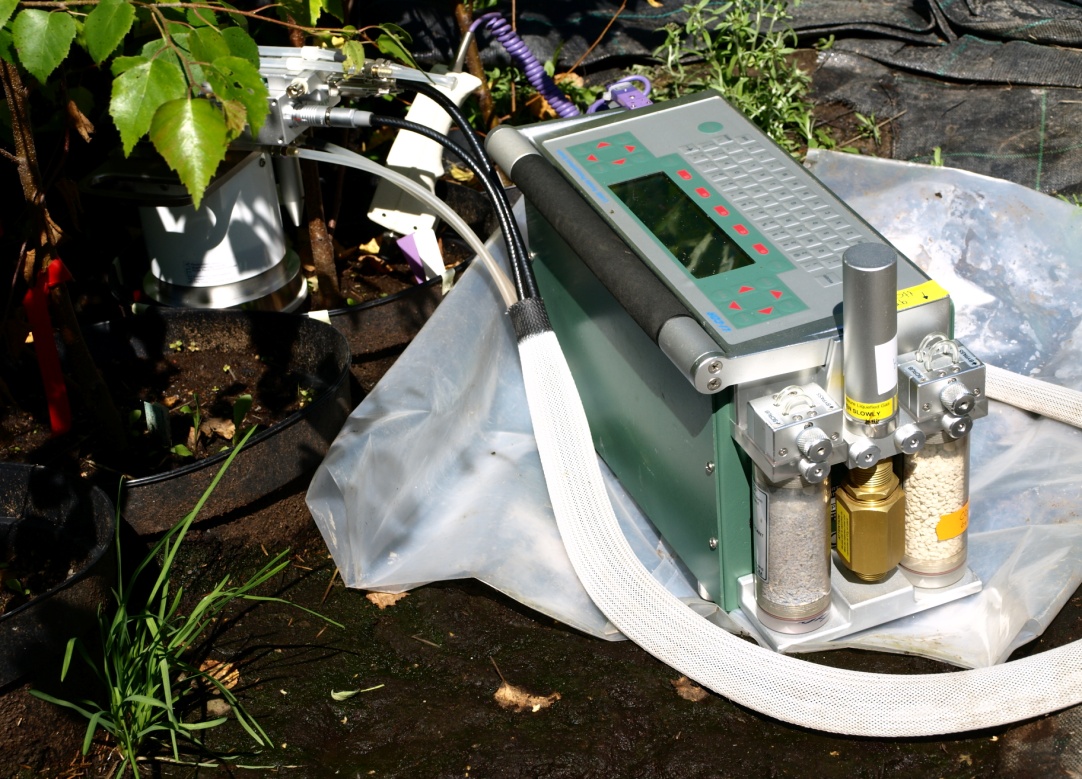
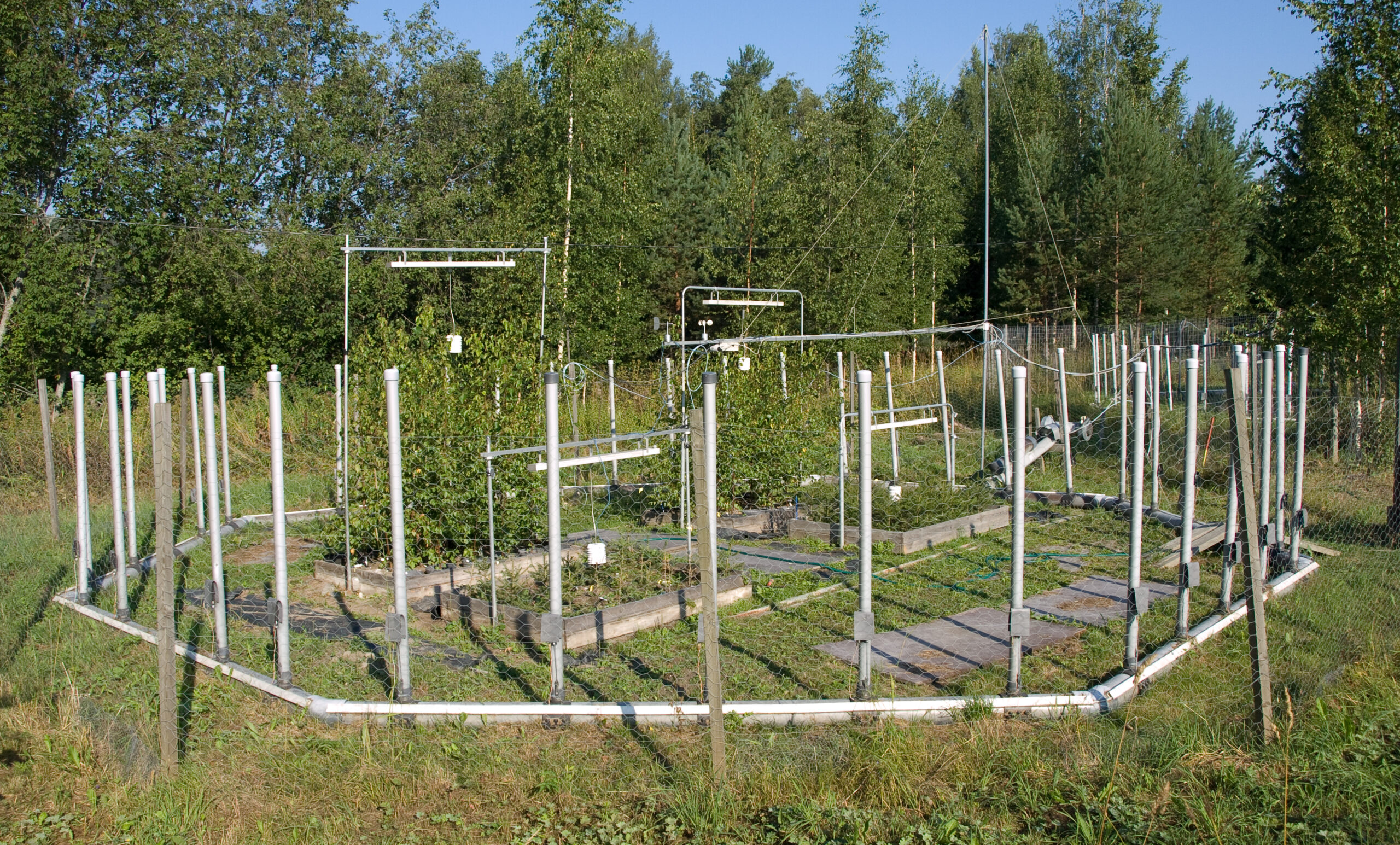
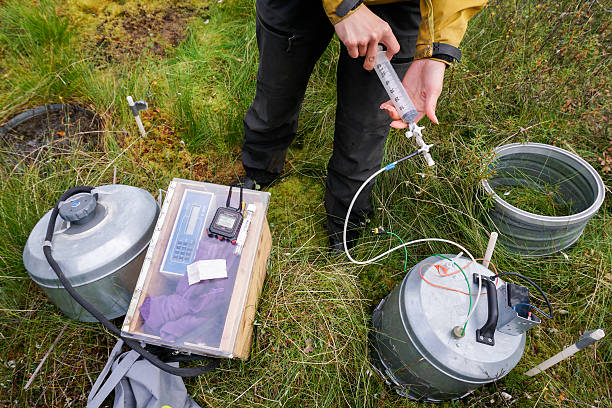
I also saw evidence of this nitrogen connection in my own field research. Soil nutrient availability was a constant background factor shaping how the trees above responded to warming and ozone stress. The below-ground biology and the above-ground growth were never independent of each other.
This article walks you through how nitrogen works in a forest, why it matters, and what happens when human activity disrupts the cycle.
What Is the Nitrogen Cycle in a Forest?
The nitrogen cycle in a forest is the continuous movement of nitrogen through the atmosphere, soil, plants, animals, and microorganisms. Unlike the carbon cycle, which exchanges carbon continuously with the atmosphere, the forest nitrogen cycle is largely a closed internal loop. Most of the nitrogen cycling through a mature forest comes from decomposition and internal recycling, not from new inputs.
Nitrogen does enter forest systems from outside. Biological nitrogen fixation is the most important natural input. Certain bacteria convert atmospheric nitrogen gas into ammonium, a form plants and microbes can actually use. Lightning fixes small amounts too. And atmospheric deposition, nitrogen compounds falling with rain or settling as dry particles, has become a significant input in many forests downwind of agricultural and industrial areas.
Once nitrogen is in the soil it moves through a series of transformations driven almost entirely by microbial activity. Mineralisation converts organic nitrogen in decomposing material into ammonium. Nitrification converts ammonium to nitrate. Plants and microbes compete to take up both forms. And denitrification converts nitrate back to nitrogen gas under waterlogged conditions, returning nitrogen to the atmosphere and completing the loop.
In a healthy mature forest this cycle is remarkably tight. Very little nitrogen escapes the system. That efficiency is what allows forests to maintain productivity over centuries on relatively modest external inputs.

How Does the Nitrogen Cycle Work in the Forest?
There are five main processes that keep nitrogen moving through the system. Understanding each one makes the whole cycle make sense.
Nitrogen fixation is the entry point. Free-living soil bacteria convert atmospheric nitrogen to ammonium. In some forests, symbiotic bacteria in the root nodules of alder and other nitrogen-fixing species fix significant amounts and release them into the surrounding soil. This is why alder grows well on poor disturbed soils where other trees struggle.
Mineralisation follows. Organic nitrogen in leaf litter, dead roots, and soil organic matter is broken down by bacteria and fungi into ammonium. This releases nitrogen locked in organic form back into something plants can absorb. Temperature and moisture control the rate, which is why nitrogen availability varies seasonally and between wet and dry years.
Nitrification converts ammonium to nitrate through a two-step bacterial process. Nitrate is more mobile than ammonium in soil water, which means it travels further and is more vulnerable to leaching away during heavy rainfall.
Plant and microbial uptake compete for the available nitrogen. Tree roots and their mycorrhizal fungal partners take up nitrogen directly. Soil microbes also absorb it into their own biomass, temporarily locking it away from plants. This competition between plants and microbes is one of the most important dynamics in forest nutrient cycling.
In my biogeochemistry training this competition was one of the concepts that stuck with me most. It is not just about how much nitrogen enters the system. It is about how efficiently the biological community captures and holds onto what is already there.
Denitrification completes the loop. Under waterlogged anaerobic conditions, bacteria convert nitrate back to nitrogen gas which returns to the atmosphere. This is a net loss from the forest system and why poorly drained soils can be more nitrogen limited than well-drained ones even when they receive the same inputs.
How Do Trees Affect the Nitrogen Cycle?
Trees are not passive recipients of nitrogen from the soil. They actively shape the cycle in ways that are easy to underestimate.
Litter quality is one of the biggest influences. Different tree species produce leaf litter with very different chemical compositions. Litter from nitrogen-rich species like alder or birch decomposes quickly and releases nitrogen rapidly back into the soil. Litter from nitrogen-poor species like spruce or pine decomposes slowly and releases nitrogen over years or decades. A birch forest and a spruce forest on identical soils cycle nitrogen very differently because of this.
In my field research I worked with silver birch, a species that produces relatively nitrogen-rich litter. The soil biological activity in the experimental plots was shaped partly by the birch litter chemistry above and the root exudate chemistry below. I also found that different genotypes within the same birch species produced measurably different soil responses under the same conditions. That kind of genetic level variation in how a tree influences its own soil was something I did not expect going into the experiment.
Root architecture and mycorrhizal partnerships determine how efficiently trees actually access nitrogen. Ectomycorrhizal fungi, which associate with most boreal and temperate forest trees including birch, extend far beyond the root surface into soil pores that roots cannot reach. These fungi can access organic nitrogen that has not yet been mineralised and transfer it directly to the tree. In nitrogen-poor soils this is not a minor advantage. It is often the difference between adequate nutrition and severe limitation.
How Do Forest Fires Affect the Nitrogen Cycle?
Fire disrupts the nitrogen cycle in a way that is fundamentally different from how it affects phosphorus, and the difference matters for understanding how forests recover.
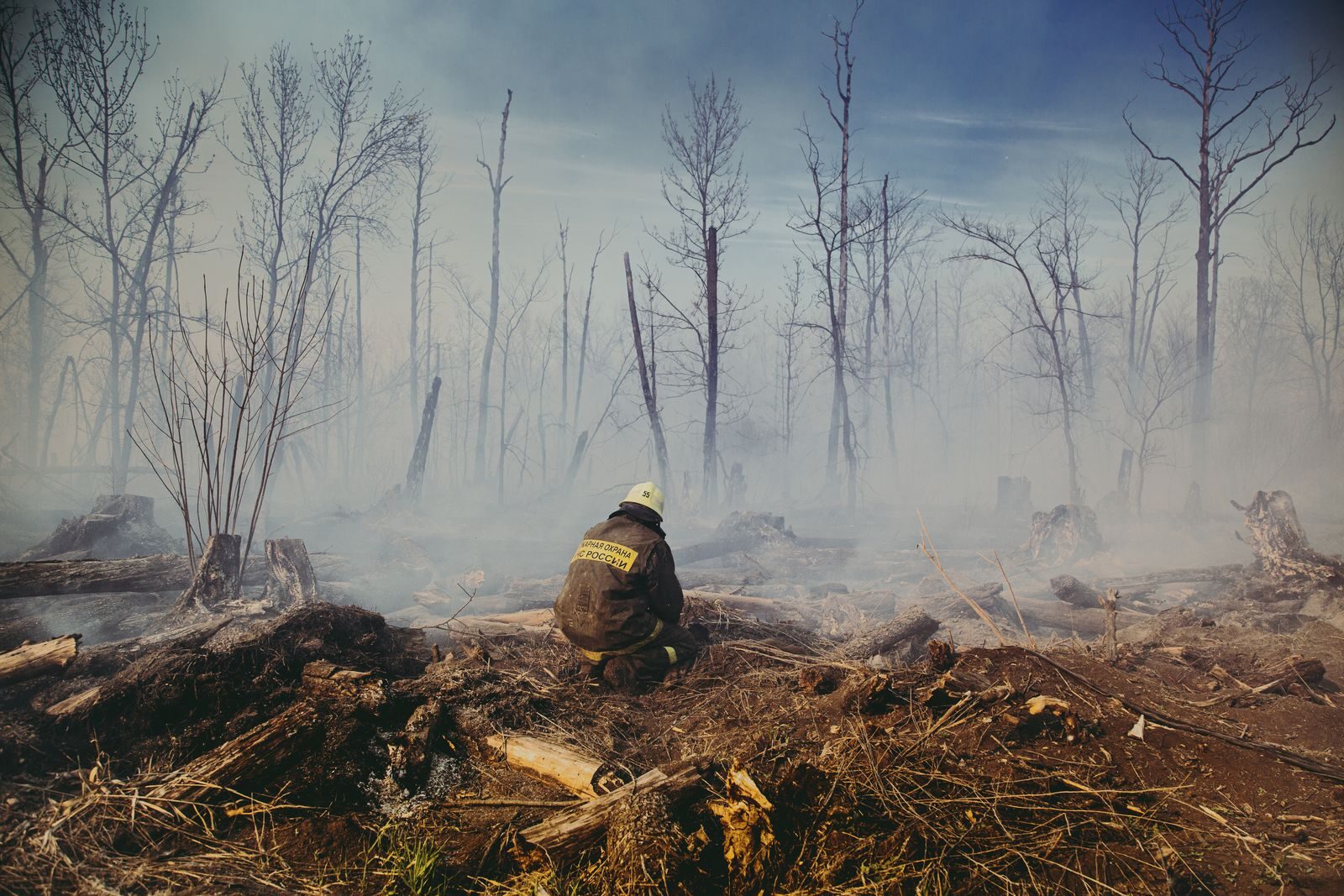
When organic matter burns, phosphorus stays in the ash and becomes temporarily more available. Nitrogen does the opposite. It is largely volatilised during combustion, escaping to the atmosphere as nitrogen gas and nitrogen oxide compounds. A severe fire can remove a significant fraction of the total nitrogen stored in forest floor organic matter in a single event.
This creates a predictable post-fire pattern. The soil is temporarily enriched in phosphorus relative to nitrogen because phosphorus stays while nitrogen leaves. Species that can fix nitrogen, including certain pioneer plants and their soil bacteria, often colonise burned sites quickly precisely because they can access atmospheric nitrogen that other species cannot.
Over longer timescales nitrogen accumulates again through fixation, atmospheric deposition, and decomposition of remaining organic matter. The rate of recovery depends on fire severity, recovering vegetation, and local climate.
In boreal forests fire is a natural part of the disturbance cycle. The nitrogen dynamics of post-fire recovery are part of a succession process the ecosystem has adapted to over millennia. Where fire has been suppressed for long periods, accumulated organic matter and nitrogen stocks can make fires when they do occur more severe, causing larger nitrogen losses than a natural fire frequency would have produced.
How Does Nitrogen Deposition Affect Forest Ecosystems?
This is where the nitrogen cycle connects most directly to human activity and where some of the most significant changes to forest chemistry are happening right now.
Atmospheric nitrogen deposition means reactive nitrogen compounds arriving at forest surfaces through rainfall, dry particle deposition, and gas absorption. These inputs come primarily from agricultural emissions, particularly ammonia from livestock and fertilisers, and from vehicle and industrial nitrogen oxide emissions. In heavily industrialised and agricultural regions, forests receive far more nitrogen than they evolved to handle.
The initial effect of moderate nitrogen addition to a nitrogen-limited forest is often increased productivity. Trees grow faster. Leaf nitrogen rises. Soil microbial activity increases. This is why nitrogen deposition was initially seen by some as a potential benefit for forest carbon storage.
The longer-term effects are more complicated. As nitrogen accumulates it can push the system past the point where nitrogen limits productivity. At nitrogen saturation, additional nitrogen no longer increases growth and instead starts causing problems. Soil acidification accelerates. Base cations like calcium and magnesium leach away. Aluminium becomes mobilised at low soil pH and damages fine roots. Nitrate leaches into groundwater. And species composition shifts toward those that thrive under high nitrogen conditions, reducing biodiversity.
Research published in Nature Communications has projected that warming-driven changes to forest nitrogen cycling could reduce the global carbon sink capacity of forests by 0.45 billion tonnes annually by 2100, with the largest effects expected at mid to high latitude sites across North America, Europe and East Asia.
This connects directly to something I measured in my own field work. Just 0.9°C of warming increased soil respiration by 24 to 36 percent in my experiment. Warmer soils process nitrogen faster, which accelerates nitrogen losses from the system. At the scale of entire forest landscapes under sustained warming that acceleration has real consequences for how much nitrogen stays in the system and how much carbon forests can continue to store.
How Long Does Nitrogen Stay in Forest Soil?
It depends entirely on what form the nitrogen is in.
Inorganic nitrogen, ammonium and nitrate, is the most mobile fraction. Nitrate can leach out of the soil within days during heavy rainfall. Ammonium is held more tightly to soil particles but can still be lost through volatilisation as ammonia gas in warm conditions.
Organic nitrogen in fresh decomposing material and microbial biomass turns over on timescales of weeks to months. As organic matter becomes more chemically complex and physically protected inside soil aggregates, the nitrogen within it stabilises. The most stable fractions, chemically bonded to clay minerals or locked inside aggregates, can persist in forest soils for decades or centuries.
In mature forest soils with deep organic horizons the majority of total soil nitrogen sits in these stable organic forms. That large stable pool acts as a slow-release reservoir that feeds plant and microbial uptake steadily over time rather than in pulses. It is one of the reasons old-growth forest soils can sustain such high productivity without external inputs.
What Is the Difference Between the Nitrogen Cycle and the Phosphorus Cycle in Forests?
The most fundamental difference is the atmospheric reservoir. Nitrogen has one and phosphorus does not.
Atmospheric nitrogen gas makes up 78 percent of the air and biological nitrogen fixation can convert it into plant-available forms. Phosphorus has no equivalent atmospheric source. Every atom of phosphorus in a forest came from rock weathering or recycling of existing organic matter.
This difference shapes how the two nutrients limit forest productivity. Nitrogen limitation is more common in young soils and high-latitude forests where fixation inputs are modest and decomposition is slow. Phosphorus limitation is more common in old heavily weathered tropical soils where mineral phosphorus has largely been depleted.
The two cycles also interact. Soil microbes need both nitrogen and phosphorus in roughly fixed ratios to build their biomass. When one is scarce relative to the other, microbial activity adjusts in ways that affect both cycles simultaneously. Excess nitrogen deposition can push forests toward phosphorus limitation by stimulating growth beyond what the phosphorus supply can support.
I covered the phosphorus cycle in detail in my article on the phosphorus cycle in forest ecosystems on this site. The two articles read well together if you want the full nutrient cycling picture.
Frequently Asked Questions
How does the nitrogen cycle work in the forest?
Nitrogen enters through biological fixation and atmospheric deposition, is converted between organic and mineral forms by soil microbes through mineralisation and nitrification, is taken up by tree roots and their mycorrhizal partners, is returned to the soil through litter fall and root turnover, and is lost through denitrification and leaching. In a mature forest this cycle is extremely efficient and very little nitrogen escapes the system.
How do trees affect the nitrogen cycle?
Through litter quality, root architecture, mycorrhizal partnerships, and below-ground carbon allocation. Trees with nitrogen-rich litter accelerate mineralisation. Ectomycorrhizal partnerships allow trees to access organic nitrogen directly. Below-ground carbon inputs feed microbial communities that drive mineralisation. Even genetic variation within a tree species can influence how the nitrogen cycle operates in the soil below.
How do forest fires affect the nitrogen cycle?
Fire volatilises nitrogen from organic matter, releasing it to the atmosphere as gas while phosphorus remains in the ash. This shifts the nutrient balance in post-fire soils toward relative phosphorus enrichment and nitrogen depletion, which influences which species colonise burned sites and how quickly nitrogen accumulates during forest recovery.
How long does nitrogen stay in soil?
Inorganic nitrogen can leach out within days. Organic nitrogen in microbial biomass turns over in weeks to months. The most stable organic nitrogen fractions bonded to clay minerals or protected inside soil aggregates can persist for decades or centuries. Mature forest soils with deep organic horizons hold large stable nitrogen pools that feed plant and microbial uptake steadily over time.
Which soil is richest in nitrogen?
Soils under mature temperate and boreal forests with deep organic horizons tend to have the highest total nitrogen stocks because centuries of litter inputs have built up large stable organic nitrogen pools. Wetland soils including peatlands also accumulate high nitrogen stocks because anaerobic conditions slow decomposition and nitrogen loss.
What cancels out nitrogen in soil?
Denitrification under waterlogged conditions converts nitrate back to nitrogen gas and removes it from the system. Leaching during heavy rainfall moves nitrate out of the root zone. Fire volatilises nitrogen from organic matter. And harvesting removes nitrogen stored in tree biomass.
How do forests cycle nutrients?
Through continuous movement of nutrients between living organisms, dead organic matter, soil microbes, and the soil mineral fraction. Trees take up nutrients through roots and mycorrhizal partners, incorporate them into biomass, return them to the soil through litter fall and root turnover, and the decomposer community breaks down that organic matter and releases nutrients back into plant-available forms. This internal recycling is what allows forests to maintain productivity over centuries on relatively modest external inputs.