






Every environmental science student learns photosynthesis early. Carbon dioxide in, oxygen out, glucose produced. Simple enough to fit on a revision card.
What that revision card leaves out is everything that actually matters for understanding forests, carbon cycling, and climate change. How photosynthesis connects to soil carbon. Why ozone and warming alter photosynthetic efficiency in ways that ripple through entire ecosystems. Why two trees of the same species standing a metre apart can respond completely differently to the same environmental stress.
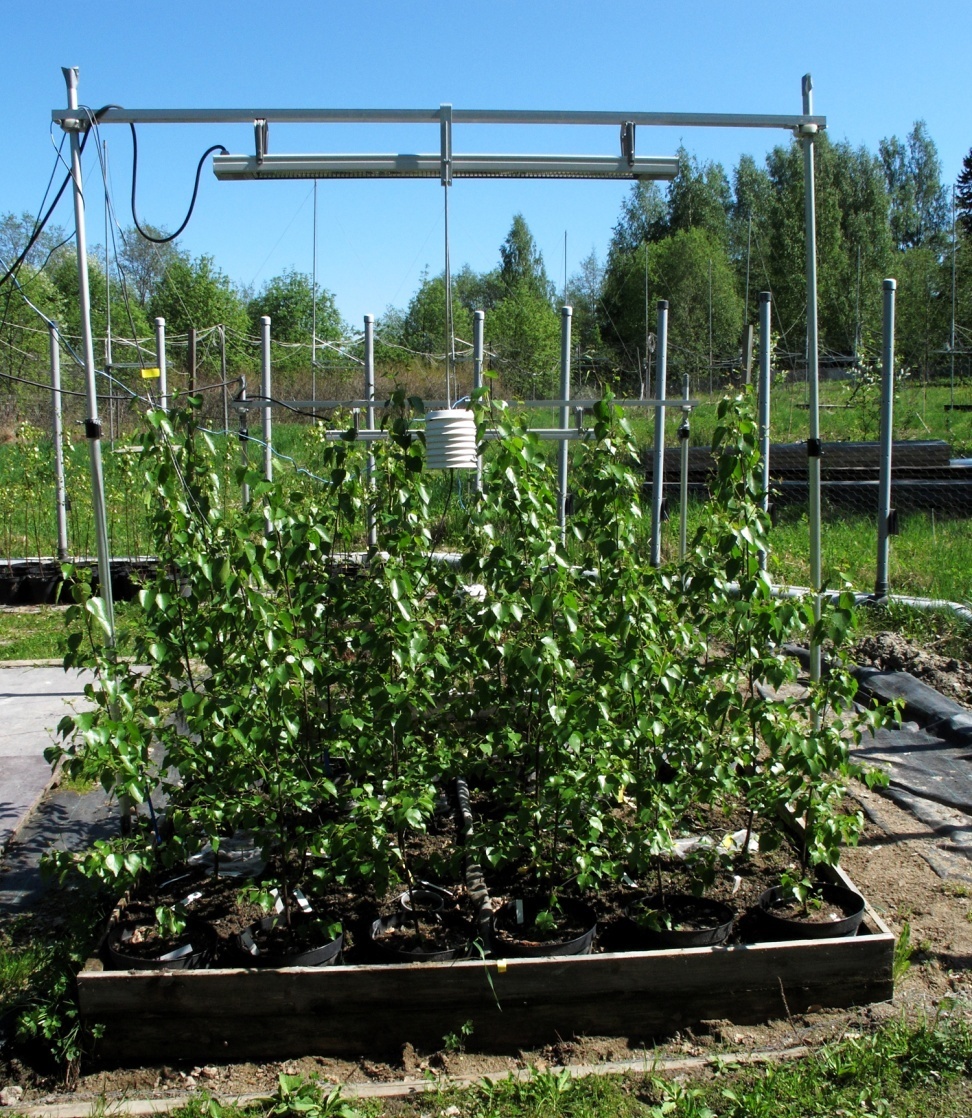
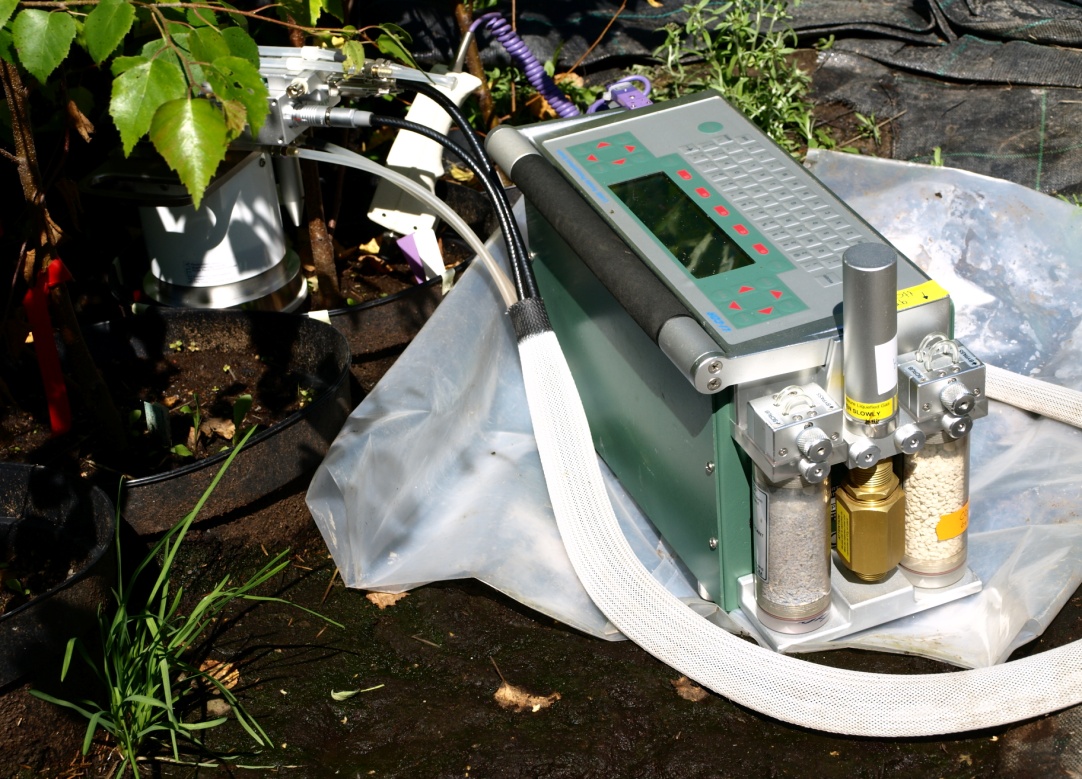
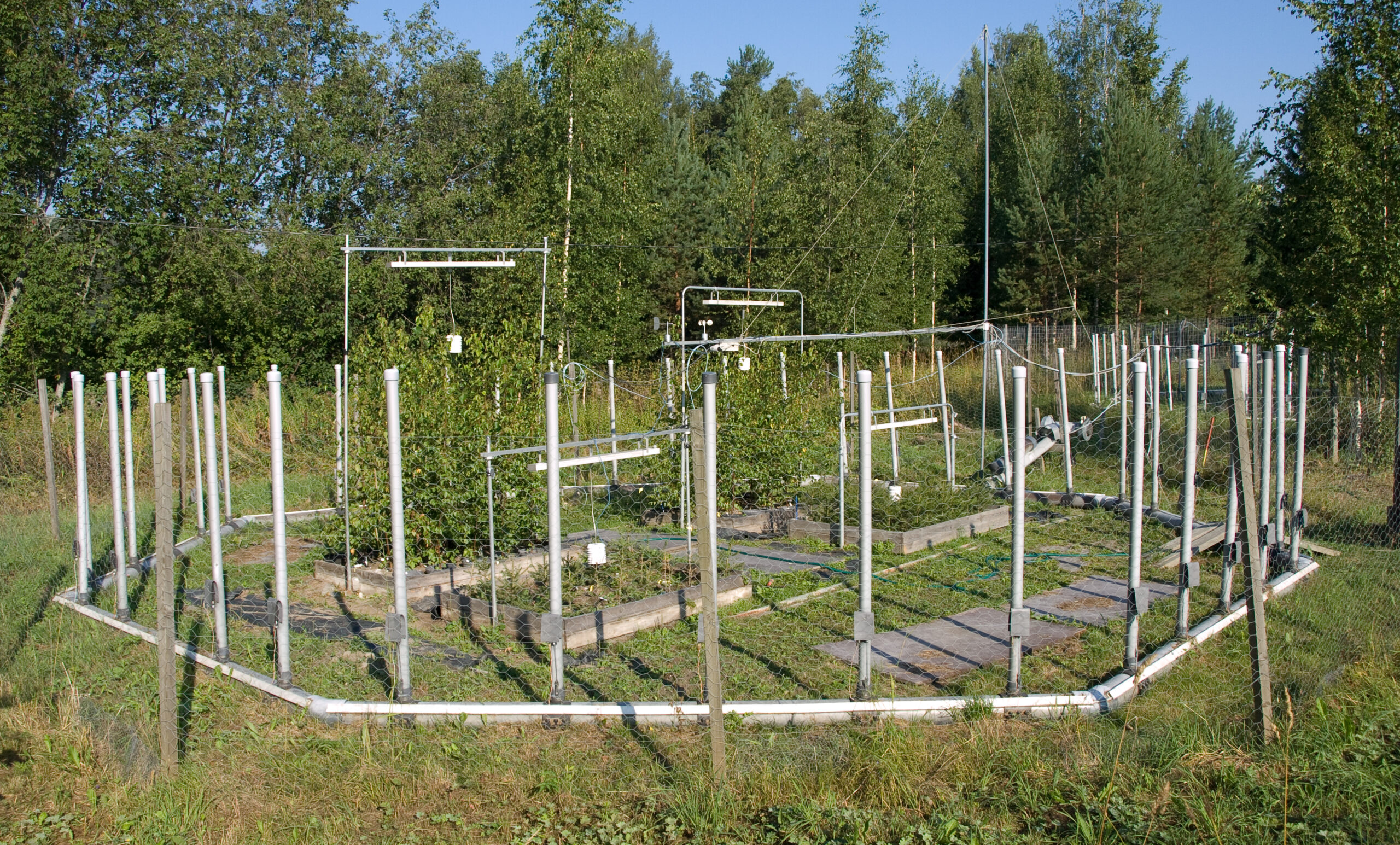
I studied plant biochemistry at postgraduate level, including the detailed chemistry of photosynthetic reactions and how environmental stressors disrupt them. And then I spent a growing season in the field watching those disruptions play out in real trees under controlled conditions. This article connects the basics most people already know to the bigger picture most articles never reach.
What Photosynthesis Actually Does
The basic equation is worth stating clearly before moving past it.
Six molecules of carbon dioxide plus six molecules of water, powered by sunlight, produce one molecule of glucose and six molecules of oxygen.
In chemical shorthand:
6CO₂ + 6H₂O + light energy produces C₆H₁₂O₆ + 6O₂.
That glucose is not just food for the plant. It is the raw material for everything a tree builds and does. Every gram of wood, every root tip, every leaf, every defensive compound produced against pests and pathogens, every carbon-rich exudate fed to soil microbes. All of it starts with photosynthesis.
This is why photosynthesis is not just a plant physiology topic. It is the entry point for carbon into every terrestrial ecosystem on Earth. Understanding how photosynthesis works and what disrupts it is foundational to understanding forest carbon storage, soil health, and how ecosystems will respond to climate change.
How Photosynthesis Works: The Two Stages
Photosynthesis happens in two connected stages inside the chloroplasts of plant cells.
The light-dependent reactions happen in the thylakoid membranes inside the chloroplast. Chlorophyll and other pigments absorb sunlight, primarily in the red and blue wavelengths. That light energy splits water molecules, releasing oxygen as a byproduct and generating ATP and NADPH, the energy carriers that power the second stage.
The light-independent reactions, also called the Calvin cycle, happen in the stroma of the chloroplast. The enzyme Rubisco fixes CO₂ from the atmosphere by attaching it to a five-carbon molecule. The ATP and NADPH from the light reactions power a series of chemical transformations that eventually produce glucose.
One detail worth understanding is that Rubisco, the enzyme at the heart of carbon fixation, is not perfectly selective for CO₂. At higher temperatures it increasingly reacts with oxygen instead of carbon dioxide in a process called photorespiration, which releases CO₂ rather than fixing it and represents wasted energy from the plant’s perspective. This temperature sensitivity of Rubisco is one reason why warming does not simply translate into proportionally more photosynthesis and more carbon storage. The relationship is more complicated than that.
In my plant biochemistry studies, the kinetics of Rubisco and the conditions that shift it toward photorespiration were covered in considerable depth. When I later observed in my field experiment that moderate warming increased leaf area in one birch genotype but decreased it in the other, the Rubisco sensitivity to temperature was one of the mechanisms I considered as a possible explanation. A genotype with lower thermal acclimation capacity might experience more photorespiration under warming, reducing the net benefit of higher temperatures on photosynthetic output.
How Do Plants Make Energy at Night?
This is one of the most searched photosynthesis questions and the answer is straightforward but important.
Plants do not make energy through photosynthesis at night. Photosynthesis requires light and stops when light is absent. At night plants rely entirely on cellular respiration to meet their energy needs, breaking down the glucose produced during the day to release ATP.
This means plants are net carbon releasers at night. The oxygen they release during daytime photosynthesis is consumed by their own respiration at night, and CO₂ is released. Over a full day, a healthy plant in good growing conditions produces more oxygen through photosynthesis than it consumes through respiration, resulting in a net oxygen gain and net carbon uptake. But the idea that plants only absorb CO₂ and only release oxygen is not accurate on an hour-by-hour basis.
For forest carbon accounting this distinction matters. Eddy covariance flux towers measuring net ecosystem exchange capture the integrated balance of photosynthesis and respiration over entire days and seasons. On a warm night with high temperatures accelerating respiration, a forest can become a temporary net carbon source even during the growing season.
Why Is Photosynthesis Important for Life on Earth?
Beyond oxygen production, photosynthesis drives three interconnected processes that sustain virtually all life on land.
Carbon fixation and storage. Photosynthesis is the primary mechanism by which atmospheric CO₂ is converted into organic carbon and held in biological form. Every gram of wood in a forest represents carbon that photosynthesis pulled from the atmosphere. Globally, terrestrial photosynthesis fixes roughly 120 billion tonnes of carbon per year. This flux is the dominant input into the terrestrial carbon cycle and the main driver of carbon storage in forests and soils.
Soil carbon inputs. A substantial fraction of photosynthetically fixed carbon does not stay in the tree. As I covered in the carbon allocation article on this site, between 25 and 63% of fixed carbon is transferred belowground through root systems and root exudates. This carbon feeds soil microbial communities, drives nutrient cycling, and builds the stable soil organic matter that represents one of the largest carbon stores on land. Photosynthesis above ground is directly connected to soil carbon dynamics below ground through this allocation pathway.
Food web support. All heterotrophic life, every animal, fungus, and most bacteria, ultimately depends on the organic carbon that photosynthesis produces. The productivity of every ecosystem is constrained by the rate at which photosynthesis fixes carbon at the base of the food web.
How Ozone and Warming Affect Photosynthesis
This is where the research perspective I bring to this topic becomes most relevant, and where the standard photosynthesis explainer typically ends before the interesting part begins.
Tropospheric ozone enters leaves through the stomata, the same openings that allow CO₂ in for photosynthesis. Inside the leaf, ozone reacts with cell membranes and proteins, damaging the photosynthetic apparatus directly. It reduces the efficiency of the light reactions by damaging chlorophyll and disrupting electron transport. It also causes stomatal closure as a defensive response, which reduces CO₂ uptake and therefore limits carbon fixation even when the light reactions are functioning.
In my field experiment, I elevated ozone concentrations to 1.4 times ambient levels across treatment plots. One of the most telling results was that ozone reduced stem diameter growth in one birch genotype at the end of the season under ambient temperature conditions.
That late-season reduction is consistent with ozone-induced suppression of photosynthetic capacity reducing the carbon available for structural growth. The effect was not dramatic in a single season but ozone effects are known to accumulate over multiple years as repeated oxidative damage reduces the photosynthetic efficiency of affected leaves progressively.
Warming affects photosynthesis differently. Moderate warming generally increases photosynthetic rates by extending the growing season and increasing enzyme activity up to the thermal optimum. In my experiment, warming increased stem height by around 9% at peak growing season, which reflects greater carbon assimilation supporting more growth.
But as temperatures rise above the thermal optimum, Rubisco shifts increasingly toward photorespiration, net carbon fixation declines, and the growth benefit of warming reverses. The temperature at which this shift occurs varies between species and genotypes, which is one reason genotype-specific responses to warming are so important for predicting how forests will respond to climate change.
Photosynthesis and Cellular Respiration: How They Are Related
These two processes are often presented as opposites and in a simplified sense they are. Photosynthesis converts CO₂ and water into glucose using light energy. Cellular respiration converts glucose back into CO₂ and water, releasing energy as ATP.
But they are not simply reversals of each other. They happen in different compartments of the cell, use different biochemical pathways, and serve different functions. Photosynthesis is the carbon input process. Respiration is the energy release process. A plant runs both simultaneously during the day, with photosynthesis producing glucose faster than respiration consumes it under good light conditions.
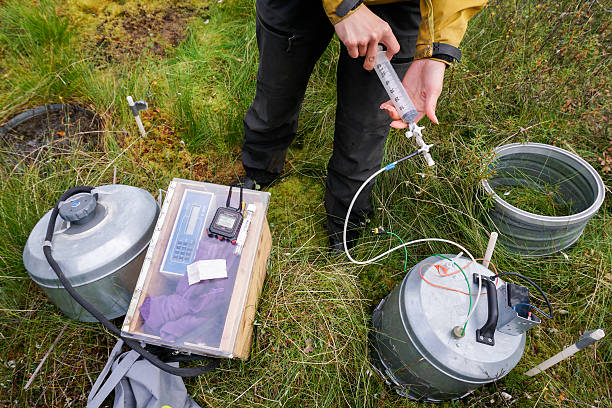
The balance between the two at ecosystem scale is what determines whether a forest is a net carbon sink or source at any given time. My field measurements of soil respiration captured one component of the respiration side of that balance. Combining those measurements with estimates of gross photosynthetic uptake would give a complete picture of net ecosystem carbon exchange, which is exactly what eddy covariance towers are designed to measure at landscape scale.
Frequently Asked Questions
What is photosynthesis in simple terms?
The process by which plants use sunlight, water, and CO₂ to produce glucose and oxygen. The glucose fuels plant growth and metabolism. The oxygen is released as a byproduct. It is the foundation of the terrestrial carbon cycle and the primary mechanism by which carbon moves from the atmosphere into living biological systems.
How do plants make energy at night?
They do not make energy through photosynthesis at night. Without light, photosynthesis stops. Plants rely on cellular respiration at night, breaking down glucose produced during the day to release ATP for their energy needs. This means plants release CO₂ at night rather than absorbing it.
Can photosynthesis occur without sunlight?
Not in the traditional sense. The light-dependent reactions require light to generate the ATP and NADPH that power carbon fixation. Some photosynthesis can occur under artificial light if the right wavelengths are present, but in darkness the process stops entirely.
Why is photosynthesis important for the carbon cycle?
It is the primary entry point for carbon into terrestrial ecosystems. Photosynthesis converts atmospheric CO₂ into organic carbon stored in plant tissue, some of which is transferred to soils through root systems and decomposition. Without photosynthesis, terrestrial carbon storage would not exist and atmospheric CO₂ concentrations would be far higher.
How does ozone affect photosynthesis?
Ozone enters leaves through stomata and damages photosynthetic structures directly, reducing the efficiency of carbon fixation. It also causes stomatal closure as a defensive response, limiting CO₂ uptake. In my field experiment, elevated ozone reduced stem growth in one tree genotype, consistent with reduced photosynthetic carbon supply for structural growth.
Are photosynthesis and cellular respiration opposites?
They use opposite overall reactions but are not simply reversals of each other. They occur in different cellular compartments, use different pathways, and serve different purposes. Photosynthesis fixes carbon and stores energy in glucose. Respiration releases that energy as ATP. Both run simultaneously in a living plant during daylight hours.
How does warming affect photosynthesis in trees?
Moderate warming increases photosynthetic rates by extending growing seasons and increasing enzyme activity. But above the thermal optimum, the key carbon-fixing enzyme Rubisco increasingly reacts with oxygen rather than CO₂ in a wasteful process called photorespiration. The temperature at which this shift becomes significant varies between species and genotypes, making genetic variation in thermal tolerance an important factor in how forests will respond to continued warming.