


Measuring soil carbon sounds straightforward until you actually try to do it.
The carbon is in there. You know it is. But getting a reliable, reproducible number out of a soil sample requires choosing between methods that differ in cost, accuracy, equipment requirements, and what exactly they are measuring. And the differences matter more than most introductory texts suggest.
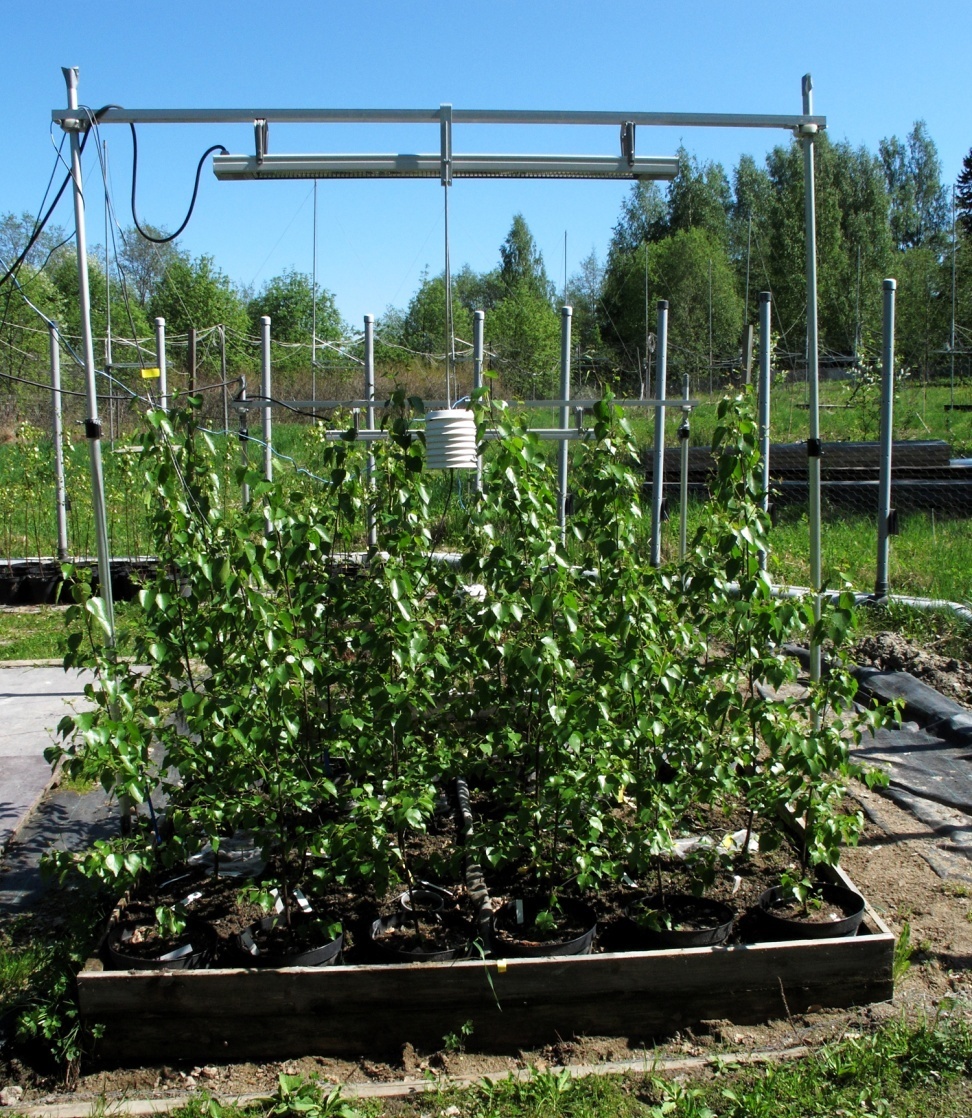
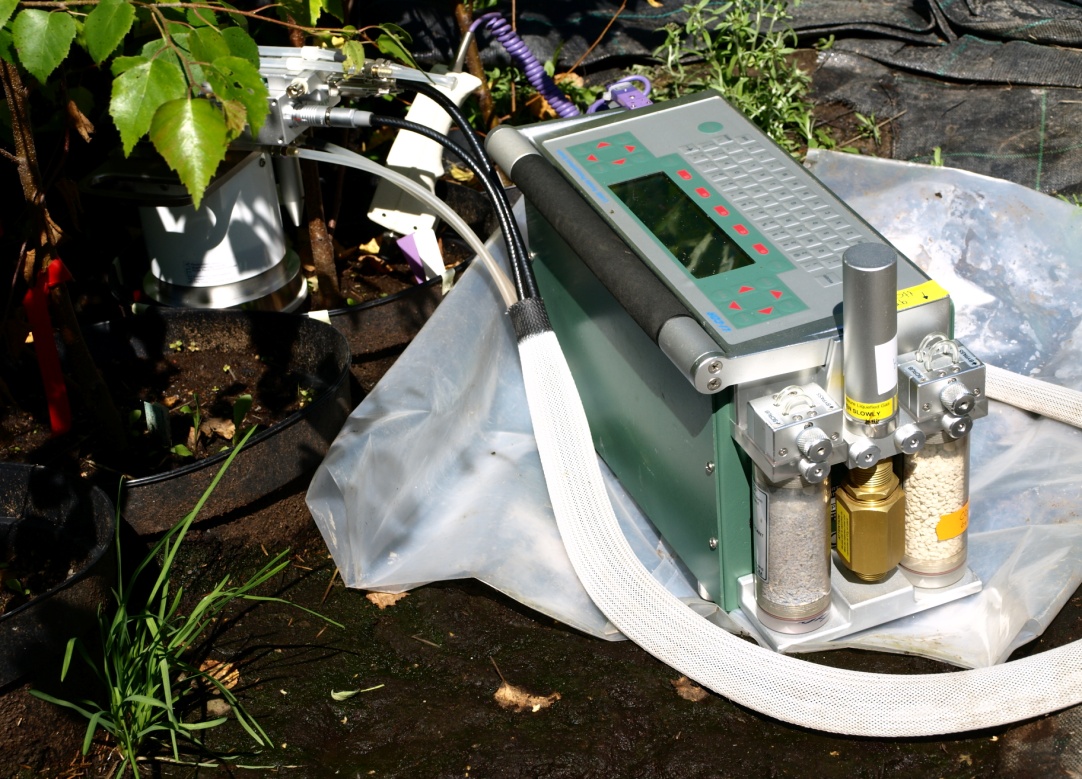
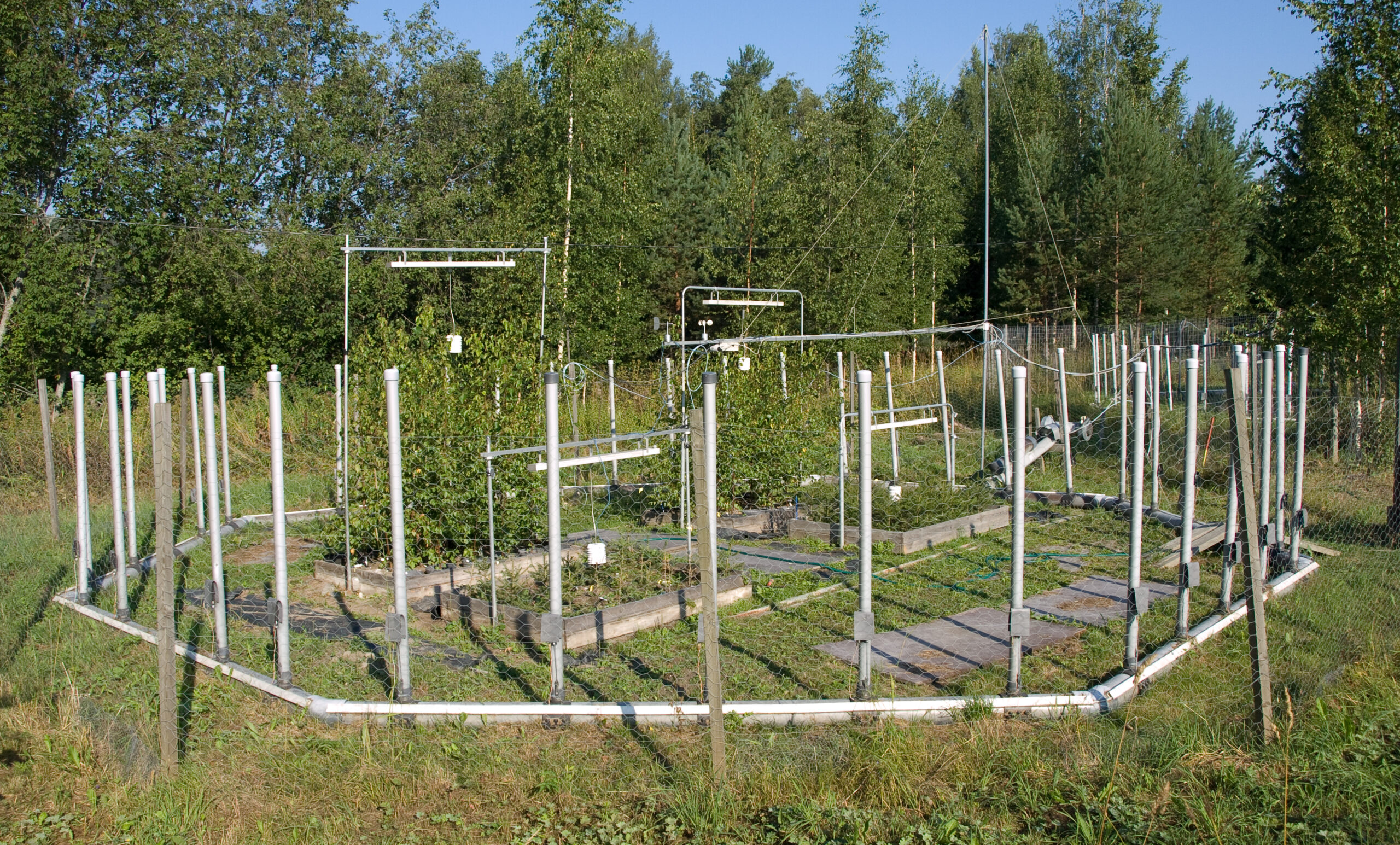
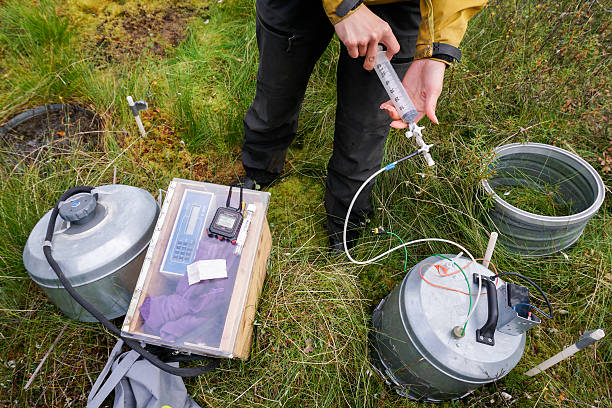
I encountered this directly in my field research. I measured soil respiration continuously throughout a growing season, which tells you how fast carbon is moving out of the soil as CO₂. But to understand how much carbon is actually stored in the soil, you need a different approach entirely. That is where soil carbon analysers and laboratory methods come in. This article explains the main techniques, what they measure, and how to choose between them.
What Are You Actually Measuring?
Before choosing a method, it helps to be clear about what you are trying to measure.
Total carbon includes both organic and inorganic carbon. Inorganic carbon comes from carbonates in the soil parent material and is not related to biological activity. In most temperate and humid forest soils, inorganic carbon is minimal and total carbon approximates organic carbon closely. In arid and calcareous soils, inorganic carbon can be substantial and measuring total carbon will overestimate organic carbon significantly.
Soil organic carbon is the carbon stored in living organisms, decomposing organic matter, and stable humus. This is the fraction most relevant to soil health, nutrient cycling, and climate science.
Soil organic matter is the broader term that includes all organic compounds in the soil. Since carbon makes up roughly 58% of organic matter by weight, the two are related by a conversion factor of 1.724. Most laboratory reports give you one or the other and you convert between them using that factor.
In my postgraduate biogeochemistry studies, the distinction between these fractions and the implications for method choice was a core topic. Getting this wrong at the measurement stage means your entire dataset is measuring something different from what your research question requires.
Method 1: Loss on Ignition
Loss on ignition, or LOI, is the simplest and most widely used method for estimating soil organic matter content. You dry a soil sample, weigh it, burn it in a muffle furnace at around 400 to 550°C for several hours, and weigh it again. The weight lost during ignition represents the organic matter that was burned off.
The calculation is straightforward. Organic matter percentage equals the weight loss divided by the original dry weight, multiplied by 100. Apply the 1.724 conversion factor and you have an estimate of soil organic carbon.
LOI is inexpensive, requires minimal specialist equipment, and can process large numbers of samples efficiently. It is widely used in ecological and agricultural research where high throughput matters more than absolute precision.
The limitation is accuracy. LOI does not distinguish between organic matter and structural water lost from clay minerals at high temperatures. In clay-rich soils this can overestimate organic matter. The method also does not separate organic from inorganic carbon, which matters in calcareous soils. Despite these limitations, LOI remains a practical and defensible method for comparative studies where consistency across samples matters more than absolute accuracy.
Method 2: Walkley-Black Wet Oxidation
The Walkley-Black method uses chemical oxidation rather than heat to decompose organic matter. A soil sample is treated with potassium dichromate and sulfuric acid. The dichromate oxidises the organic carbon and the amount consumed is determined by back-titration. The result gives you organic carbon content directly.
Walkley-Black has historically been one of the most widely used methods in soil science and is still referenced in many long-term datasets. It selectively measures oxidisable organic carbon rather than total carbon, which is an advantage in soils with significant inorganic carbon.
The main limitation is that the method only oxidises around 77% of soil organic carbon under standard conditions, requiring a correction factor of 1.30. The reagents involved, particularly chromium compounds, are also hazardous and require careful handling and disposal. Many laboratories have moved away from Walkley-Black for routine analysis because of these chemical hazards and the availability of cleaner alternatives.
Method 3: Elemental Analysers
Dry combustion using an elemental analyser is now the gold standard for soil organic carbon measurement in most research laboratories. A small soil sample is combusted at high temperature, typically above 900°C, in an oxygen-rich atmosphere. The CO₂ and other gases produced are measured by thermal conductivity or infrared detectors. The carbon content is calculated directly from the CO₂ produced.
Elemental analysers are highly accurate, precise, and can measure very small sample sizes. They provide total carbon by default. To get organic carbon specifically, samples are either pre-treated with acid to remove inorganic carbonates before analysis, or total carbon and inorganic carbon are measured separately and the difference calculated.
In my postgraduate training in quality control of chemical and environmental measurements, elemental analysis was discussed as the reference method against which other techniques are validated. The precision and reproducibility it offers are not matched by LOI or Walkley-Black, which is why it is used in studies where absolute accuracy matters and why long-term carbon stock assessments increasingly require it.
The trade-off is cost. Elemental analysers are expensive instruments requiring specialist maintenance and trained operators. For large-scale surveys with hundreds of samples, the per-sample cost can be significant.
Method 4: Near-Infrared and Mid-Infrared Spectroscopy
Spectroscopic methods are increasingly used for high-throughput soil carbon estimation. A soil sample is scanned with near-infrared or mid-infrared light and the spectrum it produces is compared against a calibration library built from samples with known carbon contents measured by reference methods.
The advantage is speed and cost. Once a calibration model is developed, spectroscopic analysis can process hundreds of samples per day at low cost per sample. No reagents, no combustion, no hazardous waste.
The limitation is that spectroscopic methods are indirect. They predict carbon content from spectral patterns rather than measuring it directly. The accuracy of predictions depends heavily on how well the calibration library represents the soils being analysed. A model calibrated on temperate agricultural soils may perform poorly on tropical forest soils with very different mineral and organic matter composition.
For monitoring programmes where consistent relative changes matter more than absolute accuracy, spectroscopy is a genuinely practical option. For research requiring precise absolute values, it should be validated against direct measurement methods on a representative subset of samples.
Field Methods: Portable Soil Carbon Analysers
Laboratory methods require bringing samples back to a facility. For field applications where real-time or near-real-time carbon data is needed, portable analysers have been developed.
Portable X-ray fluorescence analysers can estimate soil carbon in the field by detecting the energy signatures of elements in a soil surface, though their accuracy for organic carbon is lower than laboratory methods and they work better for mineral elements like iron and manganese that correlate with organic matter in certain soil types.
Portable infrared spectrometers bring the spectroscopic approach into the field, scanning soils directly without sample preparation. These are used in precision agriculture and large-scale soil carbon monitoring projects where field portability matters more than laboratory precision.
My own field measurements focused on soil CO₂ efflux rather than direct carbon stock analysis, but the two approaches are complementary. Efflux measurements tell you how fast carbon is cycling. Analyser-based methods tell you how much is stored. Together they give you a complete picture of soil carbon dynamics.
Which Method Should You Use?
The honest answer depends on your research question, budget, and sample numbers.
For routine comparative studies across many samples where relative differences matter more than absolute accuracy, LOI is a practical and cost-effective starting point. For studies requiring accurate absolute organic carbon values, dry combustion elemental analysis is the appropriate choice.
For legacy datasets where Walkley-Black was used historically, continuing with that method maintains comparability even if newer alternatives are preferred for new work. For large-scale monitoring with hundreds of sites, spectroscopic methods offer the best throughput once a robust calibration model is established.
Whatever method you choose, document it precisely and apply it consistently. Comparing carbon values across studies that used different methods without accounting for systematic differences is one of the most common sources of error in soil carbon research.
Frequently Asked Questions
How is soil organic carbon measured?
The main methods are loss on ignition, Walkley-Black wet oxidation, dry combustion elemental analysis, and infrared spectroscopy. Each measures slightly different things with different accuracy and cost trade-offs. Dry combustion is the current gold standard for research requiring precise absolute values.
What are the 4 analytical tests for measuring soil organic carbon?
Loss on ignition, Walkley-Black wet oxidation, dry combustion elemental analysis, and near or mid-infrared spectroscopy. Each has distinct advantages depending on the research context, sample volume, and accuracy requirements.
What is soil organic carbon measured in?
Typically as a percentage of dry soil weight, expressed as g C per 100g soil or g C per kg soil. Carbon stocks are often expressed as tonnes of carbon per hectare when scaled to a defined soil depth.
How do you calculate soil organic carbon stock?
Multiply the organic carbon concentration by the soil bulk density and the depth of the soil layer being assessed. The formula is: SOC stock (t C/ha) = SOC concentration (%) x bulk density (g/cm³) x depth (cm) x 0.1. Accurate bulk density measurements are as important as accurate carbon concentration measurements for reliable stock estimates.
Is soil carbon usually included in a standard soil test?
Basic agricultural soil tests often include organic matter as a routine measurement using LOI or a colorimetric method. Total or organic carbon by elemental analysis is typically a separate add-on test. Research-grade carbon analysis usually requires sending samples to a specialist laboratory.
How does soil organic carbon measurement relate to soil respiration?
Soil respiration measures the rate of carbon leaving the soil as CO₂. Soil carbon analysis measures how much carbon is stored in the soil at a point in time. Both are needed to understand whether a soil is gaining or losing carbon overall. In my field research, I measured respiration rates continuously but carbon stock analysis would have added an important complementary dimension to understanding the long-term carbon balance.