




Most people have heard of ozone twice in their lives. Once as the layer high above us that we were told was disappearing. And once, if at all, as something in smog.
Those two are the same gas. They sit in different places, and that changes everything about them. High up, ozone protects us and we want more of it. Down at ground level, where you breathe and your plants grow, it does damage and we want less of it. The public conversation has been about the first one for forty years, so almost nobody knows the second one exists.
I worked with ozone at ground level…
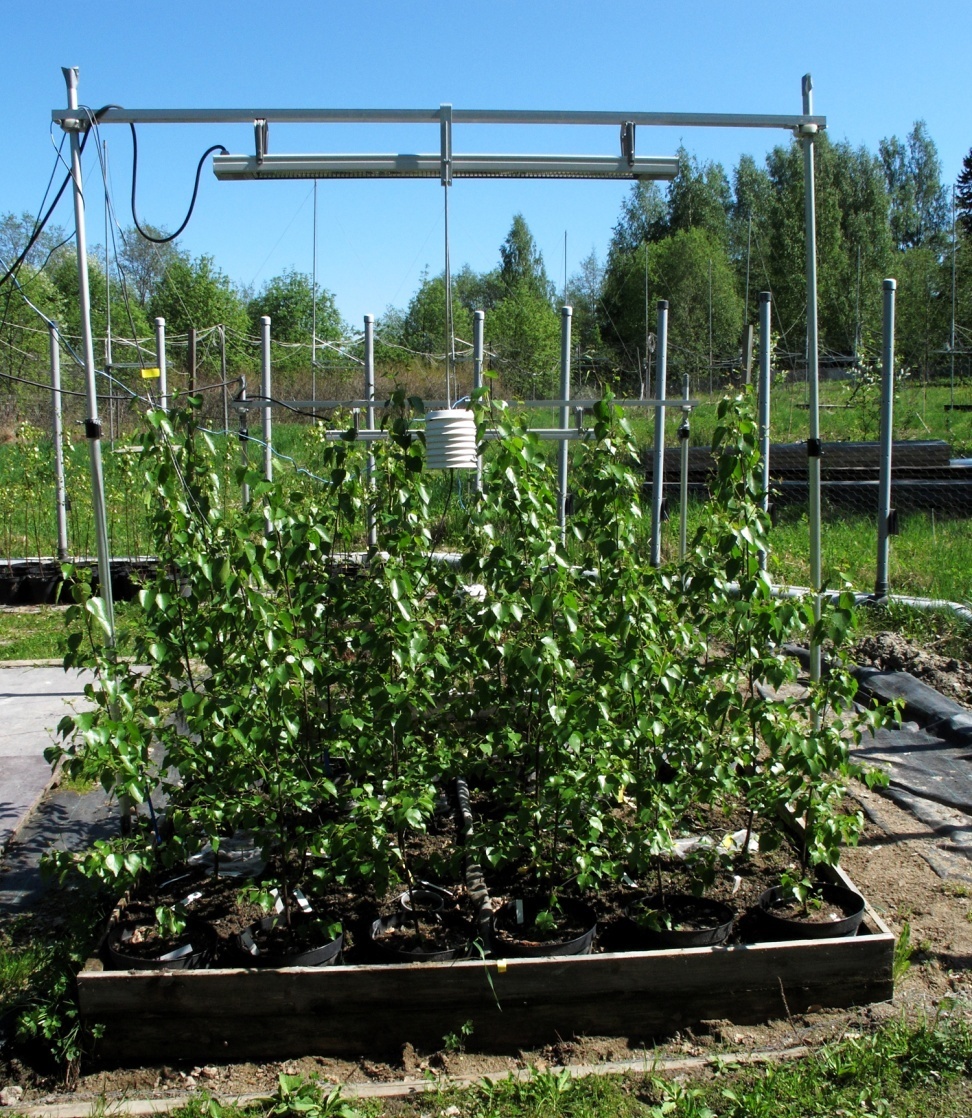
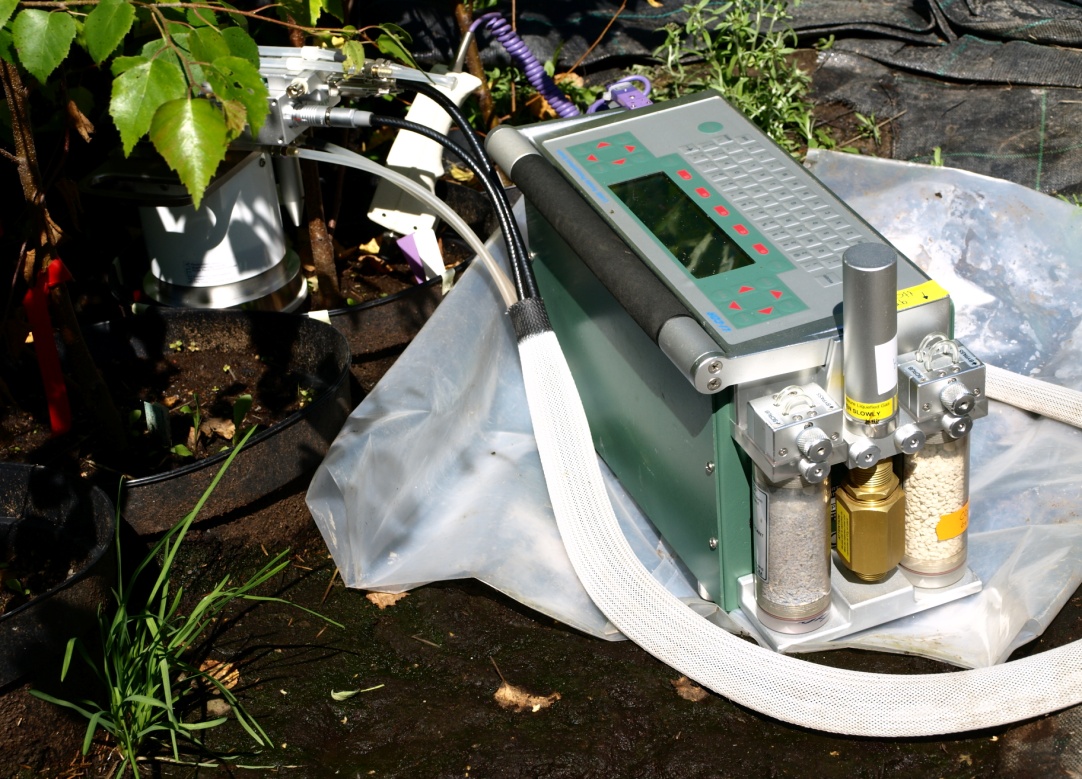
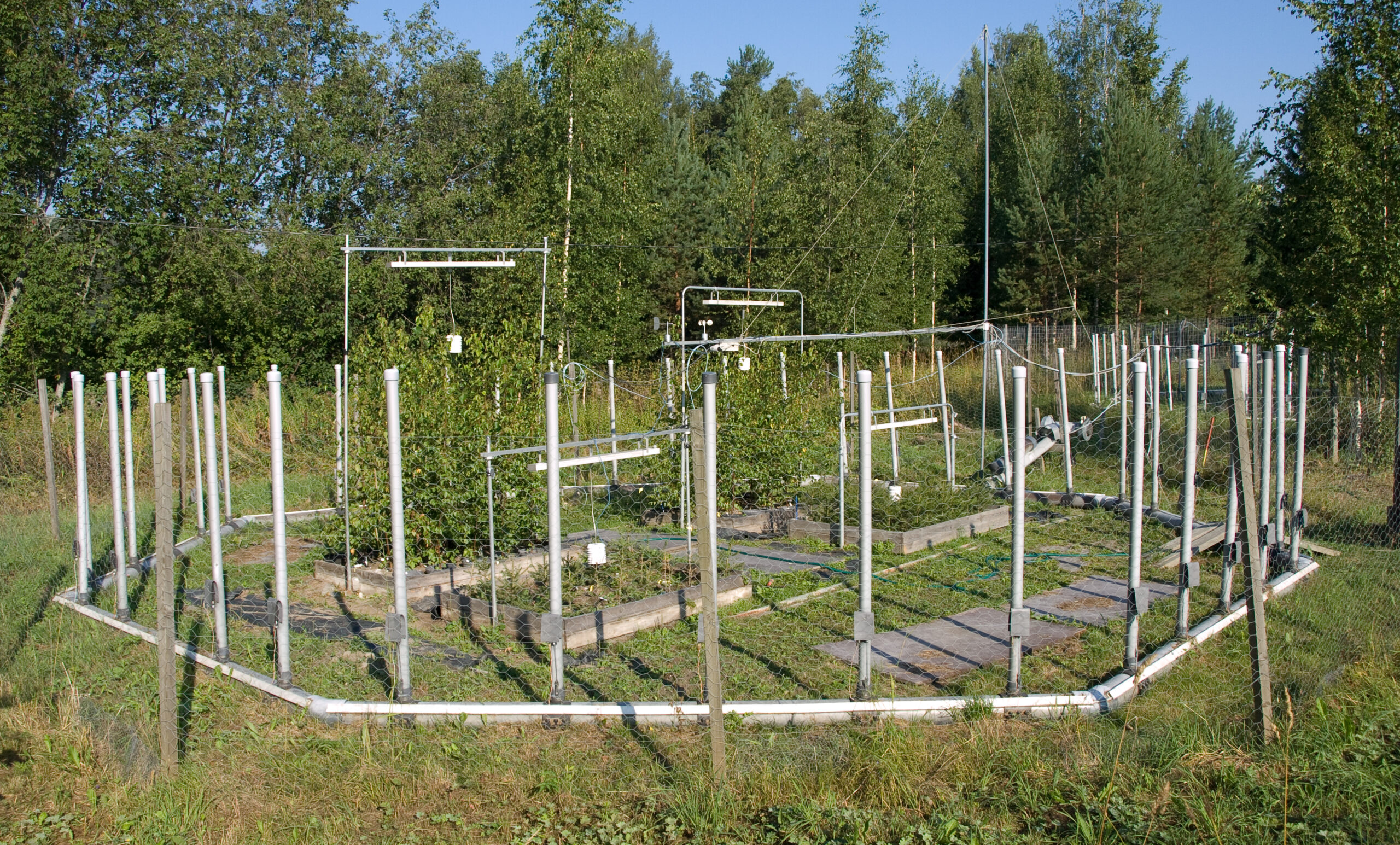
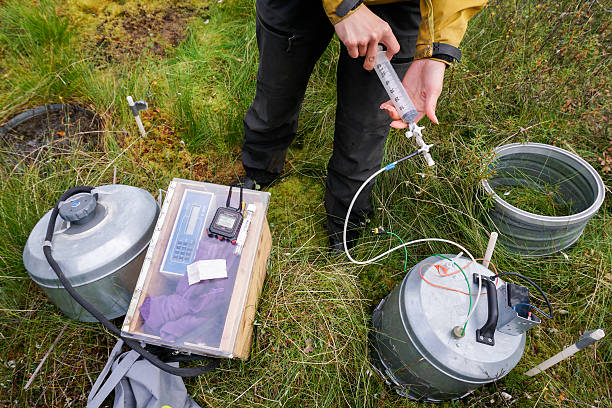
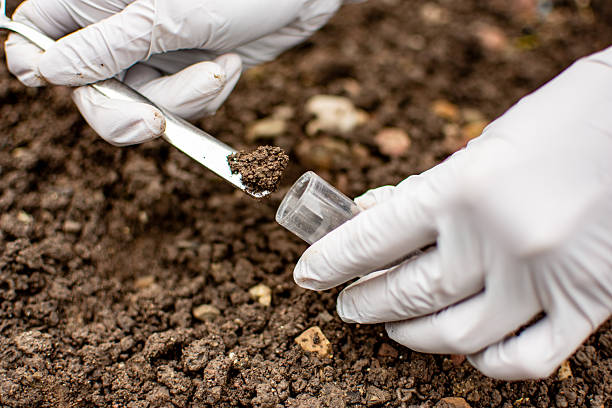
In my field research I ran an open-air experiment where young birch trees were grown under raised ozone, and I measured what it did to their growth and to the soil beneath them across a full season. That work is the reason I want to clear this up, because the confusion stops people noticing something happening in their own gardens.
The Same Gas, Two Different Places
Ozone is a gas made of three oxygen atoms. The oxygen you breathe has two. Adding the third makes it reactive, meaning it does not sit quietly in the air. It reacts with what it touches.
Where it sits decides whether that is a problem.
High up, in the stratosphere, roughly 6 to 30 miles above you, ozone forms a thin layer that absorbs ultraviolet radiation from the sun before it reaches the surface. It is doing its reacting up there, far from anything living. That layer is what CFCs damaged, and it is what the Montreal Protocol was written to protect.
Down here, in the troposphere, the air from the ground up to a couple of miles, ozone is in contact with your lungs, your eyes, and the leaves of every plant around you. Same reactive gas, now reacting with living tissue.
The EPA sums it up in a phrase worth remembering: ozone is “good up high and bad nearby”. What I would add from working with it is that the two are not really one issue with two sides. They have different causes, different chemistry driving them, and different fixes. Treating them as one topic is what leaves people unaware of the one they live in.
Then the Pei link goes here, in the plants section, inside the sentence:
A 40-year analysis of United States maize and soybean yields found that ozone cut maize yields by an average of 3.5 percent and soybean by 6.1 percent between 1981 and 2021, costing around 2.6 billion dollars a year.
Where Ground-Level Ozone Comes From
Nothing emits ground-level ozone. No exhaust pipe, no chimney, no factory releases it. That is the first thing to understand, and it catches people out.
It gets built in the air. Cars, power stations, boilers, solvents and fuels release two groups of pollutants: nitrogen oxides and volatile organic compounds. On a bright day, sunlight drives a reaction between them that produces ozone. Sunlight is the ingredient that makes it happen.
That is why ground-level ozone follows the weather so closely. It builds through hot, still, sunny afternoons and fades in cool or windy conditions. Summer is when it most often reaches harmful levels, though it can climb in colder months too.
It also explains something that sounds wrong at first. Ozone is often higher in the countryside than in the middle of a city. Fresh exhaust beside a busy road destroys ozone almost as fast as it forms, while the same polluted air drifts outward and keeps reacting in the sunshine for hours. By the time it reaches quiet villages and open farmland downwind, the ozone has had all afternoon to build up. The EPA notes this directly: ozone travels long distances on the wind, so rural areas can carry high levels.
This is a regulated pollutant, not a fringe worry. Ozone is one of six pollutants named in the Clean Air Act, which means there are legal limits on how much of it is allowed in outdoor air, and areas that exceed those limits have to produce a plan to bring them down.

Why the Two Problems Are Moving in Opposite Directions
This is where the confusion does real harm.
The ozone layer is recovering. The Montreal Protocol phased out the chemicals that were destroying it, and it has been repairing slowly since. That is one of the clearest environmental successes there has been.
Ground-level ozone is not following it. It is a separate problem with separate causes, and it responds to traffic, industry, and sunshine rather than to CFCs. Hotter summers push it up, because heat and sunlight are what build it.
So someone who heard the ozone layer was healing, and assumed the ozone story was over, has the wrong picture of the air over their garden. One problem improved. The other did not, and it is the one at breathing height.
What It Does to Plants, and Why I Care About It
Ozone enters a leaf the same way carbon dioxide does, through the tiny pores on the leaf surface. Once inside, it damages the tissue and interferes with photosynthesis. The plant spends energy repairing itself instead of growing.
The scale of that is larger than most people expect…
Research published in PNAS found that ozone reduced rain-fed maize and soybean yields in the United States by roughly 10 percent and 5 percent over three decades, at a cost of around 9 billion dollars a year. What struck me about that study is that maize had been assumed to resist ozone, and it turned out to be at least as sensitive as soybean. That is a warning against assuming any particular plant is safe.
Here is what my own work adds, and it is the reason I take this seriously…
The ozone level I worked with was not extreme. The treated plots ran at around 33 parts per billion against 24 in the ambient plots. That is a modest step up, the sort of difference between a clean-air day and a warm summer afternoon in many regions. It was still enough to produce measurable changes in the trees over a single season, and the two birch genotypes in the experiment did not respond the same way as each other.
Two things follow from that. Ozone does not need to reach headline smog levels to have an effect. And plants of the same species can differ in how much they suffer, which is part of why the damage is easy to miss in a mixed garden. One plant looks fine, the one beside it does not, and pollution is rarely the first explanation anyone reaches for.
How to Tell If It Is Affecting You
You cannot see ground-level ozone, so you work from the pattern instead.
It follows hot, bright, windless afternoons, usually peaking from mid-afternoon into early evening. It eases overnight and in cool or breezy weather.
It affects many things at once. Because it is in the air everyone and everything shares, it tends to mark several different plants across a garden, rather than picking on one type the way a pest or disease does.
On people, it shows as stinging eyes, a scratchy throat, and discomfort taking a deep breath, easing once you are out of it. If that sounds familiar on hot days, it is worth knowing about. Anything to do with your health is a question for a doctor rather than for me.
Your local air quality index reports it. Most countries publish a free daily index that includes ozone, often hour by hour. On a hot sunny day it will tell you what you are working in.
What You Can Do
You cannot lower ozone across a region on your own, but you control your exposure and you can help your plants cope.
- Check the air quality index on hot sunny days. It takes a moment and it tells you when levels are high.
- Do heavy outdoor work in the morning or evening. Levels are lowest early. The harder you breathe, the more you take in.
- Water and feed your plants well. A plant under drought stress has less capacity to repair ozone damage.
- Do not assume a plant is unaffected because it looks fine. Effects on growth happen before visible marks appear.
- Support what lowers the ingredients. Ground-level ozone comes from traffic and combustion emissions. Less of those means less of it.
More on Ground-Level Ozone
If you want to go further into what this gas does, I have written separately on ozone stress in forests, on how ozone changes the wood trees make, on brown spots appearing on garden leaves in hot weather, and on why your eyes and throat sting in the garden on sunny days.
Frequently Asked Questions
What is the difference between ground-level ozone and the ozone layer?
They are the same gas in two places. In the stratosphere, high above the surface, ozone forms a layer that blocks ultraviolet radiation and protects life. At ground level it is a pollutant that harms lungs and plant tissue. High up it helps, down here it does damage.
Is the hole in the ozone layer causing ground-level ozone?
No. They are separate problems. The layer was damaged by CFCs and is recovering under the Montreal Protocol. Ground-level ozone is built by sunlight reacting with traffic and industrial emissions, and it is not affected by what happens to the layer.
Where does ground-level ozone come from?
Nothing emits it directly. Cars, power stations, boilers and solvents release nitrogen oxides and volatile organic compounds, and sunlight drives a reaction between them that produces ozone. That is why it builds on hot, still, sunny afternoons.
Why is ground-level ozone worse in the countryside?
Fresh exhaust beside a busy road destroys ozone almost as fast as it forms, while the same air drifting outward keeps building ozone in the sunshine over hours. Rural areas downwind of towns often end up with higher levels than the town itself.
Does ozone damage garden plants?
Yes. It enters leaves through the pores they use to breathe and damages the tissue inside, reducing growth and yield. Research on United States crops found ozone cut rain-fed maize and soybean yields by roughly 10 and 5 percent over three decades.
What does ozone damage look like on leaves?
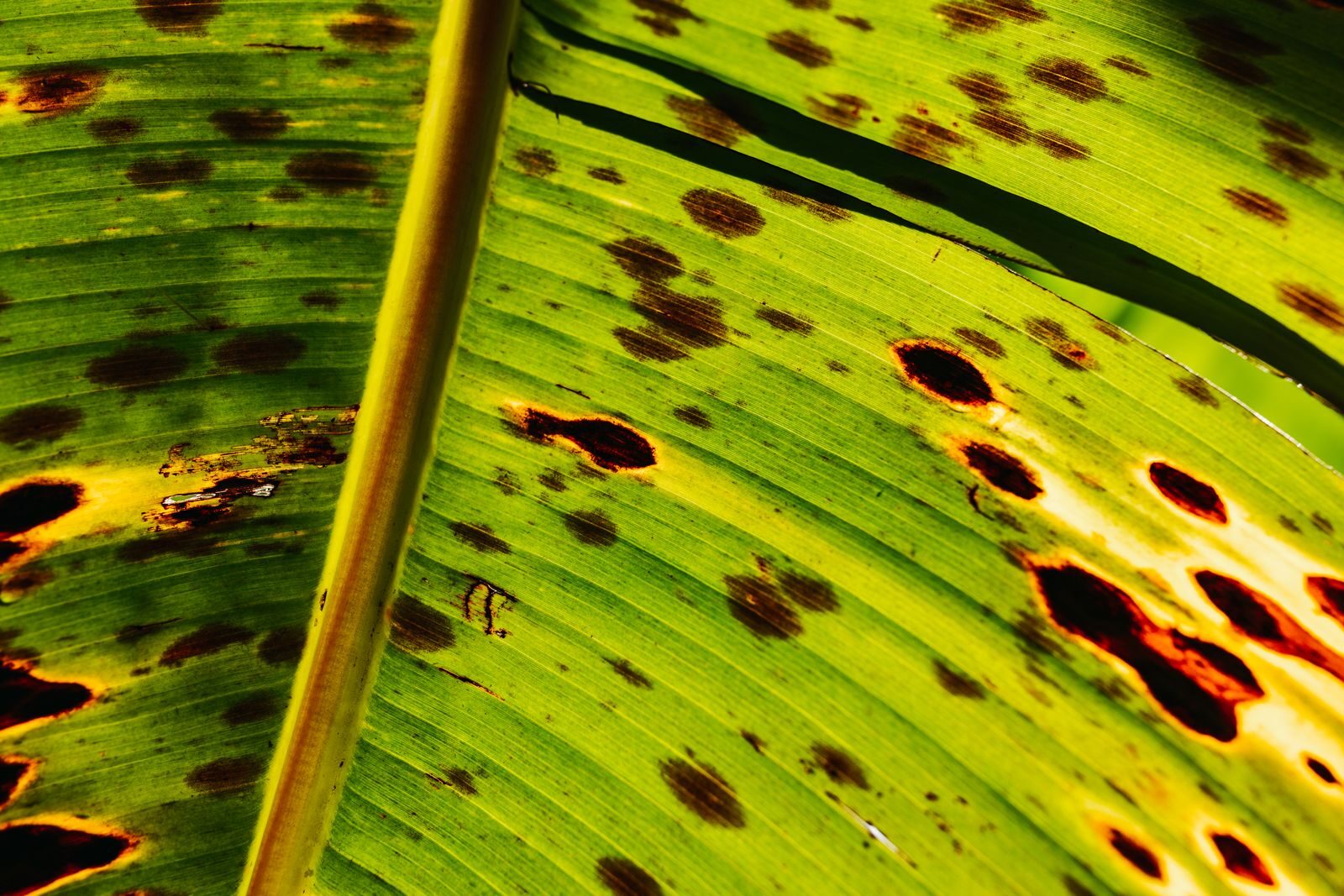
Fine speckling or flecking on the upper leaf surface, reddish, bronze or dark, usually between the veins. It is worst on older leaves and those in full sun, and it appears after runs of hot, still, sunny weather.
Is ground-level ozone getting better or worse?
Unlike the ozone layer, it has not been solved. Some regions have reduced it through emission controls, but hotter summers push it up, since heat and sunlight are what build it. It remains a live problem in much of the world.