



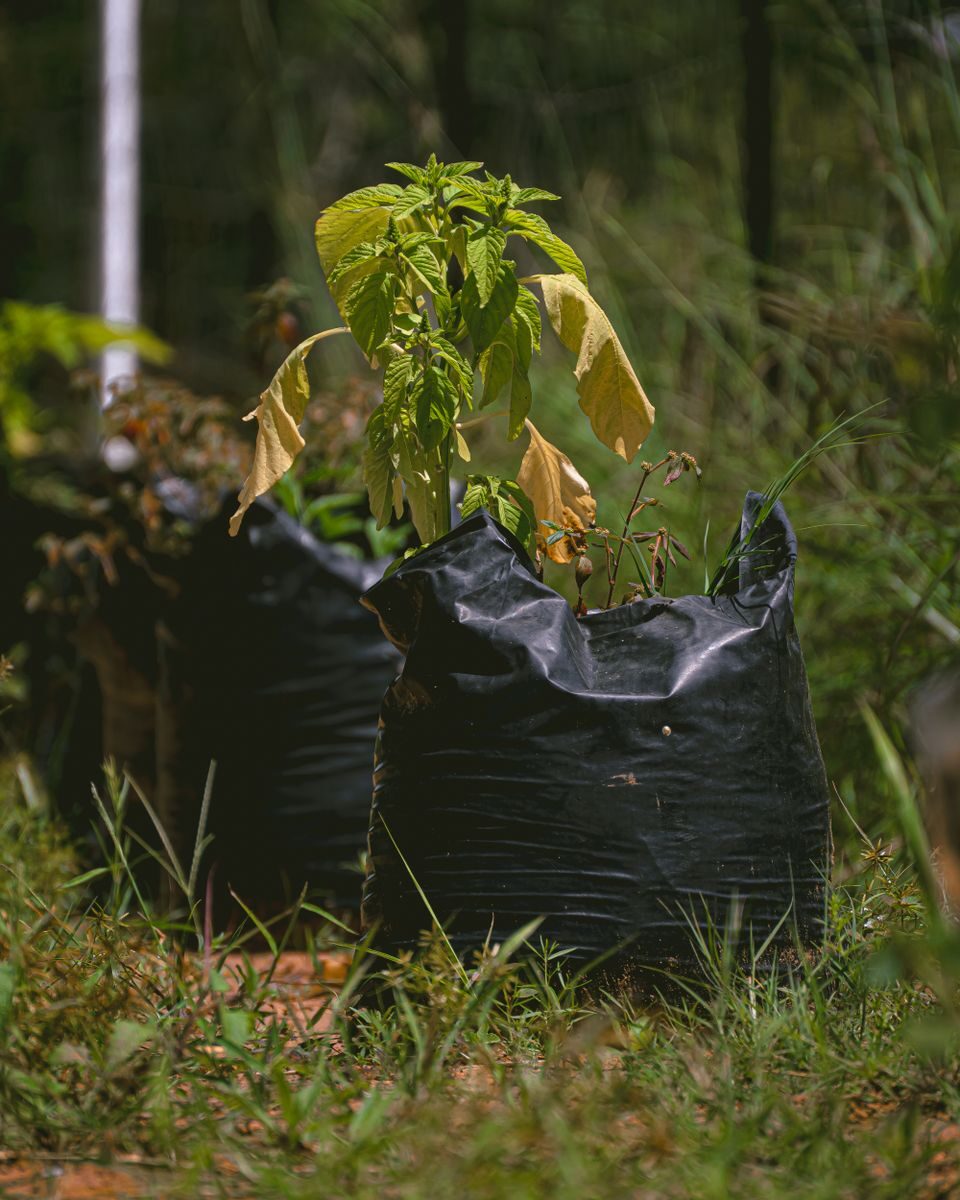
You water your plants. You water them well. And they keep dying anyway. The leaves yellow, they droop, they wilt, and your first thought is that they need even more water. So you give them more, and they get worse.
I want to stop you right there, because I think I know what is happening, and it is the opposite of what it looks like.
A wilting plant looks thirsty. That is the trap. A plant that is drowning wilts in exactly the same way as a plant that is parched, and most people read that wilt as “give me water” when the plant is trying to tell them the opposite. More water is often the thing killing it.
Let me explain why, because once you understand the mechanism you will never misread a wilting plant again.
Roots Need to Breathe
Here is the part that surprises people…
Roots need air. Not just water, air. They take in oxygen to release energy, the same reason you and I breathe. A root sitting in dry soil can still find air in the gaps between the soil particles. A root sitting in waterlogged soil cannot, because water has filled all those gaps.
So when soil stays soaked, the roots are not drinking happily. They are suffocating. Starved of oxygen, they stop working, then they start to die, and dying roots cannot take up water at all.
That is the cruel twist. Overwatered roots lose the ability to drink. So the plant above wilts from lack of water, even though it is standing in wet soil. You see the wilt, you add water, and you push it further under.
This is well established in the science…
A review of oxygen deficiency in plants sets it out plainly: when roots are deprived of oxygen, respiration is blocked, and if that shortage lasts, the outcome is cell death and the loss of the plant. Waterlogged soil is one of the most common ways this happens.
How to Tell Drowning From Thirst
They look alike, so you have to check the soil, not the leaves. This is the single most useful habit I can give you.
Push your finger into the soil, two knuckles deep, before you water anything.
– If it comes out with damp soil clinging to it and feels cool and wet, the plant does not need water. Wilting here means too much, not too little.
– If it comes out clean and dry, and the soil feels dry down at that depth, then the plant genuinely is thirsty and you should water.
That one test settles most cases in seconds. Beyond it, a few signs point to overwatering specifically:
Yellowing leaves, often starting from the bottom of the plant upward.
Soft, mushy stems at the base, rather than dry and crispy.
Soil that stays wet for days and never seems to dry out.
A sour or rotten smell from the soil, which is the smell of roots dying in airless conditions.
Roots that are brown and slimy when you tip the plant out, instead of firm and pale.
Thirst looks different: crispy brown leaf edges, dry crumbly soil pulling away from the pot sides, and a plant that perks up within hours of watering.
Why This Happens So Often
If overwatering is this common, there is usually a reason baked into the setup. Look for these.
No drainage.
A pot with no hole, or a decorative outer pot that traps water underneath, leaves roots standing in a puddle you cannot see. This is the most common killer of houseplants by a wide margin.
Heavy, compacted soil.
Dense clay-heavy soil holds water and squeezes out air. Water goes in and just sits there. The plant is effectively in a bog.
Watering on a schedule instead of on need.
“Water every Sunday” ignores the weather, the season and the plant. In cool, damp, low-light spells a plant uses far less water, so the same routine that was fine in summer drowns it in winter.
A pot too big for the plant.
A small plant in a large pot sits in a mass of wet soil its little root system cannot drink through fast enough, so the soil stays soaked for days.
Poor light.
A plant in low light grows slowly and uses little water. Same watering, less use, wetter soil. Light and water are linked, and people forget it.
What to Do About It
Work through these and most struggling plants will turn a corner.
Stop watering and let it dry out.
Before anything else, back off. Let the soil dry to the point where your finger test comes out dry two knuckles down. For a badly overwatered plant this might take a week or more. Resist the urge to help by watering.
Check for drainage and fix it.
Every pot needs a hole. If your pot has none, repot into one that does, or at the very least stop letting the plant sit in a saucer or outer pot full of water. Tip standing water out after every watering.
Water deeply, then wait.
When you do water, water thoroughly until it runs from the bottom, then do not water again until the soil has dried at depth. Deep and infrequent beats little and often. This grows stronger, deeper roots too.
Match watering to the season.
Plants drink far less in cool, dark, dormant months. Cut your watering right back in autumn and winter and increase it as growth picks up in spring.
Improve the soil if it stays soggy.
If your garden soil or potting mix holds water like a sponge, mix in grit, coarse sand or bark to open it up and let air and water move through. For garden beds, raising them or adding organic matter helps drainage over time.
Rescue a badly overwatered plant.
Tip it out, look at the roots, and cut away any that are brown, soft and smelly with clean scissors. Keep the firm pale ones. Repot into fresh, free-draining soil, and go easy on the water while it recovers.
Move it into better light.
More light means the plant uses more water, which keeps the soil from staying wet, and it grows more strongly at the same time.
What Measuring Soil Moisture Taught Me
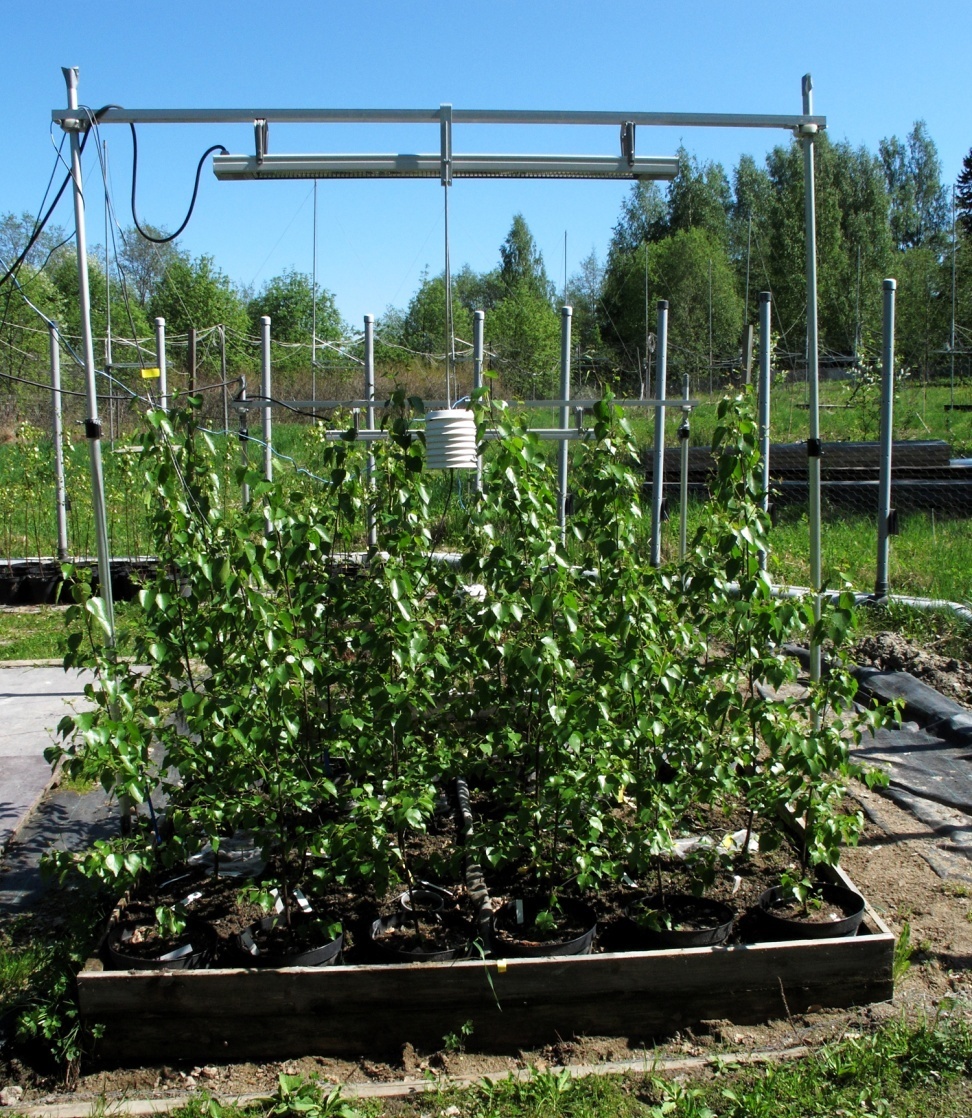
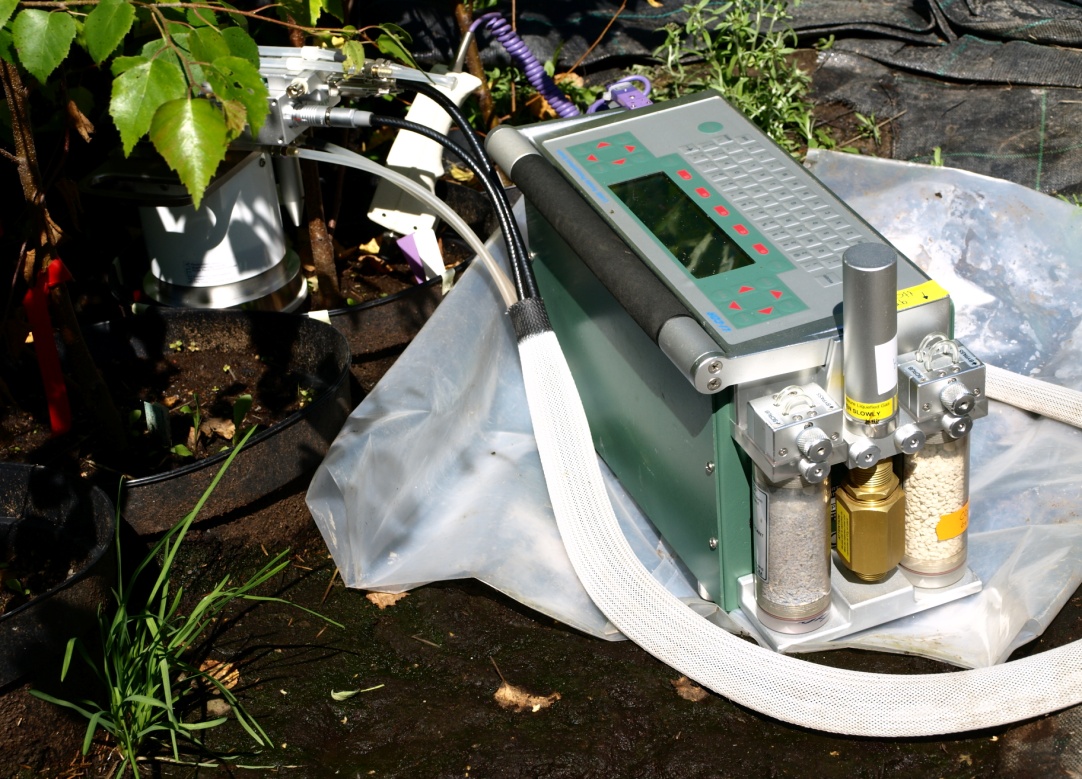
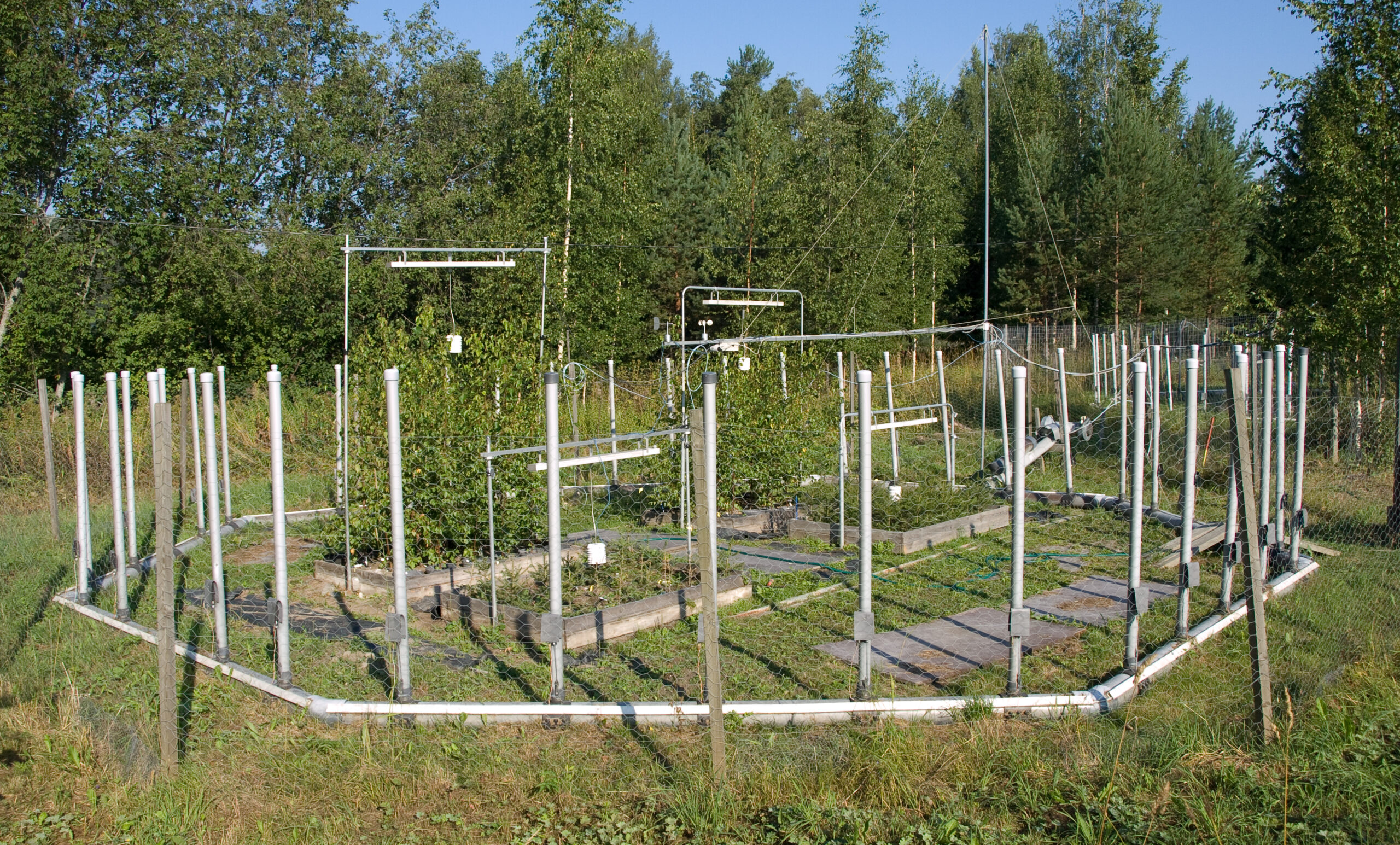
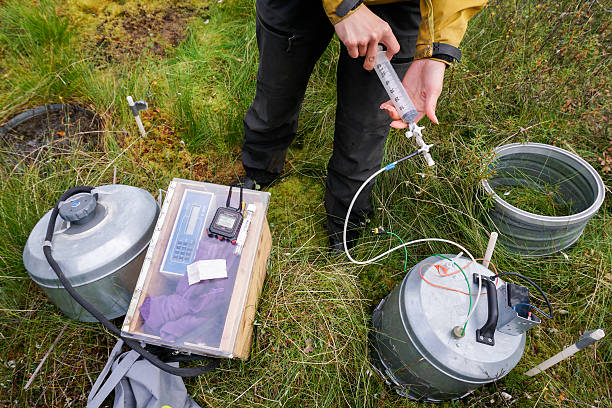
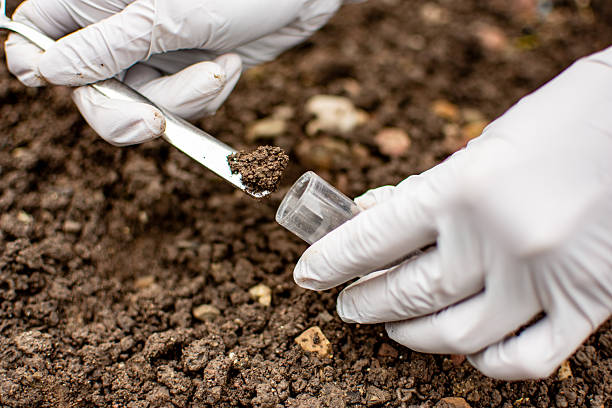
In my field research I did not judge soil moisture by feel. I measured it continuously, with sensors logging it around the clock, alongside the gases moving in and out of the soil. When you watch those two things together, water and soil gas, over a whole season, you stop seeing soil as a container for water and start seeing it as something alive.
That is the shift I want to pass on to you. Soil is a breathing system, and water is only half of it. When it sits too wet, the whole thing changes: air is driven out, the chemistry shifts, and the conditions roots depend on start to break down. A plant in that soil does not fail because it lacks water. It fails because the soil has stopped working as a place for roots to live.
There is a wider lesson in it too, one I carried from designing that experiment. As a scientist you plan for loss before it happens, because you know some things will struggle whatever you do. The same mindset helps in a garden. Expect that not every plant will make it, watch the soil closely, and read what it is telling you early, while you still have time to act.
Frequently Asked Questions
How do I know if I am overwatering or underwatering?
Check the soil, not the leaves, because both look like wilting. Push a finger two knuckles deep. Wet soil with a wilting plant means overwatering. Dry soil means the plant is genuinely thirsty. This one test settles most cases.
Why are my plant’s leaves turning yellow if I water it enough?
Yellowing leaves, especially from the bottom up, are a classic overwatering sign. The roots are struggling for oxygen in wet soil and cannot supply the plant properly. Let the soil dry out and check that the pot drains.
Can a plant recover from overwatering?
Often yes, if you catch it before the roots have all rotted. Stop watering, let the soil dry, and if it is bad, tip the plant out and cut away the soft brown roots before repotting into fresh, well-draining soil. Then water sparingly while it recovers.
How often should I water my plants?
There is no fixed schedule that works, because it depends on the plant, the season, the light and the pot. Water when the soil is dry a couple of knuckles down, not on a set day. Plants need far less in cool, dark months.
Why does my plant wilt even though the soil is wet?
Because the roots are drowning, not thirsty. Waterlogged soil starves roots of oxygen, they stop working, and the plant wilts from lack of water even though it is standing in it. Adding more water makes it worse. Let it dry out.
Does the type of pot matter?
Very much. A pot without a drainage hole, or one sitting in a saucer of water, keeps roots waterlogged. Every pot should drain freely, and you should tip away any water that collects underneath after watering.
My garden plants keep dying in the same spot. Why?
That spot probably drains badly and stays waterlogged after rain. Dig in and check whether water sits there. Improve the drainage with grit and organic matter, raise the bed, or choose plants that tolerate wet ground.