


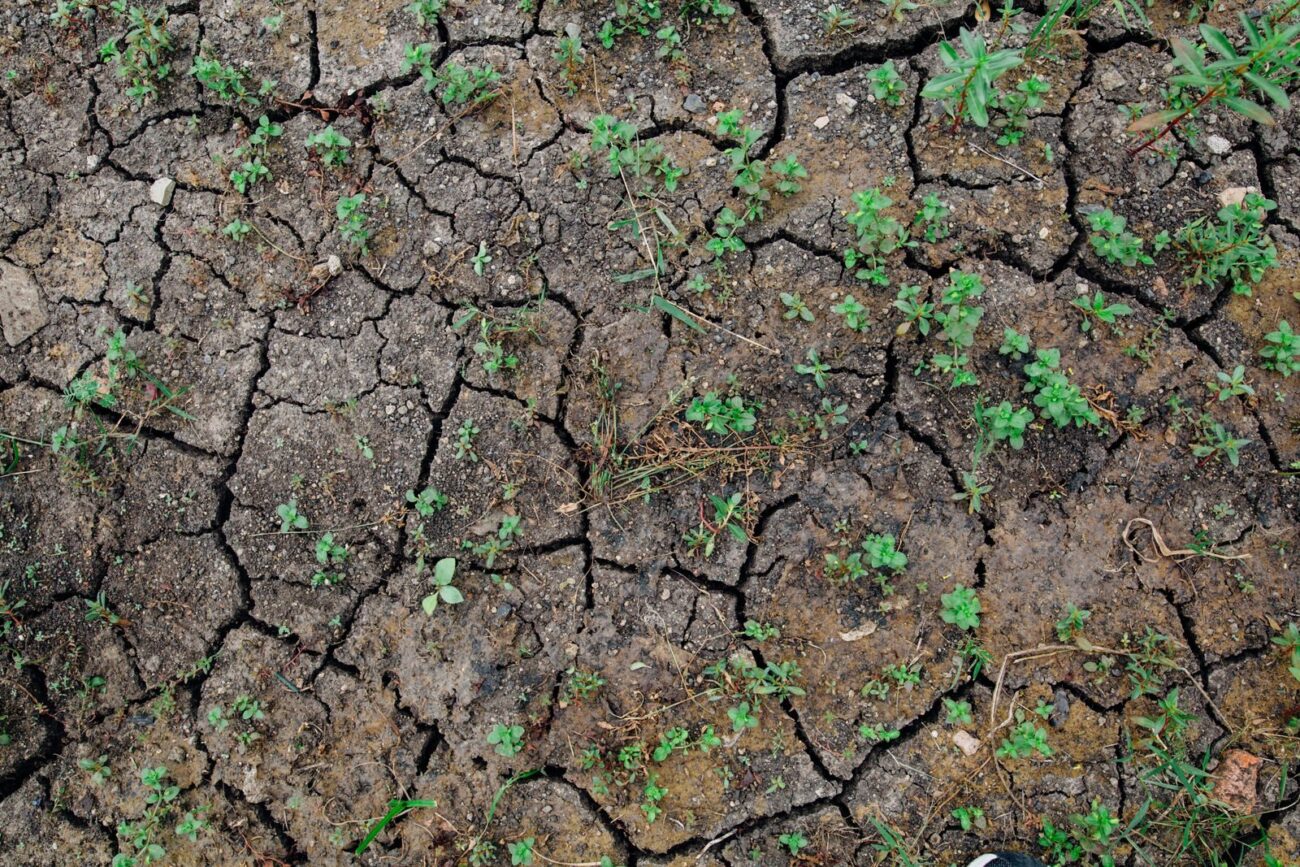
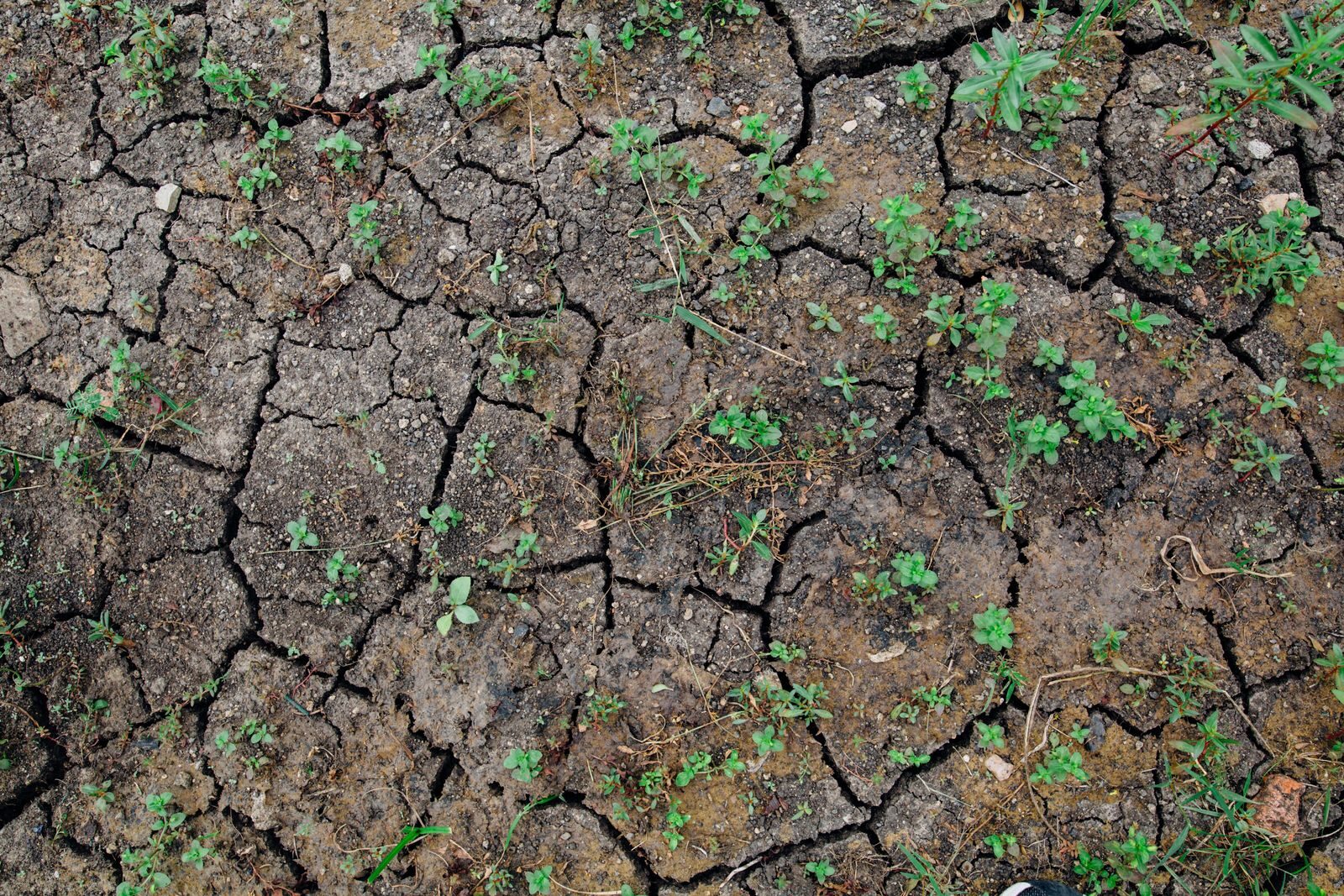
You push a spade into your garden and it barely goes in. The soil is hard, dry, sets like concrete in summer and turns to sticky clay when wet. Nothing you plant seems to thrive, water sits on top instead of soaking in, and you are starting to wonder if the soil is just ruined.
It is almost certainly not ruined…
Hard soil is one of the most fixable problems there is, once you understand what has gone wrong inside it. Let me explain, then give you the steps.
Why Your Soil Went Hard
Good soil is not solid. Healthy soil is about half solid material and half gaps, and those gaps are filled with air and water. Roots need those gaps to push through, to breathe, and to find moisture. A handful of good soil crumbles because it is full of space.
Hard soil has lost its gaps. The particles have been pressed together, the air has been squeezed out, and what is left is dense and solid. Roots cannot push through it, water cannot soak in, and air cannot reach down to where roots need it.
Two things usually cause this…
Compaction, from feet, wheelbarrows, machinery or just heavy rain pounding bare soil, presses the particles together…
And loss of organic matter, the decayed plant material that holds soil in crumbs, leaves the particles with nothing to bind them into an open structure. Without that organic glue, soil collapses into a dense mass.
The science backs this up plainly. A review of soil compaction describes well-structured soil as roughly half soil aggregates, a quarter water and a quarter air-filled pores, and explains that when it compacts, that balance tips heavily toward packed particles with far less air and water space, which is exactly what stops roots growing.
How to Tell What You Are Dealing With
A quick check tells you which problem you have.
Do the spade test.
Dig a hole about a spade deep after the soil has had a day or two to drain. If the top looks fine but you hit a hard pan lower down, that is compaction. If it is hard all the way through and pale and lifeless, that is more likely lost organic matter.
Do the jar test for clay.
Put a handful of soil in a jar of water, shake it, and let it settle. If it settles into a thick, sticky, fine layer, you have heavy clay, which compacts easily and needs organic matter most of all.
Look at the water.
If water pools on the surface and takes an age to drain, the soil is compacted or heavy. If it vanishes instantly and the soil is dust below, it is likely low in organic matter and holding no moisture.
How to Fix Hard Soil
You do not fix this by force. Digging a rock-hard bed once and planting into it just lets it set again. You fix it by rebuilding structure, and that means getting organic matter and air back in.
– Add organic matter, generously.
This is the single most important step. Spread a thick layer of well-rotted compost, leaf mould or manure over the soil, two to three inches if you can. Organic matter is what binds soil back into an open, crumbly structure and feeds the life that keeps it that way.
– Let the worms do the digging.
You do not have to dig the organic matter in. Laid on top, worms and soil life pull it down and open the soil as they go, which is gentler and more lasting than turning it over. This is the no-dig approach, and it works.
– If it is badly compacted, break the pan once.
For a hard layer down deep, loosen it with a fork, pushing it in and gently rocking, without turning the soil over. This cracks the compacted layer so air and roots can get through, then let the organic matter and worms take over.
– Stop compacting it.
Keep off the soil when it is wet, since that is when it compacts most. Use stepping stones or boards to spread your weight, and never work heavy clay while it is soggy.
– Keep it covered.
Bare soil bakes hard and gets pounded by rain. Cover it with mulch, compost, or growing plants. Covered soil stays softer and keeps building structure.
– Be patient, it improves each season.
Soil structure rebuilds over months and years, not days. Add organic matter every year and it gets steadily better. There is no instant fix, but there is a reliable one.
What Studying Soil Taught Me
In my postgraduate biogeochemistry courses I studied how soil is built and held together, and the thing worth passing on is that soil is not just crushed rock. It is a living structure. The crumbly, open feel of good soil is made and maintained by living things, roots, worms, fungi and microbes, all feeding on organic matter and binding the soil as they work.
That is why organic matter is the answer to almost every hard-soil problem. You are not just loosening dirt, you are feeding the life that builds and holds the structure. Starve the soil of organic matter and it collapses. Keep feeding it and it stays open, soft and alive.
So do not think of your hard soil as a lump to be dug. Think of it as a habitat to be fed. Add organic matter, keep off it when wet, keep it covered, and the living soil does the hard work of rebuilding itself.
Frequently Asked Questions
Why is my garden soil so hard?
Usually two reasons together: it has been compacted, pressed down by feet, wheels or heavy rain, and it has lost organic matter, the decayed material that holds soil in an open crumbly structure. Both squeeze out the air and water gaps that roots need.
How do I soften hard soil?
Add plenty of organic matter like well-rotted compost or manure on top, and let worms work it in. For badly compacted soil, loosen the hard layer once with a fork without turning it over. Then keep feeding it and keep off it when wet.
Can I just dig it over?
Digging a hard bed once does not last, because the soil sets again without organic matter to hold its structure. Digging can also harm soil life. Adding organic matter and letting worms do the work gives a far more lasting result.
Why does water sit on top of my soil?
The soil is compacted or heavy clay, so the pores that let water soak in have been squeezed shut. Water cannot get through, so it pools. Adding organic matter opens the structure and lets water drain in again.
How long does it take to fix hard soil?
There is no overnight fix, but you will see improvement within a season and steady gains year on year. Add organic matter annually, keep the soil covered, and stay off it when wet, and it keeps getting better.
Is clay soil bad?
No, clay is actually rich in nutrients, it just compacts easily and drains slowly. The fix is the same: plenty of organic matter to open its structure. Well-managed clay soil can be some of the most productive there is.
Should I add sand to clay soil?
Be careful with this. Adding sand to clay without enough organic matter can make it set harder, closer to concrete. Organic matter is the safer and more effective way to improve heavy soil.