





Description
What this soil biology test guide does..
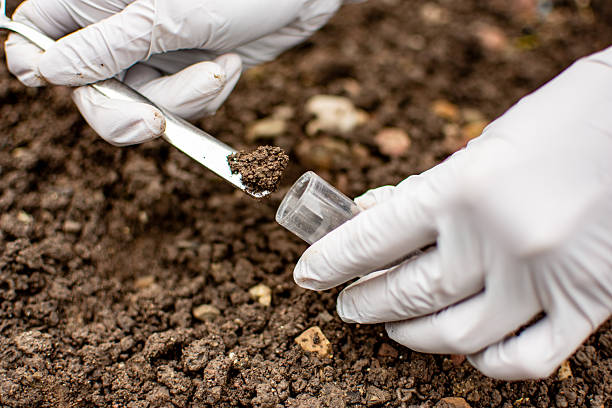
Most soil tests tell you about chemistry: pH, nitrogen, phosphorus. They do not tell you whether anything is living in your soil and doing work.
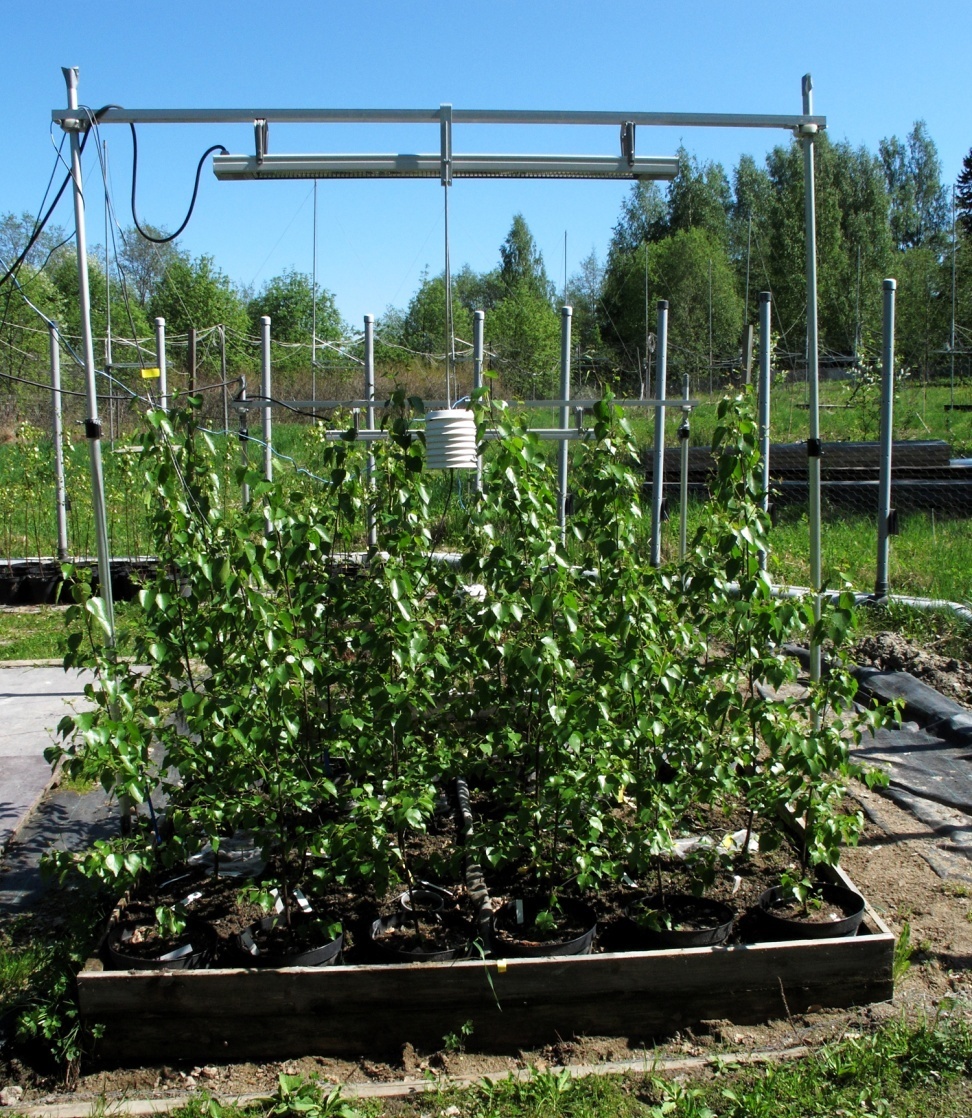
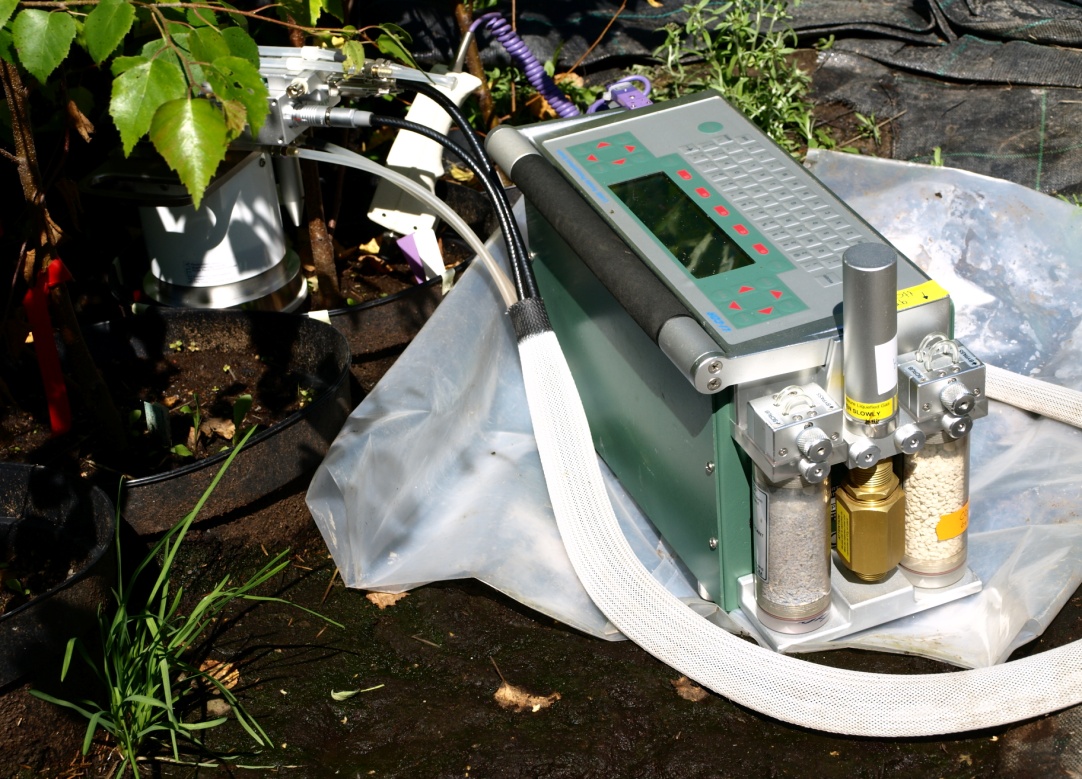
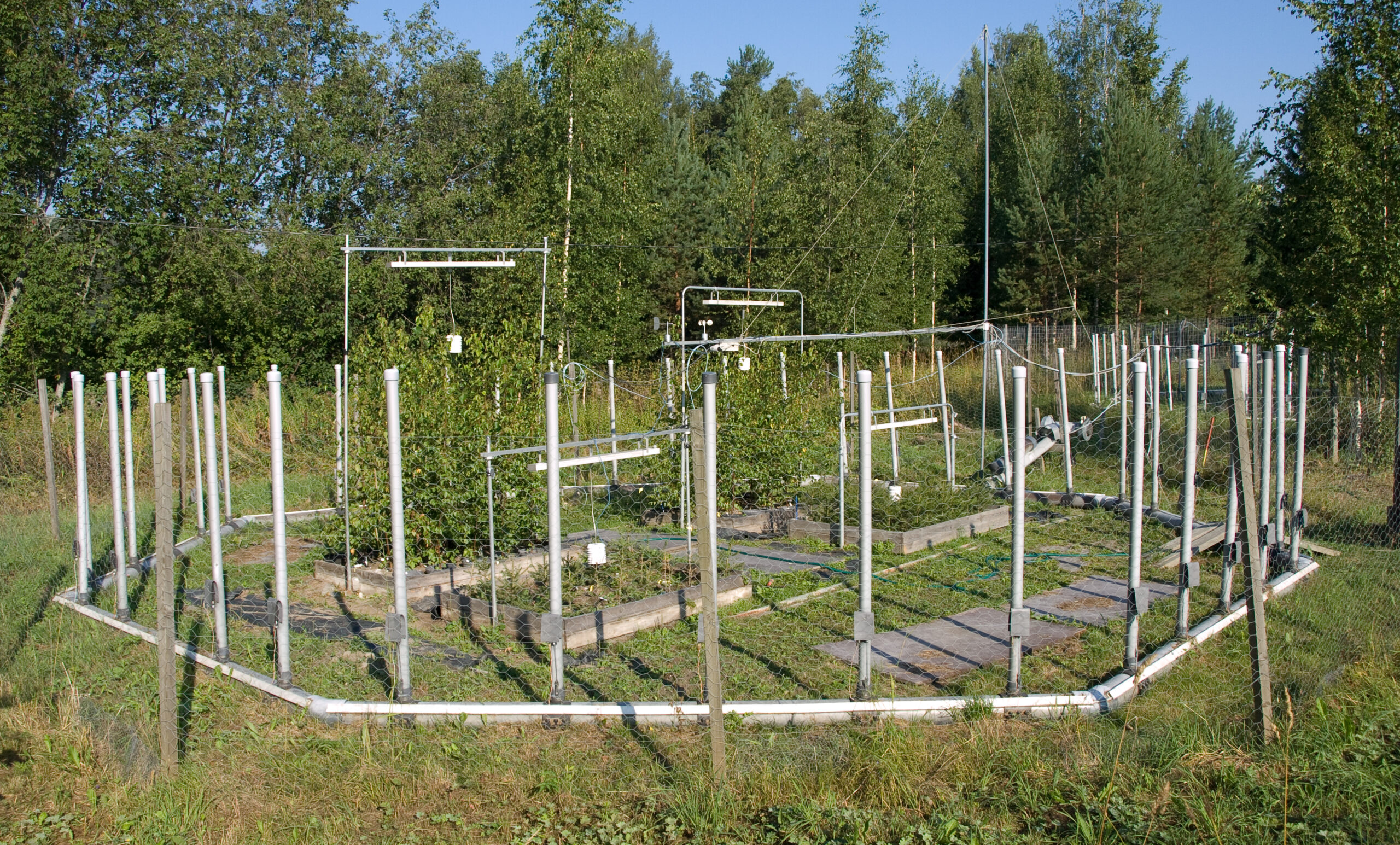
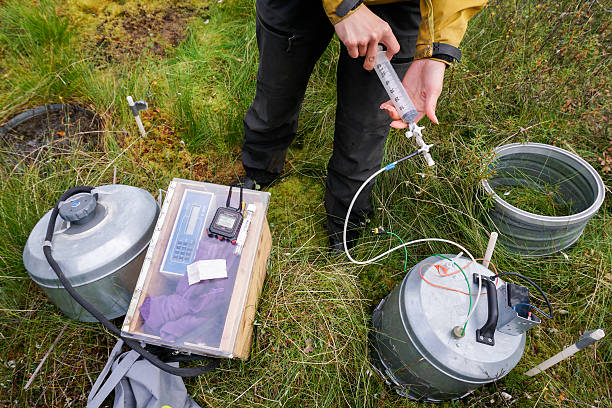
That living part is what I measured in my field research, where I measured soil respiration in open-air plots under experimental warming. This guide turns that work into five simple home methods, so you can run a soil biology test in your own garden without lab equipment.
The five methods, rated
- Look and smell check (10 minutes, free): a quick first screen of soil life.
- Earthworm count (30 minutes, free): the USDA NRCS method, with an optional mustard extraction for deep burrowers.
- Cotton strip test (60+ days, very low cost): how fast soil microbes break down cellulose.
- Tea bag test (about 90 days, low cost): a decomposition number you can compare between spots, updated for the 2024 change in the standard tea.
- CO₂ burst kit (24 hours): the closest home version of a soil respiration measurement.
Each method comes with step-by-step instructions, a scoring scale from USDA NRCS or the published method, and a clear note on its limits.
What makes the results useful
A single soil biology test on a cold or dry day can make healthy soil look dead. The guide shows you when to test, what to record, and how to run a fair comparison between spots, with repeats and a reference spot, the same habits I used in the field.
What’s inside
Why soil breathes, with a simple diagram
Timing and conditions: temperature, moisture, season
All five methods with steps, scales and limits
How to run a fair comparison
What your results can and cannot tell you
Seven fillable logs, from site description to season summary
Sources: USDA NRCS guides and the Tea Bag Index protocol
Who it’s for
Home gardeners, allotment growers and anyone curious whether their soil is alive. No science background needed.
What it does not cover
This guide measures soil life. For pH and nutrients, see the Home Soil Testing Guide. For fixing compaction or drainage, see the Soil Fix Decision Sheet.
Instant download.PDF



Reviews
There are no reviews yet.