



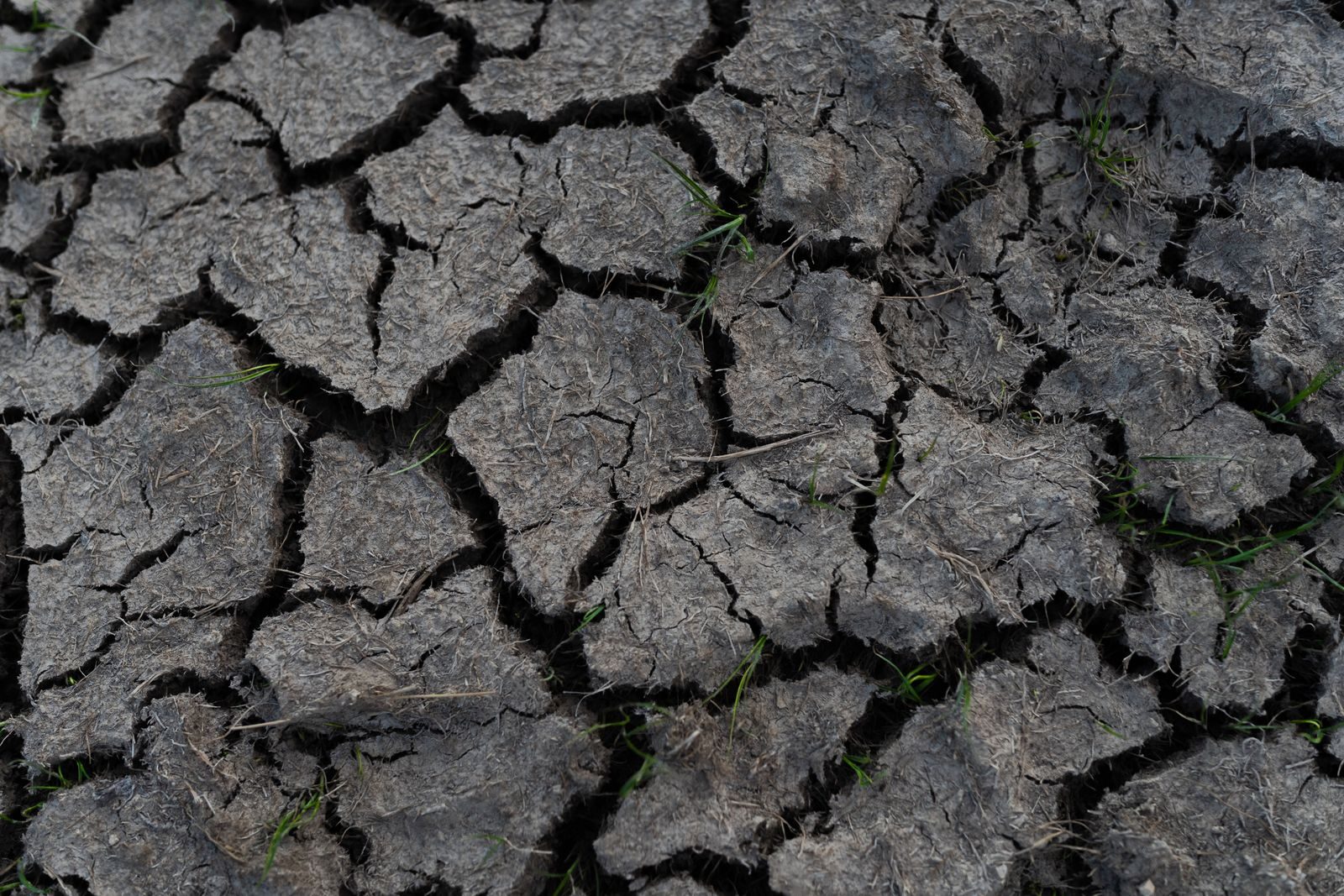
Grey, dusty soil with no worms in it is not dead. It is just very hungry.
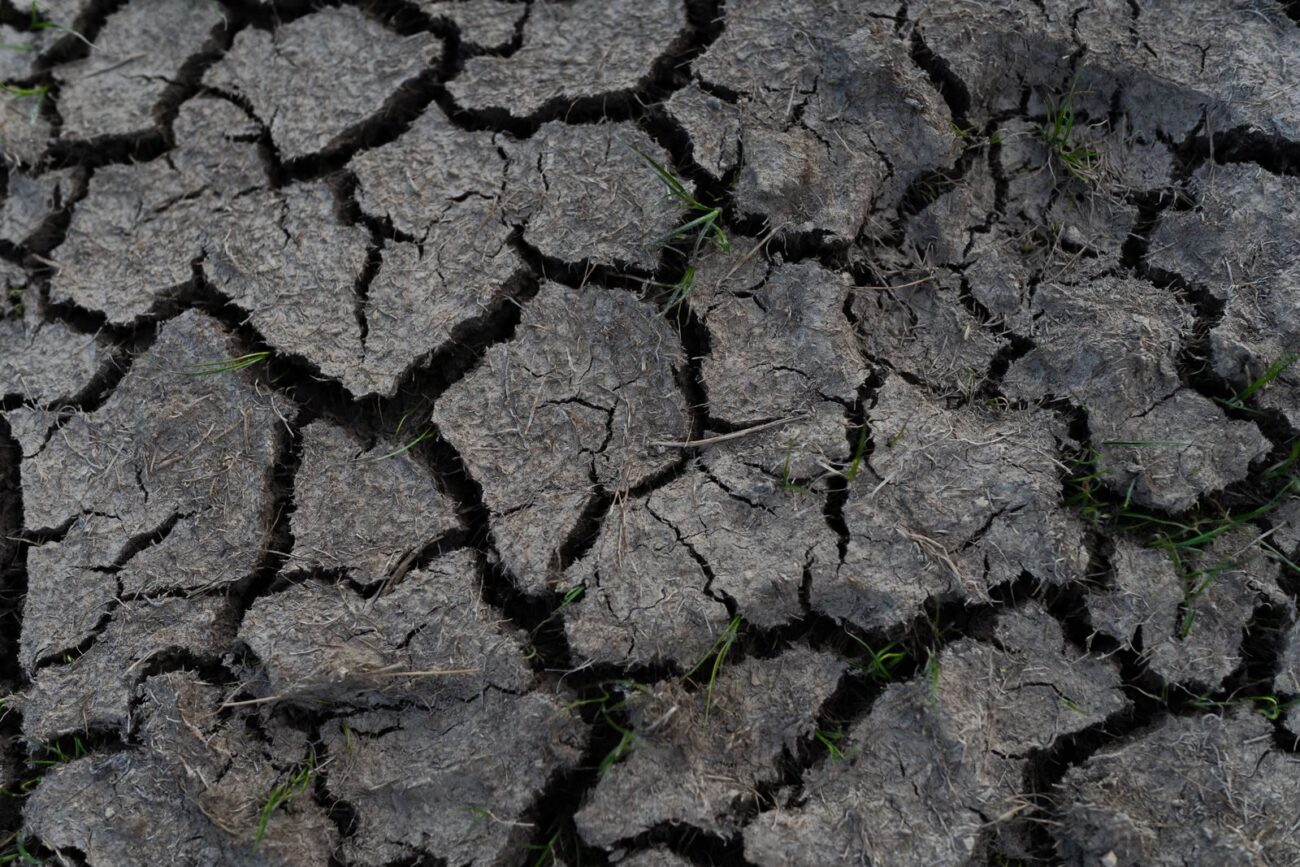
You dug into your garden and found pale, dry soil. No worms. No dark colour. No fresh, earthy smell. It looks like nothing will ever grow there again. I understand why you would think that.
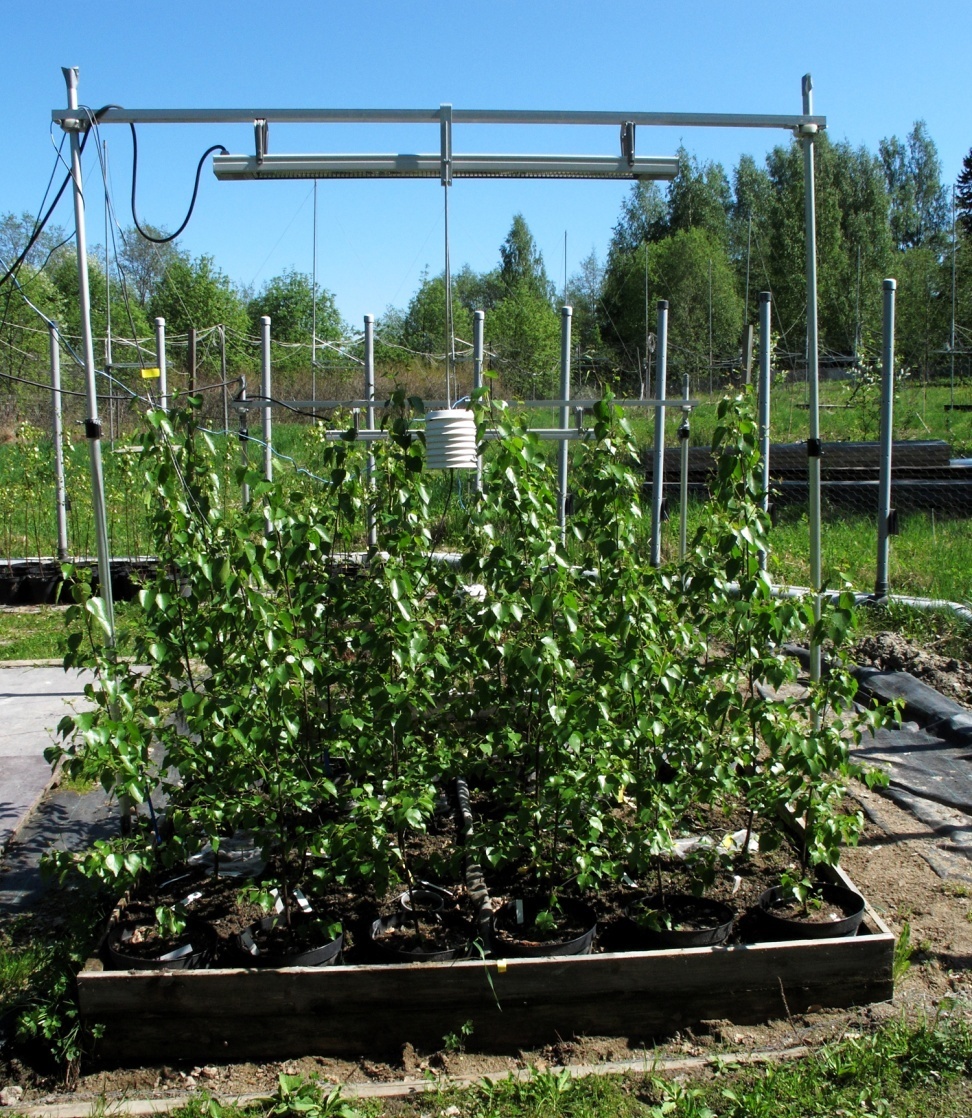
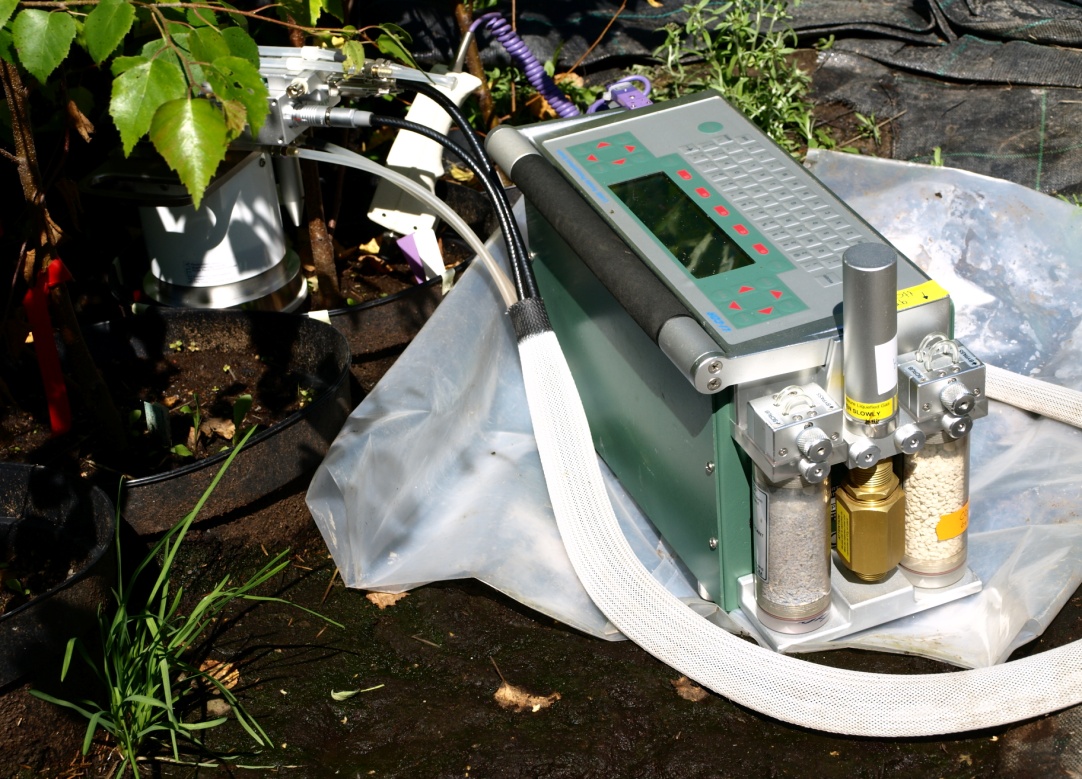
But I can tell you it is almost certainly fine. In my work I measured the gases that soil gives off, the sign of life going on under the surface. That taught me something simple and useful for you: grey soil is not dead soil. It has just run out of one thing. Once you know what that thing is, feeding it back is easy.
Let me show you what your soil needs and how to give it back.
What Grey Soil Is Missing
Good soil is dark, soft, and crumbly, and it smells of the earth. It gets all of that from one thing: organic matter. That is just a name for rotted-down plants and the tiny living things in the soil.
When soil loses its organic matter, it turns pale and grey. It also loses the little living things that feed on it, the worms, the microbes, all the life that makes soil work.
This one thing does a lot…
A 2025 review of soil health found that organic matter controls almost everything about how soil behaves and how well it supports life. Take it away and the soil cannot hold water, cannot hold food for plants, and cannot keep anything alive. You are left with the dead, dusty part and nothing else.
So your grey soil is not dead. It is starving. Something has stripped out its food, usually years of taking from the soil and never giving anything back, digging it too much, or leaving it bare and open to the weather.
What Most People Get Wrong
This is where what I studied changes the usual advice, and it matters, because it is the difference between fixing your soil for good and just patching it for a season.
People used to think the dark, living part of soil was made from tough bits of old plants that were slow to rot. So the advice was: just pile in dead plant material.
But newer science shows something more surprising. Most of the soil’s lasting goodness does not come from old plants at all. It comes from the bodies of the tiny microbes that live in the soil.
Scientists at Colorado State say it plainly: the longest-lasting part of soil is built from dead microbes, not old plant scraps. Plants give the soil its raw food, but the microbes are the ones that turn it into rich, living soil.
So here is the key idea…
To fix grey soil, you are not just dumping stuff on it. You are feeding the little living things back into it, the worms, the microbes, the fungi, and letting them rebuild the soil for you. Feed them well and they make the dark, crumbly soil themselves. That is why this fix lasts, instead of the soil turning grey again next year.
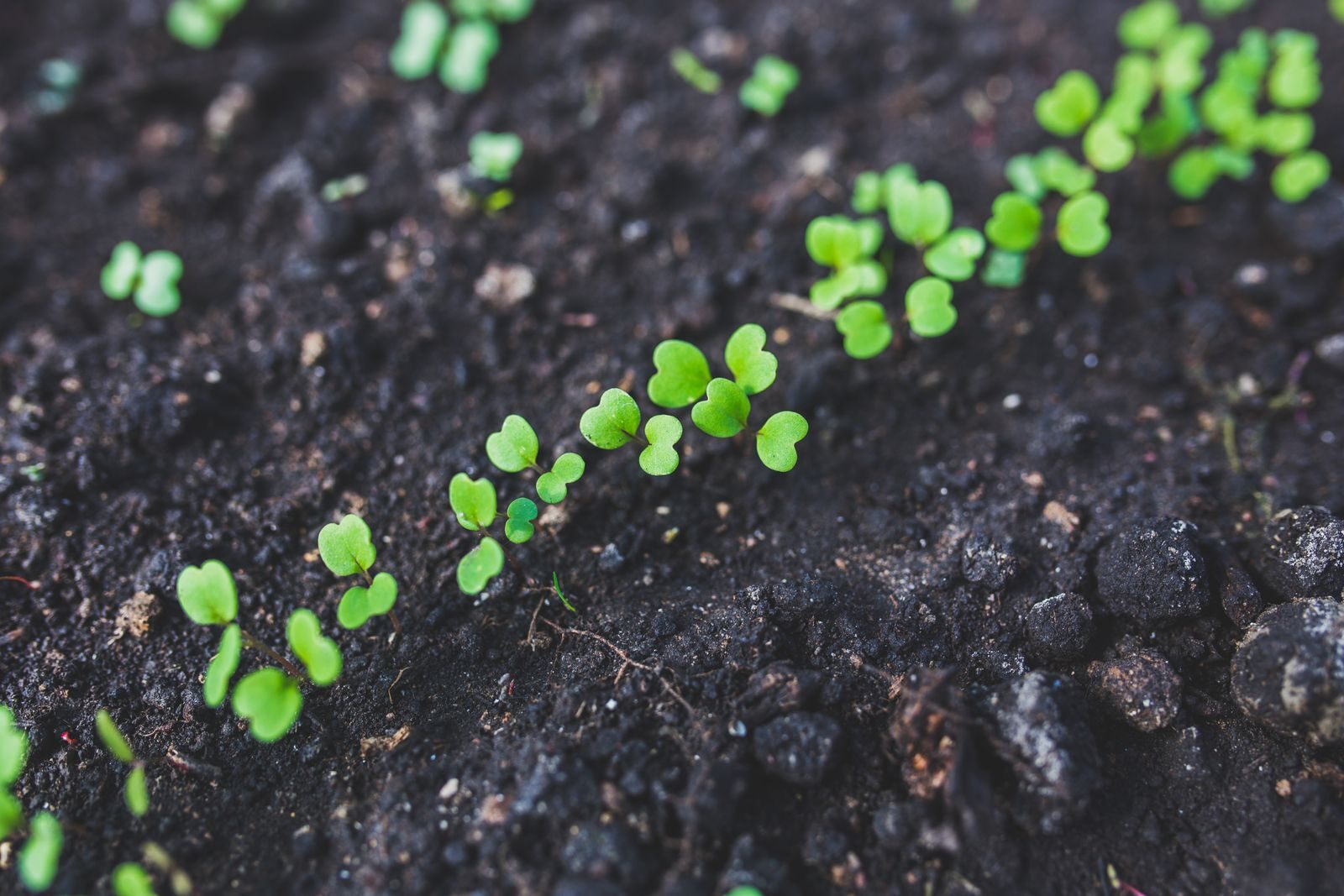
How to Bring Grey Soil Back to Life
You cannot fix soil in a day. But you can start it healing this season and see a real change within a year.
Here is how I would do it…
– Add lots of organic matter.
This is the big one. Spread a thick layer of well-rotted compost, old leaves, or aged manure over the soil. This is the food the missing life needs to come back. On very poor soil, two or three inches is not too much.
– Lay it on top, or mix it in gently.
You do not need to dig it in deep. The worms will pull it down for you, and that harms the soil far less. Too much digging is one of the things that wears soil out in the first place, so go easy.
– Never leave the soil bare.
Bare soil dries out, bakes hard, and loses its goodness fast. Keep it covered with mulch, compost, or growing plants all the time. Covered soil holds its water and its life.
– Grow plants, especially green manure.
Living roots feed the soil directly. Sowing a quick cover crop, then cutting it down and leaving it on the soil, is one of the fastest ways to bring tired soil back, because the roots feed the tiny life while they grow.
– Stop doing what wore it out.
Dig less, stop leaving the soil bare, and go easy on anything that harms soil life. You cannot heal soil while you are still wearing it down.
– Feed it every year, and give it time.
Soil comes back over seasons, not days. Add organic matter each year, keep it covered, and keep something growing. The grey slowly turns dark, the worms come back, and the soil gets better every year.
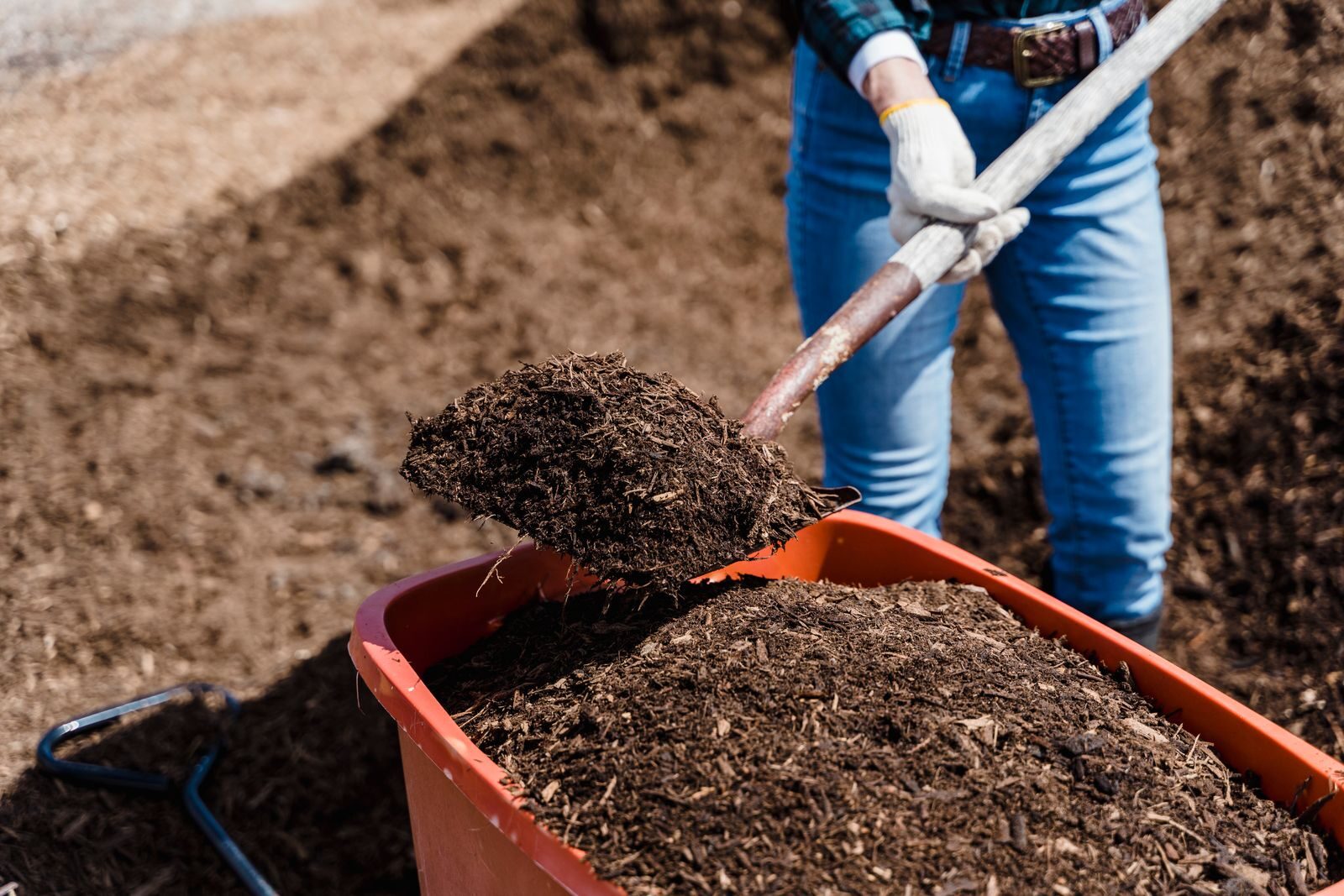
What My Fieldwork Taught Me About Your Soil
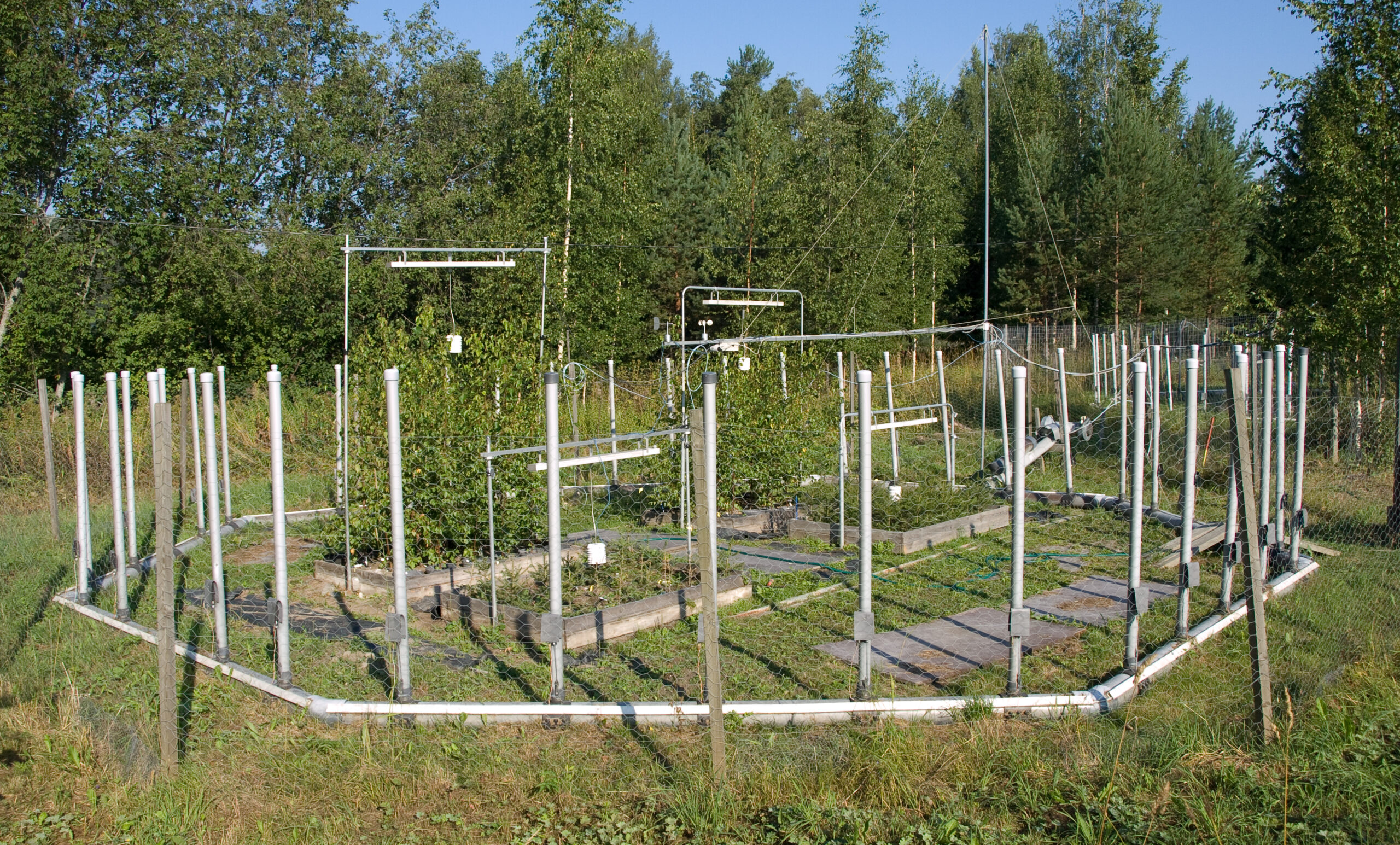
Out in the field, handling soil in all sorts of states, one thing became clear to me. The dark, rich soil of a healthy forest floor and the pale, tired soil of a worn-out garden are not two different things. They are the same soil, just at different points. One is fed and full of life. The other has been stripped bare and gone quiet.
That is why I want you to feel hopeful, not beaten, when you look at your grey soil…
It has not turned into something else. It is your soil with its life run low. And the same thing that built the dark soil in the first place, plants feeding microbes, microbes building soil, worms mixing it all through, will build it again once you get it going.
So do not dig out your grey soil and pay for new. Feed it, cover it, and grow in it. Give the life a reason to come back, and it will.
Frequently Asked Questions
Why is my garden soil grey and lifeless?
Grey, pale soil has lost its organic matter, the dark, rotted-down material that gives good soil its colour, its soft feel, and its life. Without it, you are left with just the dead, dusty part. It usually happens after years of taking from the soil without feeding it, digging it too much, or leaving it bare.
Is grey soil dead?
Not really. It is starving, not dead. The basic soil is still there. What is missing is the organic matter and the tiny life it feeds. Add organic matter, keep the soil covered, and grow plants in it, and the life comes back over the next few seasons.
How do I bring dead soil back to life?
Feed it organic matter, well-rotted compost, old leaves, or aged manure, and keep it covered with mulch or growing plants. Grow a green manure to feed the soil through its roots. Dig less. Do this steadily and the soil rebuilds itself over a year or more.
How long does it take to fix poor soil?
You will see it improve within a season, and it keeps getting better year on year. It takes time because you are bringing a living thing back, not just adding stuff. Feed it every year, keep it covered, and keep something growing, and the change builds up.
Can I just replace grey soil with new soil?
You can, but it is usually a waste of money, and new soil goes tired too if you do not feed it. Bringing your own soil back with organic matter is cheaper and lasts longer. Your grey soil is starving, not ruined.
Do I need to add fertiliser to dead soil?
Fertiliser adds food for plants, but it does not rebuild the living soil that grey soil is missing, and on its own it will not bring the soil back to life. Organic matter is what feeds the tiny life and rebuilds the soil. Feed the soil first. Fertiliser is an extra, not the fix.