

How Much Lime or Sulphur Does Your Soil Need?
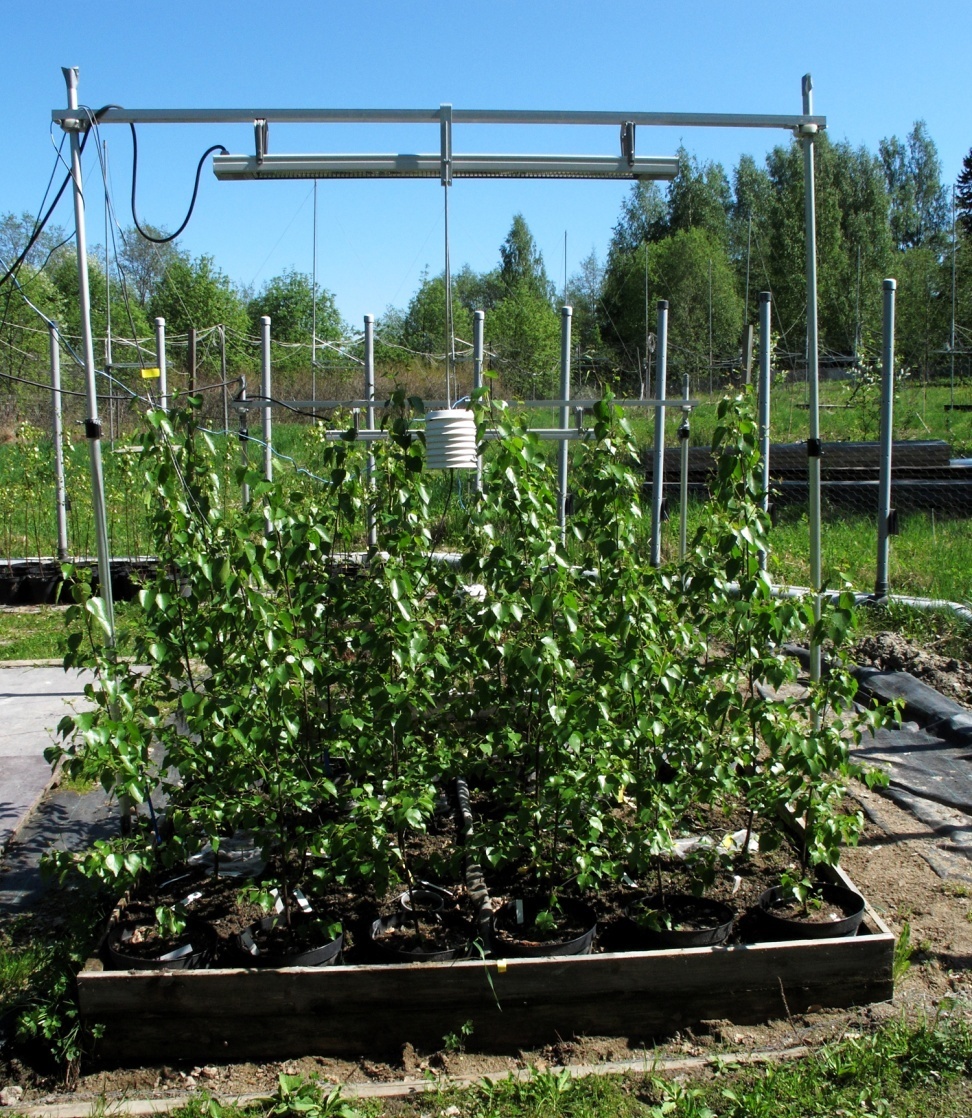
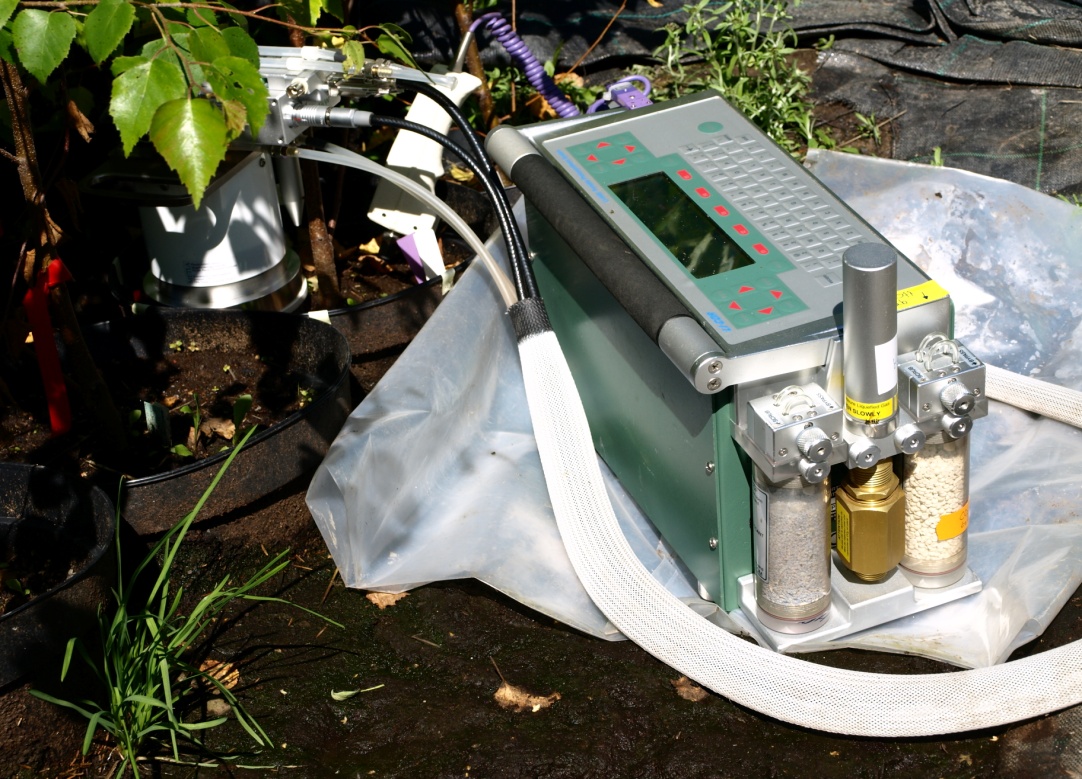
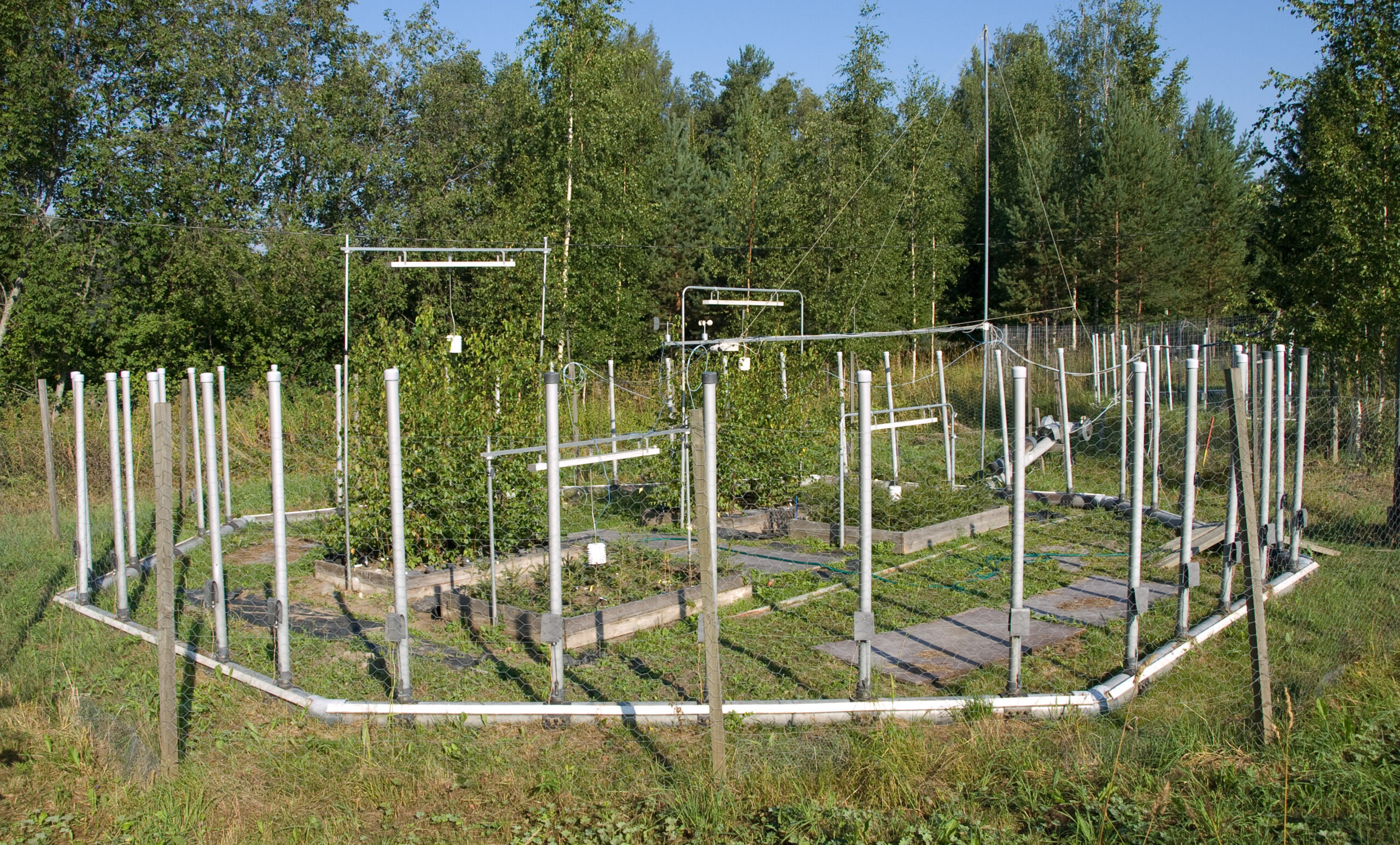
This tool was built by Serge (MSc) using established science and government sources. My academic background covers Biogeochemistry, Forest Science, Environmental Biology, and Plant Biology, and my field research directly measured soil carbon and tree growth in open-air experiments. My tools are for educational purposes and give practical guidance, not professional advice.
Most garden plants grow best in slightly acidic soil, around pH 6.0 to 7.0. Outside that range, nutrients that are in the soil become harder for roots to take up, and plants can struggle however much you feed them.
Raising pH means adding lime. Lowering it means adding sulphur. How much you need depends on how far you need to move, and on your soil: clay and soils rich in organic matter resist change far more than sandy soils.
I built this tool to give you a starting amount. Enter your pH reading, your target, your soil type and the size of your bed, and it works out how much garden lime or elemental sulphur to apply, and whether to split it into several doses.
How This Works
Soil resists changes in pH. The more clay and organic matter it holds, the more lime or sulphur it takes to move the pH by the same amount. That is why the tool asks for both your soil type and its colour, since darker soils hold more organic matter.
To raise pH, the tool uses published lime requirements for light and dark sandy, loamy and clay soils, measured from different starting points up to pH 6.5. For targets above 6.5, it extends the same trend, so treat that figure as a rough guide.
To lower pH, it uses published amounts of elemental sulphur per unit of pH for sandy, loamy and clay soils. It then checks each amount against the safe maximum for a single dose and tells you how many doses to split it into.
Understanding Your Result
The lime figure is for ground garden limestone, also sold as agricultural lime, including the pelleted kind. Do not use hydrated or quick lime in a garden, because it is caustic and acts much more strongly. Lime takes several months to work, so autumn is a good time to apply it before spring planting.
Sulphur works through soil bacteria, so it is slow, especially in cold soil, and needs to go on in small doses. If your soil is above about pH 7.5, test a handful with vinegar first. If it fizzes, it contains free lime, and lowering the pH with sulphur is very hard or impractical. Growing acid-loving plants in containers is often the better answer.
Retest your soil about six months after you finish applying, before adding more. Fertiliser use, especially ammonium-based nitrogen, slowly acidifies soil over the years, so a pH that is right now may drift.
Important Limitations
This is a starting estimate based on soil type and colour, not a measurement of your own soil's buffering. A laboratory soil test that includes a lime requirement or buffer pH will always give a more accurate figure, and you should follow it if you have one.
Results above pH 6.5 are extended from the published table, so they are less certain. Home pH testers also vary in accuracy, so a reading that is a few tenths out will change the result.
Apply less rather than more. It is far easier to add a little more lime next year than to bring an over-limed soil back down.
Scientific Basis
The lime amounts come from Colorado State University Extension, which gives the limestone needed to bring light and dark sandy loam, silt loam and silty clay loam soils from different starting points to pH 6.5, and advises testing alkaline soils for free lime before trying to lower their pH.
The sulphur amounts and the single-dose limits come from Mississippi State University Extension, which gives the pounds of elemental sulphur needed to lower the pH of sandy, loamy and clay soils, and sets a limit of half a pound per 100 square feet every three months, with about 5 pounds of lime per 100 square feet as a typical single dose.
- Colorado State University Extension, Changing Soil pH (lime requirement by soil texture and organic matter)
- Mississippi State University Extension, Publication 2831 (sulphur requirement by soil texture and safe application rates)
Related Reading
- Soil pH Correction Workbook (every bed, your product's strength, a dose schedule and a yearly pH log)
- My Vegetable Garden Produces Less Every Year (pH is one of the first things I would check)
- I Dug Up My Garden and the Soil Looks Grey and Dead (bringing tired soil back to life)
- Soil Amendment Calculator (how much compost to add alongside lime or sulphur)
This calculator is for general educational use. It gives a starting estimate to help you adjust soil pH, and is not a substitute for a laboratory soil test or professional advice. Results depend on your own soil and products.