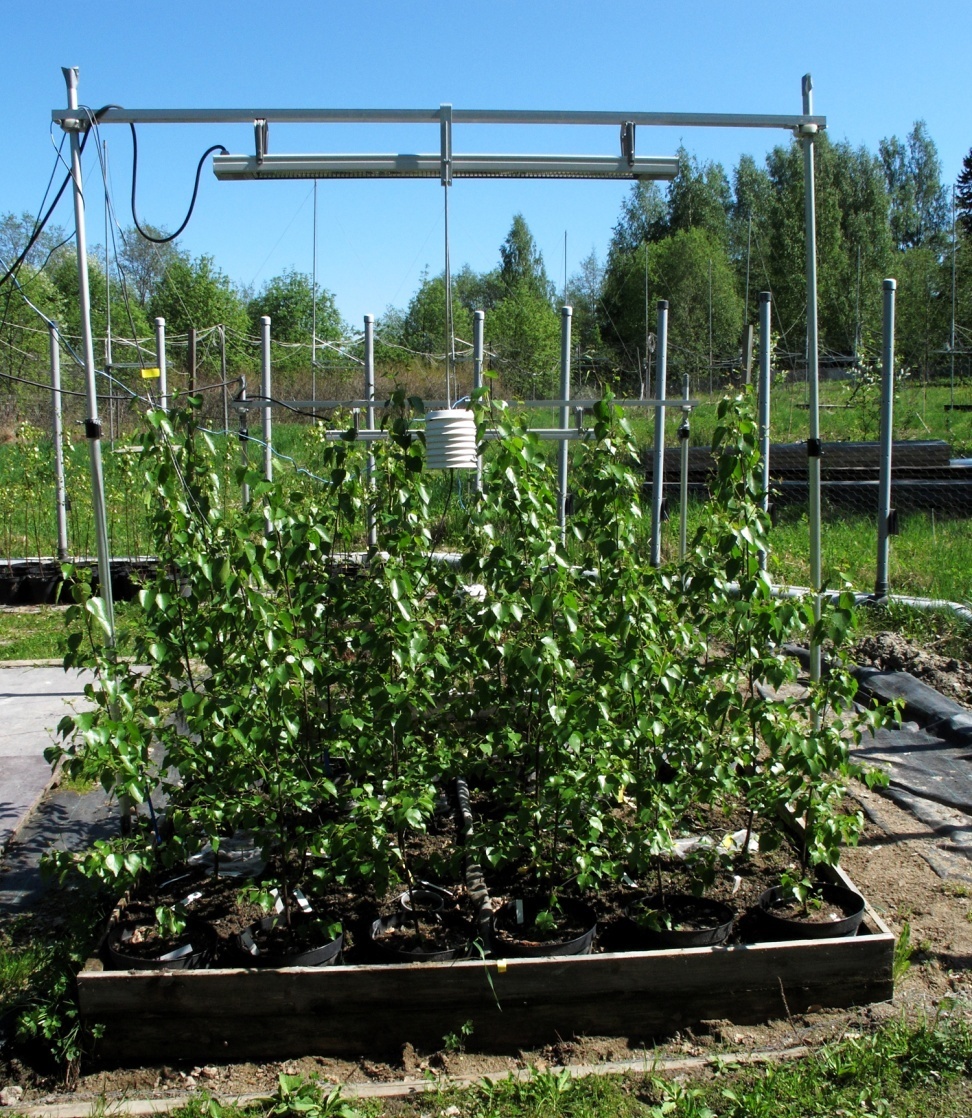
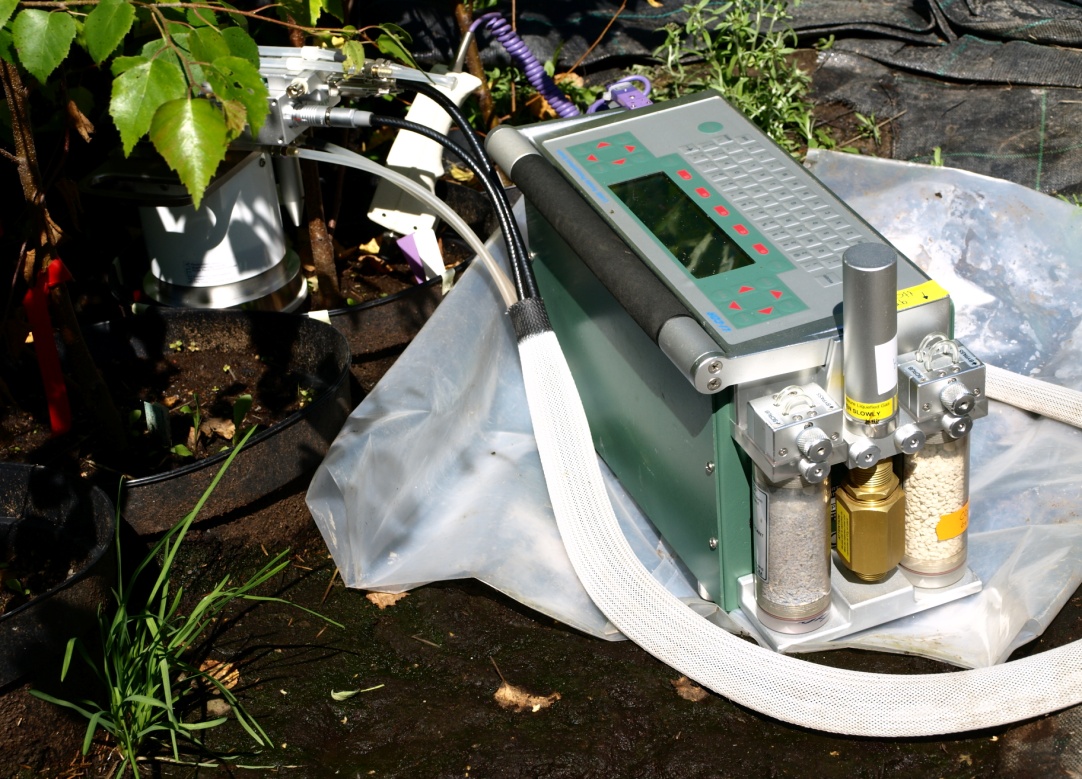
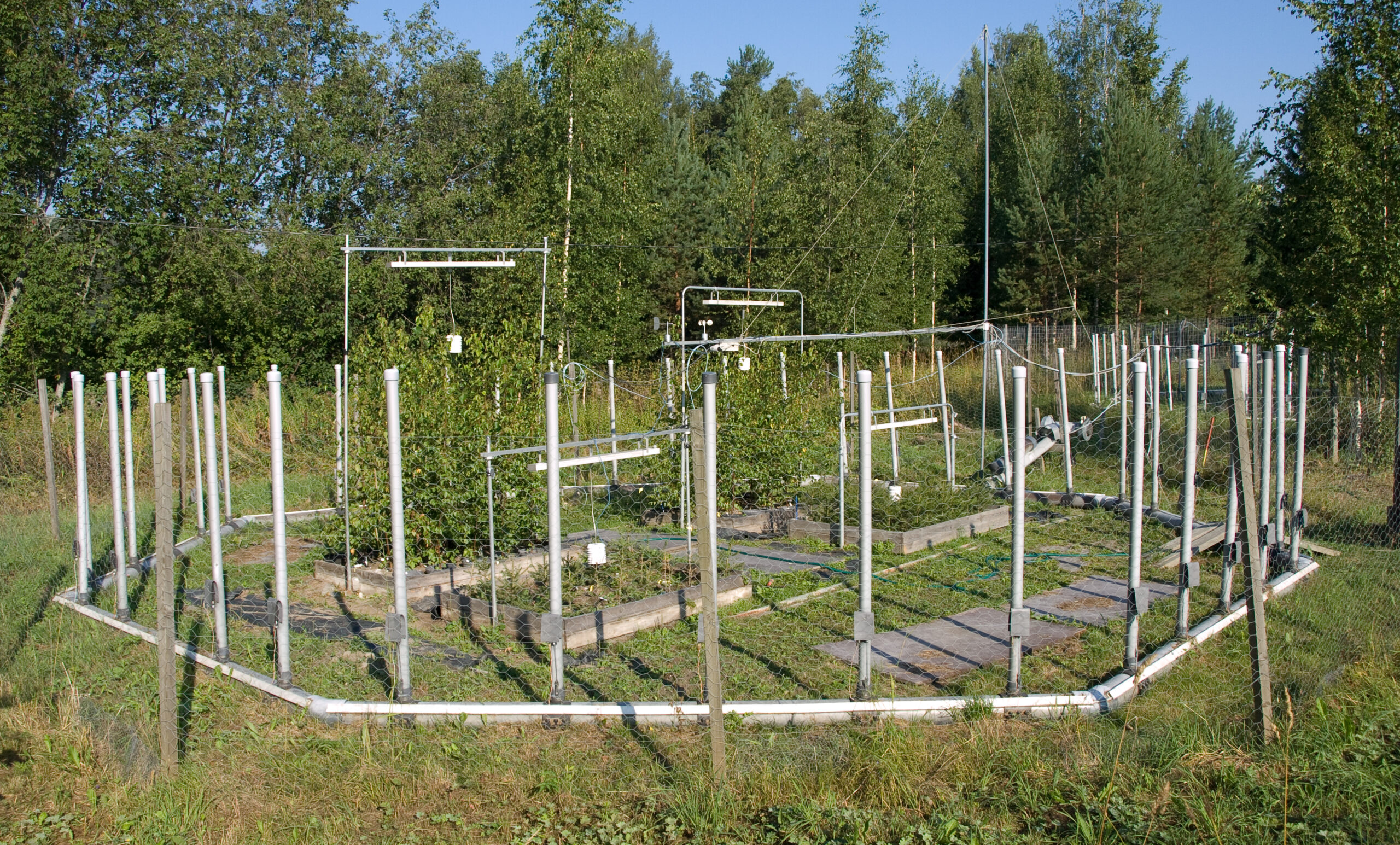
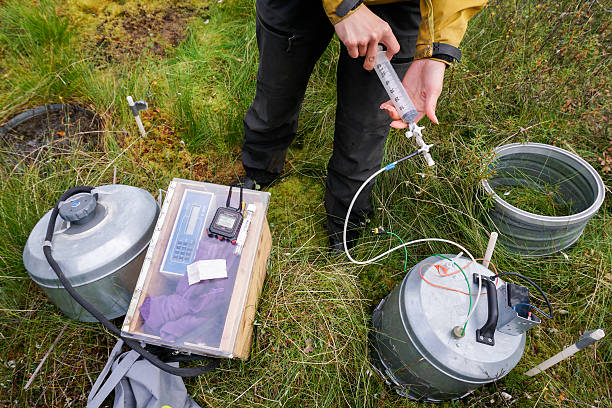




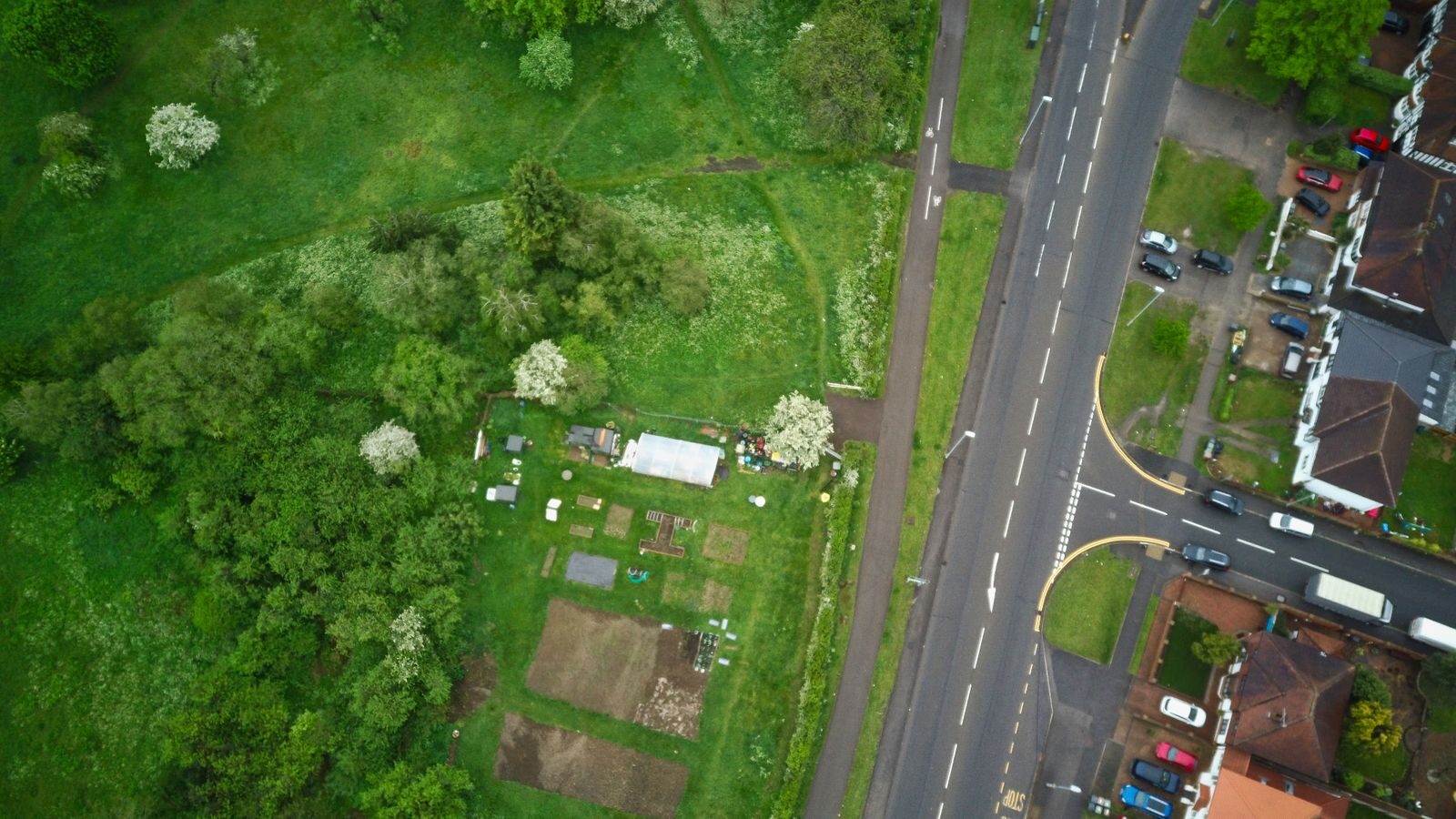
I spent a growing season measuring how plants respond to air pollution, running an experiment where trees were exposed to raised ozone and watching what it did to them.
So when someone asks me whether pollution is harming their garden, I do not answer with a simple yes. I answer with a question of my own:
What exactly are you seeing, and does it match how pollution actually behaves?
Because here is the difficulty, and it is the reason this question is so hard to answer from the outside. Pollution damage often looks almost identical to ordinary plant problems, drought, disease, natural leaf aging.
Plenty of gardeners blame pollution for something that is really a watering or fungal issue, and plenty of others never suspect the air when it genuinely is the cause. Let me help you tell the difference, using what I learned measuring this directly.
The Two Ways Pollution Reaches Your Garden
Pollution affects plants through two routes, and they look different, so it helps to know which you might be dealing with.
Through the air, into the leaves.
This is the one I studied. Gases like ground-level ozone, nitrogen oxides, and sulphur dioxide enter the leaf through its tiny pores and damage the tissue inside. Fine particulates and soot settle on the leaf surface and coat it, blocking light and clogging those same pores. The damage shows up on the leaves.
Through the soil, into the roots.
Some pollutants, heavy metals from industry, deposits from traffic, contaminants washed into the ground, build up in the soil and affect the roots. They can change the soil’s chemistry and make it harder for the plant to take up nutrients. This damage starts below ground and shows up as general poor growth.
Knowing which route you are worried about, the air or the soil, already narrows things down, because they have different signs and different causes.
What Pollution Damage Actually Looks Like
From studying this, here is what genuine air pollution damage tends to look like on a plant.
Ozone causes fine stippling or flecking on the upper leaf surface, small reddish, bronze or dark spots between the veins, worse on older leaves and on leaves in direct sun. It appears after hot, still, sunny weather.
Particulates and soot leave a visible grimy film on the leaves that you can wipe off, revealing healthier green underneath. Growth is slow because the coating blocks light and clogs the pores.
Sulphur dioxide and nitrogen oxides cause yellowing between the veins and, in worse cases, dead patches, often on plants near heavy industry or busy roads.
Soil contamination shows up less specifically, as generally poor, stunted growth across many plants, especially near a known source like an old industrial site, a busy road, or contaminated fill.
The pattern matters as much as the symptom. Pollution often affects many different plant species at once, because it is in the environment they all share, rather than picking on one type the way a specific pest or disease does.
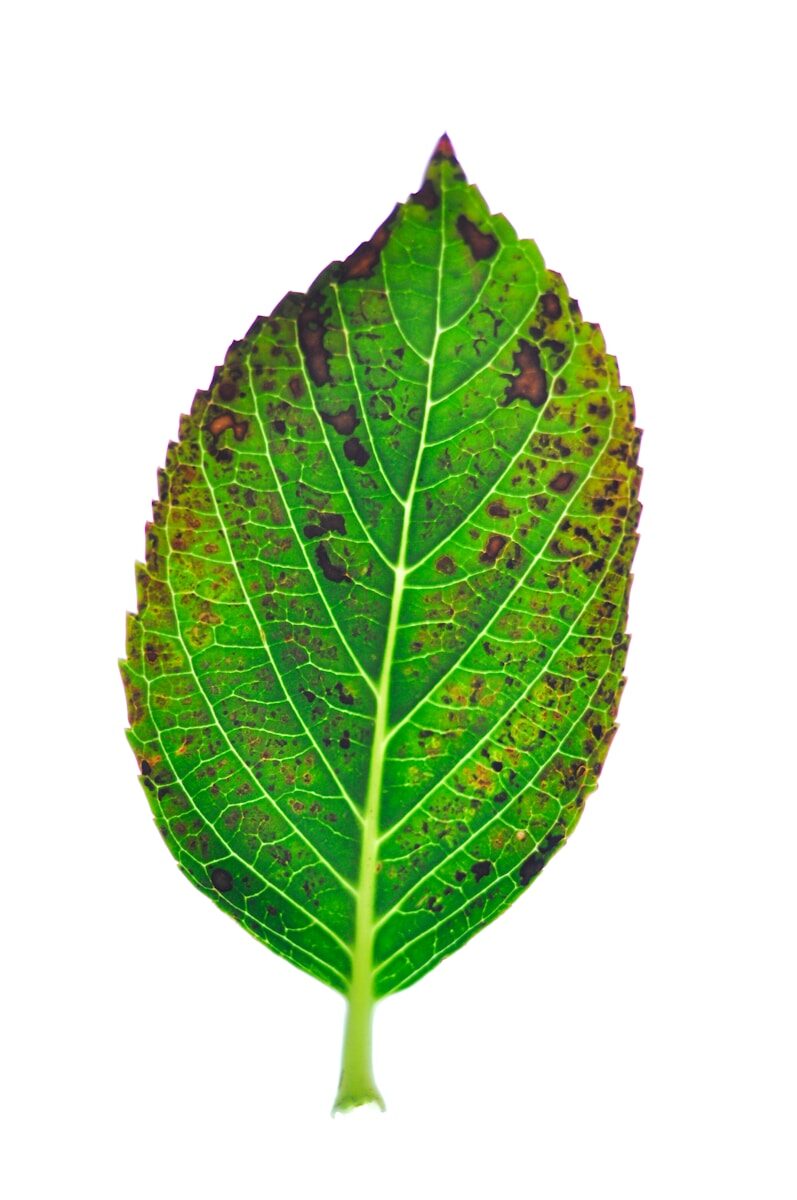
When It Is Probably Not Pollution
This is the part I care about most, because it is where I can save you worry and wasted effort. Pollution damage looks a lot like ordinary plant stress, and most of the time, ordinary stress is the answer.
Before you blame the air or the soil, rule these out first, because they are far more common:
Drought or overwatering. Yellowing, wilting and leaf drop are far more often a water problem than a pollution one.
Fungal or bacterial disease. Defined spots with rings or halos, spreading from leaf to leaf and worse in damp weather, is disease, not pollution.
Pests. If one plant type is hit and others are fine, or you find insects or webbing, that is a pest.
Natural aging. Older leaves yellowing and dropping, especially in late season, is often just the normal cycle, which air pollution symptoms are easily confused with.
Poor soil or nutrient shortage. General weak growth is more often a soil fertility issue than contamination.
Here is the rule I would give you…
Pollution is more likely if the damage hits many different plants at once, follows the weather or a nearby source, and does not behave like a spreading disease or a specific pest.
If instead one plant is affected, or the marks spread and worsen in damp weather, or it lines up with a dry spell, look to the ordinary causes first. I would rather you fix a watering problem than worry about pollution you cannot see.
How to Work Out If Pollution Is the Cause
If you have ruled out the ordinary causes and still suspect pollution, here is how I would investigate it.
Check your local air quality index. Most countries publish a free daily index for ozone, particulates and other pollutants. If your plant problems line up with high-pollution days, especially hot sunny afternoons for ozone, that is a strong clue.
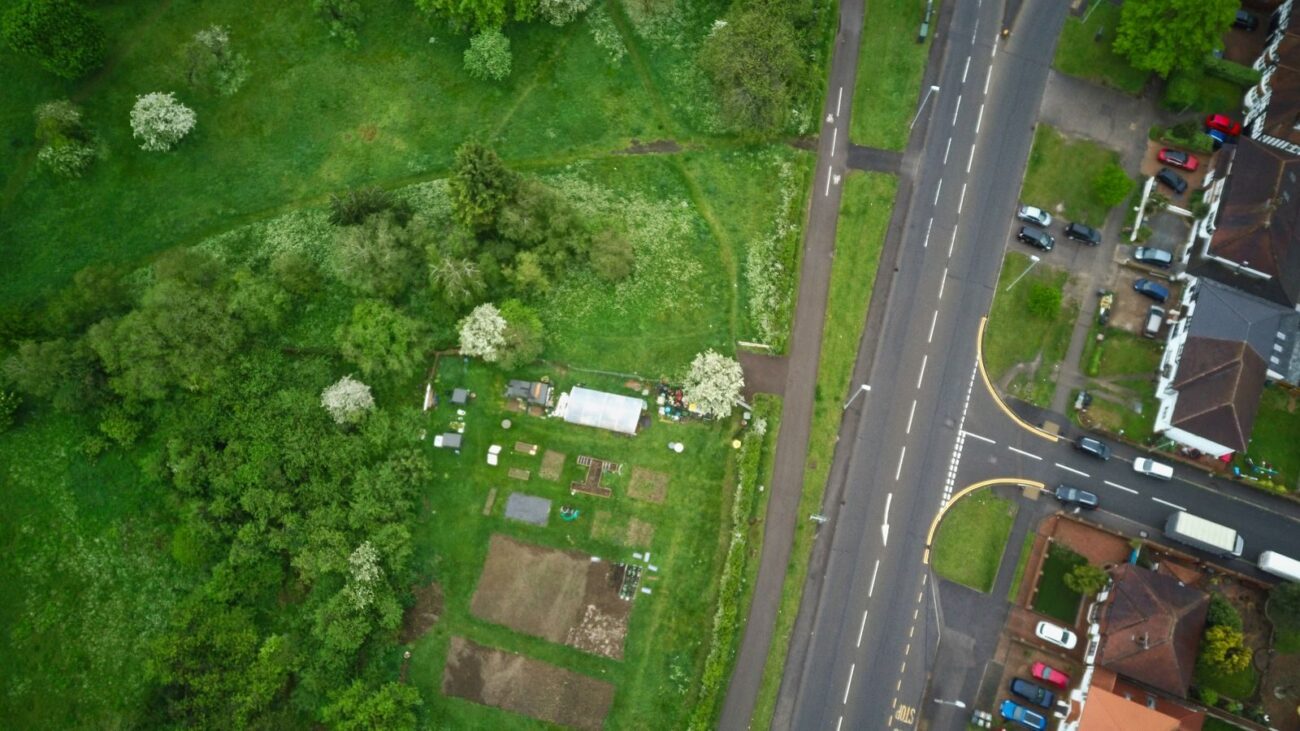
Look at your surroundings. Are you beside a busy road, downwind of industry, or on land with an industrial past? Location tells you a lot about which pollutants are plausible.
Do the wipe test for particulates. If leaves near a road are visibly grimy and wipe clean to healthier green, particulate pollution is part of the picture.
Watch the pattern over time. Note when the damage appears. Ozone tracks hot, still, sunny spells. Particulates build up in dry, settled weather. A pattern tied to conditions points to pollution; random or spreading damage points elsewhere.
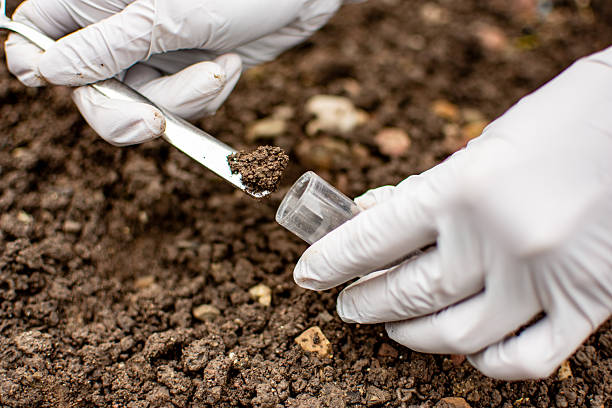
Test the soil if you suspect contamination. If you are on land with an industrial history and growth is generally poor, a soil test for heavy metals and pH is worth doing, especially before growing food there.
What You Can Do About It
You cannot clean the air over your area, but you have more control than you might think.
– Plant a barrier hedge between your garden and a road or pollution source. A dense evergreen hedge catches particulates and slows polluted air reaching the rest of your plants.
– Grow edibles away from the source, at the far end of the garden behind a barrier, and wash them well before eating.
– Rinse grimy foliage on valued plants so the leaves can breathe and photosynthesise again.
– Time your gardening for cooler morning and evening hours on high-ozone days, which protects you as well as your plants.
– Improve the soil with organic matter, because a healthy, well-fed plant copes with pollution stress better than a struggling one.
– For confirmed soil contamination, grow in raised beds with clean imported soil, especially for food crops.
If you want to go deeper on the specific pollutants, I have separate guides on ozone damage to leaves and on gardens near busy roads that cover those cases in detail.
Frequently Asked Questions
How do I know if pollution is affecting my plants?
Look at the pattern. Pollution tends to affect many different plants at once, follows the weather or a nearby source like a road or industry, and does not spread from plant to plant like a disease. Fine leaf stippling, a grimy film that wipes off, or yellowing near a pollution source all point to it. If one plant is hit, or damage spreads in damp weather, ordinary causes are more likely.
Can air pollution really damage garden plants?
Yes. Gases like ozone enter the leaves and damage the tissue inside, reducing growth, while particulates coat leaves and block light and pores. Ozone alone is estimated to cause most of the world’s pollution-related crop losses. But pollution damage is often confused with drought, disease or natural aging, so check those first.
What does pollution damage look like on leaves?
It depends on the pollutant. Ozone causes fine reddish or dark stippling between the veins on upper leaf surfaces. Particulates leave a grimy film that wipes off. Other gases cause yellowing between the veins or dead patches. Pollution usually marks many plants at once rather than a single type.
Is it safe to grow vegetables in a polluted area?
You can, with care. Grow edibles as far from the pollution source as possible, behind a barrier hedge, and wash them thoroughly before eating. If you suspect soil contamination from an industrial past, test the soil for heavy metals, or grow in raised beds with clean imported soil.
Could my plant problems just be something else?
Very likely, yes. Drought, overwatering, fungal disease, pests and natural leaf aging are all far more common than pollution and often look similar. Rule those out first. Pollution becomes the likely answer mainly when many plants are affected at once, the damage tracks the weather or a nearby source, and it does not behave like a spreading disease or a specific pest.
How can I protect my garden from pollution?
Plant a dense barrier hedge between the garden and the source, keep sensitive and edible plants away from roads, rinse grimy leaves, garden in cooler hours on high-ozone days, and feed the soil so plants cope better. For confirmed soil contamination, use raised beds with clean soil for food crops.