



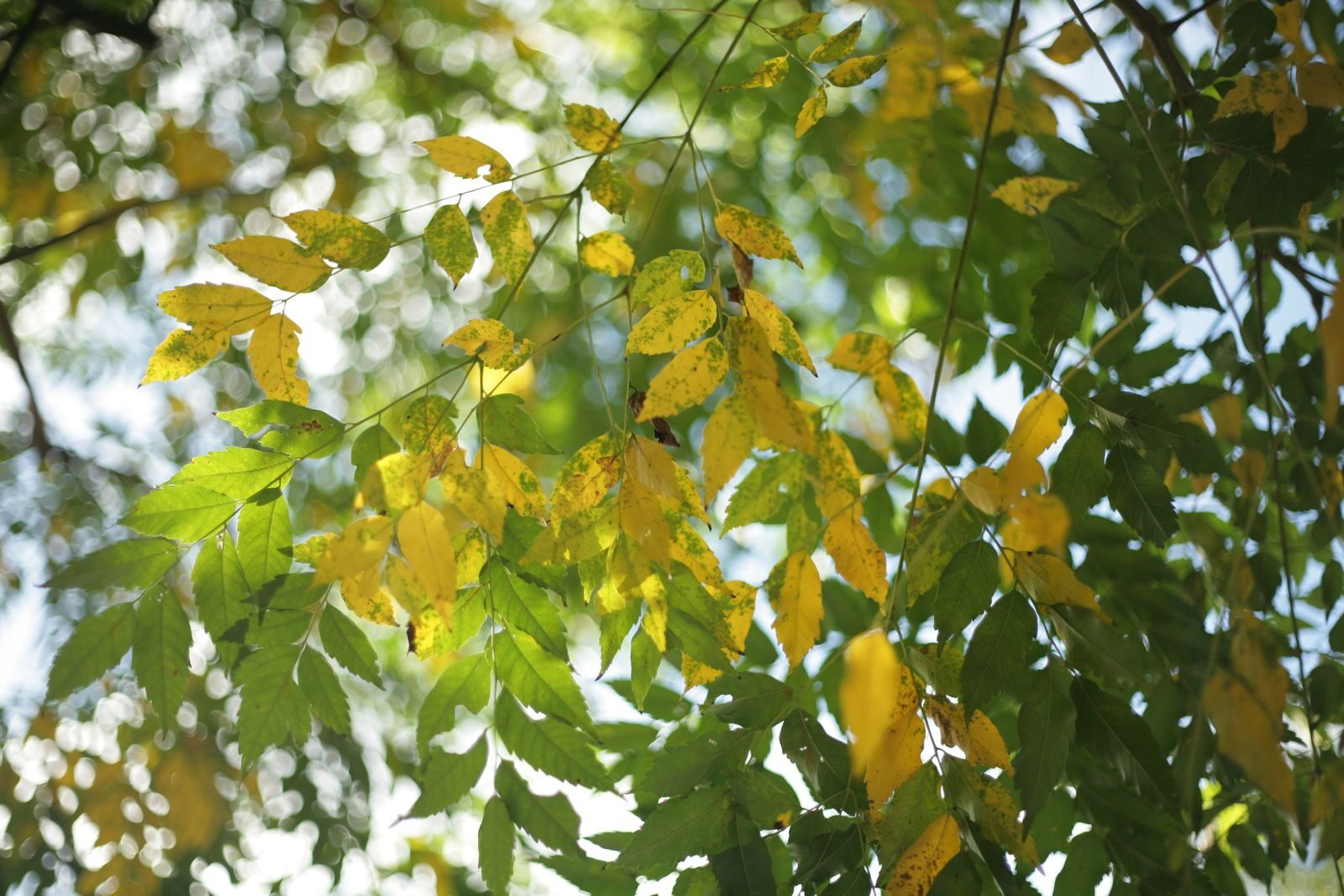
How do you tell whether your tree is dying or just having a bad year?
Something is off…
The leaves are yellowing in the middle of summer, or the top branches are bare while the rest looks fine, or the whole thing just seems thinner than last year. You are worried it is on its way out, and you do not know what to look for or what to do.
Let me take some weight off first… A sick-looking tree is usually not a dying tree. Trees are slow, and they show stress slowly, so when you catch the signs early you often have time to help. The skill is reading what the tree is showing you, and I am going to walk you through it the way I would if you called and described it to me.
The Tree Tells You Through Its Crown
The crown is the leafy top part, and it is where a tree shows trouble first. Leaves are expensive for a tree to run, so they are the first thing it sacrifices when it is struggling.
That is why the early signals almost always appear up top: thinner foliage, odd colours at the wrong time of year, leaves smaller than they should be, bare twigs at the tips. None of these is the disease itself. Each is the tree telling you it cannot keep everything running.
This matters because most people inspect the trunk or the base for answers. The trunk tells you about serious structural problems. The crown tells you about stress, and stress is usually what you are dealing with.
The Five Signs to Check
Stand back far enough to see the whole tree, and work through these.
1. Colour at the wrong time.
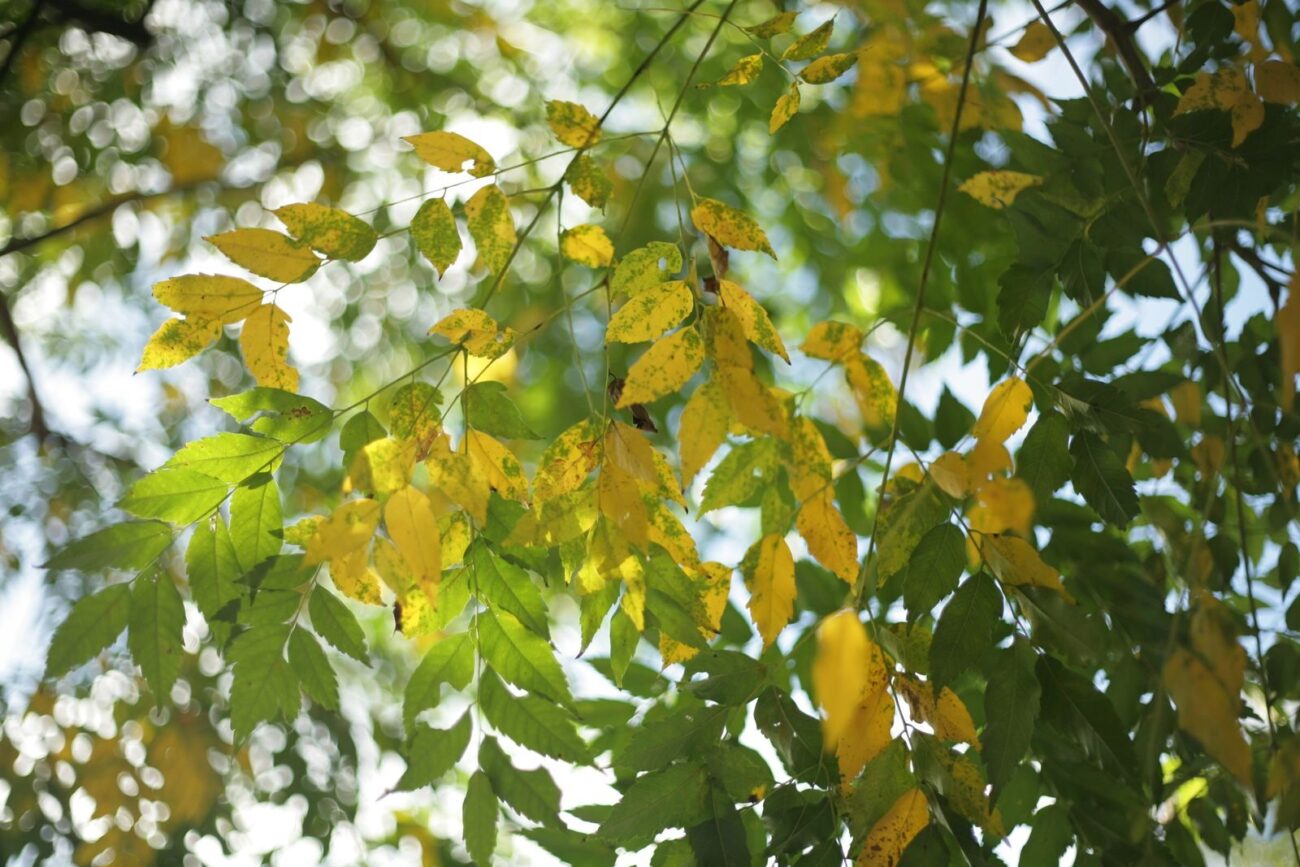
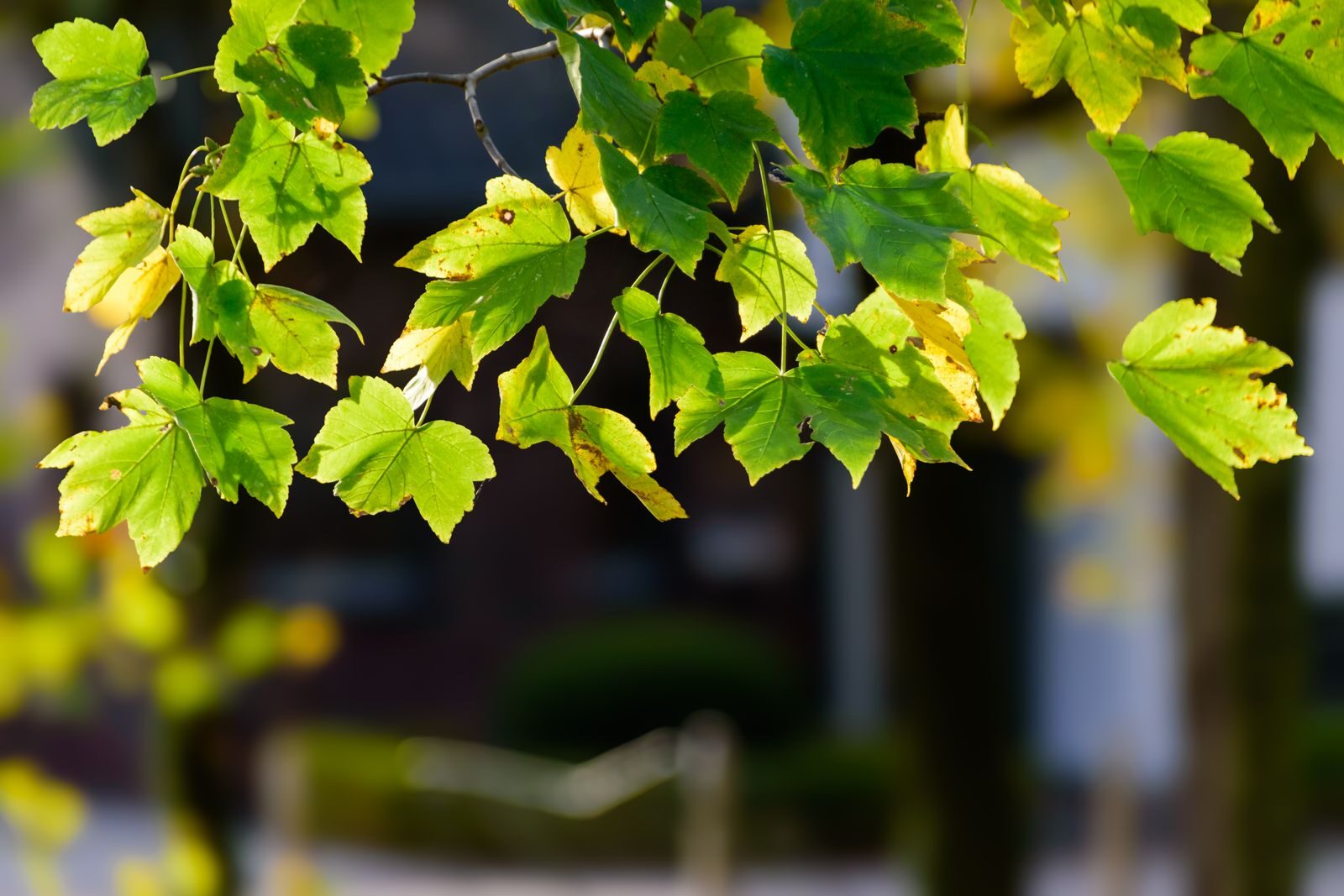
Green leaves turning yellow, bronze or brown in the middle of summer, well before autumn, is one of the clearest stress signals. A few here and there is normal. Whole branches, or a whole side, is not.
2. Leaves smaller than usual.
Easy to miss, and telling. If this year’s leaves are noticeably smaller than last year’s, or smaller than the same tree species nearby, the tree is rationing. Small leaves mean it could not afford to build full-sized ones.
3. Leaf drop out of season.
A tree shedding leaves in June, July or August is not doing it for fun. Early leaf drop is a survival move to cut water loss. If you are raking leaves in high summer, the tree is under real pressure.
4. Bare twigs at the top and outer edges.
Look at the very top of the crown and the tips of the outer branches. Dead, leafless twigs there, called dieback, mean the tree has started shutting down its furthest, hardest-to-supply parts first. More than about one branch in ten warrants a proper look.
5. A thin, see-through crown.
Compare your tree to a healthy one of the same kind. If you can see far more sky through your tree’s canopy, that thinning is the tree carrying less leaf than it should.
One sign alone is often nothing. Two or more together, especially after a hot dry spell, is the tree telling you it is struggling.
What Is Usually Behind It
Most of the time, a sick-looking garden tree comes down to one of a few causes. None needs a specialist to understand.
Water, too little or too much. The big one. A dry spell, especially two or three in a row, is the most common reason a tree suddenly looks stressed. But waterlogged roots in heavy, badly drained soil do the same, because roots sitting in water cannot breathe. Both show up in the crown as yellowing and early leaf drop, which is why people mix them up.
Roots in trouble. Trees suffer when their roots are hurt, and the damage is usually invisible. Soil compacted by foot traffic, cars or building work squeezes the air out and the roots suffocate slowly. Trenching for a patio, fence or pipe cuts roots the tree needed. The crown thins a year or two later, and nobody connects it to the work done back then.
Recently planted. A tree put in during the last two or three years, or planted too deep, will look sick because it is still fighting to establish. Some struggle is normal in those early years.
Pests or disease. Real, but less common than people fear, and usually a secondary attacker that moves in once a tree is already weakened. Look for holes in the bark, sawdust-like frass, sticky residue, or spots on the leaves.
Heat and a changing climate. Hotter, drier summers are pushing trees that were fine for decades into visible stress. Not your fault, and increasingly common.
What to Do About It
Work through these in order. Most struggling trees respond to the simple things.
-Water deeply, not often.
If it has been dry, give a long slow soak that reaches deep, rather than a daily sprinkle that only wets the surface. Water the ground under the outer edge of the crown, where the feeding roots are. A slow hose for an hour beats ten minutes every day.
-Mulch the root area.
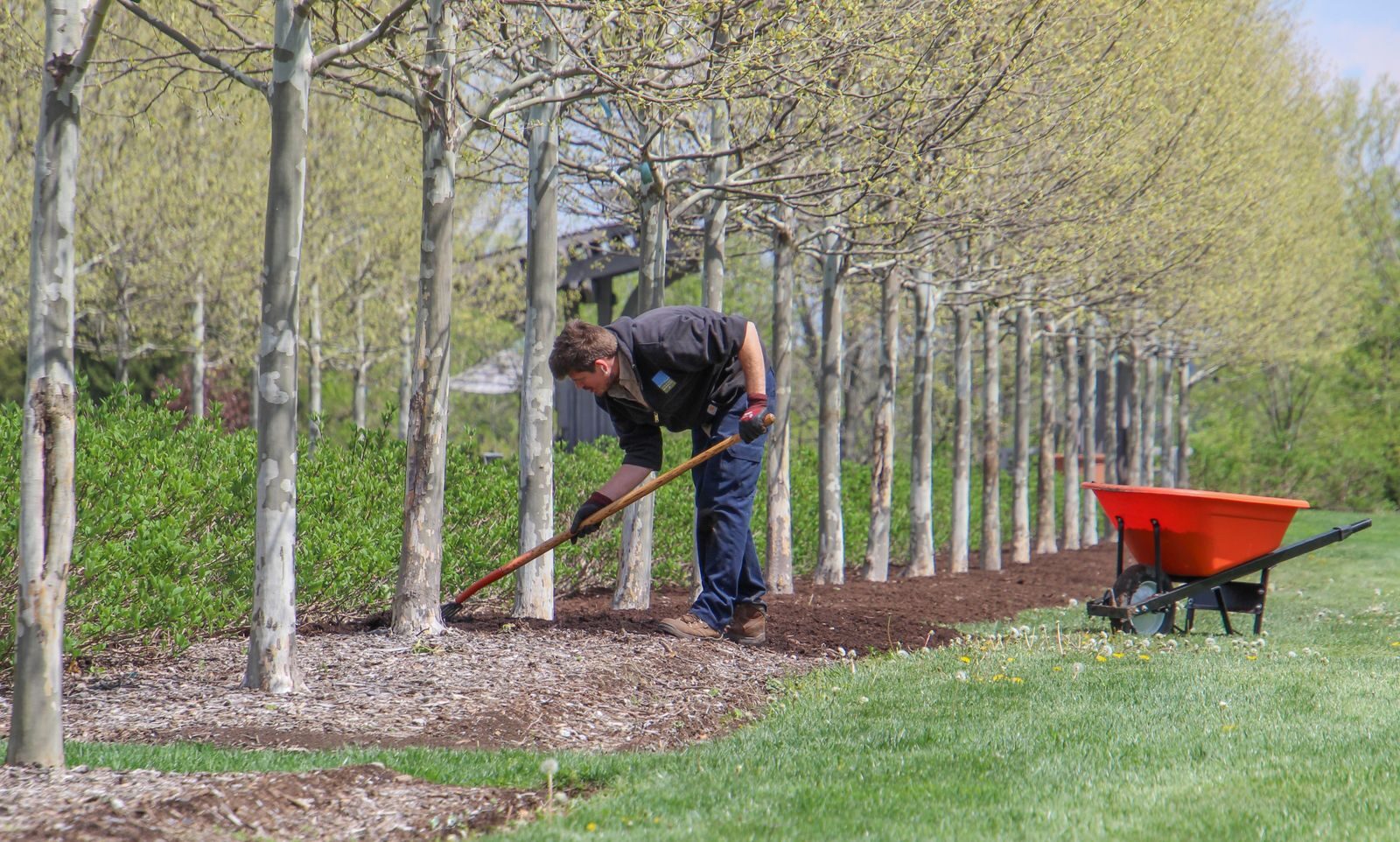
Spread bark or wood chip over the soil around the tree, out toward the edge of the crown, but keep it off the trunk. Mulch holds moisture, steadies soil temperature, and feeds the soil as it breaks down. It is the single best thing most people can do for a stressed tree.
-Do not fertilise a stressed tree.
It feels wrong, but feeding a struggling tree pushes it to grow when it has no spare energy, and can make things worse. Fix water and soil first. Feed only once it has recovered.
-Only prune what is clearly dead.
Remove obviously dead, broken or diseased branches, and stop there. Heavy pruning of a stressed tree strips the leaves it needs to recover.
-Stop compacting the soil.
Keep cars, heavy foot traffic and building materials off the root area. Roots need air, and packed soil starves them.
-Give it time, and watch.
Trees recover on their own schedule, not yours. Improvement often shows in next year’s growth, not this week. Take a photo now to compare in a few months.
-Call an arborist if the trunk is involved.
Large areas of dead or peeling bark, mushrooms on the trunk or roots, deep cracks, or a worsening lean are structural, not just stress, and can be safety issues. Get a qualified professional for those.
Why Catching It Early Matters
Here is the thing I most want you to take away, and it comes from watching trees very closely. A tree hides stress for a long time before it looks obviously sick. By the time the crown is visibly thin or a whole branch has gone bare, the tree has usually been struggling underneath for a season or more.
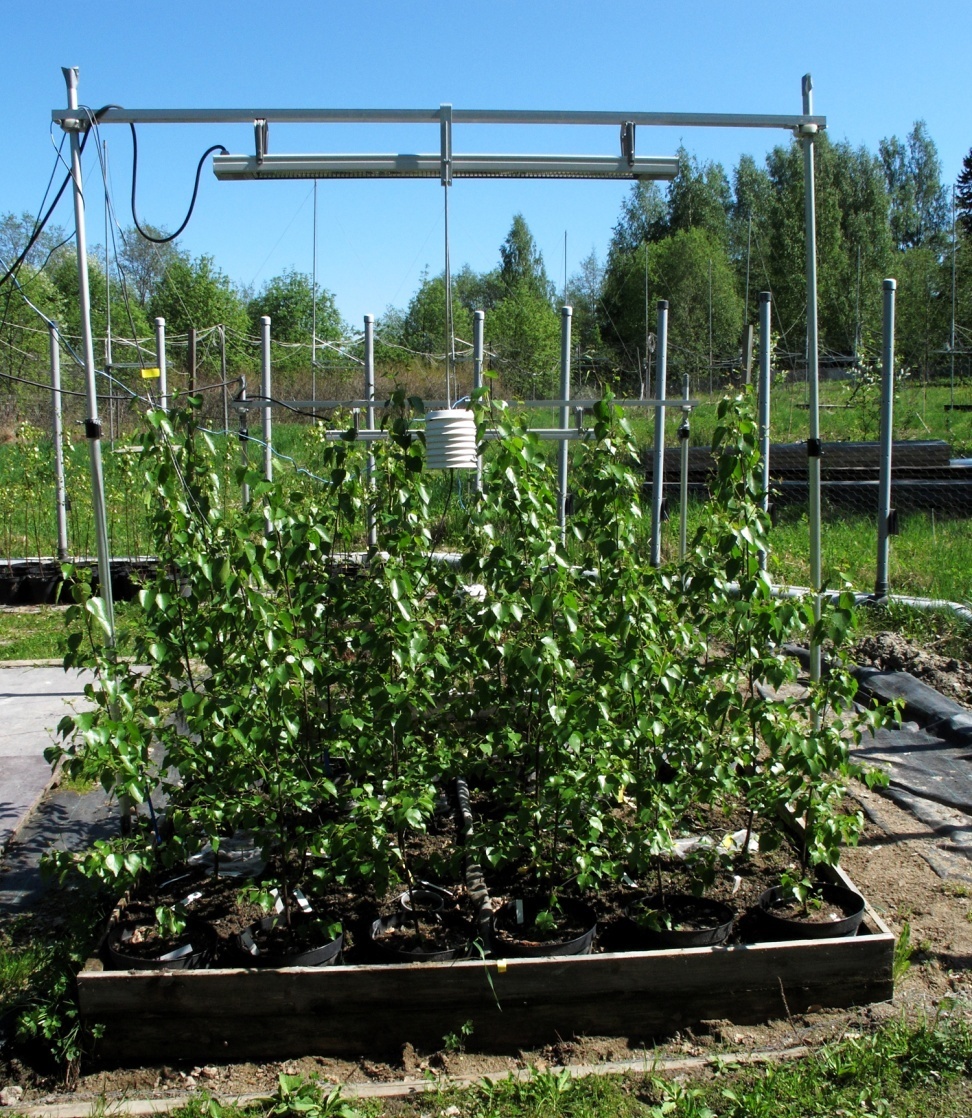
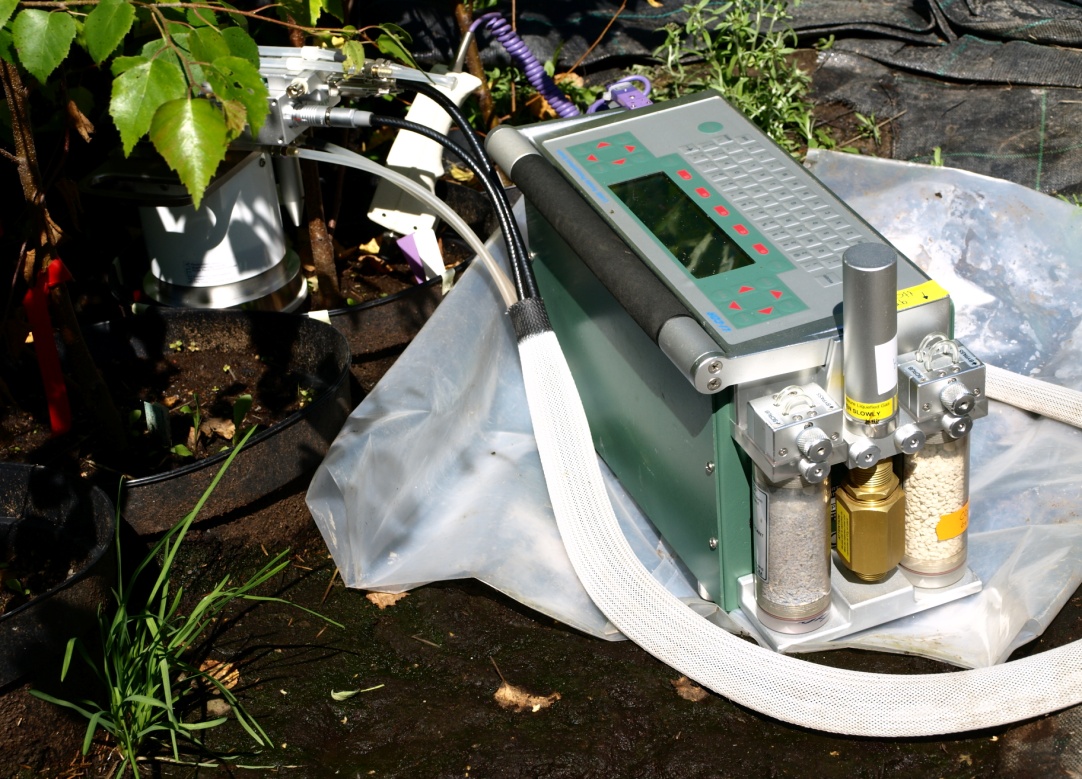
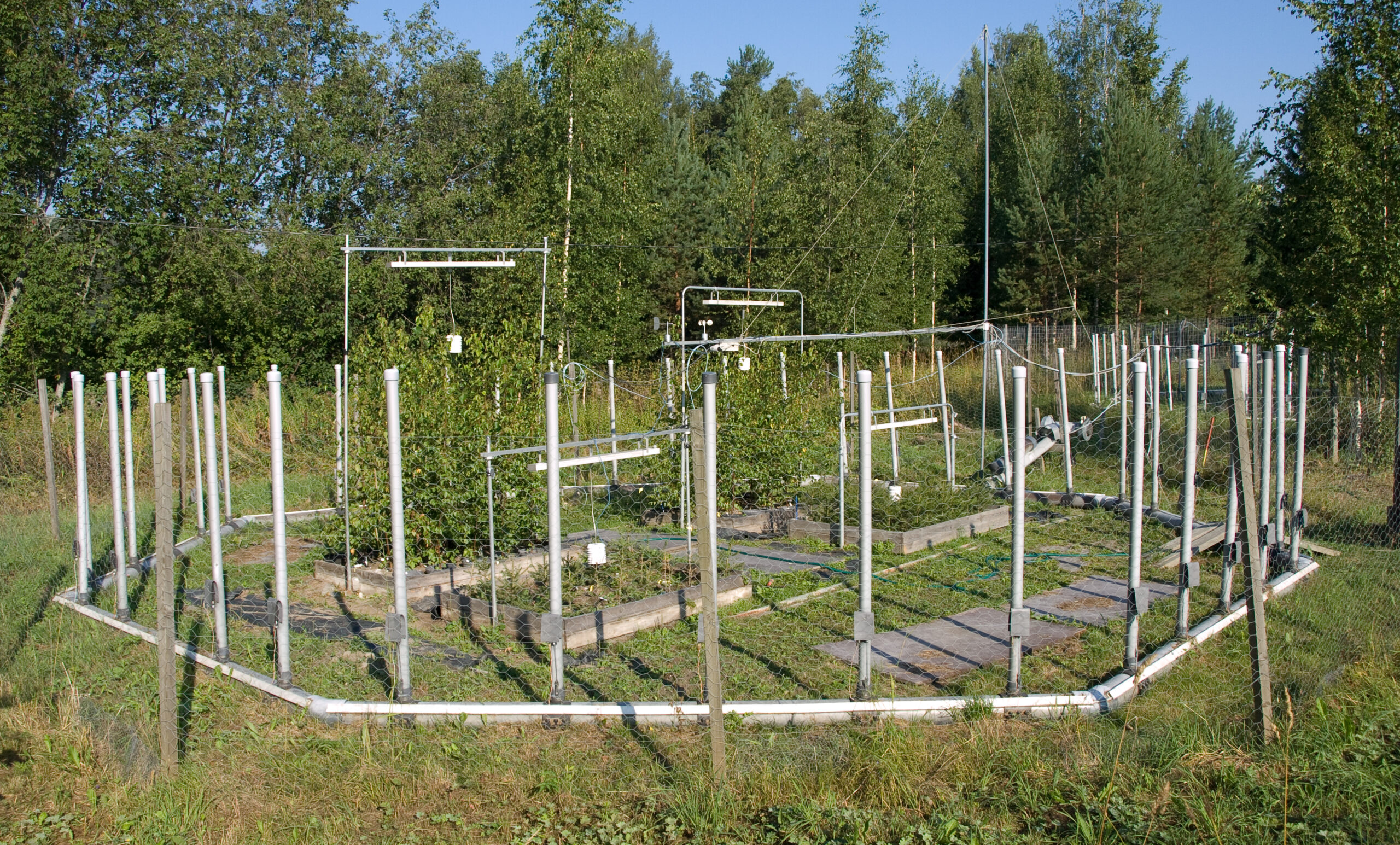
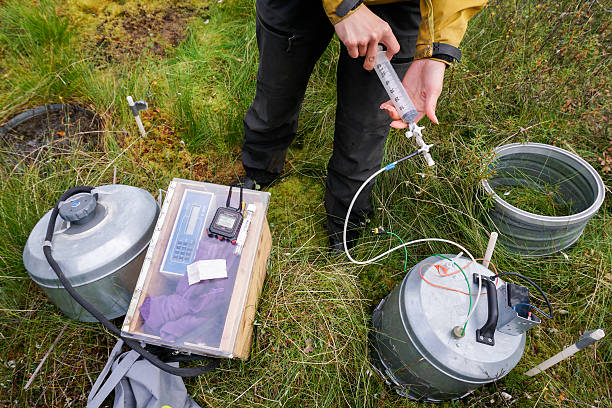
I know this because my field research involved measuring the same trees over and over, every three weeks through a growing season, tracking how they responded to environmental stress.
My training in plant ecological stress physiology is exactly this, how plants react to pressure like heat and drought. And the lesson that stayed with me is that the numbers moved long before the tree looked dramatic. Stress shows up small and early, then builds.
Long-term forest monitoring finds the same…
A 2025 study in the journal Forests, built on twenty years of fieldwork, reports that the first visible warnings in a tree’s crown, small leaves, out-of-season colour, early leaf drop, are often not obvious at a glance, and that by the time they are, decline is already well underway.
So do not wait for your tree to look dramatic before acting. The faint thinning, the slightly smaller leaves, the one odd yellow branch, are the tree talking to you while there is still time to help. Read the small signs, look at the crown, and act early on water and soil. That is worth far more than any treatment applied late.
Frequently Asked Questions
How do I know if my tree is dying or just stressed?
Scratch a small twig with your thumbnail. Green and moist underneath means living tissue and a tree worth helping. Brown and dry across many twigs over the whole crown is a bad sign. One dead branch on an otherwise leafy tree is just stress, not death.
Why is my tree losing leaves in summer?
Dropping leaves out of season is usually a survival response to stress, most often lack of water. The tree sheds leaves to cut its water loss. Give it a deep soak, mulch the root area, and it will often stabilise.
Why are my tree’s leaves turning yellow?
Summer yellowing usually points to a water problem, too little or too much, or to roots that have been damaged or compacted. Note whether the whole tree or just one section is affected, and think back to any digging, building or drought in the last year or two.
Can a sick tree recover on its own?
Often yes, if the cause is stress rather than structural damage or advanced disease. Trees are resilient when their basic needs are met. Sort out water and soil, remove obviously dead wood, and give it a full season to respond.
Should I fertilise a struggling tree?
No, not while it is struggling. Feeding pushes growth the tree cannot support and can set it back. Fix water, mulch and compaction first, and only consider feeding once it is clearly recovering.
When should I call a professional?
Call a qualified arborist if the problem is in the trunk or roots rather than the leaves. Large dead or peeling bark, mushrooms on the trunk or roots, deep cracks, or a worsening lean are structural and can be dangerous. Crown thinning alone can usually wait while you try the basics.
My tree was fine for years and suddenly looks sick. Why now?
Trees often show stress a year or two after the event that caused it, so “suddenly” is rarely sudden. Think back to droughts, building work, trenching or soil compaction in the last couple of years. Hotter, drier summers are also pushing long-established trees into visible stress for the first time.