


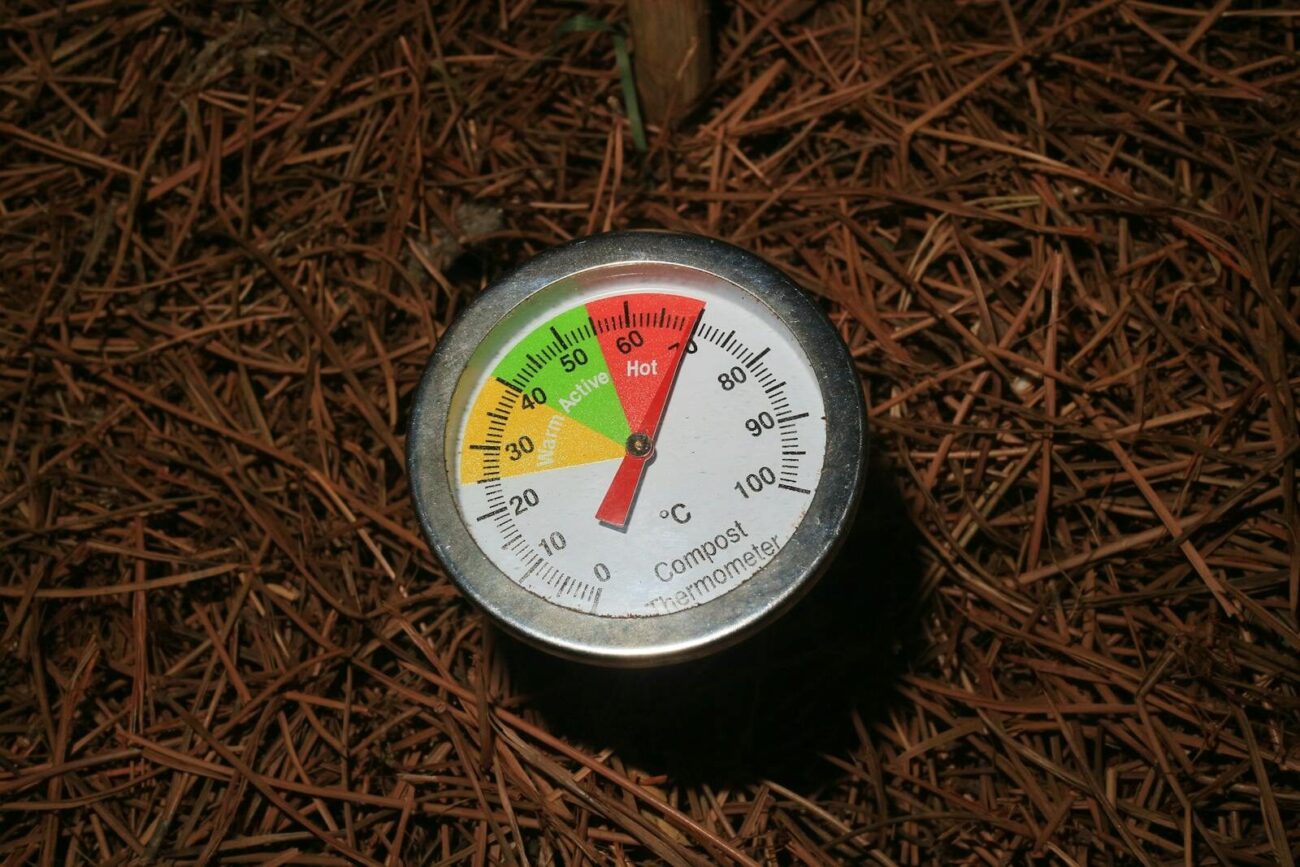
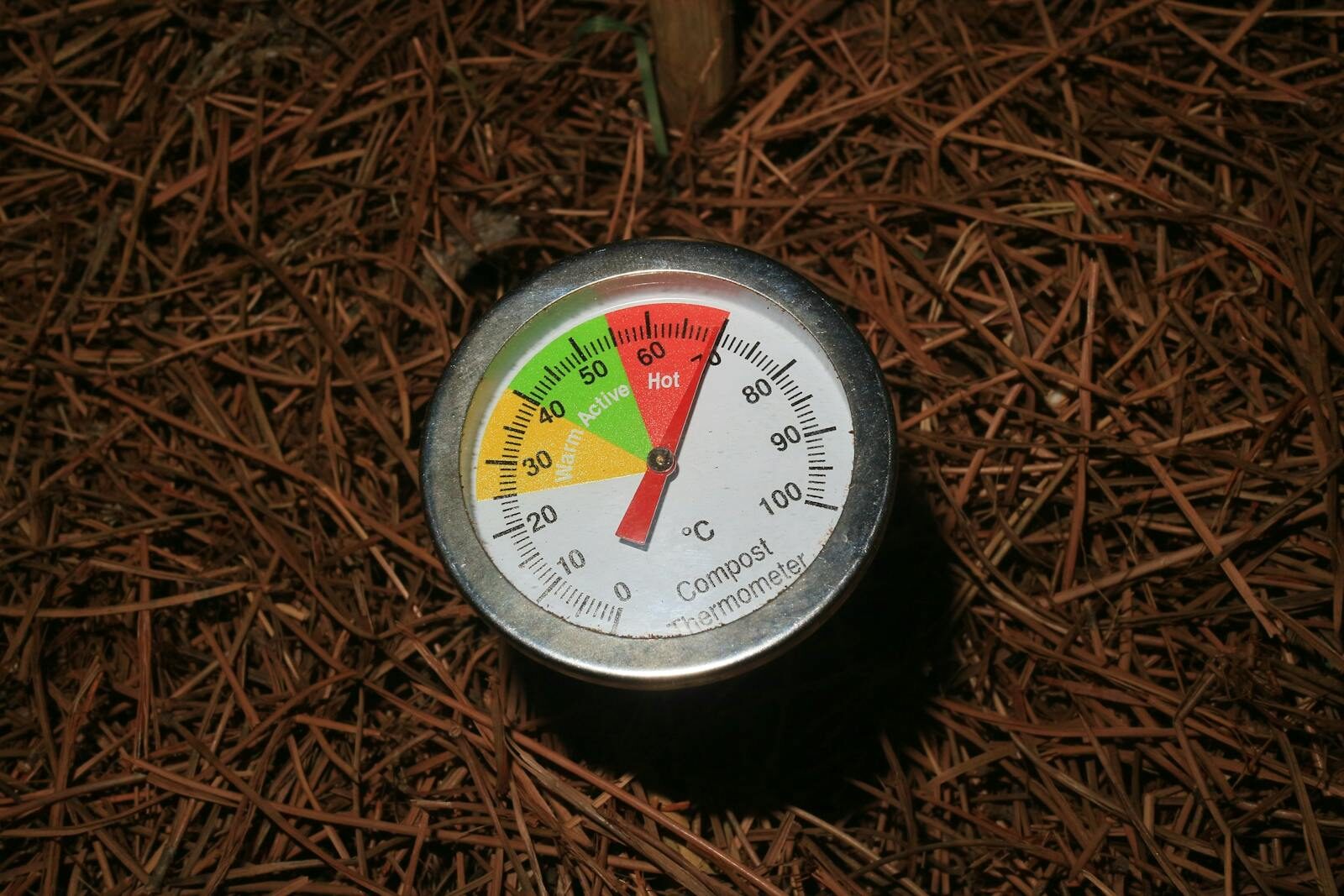
Soil temperature is not just a background variable. In my field experiment it was one of the most important measurements I took alongside every soil respiration reading. The relationship between soil temperature and CO₂ efflux was central to interpreting my results. Without accurate, consistent soil temperature data recorded at the same depth every measurement session, the respiration data would have been far harder to interpret.
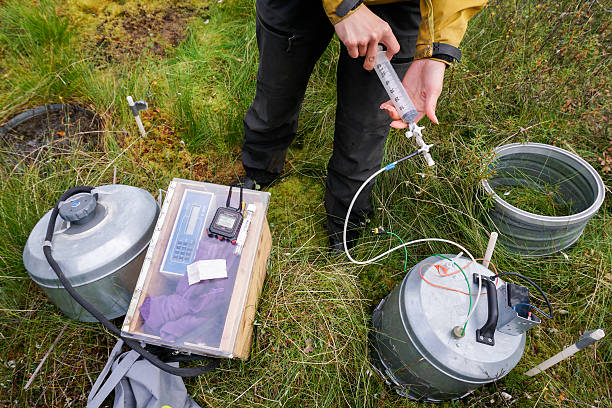
I measured soil temperature at 2 cm depth using a probe inserted near each soil respiration chamber collar throughout the growing season. That experience gave me a very practical understanding of what makes a soil temperature probe reliable in real field conditions and what causes problems.
Why Soil Temperature Matters in Field Research
Soil temperature drives microbial activity, decomposition rates, root respiration, and nutrient cycling. In carbon cycling research it is one of the two most important variables alongside soil moisture for interpreting CO₂ flux data. A soil respiration reading taken without a simultaneous temperature measurement is difficult to compare against other dates or other sites.
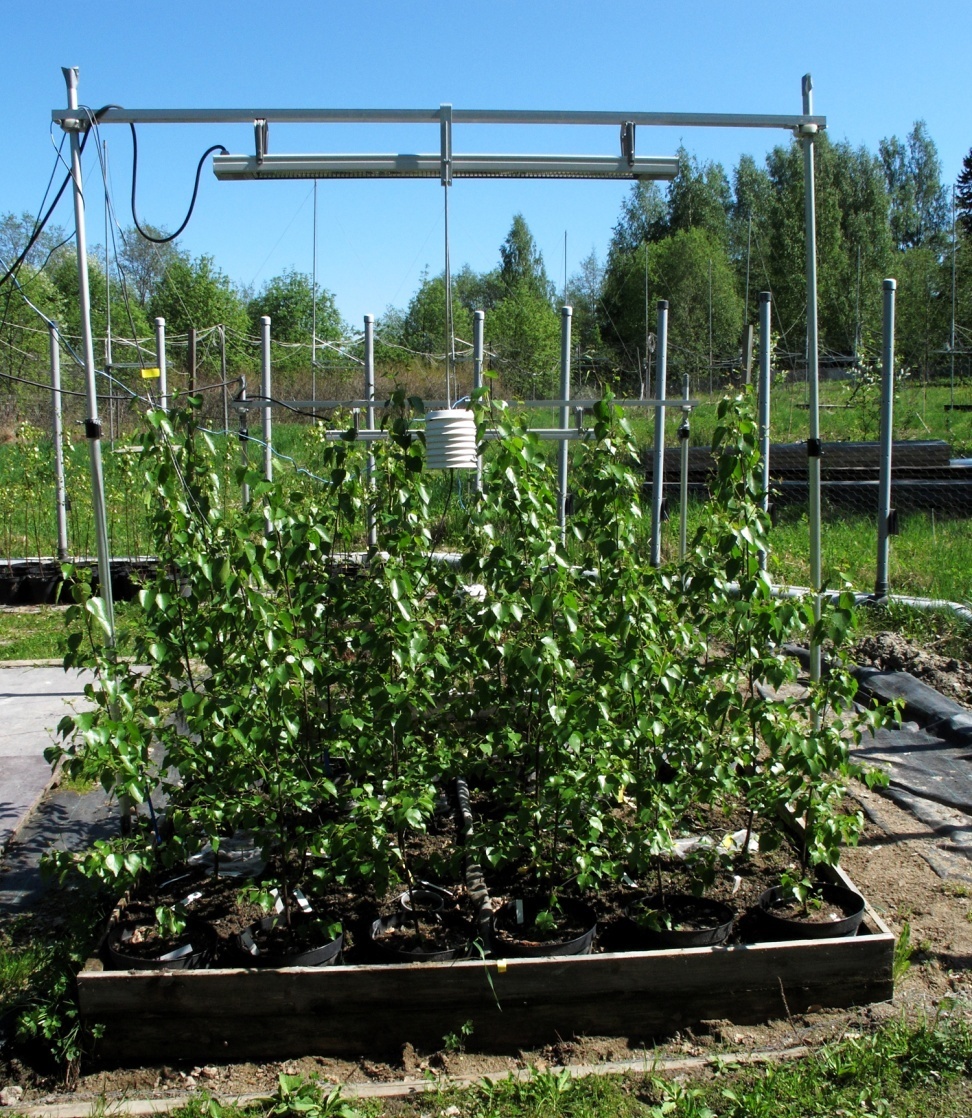
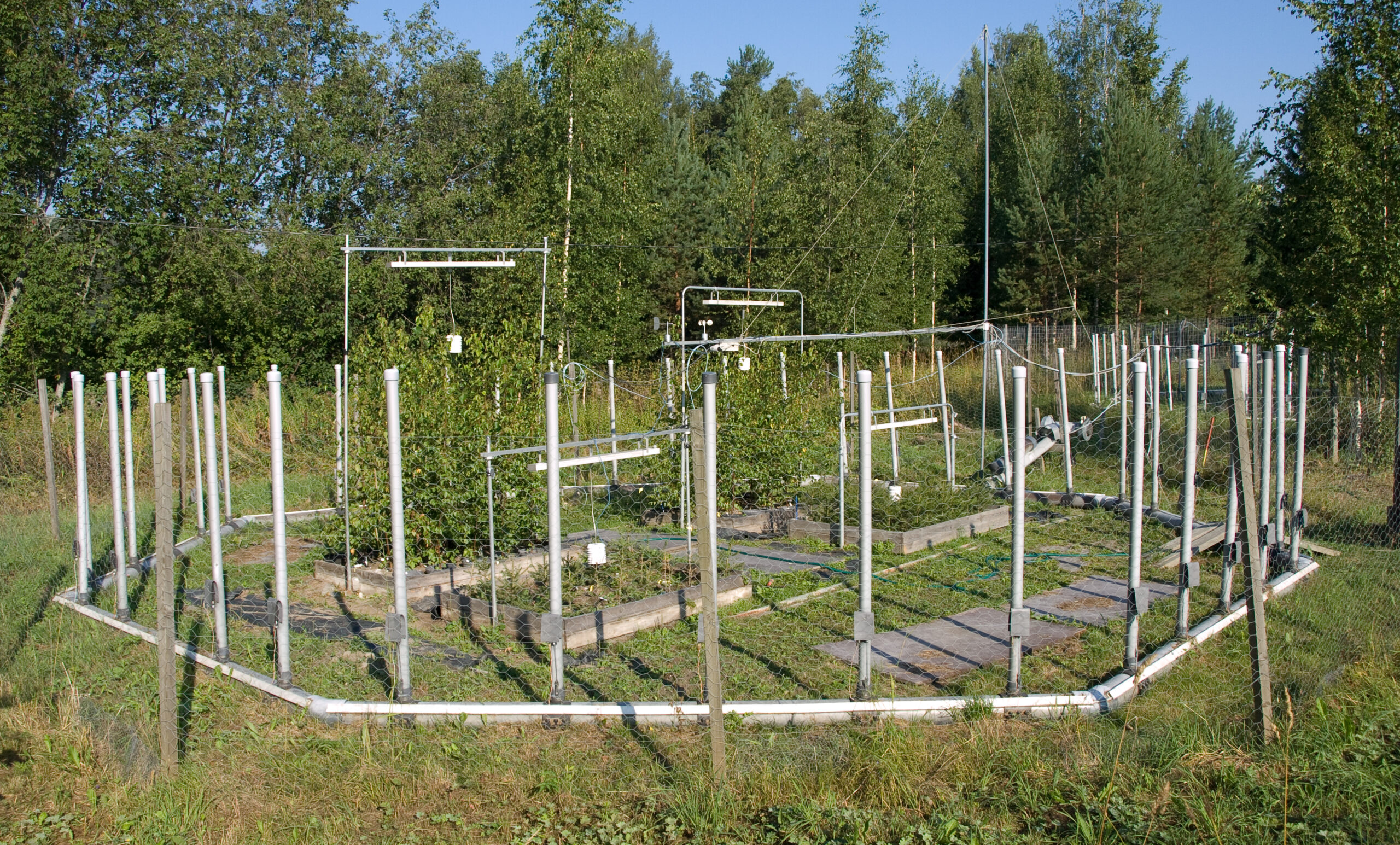
In warming experiments like mine, soil temperature also serves as the verification that the warming treatment is actually working as intended. Measuring the temperature differential between warmed and control plots at each session confirmed that the infrared heaters were maintaining the target temperature increase throughout the growing season.
For any research involving soil carbon dynamics, plant root activity, or microbial communities, soil temperature measurement is not optional. It is foundational.
Types of Soil Temperature Probes
Thermocouple probes are the most widely used type in environmental field research. They work by measuring the voltage difference between two dissimilar metal junctions, which changes predictably with temperature. Thermocouple probes are fast responding, accurate, and available in a wide range of lengths and diameters for different insertion depths. They connect to data loggers and handheld readout units and are the standard choice for research-grade continuous monitoring.
Thermistor probes use a semiconductor whose electrical resistance changes with temperature. They are typically more accurate than thermocouples at a given temperature range but have a narrower operating range. Thermistors are widely used in soil moisture and temperature sensor combinations and in many commercial data logger sensor packages.
Digital temperature probes with integrated circuits convert temperature directly to a digital signal. These are simpler to connect to microcontrollers and data loggers without additional signal conditioning. The DS18B20 type digital probe is widely used in low-cost field monitoring setups and open-source logger systems.
Integrated soil sensor arrays combine temperature and moisture measurement in a single probe. These are increasingly common in both research and agricultural monitoring applications and eliminate the need for separate temperature and moisture probes at each measurement point.
What I Used in My Field Experiment
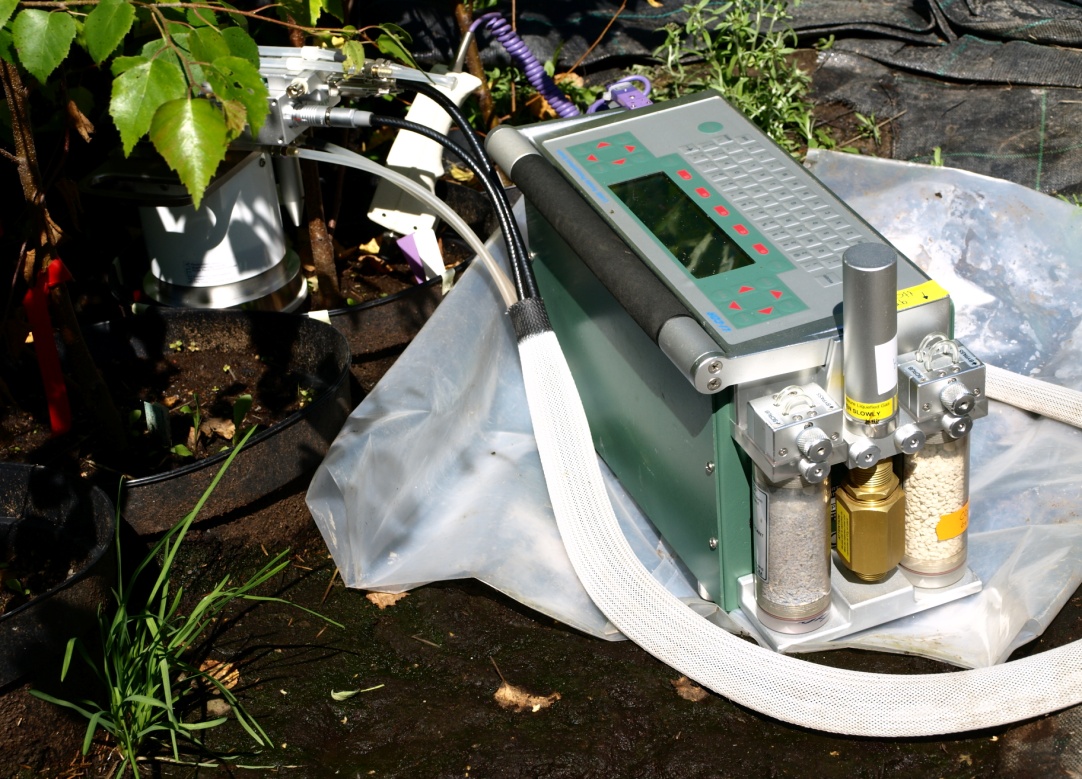
In my experiment I used thermocouple probes inserted to 2 cm depth alongside the LICOR soil respiration chamber collars. The 2 cm depth was chosen to capture the temperature of the upper soil layer where most microbial activity and fine root respiration occurs, which is the layer most directly relevant to the CO₂ efflux being measured at the surface.
One practical detail I learned quickly. Insertion depth must be consistent across all plots and all measurement dates. A probe inserted to 3 cm on one date and 1.5 cm on another gives you temperatures from different soil layers that are not directly comparable. Marking the probe at the correct insertion depth with a small piece of tape takes thirty seconds and eliminates this source of error entirely.
I also learned that probe placement relative to the chamber collar matters. Inserting the probe too close to the collar disturbs the soil around the measurement area. Too far away and you may not be capturing the temperature of the soil directly under the chamber. A consistent offset of around 5 to 10 cm from the collar edge worked well in my setup.
What to Look for When Buying
Measurement range. For most soil research in temperate and boreal environments, a range of minus 20°C to plus 80°C covers all realistic field conditions. Check that the probe you choose handles the temperature extremes of your specific site.
Accuracy and resolution. Research-grade probes typically offer accuracy of plus or minus 0.1 to 0.5°C. For most field research where you are detecting treatment differences of one degree or more, 0.5°C accuracy is sufficient. For precise thermal gradient studies, look for 0.1°C or better.
Probe length. The probe needs to reach your target measurement depth comfortably without the handle interfering with the chamber or other equipment. For 2 to 10 cm depth measurements a probe of 10 to 15 cm is practical. For deeper measurements in the 20 to 50 cm range you need a longer stem.
Waterproofing. Soil probes operate in wet conditions by definition. Look for probes with fully sealed housings and cable connections rated for continuous soil contact. A probe that fails after one wet measurement session is useless for a season-long study.
Data logger compatibility. If you are connecting to a continuous data logging system, check that the probe output signal matches your logger input requirements. Thermocouple type, thermistor resistance range, and digital protocol all need to match your logging hardware.
Handheld vs continuous monitoring. For periodic manual measurements like mine, a handheld readout unit with a thermocouple probe is fast and practical. For continuous automated monitoring, probes connected permanently to a data logger give you the temporal resolution that manual measurement cannot match.
Things Worth Knowing Before You Buy
Do I need a separate temperature probe or will an integrated sensor do?
If you are also monitoring soil moisture, an integrated temperature and moisture sensor kills two birds with one stone and reduces the number of cables and connection points in your setup. For research where temperature is the primary variable and you need maximum accuracy, a dedicated temperature probe gives better performance.
What depth should I measure at?
It depends on your research question. For surface soil respiration research, 2 to 5 cm captures the most biologically active layer. For root zone temperature in plant growth studies, 10 to 20 cm is more relevant. For deep soil carbon studies, 30 to 50 cm or deeper may be needed. In my experiment 2 cm matched the measurement context of the surface CO₂ flux I was recording.
How many probes do I need?
One per measurement location if you are doing manual periodic measurements. For continuous automated monitoring, one per subplot or treatment replicate gives you the spatial coverage to detect real treatment differences rather than point-to-point variation.
Can I leave probes in the soil permanently?
Yes, some probes are designed for permanent installation. Check that the probe and cable are rated for long-term soil contact and that the connector between cable and probe is fully sealed. Probes left in soil through freeze-thaw cycles need to be rated for that mechanical stress.
How do I calibrate a soil temperature probe?
The simplest field check is an ice water bath at 0°C and a boiling water reference at 100°C adjusted for altitude. For research-grade work, comparison against a certified reference thermometer at multiple temperatures gives a full calibration curve. I checked my probes against each other at the start of each field season to verify they were reading consistently across all plots.