



Tree Growth Rate Calculator
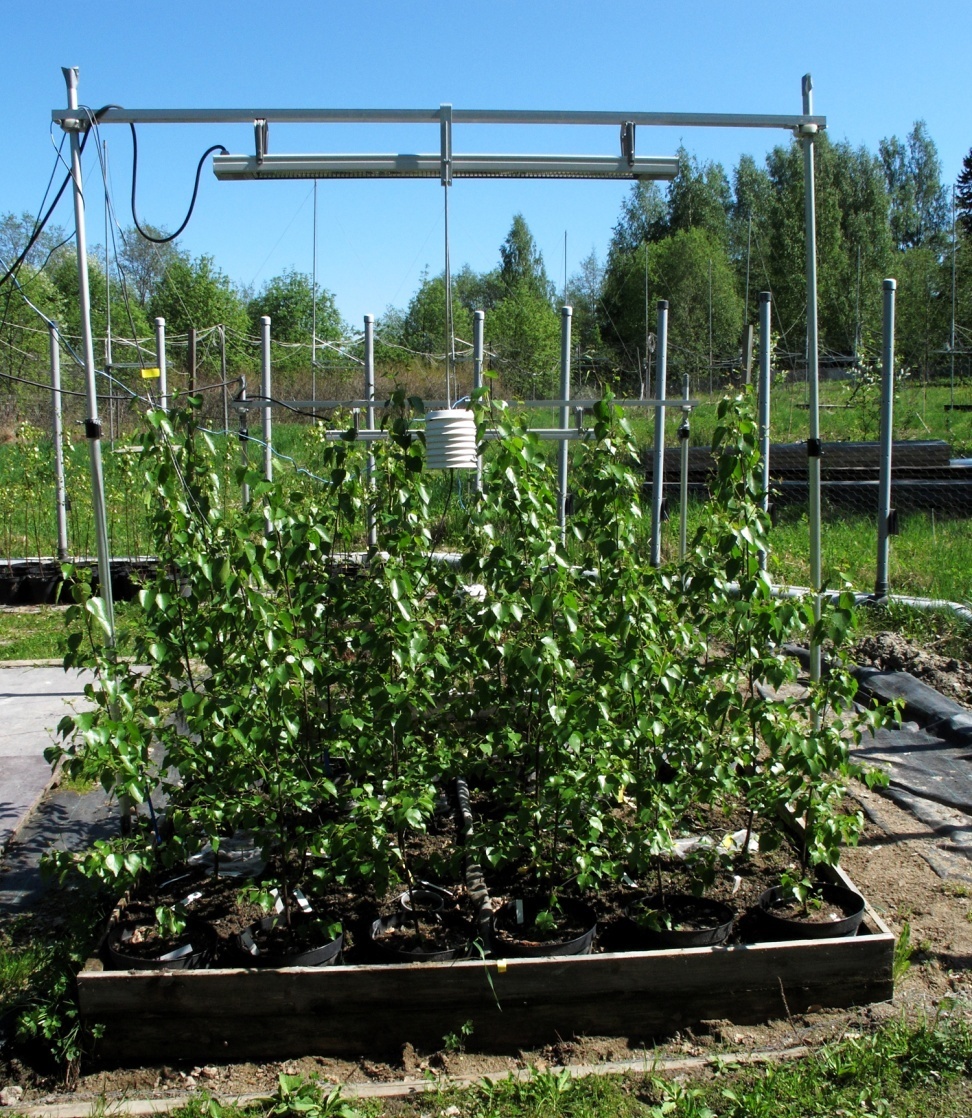
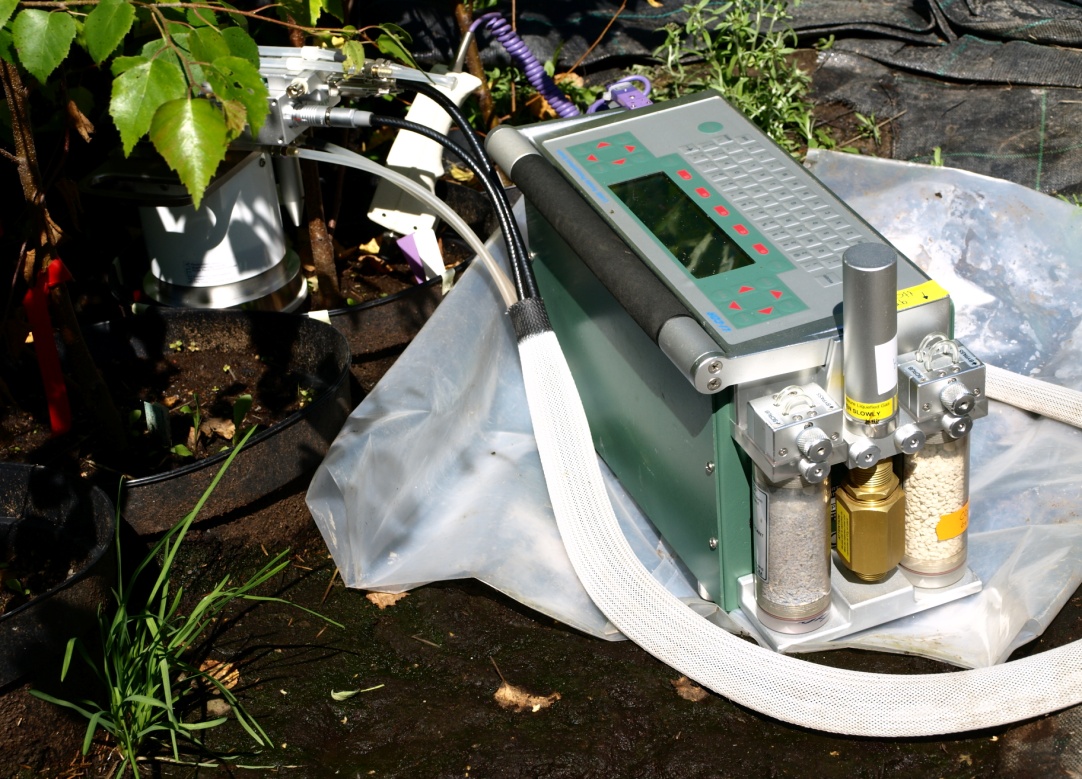
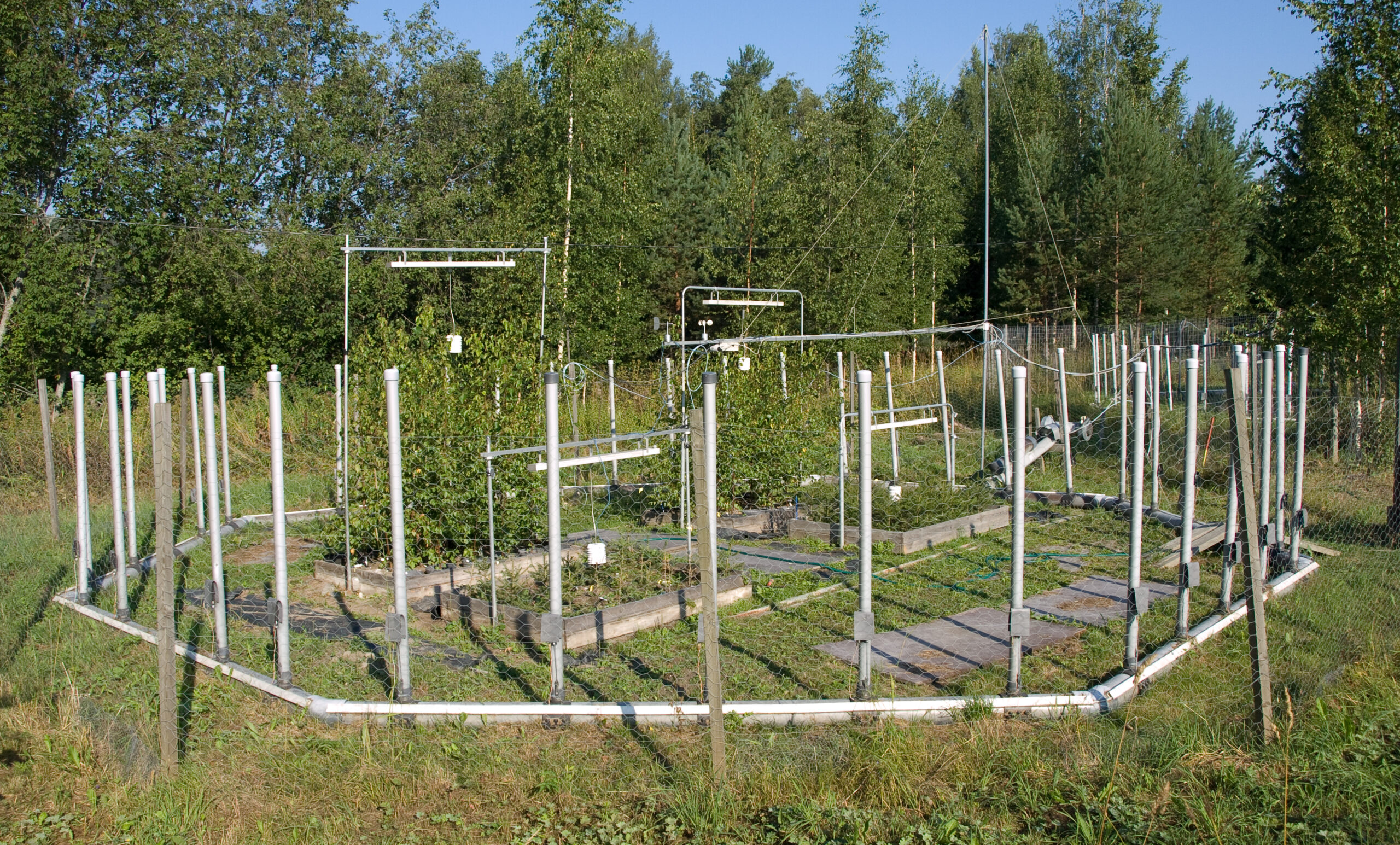
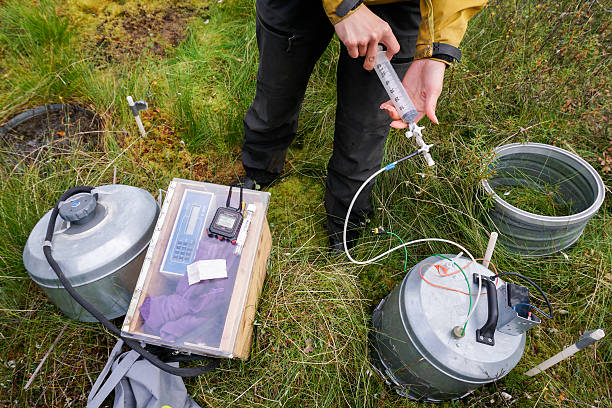
This tool was built by Serge (MSc) using established science and government sources. My academic background covers Biogeochemistry, Forest Science, Environmental Biology, and Plant Biology, and my field research directly measured soil carbon and tree growth in open-air experiments. My tools are for educational purposes and give practical guidance, not professional advice.
A young tree grows too slowly to see day to day, so the way to know it is establishing is to measure its trunk and compare over time. This tool takes two trunk measurements from different dates and works out the growth rate between them. It shows you the change clearly, so slow progress becomes a number you can read.
How This Works
The tool subtracts your first measurement from the later one to find the growth, then divides by the number of months to give a rate per month, and scales it to a year. As long as you measure the same way at the same marked spot on the trunk each time, whether you use diameter or girth, the change is what matters. Consistent measurement is what makes the growth rate meaningful.
Understanding Your Result
The result shows the total growth between your two readings and the rate per year. A positive, steady rate means the tree is putting on trunk and establishing well, even if its height has not changed much. If the rate is very small or zero, and your notes show a dry spell or dieback, that is a sign to look at watering and conditions. The trend over several readings tells you more than any single figure.
Important Limitations
This is a measurement tool, not a diagnosis. It reports the growth you measured, but the accuracy depends entirely on measuring the same way, at the same marked height, each time. Trees also grow in seasonal bursts, so a rate measured over part of a year will not match a full year evenly. For a fair yearly rate, measure across a full year or at the same point in the season each time. A negative result usually means a measuring difference, not that the trunk shrank, so re-measure to check.
Scientific Basis
Tracking trunk diameter over time is a standard way foresters monitor tree growth. The United States Department of Agriculture Forest Service uses diameter measurement as a core method in its forest monitoring. See the official source below.
- USDA Forest Service, Forest Inventory and Analysis (diameter measurement in tree monitoring)
Related Reading
For a full three-year record with a how-to-measure guide, a growth summary, and a photo log, see my Tree Establishment Tracker and my tree articles.
This calculator is for general educational use. It reports the growth you measured, and its accuracy depends on consistent measurement. It is not a substitute for professional tree assessment.