




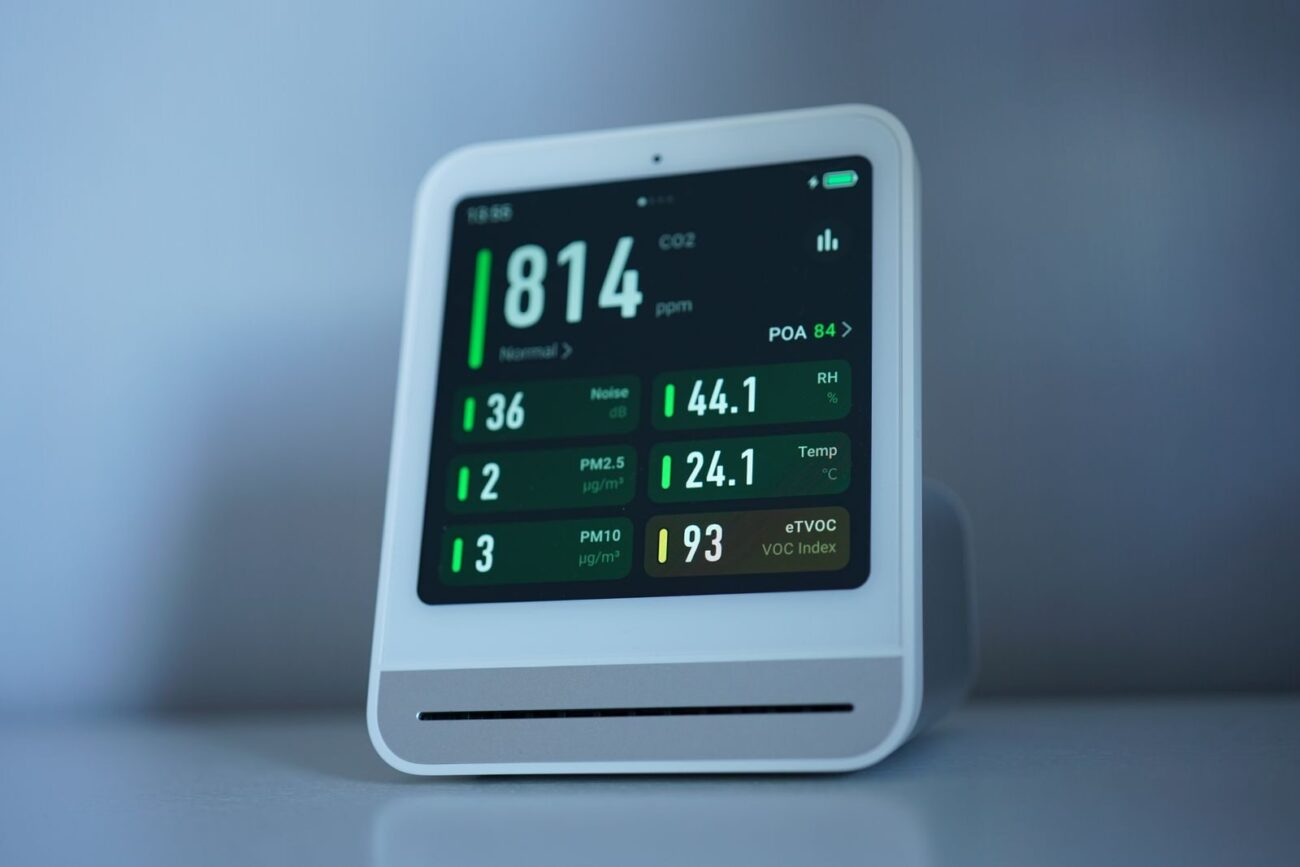
Your air quality monitor reads 8.
Clean air, or a number that means nothing?
The answer is that you cannot tell from the number alone, and understanding why is the difference between a monitor that helps you and one that quietly misleads you.
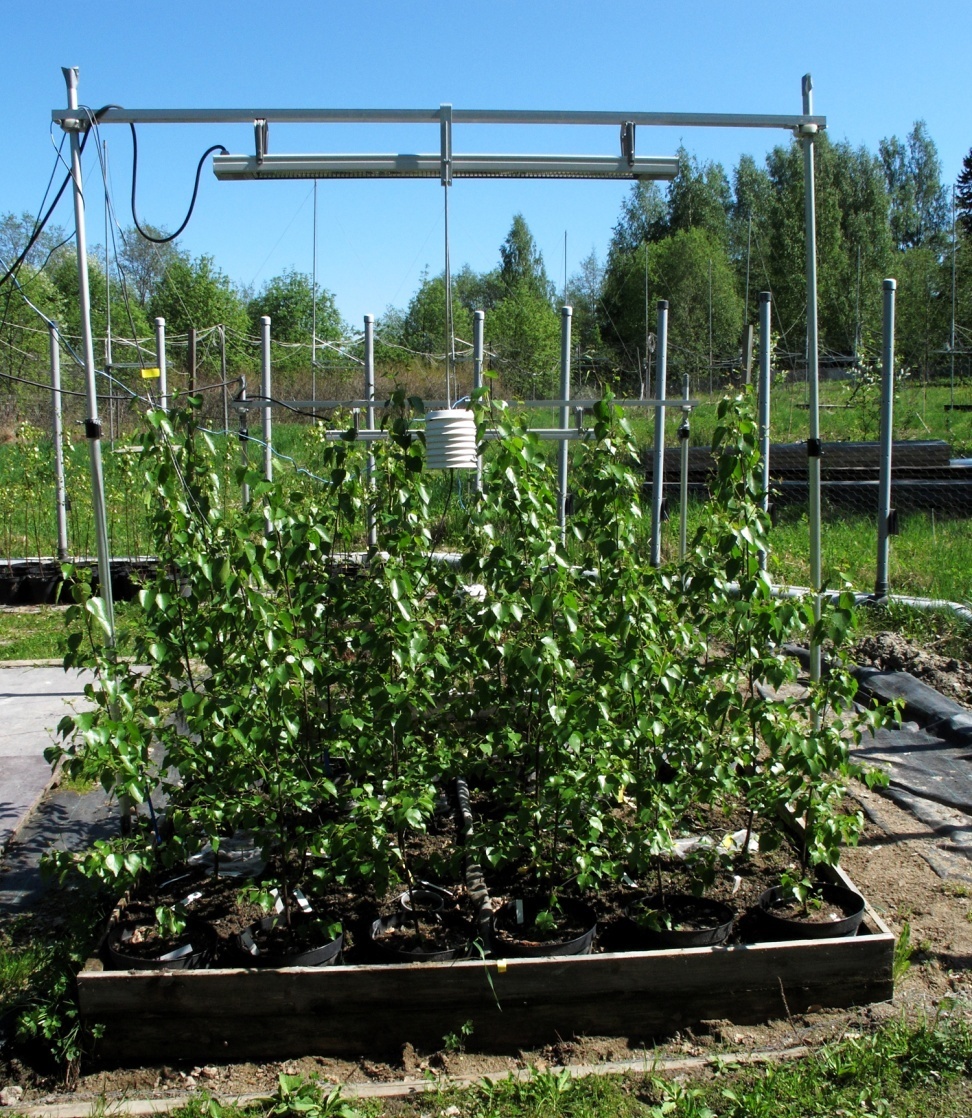
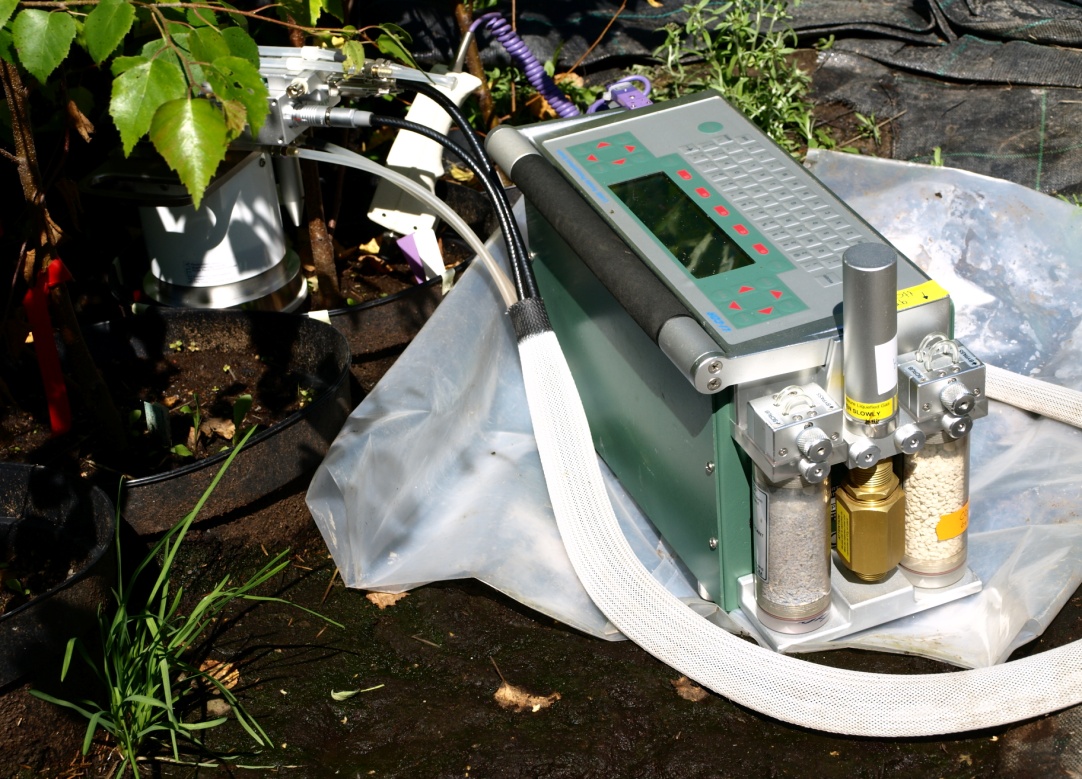
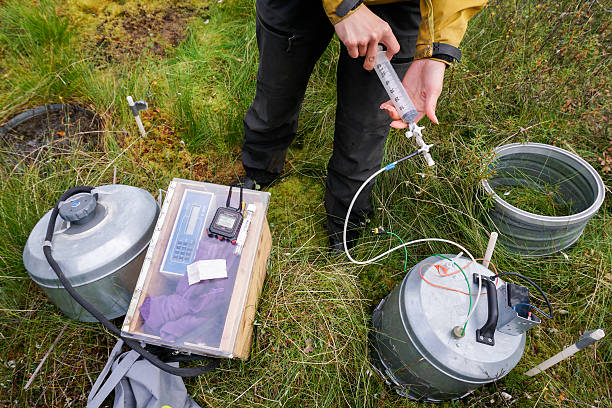
I spent a season running reference-grade gas analysers in the field, measuring ozone and CO₂ continuously, and I trained in the quality control of environmental measurements.
So when I look at a twenty-pound air monitor on a shelf, the first thing I want to know is not how precise it claims to be. It is what the device is actually doing to produce that number. With a cheap particulate monitor, the answer surprises most people.
A Cheap Monitor Does Not Weigh Anything
Particulate matter is measured by mass. PM2.5 means the mass of particles smaller than 2.5 microns, in a volume of air, reported as micrograms per cubic metre. The proper way to measure it is to pull air through a filter, trap the particles, and weigh them.
A cheap monitor does none of that. It has no filter and no scales.
Instead it shines a small laser through the air and watches the light scatter off particles as they drift past a detector. More particles, more scattering. From the amount of scattered light, the device estimates how much particle mass must be present.
That word estimates is the whole point. The monitor measures light and converts it to a mass number using a built-in formula. It never touches the particles. It infers them.
This is called an optical sensor, and nearly every affordable air monitor uses one. It is a clever, cheap way to get a rough reading. It is also where all the trouble starts, because the conversion from light to mass depends on assumptions that are not always true.

Why the Estimate Drifts
The formula inside the monitor assumes the particles are a certain size, a certain shape, and a certain kind. Real air does not always cooperate.
Change the type of particle and the same formula gives a different answer. Woodsmoke, road dust, sea salt and cooking particles all scatter light differently, so a monitor tuned for one reads the others wrong. The device cannot tell them apart. It only sees scattered light and applies its one formula.
Humidity is the bigger problem, and this one catches people out. When the air is damp, particles absorb water and swell, and there are tiny water droplets in the air as well. All of that scatters light. The monitor counts the extra scattering as extra particle mass, so on a humid day it reads high, showing pollution that is partly just water. Researchers correcting low-cost sensors spend much of their effort on exactly this humidity error.
So the number on the screen moves with the weather and the kind of particle in the air, not only with how dirty the air truly is. The display stays confident to the decimal place. The reading underneath it is softer than it looks.
The Sizes It Cannot See Well
There is one more limit worth knowing before you buy, because it decides what a monitor is good for.
Cheap monitors are best at the small and middle sizes, and poor at the larger ones. Accuracy drops as particles get bigger. Readings that are decent for the finest particles lose reliability moving up toward PM10, the coarser dust fraction.
In one field study, the coarse fraction between PM2.5 and PM10 came out of the low-cost sensors nearly flat and almost unrelated to what a reference machine measured at the same place and time. The reference monitor saw real coarse dust. The cheap sensors barely registered it.
The lesson is simple. If you want a rough sense of fine particle levels, from smoke or general haze, a cheap optical monitor can do that. If you care about coarse dust, the kind from sanding, sweeping, or farm work, a cheap monitor is close to blind to it, whatever number it shows.

What the Professionals Use, and Why It Matters to You
It helps to know what a cheap monitor is being compared against.
Government air quality networks do not use optical estimates for their official numbers. The US Environmental Protection Agency sets reference methods for PM2.5 and PM10 that are based on trapping and weighing particles, or on tightly controlled equivalents, because those actually measure mass. The EPA also runs a programme testing low-cost sensors against those reference methods, which exists precisely because cheap sensors and proper instruments do not automatically agree.
You are not going to buy a reference instrument. They cost thousands and need maintenance. The point is not to make you distrust your monitor. It is to read it for what it is: a useful indicator of trends, not a precise measurement you can quote to the decimal.
That framing changes how you use one. A cheap monitor is good at showing change. It went up when I lit the stove, it came down when I opened the window. It is poor at telling you a true absolute number you could compare against a health limit. Use it to watch direction, not to read a verdict.
What to Look For, in Order
- A monitor that reports PM2.5 clearly. This is the size these sensors handle best. Treat any coarse-dust or PM10 figure it gives as rough at most.
- Some form of humidity handling. Better monitors correct for humidity, or at least report it so you can allow for a high reading on a damp day.
- A named, known sensor module inside. The well-tested modules behave more predictably than an unnamed part in a cheap shell.
- The ability to see trends over time, a graph or a log, not just a single live number. Trends are what these devices are good for.
- Accuracy claims, last. A device that shows the raw pattern honestly is more use than one promising a precision its physics cannot deliver.
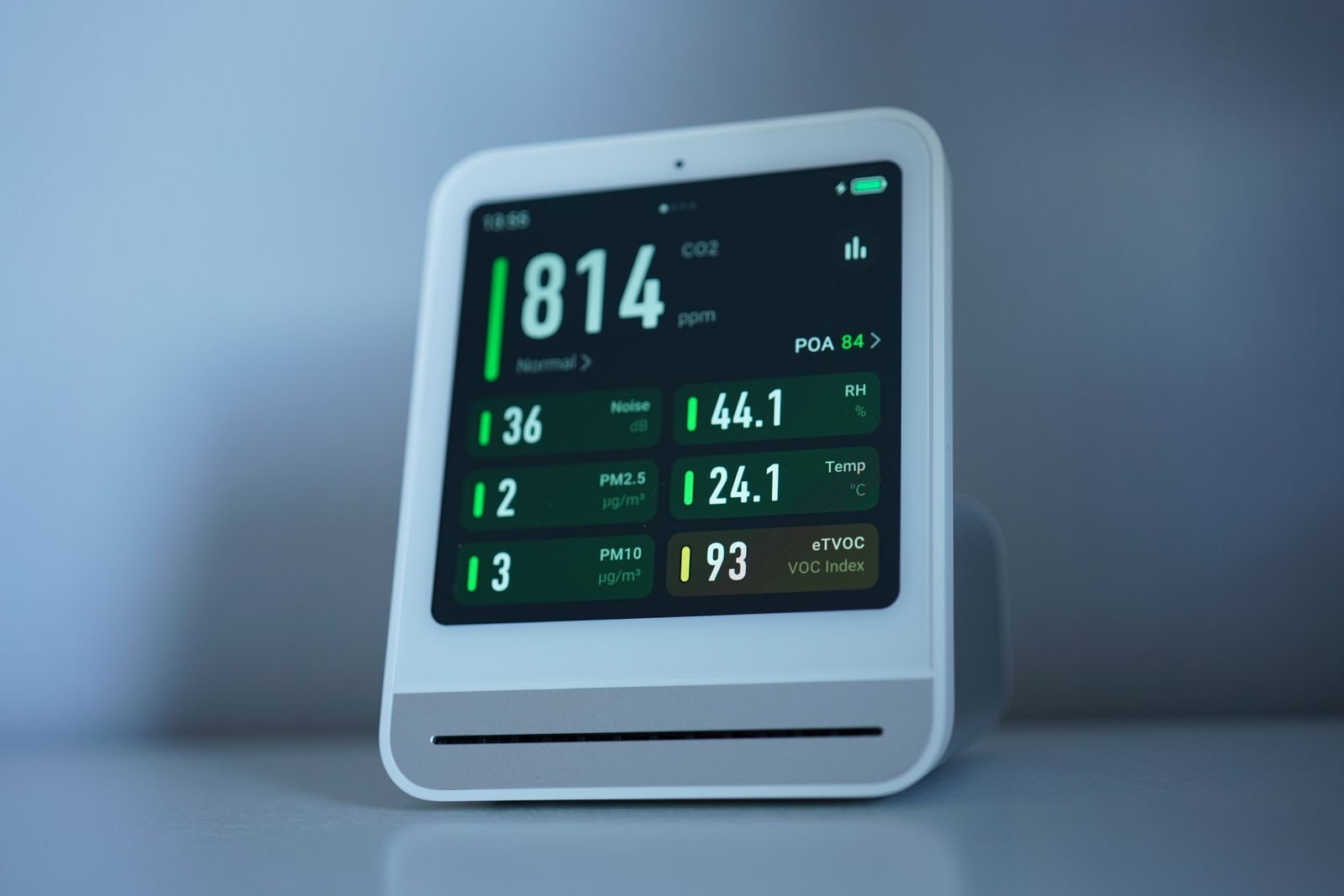
If you want one for watching how your air changes over time, choose a monitor that reports PM2.5 clearly and keeps a history you can look back on. The indoor air monitor below reports PM2.5 and stores its readings, so you can see the trend rather than just a single live number.
Check an Indoor PM2.5 Air Monitor on Amazon →
What to Remember
A cheap particulate monitor does not weigh particles. It shines a laser, reads scattered light, and estimates mass with a fixed formula. That estimate drifts with humidity and with the type of particle, and it goes blind to coarse dust.
None of that makes these monitors useless. It makes them trend indicators rather than precise instruments. Watch which way the number moves, not the exact figure. Allow for damp air. And treat the coarse-dust reading with suspicion.
Bought and read that way, a cheap monitor tells you something worth knowing. Read as a precise measurement, it tells you a story that is partly true and partly light.
Frequently Asked Questions
How does a cheap air quality monitor measure PM2.5?
It does not measure mass directly. It shines a laser through the air, detects the light scattered by passing particles, and estimates particle mass from that scattered light using a built-in formula. Proper reference instruments trap particles on a filter and weigh them.
Why does my air monitor read higher on humid days?
Damp air makes particles swell and adds tiny water droplets, and both scatter light. The monitor counts that extra scattering as extra particle mass, so it reads high in humid conditions even when the air is not dirtier. Some monitors correct for this; many do not.
Are cheap PM2.5 monitors accurate?
For fine particles and for showing trends, they are reasonably good. For exact absolute numbers, coarse dust, or humid conditions, they are much less reliable. Use them to watch how air changes, not to read a precise figure you would compare against a health limit.
Can a cheap monitor measure PM10 or coarse dust?
Poorly. Accuracy drops as particle size rises, and studies show low-cost sensors barely register the coarse fraction between PM2.5 and PM10 even when it is clearly present. If coarse dust is your concern, a cheap optical monitor is close to blind to it.
What is the difference between a cheap monitor and a reference instrument?
A reference instrument measures particle mass by trapping and weighing, or a tightly controlled equivalent, and is what regulators use for official numbers. A cheap monitor estimates mass from scattered light. The reference instrument costs thousands; the cheap one costs tens, and trades accuracy for price and convenience.
So is a cheap air monitor worth buying?
Yes, if you use it correctly. It is a good way to see when air changes and which way it is moving. It is not a precise measurement. Treat the trend as the useful part and the exact number as rough.