




Why do the plants closest to the road always struggle the most?
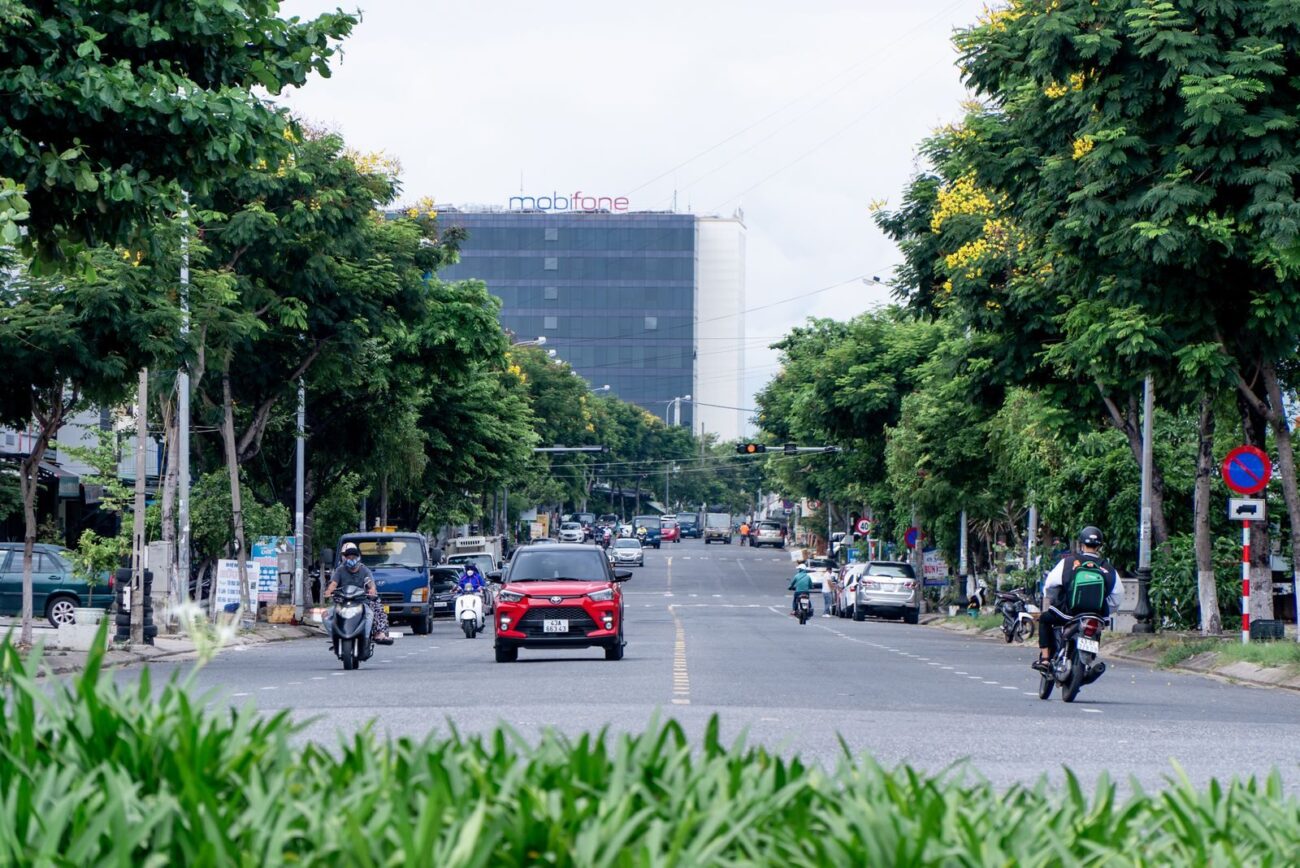
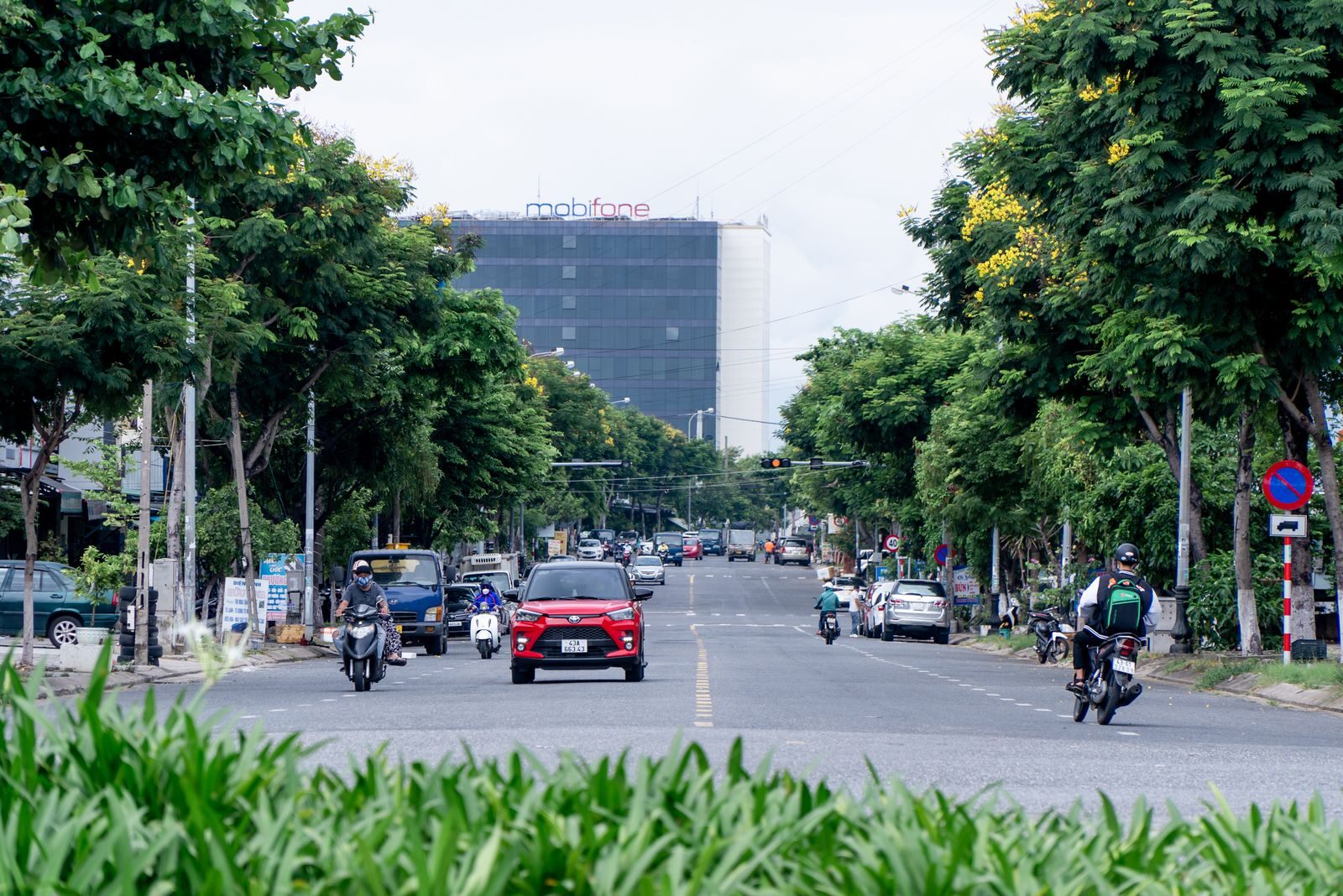
If you live near busy traffic, you have probably noticed it. The plants by the road look dull, grimy, slow. The ones tucked at the back do better. A friend’s garden a few streets away grows the same plants with none of the trouble. Is it the road? And if it is, can you do anything about it?
You can, and I can help you work it out. My postgraduate training included the health effects of particulate air pollution and how pollutants damage plant tissue, so let me tell you plainly what traffic does to a garden, and what actually protects it.
Yes, Traffic Really Does Affect Plants!
First, you are not imagining it. Plants growing beside busy roads sit in a genuine cocktail of pollutants all day, and they show it.
Vehicles put out nitrogen oxides, fine particulates, soot, and traces of metals and hydrocarbons. Right beside the road, the amounts are far higher than a few hundred metres away. Your roadside plants breathe that air from morning to night.
And the effects are measured, not guessed. A review of vehicle pollution on roadside plants describes how particulates settle on leaves and block the stomata, the tiny pores a leaf breathes through, which stops the plant taking in carbon dioxide and photosynthesising properly. Put simply, a leaf coated in road grime cannot breathe or feed itself, so the plant grows slowly and looks tired.
So your instinct is sound. The road is a real suspect. Here is how to check whether it is truly what is troubling your garden.
Is It Really the Road? How to Tell
Before you blame the traffic, rule the ordinary things in or out, because roadside gardens often have several problems at once.
Points to the road:
The plants nearest the road struggle most, and it eases as you move back.
Leaves are visibly grimy, dull or sooty, and wipe clean to reveal healthier green underneath.
The side of a plant or hedge facing the road looks worse than the sheltered side.
Growth is generally slow and weak, rather than showing one specific disease.
Points to something else:
The whole garden struggles evenly, road side and back alike, which points to soil, water or light.
Clear disease signs like defined spots, mould, or wilting, which are their own problems.
Only one type of plant is affected, which suggests a pest or disease specific to it.
The grime test is your simplest check. If leaves near the road are visibly coated and wipe clean, pollution is part of the picture.
What You Can Do
You cannot clean the air over your whole street. But you can cut how much reaches your plants and how much settles on them, and you have more power here than you might think.
– Plant a barrier hedge along the road side.
This is the big one. A dense evergreen hedge between the road and your garden works as a filter, catching particulates on its leaves and slowing the polluted air before it reaches the rest of your plants.
– Let the hedge take the hit.
The barrier soaks up the worst so the plants behind it are protected. Choose tough evergreens with textured or hairy leaves, which catch particulates best, and accept that the hedge itself will get grimy doing its job.
– Keep your sensitive and edible plants away from the road.
Put vegetables, herbs and prized plants at the far end, behind the barrier. Keep the tough, ornamental, non-edible planting nearest the traffic.
– Rinse edible leaves well.
If you grow vegetables near a road, wash them thoroughly before eating to remove settled particulates. Better still, grow leafy edibles furthest from the traffic.
– Hose down grimy foliage.
For valued plants near the road, a gentle rinse of the leaves now and then clears the coating so they can breathe and photosynthesise again. Simple, and it works.
– Feed the soil while you are at it.
Roadside soil is often compacted and salt-affected. Adding organic matter helps plants cope, because a healthy, well-fed plant handles pollution far better than a stressed one.
What My Training Taught Me About This
Part of my postgraduate work dealt with the health effects of particulate air pollution, the fine soot and dust traffic throws out, and I also studied how air pollutants damage plant cells directly. Two things stayed with me, and both are worth passing on.
First, the damage from traffic is mostly invisible and gradual.
There is rarely a scorched, obviously ruined leaf. Instead the plant just quietly underperforms, coated and stressed, doing a little less than it should. That is why people live beside it for years without ever connecting their tired garden to the road.
Second, plants are not only victims here, they are part of the fix.
The same leaves that get coated in grime are pulling particulates out of the air, which is why a barrier hedge protects your lungs and your neighbours’ as well as your garden. When I look at a roadside hedge now, I do not see a boundary. I see a filter working for free.
So if you live by a busy road, do not give up on your garden. Put a tough green barrier between the traffic and the things you care about, keep your edibles back and rinsed, and feed your soil. Work with the plants, and they work for you.
Frequently Asked Questions
Can traffic pollution really harm my garden plants?
Yes. Plants beside busy roads take in nitrogen oxides and get coated in particulates that block the pores they breathe through, which slows growth and dulls the leaves. The effect is strongest closest to the road and eases with distance.
How do I know if it is pollution and not something else?
Look at the pattern. If plants nearest the road struggle most and improve further back, and leaves are grimy and wipe clean to healthier green, pollution is likely involved. If the whole garden struggles evenly, the cause is more likely soil, water or light.
Is it safe to grow vegetables near a busy road?
You can, but grow them as far from the road as possible and wash them thoroughly before eating to remove settled particulates. Keep tough ornamental planting nearest the traffic and your edibles behind a barrier.
What plants are best next to a road?
Tough evergreens with dense, textured or hairy leaves work best, because they catch particulates well and shrug off the stress. Use them as a barrier hedge to protect the more sensitive plants behind them.
Does a hedge really reduce pollution?
Yes. A dense hedge between the road and your garden catches particulates on its leaves and slows the polluted air, lowering how much reaches the plants and people behind it. Density matters, so a thick evergreen barrier works far better than a thin open one.
Should I wash my plants’ leaves?
For valued plants near a road, an occasional gentle rinse clears the grime so the leaves can breathe and photosynthesise properly again. It is a simple, effective thing for plants coated in road dust.
Does road salt in winter affect my garden too?
It can. Salt spray and run-off from winter road treatment stress roadside plants and build up in the soil. Adding organic matter helps, and choosing salt-tolerant plants for the road edge reduces the damage.