


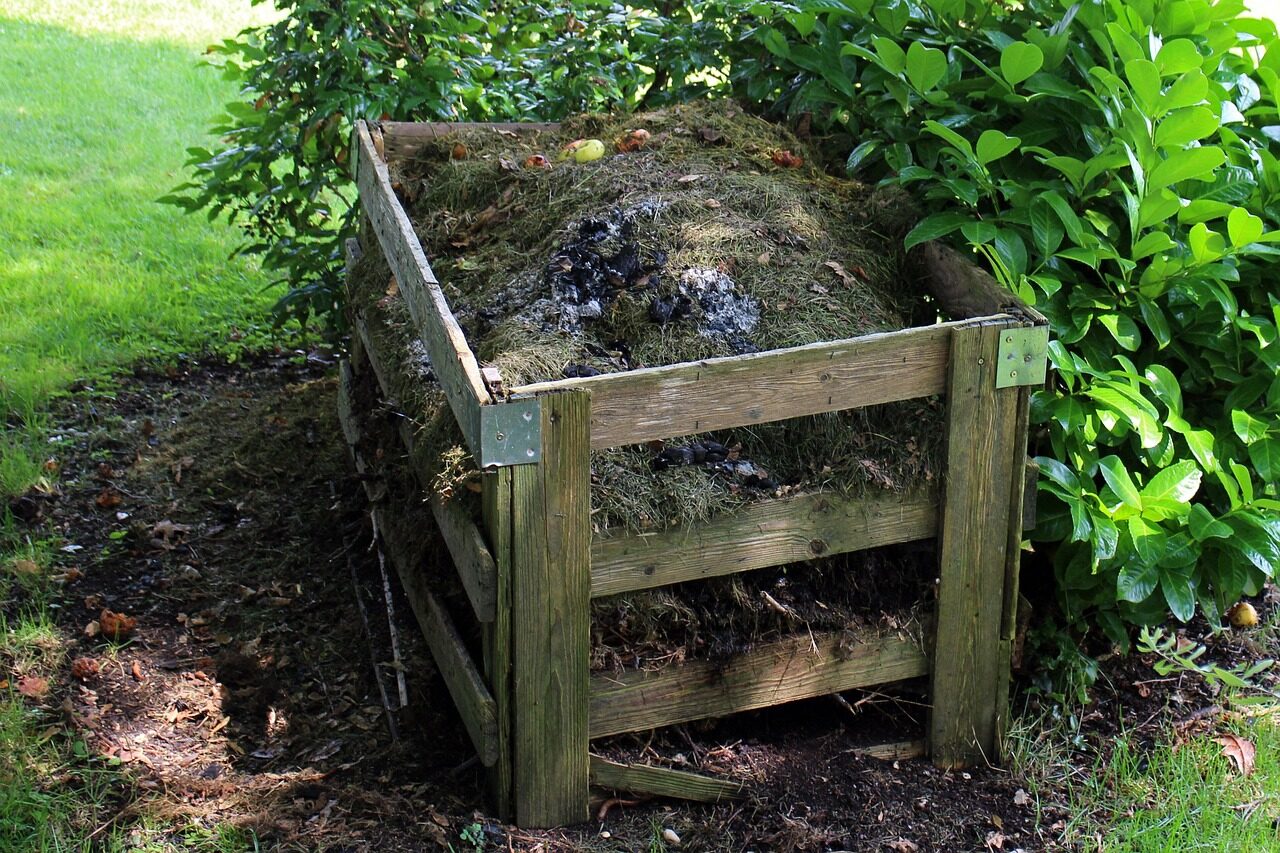
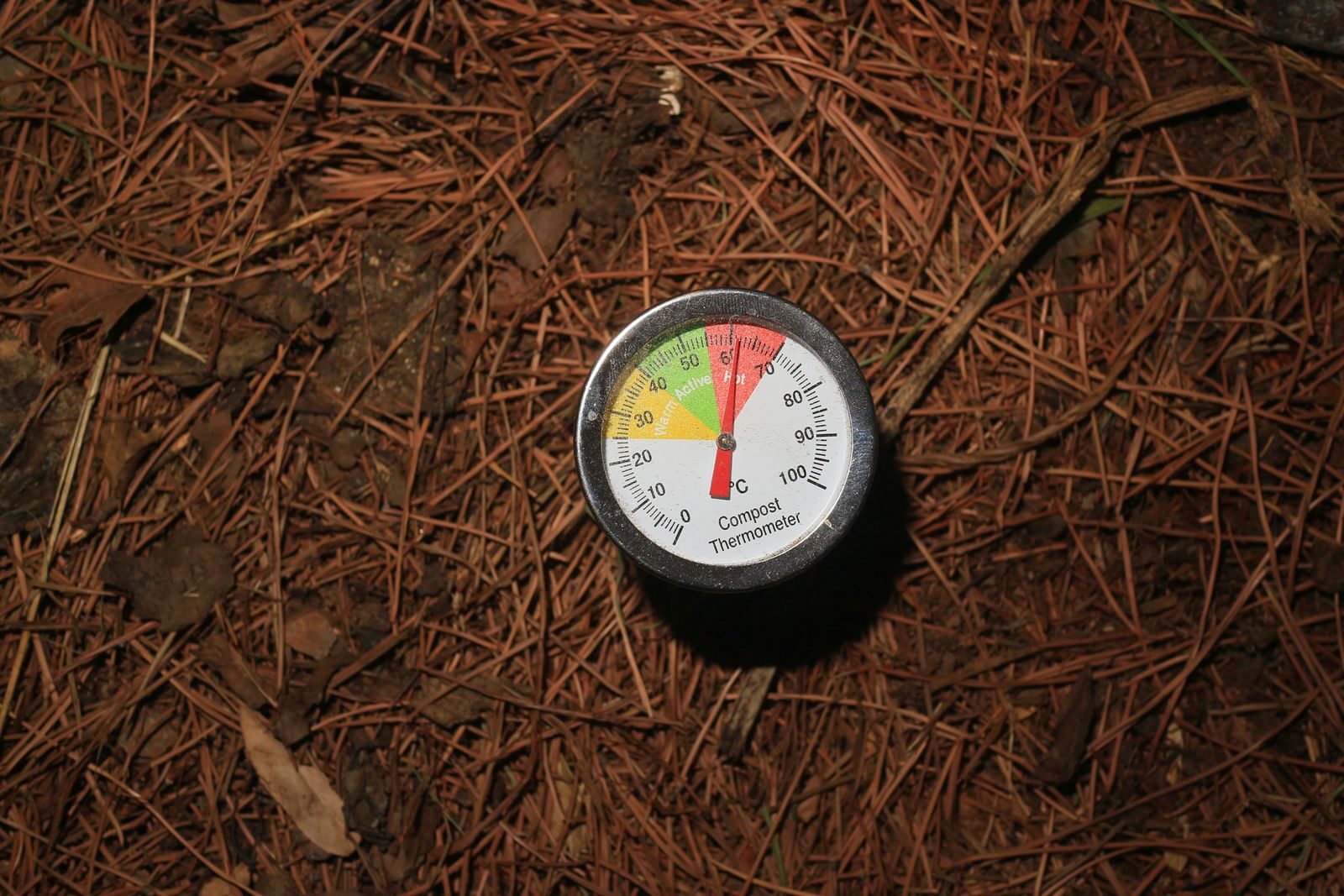
Your compost thermometer reads 68°C
Good news or bad?
Most people would say good. A hot heap is a working heap. That answer is wrong. Knowing why tells you which thermometer to buy, and what to ignore on the box.
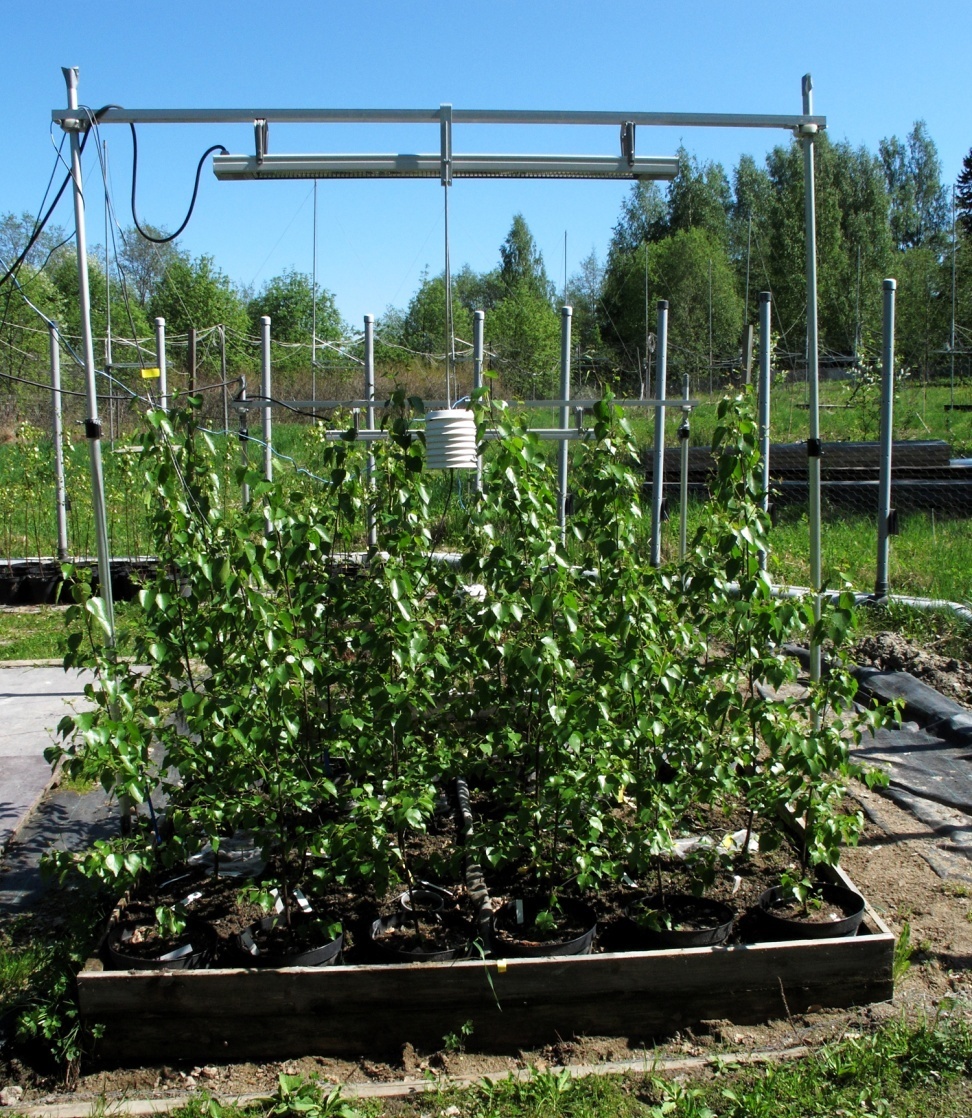
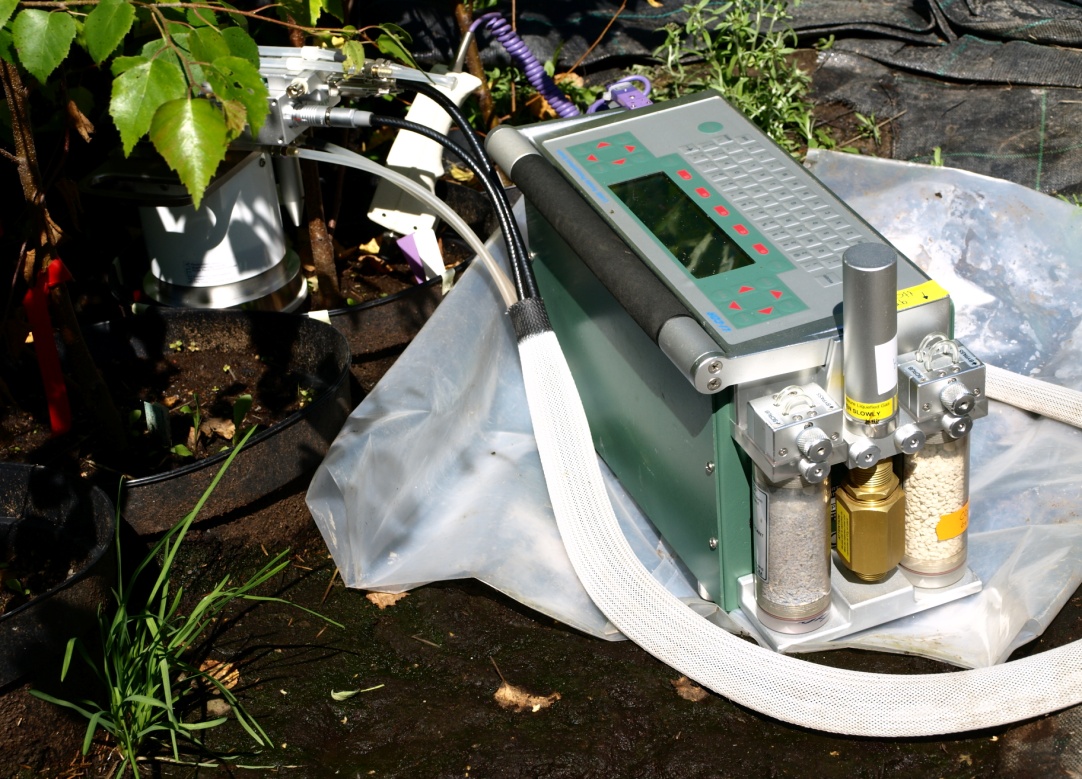
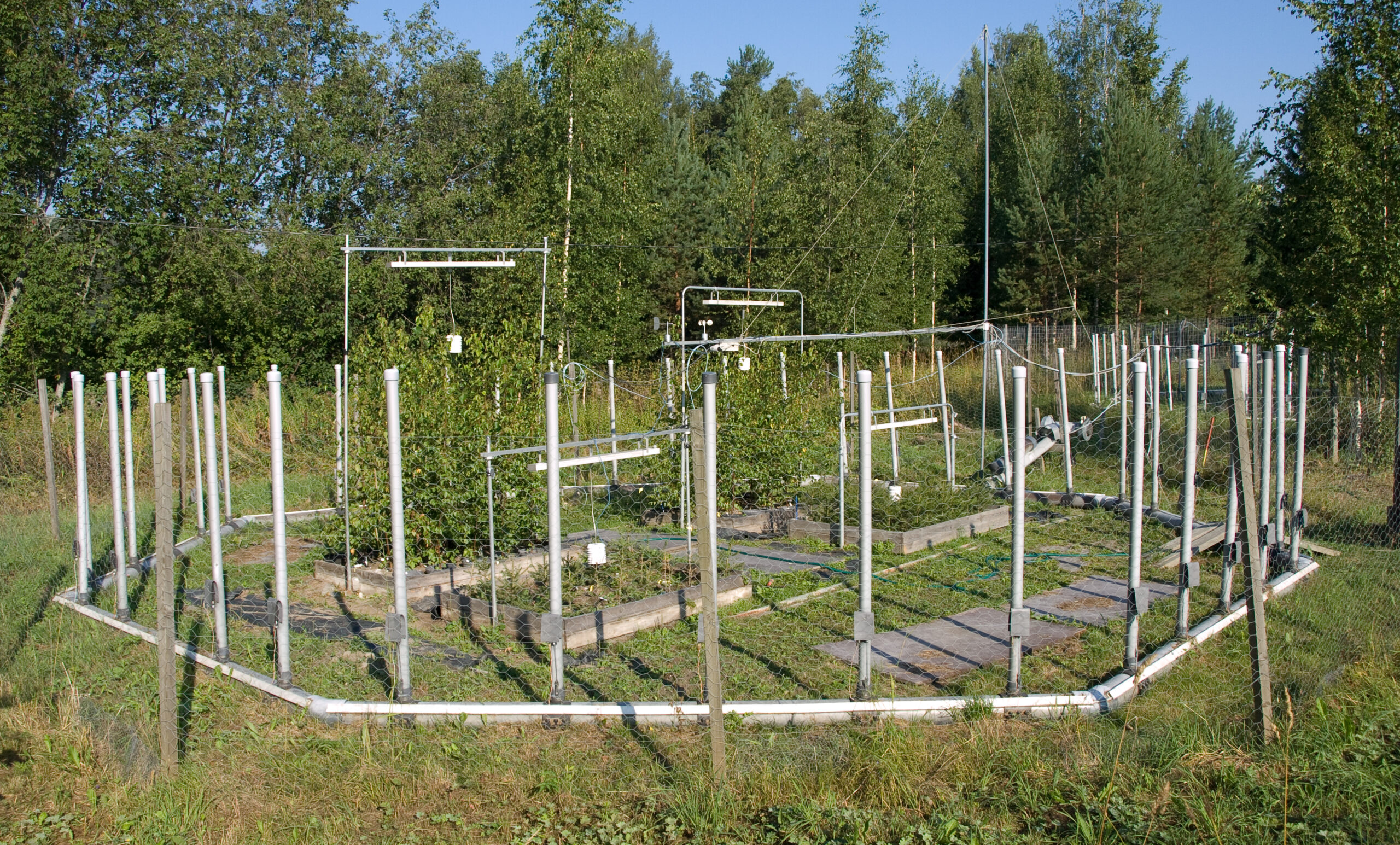
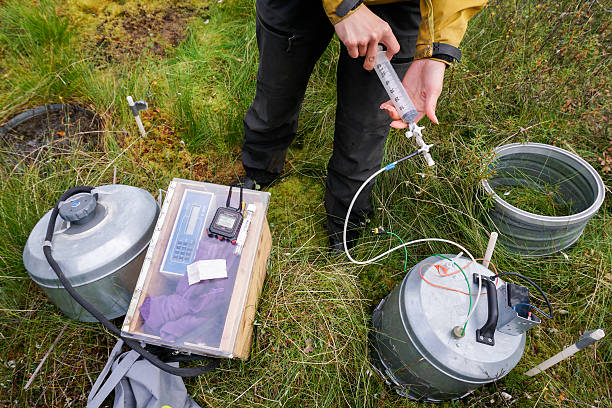
My background is plants and measurement. For a full growing season I logged soil temperature continuously, plot by plot, and took soil CO₂ readings with a chamber every month. I also studied quality control of chemical and environmental measurements. It teaches you to check a reading is right before you trust it.
Most compost thermometer guides skip that check. They compare products. They do not ask whether the number a product gives you means anything.
What a Compost Thermometer Measures
A compost thermometer is a long metal spike with a dial or a screen on top. You push it into the heap. It shows the temperature at the tip.
That is worth saying twice. It shows the temperature at the tip. Not the temperature of the heap.
A heap is not one temperature. The middle is hot. The outside is close to air temperature. So the number you get depends on where the tip ended up.
The heat comes from microbes. As they break down the material they give off heat, the same as your body does when it burns food. Pack enough material together and the heat builds faster than it escapes. The middle gets hot.
Different microbes work at different temperatures. The first ones work in the cool range and get things started. Once the heap passes about 40°C, heat-loving microbes take over. These are called thermophilic microbes, and they do the hot work.
Why 55 and 65 Are the Numbers to Know
Two numbers set the range you want. They sit closer together than most people think.
The low one is 55°C. That is where weed seeds and disease organisms stop surviving. The US Environmental Protection Agency sets 131°F, which is 55°C, as the level a pile has to hold to count as treated. How long it has to hold depends on the method used.
That number came from an odd place. It was written for treating sewage sludge, which carries far more disease than anything in a garden bin. So a gardener is aiming at a target set for much dirtier material. That makes 55°C a safe target rather than a bare minimum. It is still worth reaching. Weed seeds need it, and so does anything diseased or anything with manure in it.
The high one is 65°C. A 2025 study in Environmental Sciences Europe found that above 65°C most bacteria stop working. Their metabolism is disrupted, and the heap stops making its own heat. The same study puts the best temperature for heat-loving composting microbes at about 55°C, with a good range of 45 to 60°C.
Put the two together. The microbes making the heat are killed by their own heat. A heap at 70°C is not working harder than one at 60°C. It is slowing down.
So the range you want is about 55 to 65°C. Ten degrees.
I think that second number gets far too little attention in gardening advice. Most articles treat a higher reading as a better result. It is not. Once you are inside the range, extra heat is a problem to fix, not a sign of success.
Why Accuracy Is Not Worth Paying For
Now look at what the makers advertise.
They compete on accuracy. Plus or minus one degree. Plus or minus two degrees. Ask what that difference changes.
You only have three things you can do. Below 55°C, add green material, add water, or make the heap bigger. Between 55 and 65°C, leave it alone. Above 65°C, turn it or open it up to let heat out.
A two degree error will not move you from one of those to another. The only exception is if you are sitting right on 55 or 65. And if you are, you should take another reading anyway.
So accuracy is fine. It is just close to useless as a reason to pick one thermometer over another.
What does change your answer is whether the tip reached the part of the heap you meant to measure.
Probe Length Is What to Check First
A heap has a hot middle and a cool outer layer. The outer 15 to 20 centimetres stays close to air temperature. It never gets hot. That is why turning a heap exists. Turning moves the cool outside material into the middle.
If your probe is too short, you are measuring the cool outside. The reading will be low. You will think the heap has failed, and you will start fixing a heap that was working fine.
Match the probe to your heap:
- Small bin or tumbler, under about a metre wide: 30 to 40 cm probe.
- Standard garden heap, one to one and a half metres: 50 cm or more.
- Large heap or multi-bay system: 75 cm or longer.
If you are unsure, buy longer. You can push a long probe in halfway. You cannot make a short one reach.
A probe that reaches the middle is the thing that matters most, and this is where a long stem earns its place. The REOTEMP below has a 20 inch (about 50 cm) stainless steel stem, which suits a standard garden heap, and it is sealed against fogging for life outdoors.
Check the REOTEMP Compost Thermometer on Amazon →
Where to Put It and How Long to Wait
Two habits make the difference between a number and a real measurement.
First, take more than one reading. Put the probe in the middle, then try two or three other spots at different depths. One reading tells you about one spot. Several tell you whether the whole heap is working or only part of it. That changes what you do next.
Second, wait for the reading to stop moving. The probe starts at air temperature and climbs. Dial models are slower than digital and can take a minute or more. If you read it too early, the number is wrong, and it is wrong in the same direction every time. Too low.
That second habit came straight from my field work. It is the easiest mistake to make and the easiest to avoid.

Dial or Digital
Both work. Pick on conditions, not performance.
Dial models use a coiled metal strip. No batteries. Nothing electronic to fail. They cope with being left outside and knocked about. They are slower to settle and harder to read in poor light.
Digital models settle faster and are easier to read. They need batteries. The screen housing is the weak point in wet, warm conditions. If you buy digital, look for a sealed one.
For a heap that sits outside all year, I would take the dial. If you check several bins often, digital saves time.
What to Look For, in Order
- Probe length that suits your heap. This decides whether the reading means anything.
- A scale covering 0 to 100°C. Narrower risks running off the scale, and you need 0 for the ice check below.
- A pointed tip and a stem stiff enough to push. Wet, dense material resists. A thin stem bends.
- A stainless steel stem. It sits in wet, acidic material.
- Accuracy. Last, for the reasons above.
Check It in Ice Water First
This takes two minutes and almost no compost guide mentions it.
Fill a glass with crushed ice. Top it up with water. Stir it and leave it a minute. That mixture sits at 0°C as long as there is both ice and water in it. Put the tip in, keep it away from the sides of the glass, wait for it to settle, and read it.
If it reads 0°C, it is fine. If it reads 2°C, you know it runs two degrees high and you can allow for that. If it reads 8°C, it is faulty and no careful technique will help.
Do this when it arrives, then once a season. Checking an instrument against a known value is the first thing you learn in measurement. It costs nothing.
What to Remember
A compost thermometer tells you one of three things. Add material, leave it alone, or cool it down. It works in a ten degree range, from 55°C where weed seeds and disease die, to 65°C where the microbes stop working.
Buy for length and durability, not accuracy. Take several readings, not one. Wait for it to settle. Check it in ice water when it arrives.
Do that, and a cheap thermometer used properly will beat an expensive one used carelessly.
Frequently Asked Questions
What temperature should a compost heap be?
Between about 55 and 65°C while it is working hard. 55°C is where weed seeds and disease organisms stop surviving. Above 65°C most of the bacteria doing the work stop working, so the heap slows down instead of speeding up.
Is 70°C too hot for compost?
Yes. You are above the range most composting microbes can handle, and the heap will slow down as it stops making its own heat. Turn it or open it up to let heat out.
How long does compost need to stay at 55°C?
It depends on the method, and the figures come from the US rules for treating sewage sludge, not from any rule about garden compost. Under the federal standard for reducing disease organisms, in-vessel and static aerated pile composting must hold 55°C or higher for three days in a row. Windrow composting must hold 55°C or higher for 15 days or longer, and the windrow must be turned at least five times in that period.
A garden heap has no rule to meet. It behaves most like a static pile, so three days in a row above 55°C is a good target. The turning requirement is the useful part for a gardener. It shows that regulators do not accept one hot reading as proof. They want the material moved, so every part of it spends time in the middle.
How long should a compost thermometer probe be?
Long enough to reach the middle of your heap. About 30 to 40 cm for a small bin, 50 cm or more for a standard garden heap, and 75 cm or longer for a large or multi-bay system. A probe that only reaches the outer layer will read low and mislead you.
Where should I put the compost thermometer?
Start in the middle, then take two or three more readings at different depths and spots. The outer 15 to 20 cm sits near air temperature and will always read low. Several readings tell you whether the whole heap is working or only part of it.
Do I need a digital compost thermometer?
No. Dial models need no batteries and cope better with being left outside. Digital models settle faster and are easier to read, which helps if you check several bins often. Either works.
How do I know if my compost thermometer is accurate?
Put the tip in a glass of crushed ice topped up with water, stir it, wait for the reading to settle, and check it against 0°C. If it is out by a steady amount, you can allow for that. If it is a long way out, it is faulty.
Why is my compost not heating up?
Before you change anything, check that your probe is long enough to reach the middle. A short probe reading the cool outer layer is a common reason people think a working heap has stalled.
If the middle really is cold, the usual causes are a heap too small to hold its heat, material too dry, material too wet, or not enough green material against the brown. I have gone through each of those in my guide to why a compost bin stops breaking down. If the heap is cold and smells sour as well, the cause is more likely a lack of air, which I cover in why compost starts to smell.