


Most people buy a stove thermometer to keep an eye on the stove.
That is the wrong way round.
The number on the dial is mostly a report on your firewood. It tells you how much of the fire’s energy is going into heat, and how much is going into boiling water out of the logs. Once you read it that way, it becomes a useful tool. Read it as a stove gauge and it will mislead you.
My background is wood as a fuel. I studied plant biochemistry and the metabolism of carbon, which is how wood stores energy in the first place, and biogeochemistry, which covers what happens when that carbon is released again. I also studied quality control of chemical and environmental measurements, which teaches you to check a reading is right before you trust it.
That combination is why this guide spends as much time on your wood as on the instrument.
What a Stove Thermometer Measures
A stove thermometer is a small dial. It either sticks to the stove top with a magnet, or it fits to the flue pipe above the stove.
It reads one spot. Not the fire, not the stove, and not the chimney. Just the surface it is touching.
That sounds obvious. It has real consequences. Move the same thermometer 20 cm along the pipe and the number changes. Put it on the cool side of the stove top and it reads low all evening. So the reading only means something once you know where it is taken from and you leave it there.
Why the Reading Is About Your Wood
Here is the part most guides leave out.
Wood always holds water. Freshly cut wood holds a lot of it. Before any of that wood can burn, the water has to be boiled off and driven out as steam.
Water sits in wood in two different places, and the difference decides how long a stack takes to dry.
Some of it sits loose in the hollow spaces inside the wood. That water leaves first, and it leaves fairly easily. The rest is held inside the cell walls themselves, built into the structure. That water is much harder to shift.
This is why a woodpile dries quickly for the first few months and then seems to stall. The easy water has gone. What is left needs time, air movement and warmth, and there is no way to hurry it.
Boiling that water off takes energy. The energy comes from the fire itself. So a wet log spends the first part of its life in the stove using up heat instead of producing it.
Forest Research, the UK government forestry agency, sets this out directly. There is a strong relationship between how dry wood fuel is and how much energy it contains. Any water in the fuel has to be driven off before combustion can start. That takes energy, lowers efficiency, and can pull the combustion temperature below where it should be.
That last point is the one your thermometer is showing you. A stove running cold with the air open is usually not a faulty stove. It is a stove being fed wet wood.
This is why I would treat a thermometer and a firewood moisture meter as one set rather than two separate tools. The meter measures the cause. The thermometer shows the result.
What Goes Wrong When the Temperature Drops
A cold burn is not just a weak burn. It creates a specific problem.
When wood heats up it gives off flammable gases. In a hot fire those gases burn and give you heat. In a cool fire they do not burn.
Those gases are not one substance. Wood is built from three main materials: cellulose, hemicellulose and lignin. Each one breaks down at a different temperature as the wood heats.
Lignin is the toughest of the three. It is what makes wood stiff and woody rather than soft and green. It needs the most heat to break down, and when it does not get that heat it produces the heaviest, stickiest compounds of the three. Those are a large part of what ends up stuck to your chimney wall.
A cool fire is not simply burning less wood. It is failing to finish the hardest part of the job.
So the unburned gases go up the pipe as smoke. Then they cool. As they cool they condense on the inside of the chimney as a sticky, tarry deposit. That deposit is called creosote, and it is flammable. Enough of it, and a chimney fire becomes possible.
Forest Research describes the same chain. Combustion below the right temperature gives incomplete burning, which produces tars and creosote that condense in the flue, along with fine particles. Water can condense in there too, which corrodes the flue and builds up material that eventually blocks it.
The US Environmental Protection Agency lists the causes of creosote, and unseasoned wood is one of them. Their reasoning matches. A lot of energy is needed to get the water out of the logs before they burn, and that produces more smoke, which leaves more creosote behind as it moves up the chimney. They also name a restricted air supply and a chimney colder than usual.
My own view is that this is the strongest argument for owning one. A thermometer will not clean your chimney. But it tells you, on any given evening, whether you are adding to the problem or not. Nothing else in the room does that.
The Two Types, and Which One Fits Your Pipe
There are two kinds, and they do different jobs.
A stove top thermometer sits on the top plate of the stove. It shows how the stove itself is running and helps you set the air control.
A flue pipe thermometer goes on the pipe above the stove. It shows how hot the gases leaving the stove are, which is closer to the creosote question.
There is a catch on the flue type, and it is the most common buying mistake.
A magnetic thermometer reads the surface it sticks to. That works on a single wall pipe, where the outside of the pipe gets hot. It does not work on a double wall or insulated pipe, because the outer skin is designed to stay cool. Put a magnetic thermometer on insulated pipe and it will read far too low, every time, and you will think you have a cold fire.
For double wall pipe you need a probe type. That has a thin metal stem that goes through a drilled hole into the gas flow, so it reads the gas rather than the casing.
So check your pipe before you buy. Single wall takes a magnetic one. Double wall or insulated takes a probe.
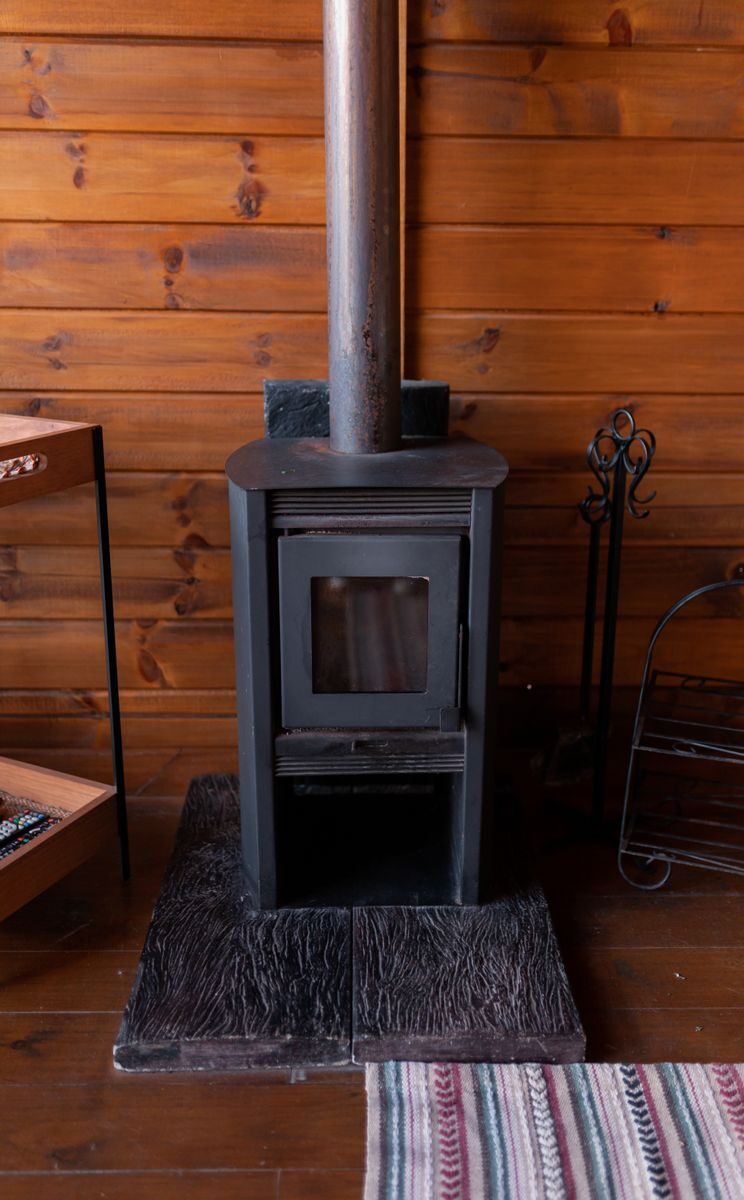
Once you know which pipe you have, a magnetic stove thermometer covers the single wall and stove top case. The magnetic type below sits on the stove top or a single wall pipe and reads across the range most stoves run at.
The Zones on the Dial Are Not Your Stove’s Zones
Most stove thermometers come with coloured bands printed on the face. Something like “too cool”, “best”, and “too hot”.
Those bands were printed by whoever made the thermometer. They were not set by whoever made your stove.
The same dial gets sold for use on stove tops and on flue pipes, on old stoves and new ones, in different countries. One printed band cannot be right for all of them. So the colours are a rough guide, not an instruction.
There is a rule in measurement work that applies here. A scale only means something if it was set for the thing you are measuring. A band printed for stoves in general was not set for your stove.
What to do instead: open your stove manual and find the operating temperature your manufacturer gives. Then find where that sits on your dial. If the manual and the dial disagree, follow the manual. It was written for your stove.
I would go further. Mark the manual’s numbers on the dial face with a paint pen so you are reading your stove’s range and not a generic one.
Where to Put It
Placement decides the number, so decide once and leave it.
For a stove top thermometer, follow the manual. Most makers name a spot. If yours does not, use the hottest part of the top plate and keep it there.
For a flue thermometer, the manual again. The distance above the stove changes the reading, because the gases cool as they travel.
Two habits after that, both carried over from measuring anything else.
Give it time to settle. The dial starts cold and climbs. This is the most common error with any temperature instrument, and it has a nasty property. The reading is always too low, and always low in the same direction, so nothing about it looks wrong. You get a believable number that happens to be false.
Read it at the same points in the burn. A reading taken as you load the stove and a reading taken an hour later tell you different things. Compare like with like or the numbers mean nothing.
What to Look For, in Order
- The right type for your pipe. Magnetic for single wall, probe for double wall or insulated. Get this wrong and nothing else helps.
- A scale that covers your stove’s range. Check the manual first, then check the dial goes that high.
- Numbers on the face, not only colours. You want to read a value, not a band.
- A strong magnet or a solid fixing. Weak magnets slide down a hot pipe.
- Accuracy. Last. You are working with a range of a hundred degrees or more. A few degrees either way changes nothing.
What to Remember
A stove thermometer is a fuel gauge more than a stove gauge. A low reading with the air open nearly always means wet wood, not a broken stove.
Match the type to your pipe. Set it in one place and leave it. Use your stove manual’s numbers, not the colours on the dial. Give it time to settle before you read it.
And if it keeps running cold, the fix is not in the stove. It is in the woodpile. My guides on why firewood will not burn properly and how to tell if firewood is really seasoned cover what to do about it.
Frequently Asked Questions
What temperature should a wood stove run at?
Check your stove manual, because it varies by model. The range printed on a thermometer dial is generic and may not match your stove. The manual was written for your appliance and should be your reference.
Do I need a stove top thermometer or a flue thermometer?
A stove top one helps you set the air control. A flue one tells you more about creosote risk, because it reads the gases leaving the stove. If you buy one, most people find the flue type more useful. Some owners run both.
Will a magnetic thermometer work on my stove pipe?
Only on single wall pipe. Double wall and insulated pipes are built so the outer surface stays cool, so a magnetic thermometer will read far too low. For those you need a probe type that reads the gas inside the pipe.
Why is my stove not getting hot enough?
The most common cause is wet wood. Water in the logs has to be boiled off before the wood can burn, and that energy comes out of the fire instead of going into your room. Check your wood with a moisture meter before you suspect the stove. A restricted air supply is the other common cause.
Does a stove thermometer stop creosote?
No. It tells you when you are producing it. Creosote forms when unburned gases cool and condense in the chimney, which happens most when the fire runs cool. A thermometer shows you that is happening so you can open the air or use drier wood.
Where exactly should I fit a flue thermometer?
Follow your stove or thermometer manual, because the correct distance above the stove depends on the setup. Gases cool as they travel up the pipe, so the height you choose changes the reading. Whatever you pick, keep it there so your readings stay comparable.
How accurate does a stove thermometer need to be?
Not very. You are working across a range of a hundred degrees or more, and the decisions you make are open the air, leave it alone, or shut it down. A few degrees of error will not change which one you pick.