



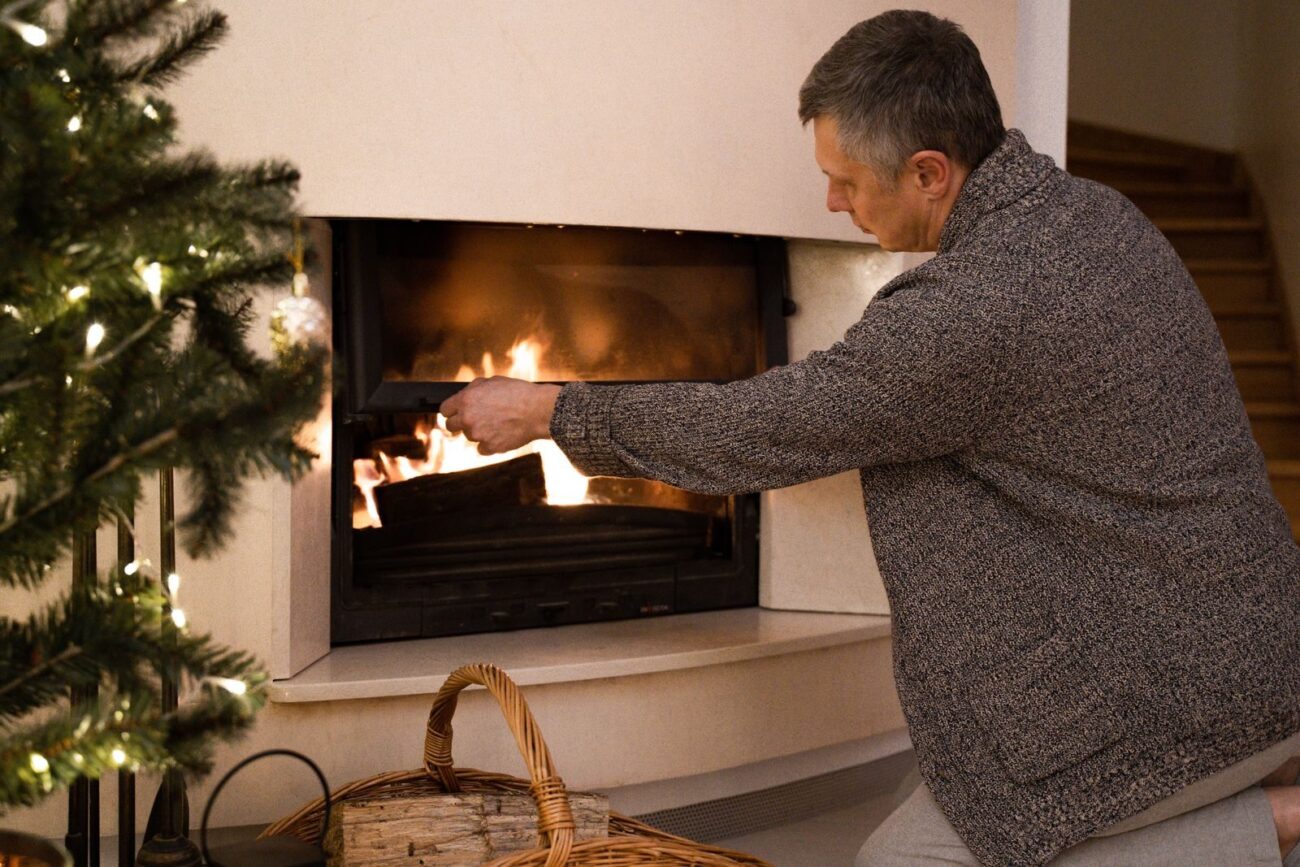
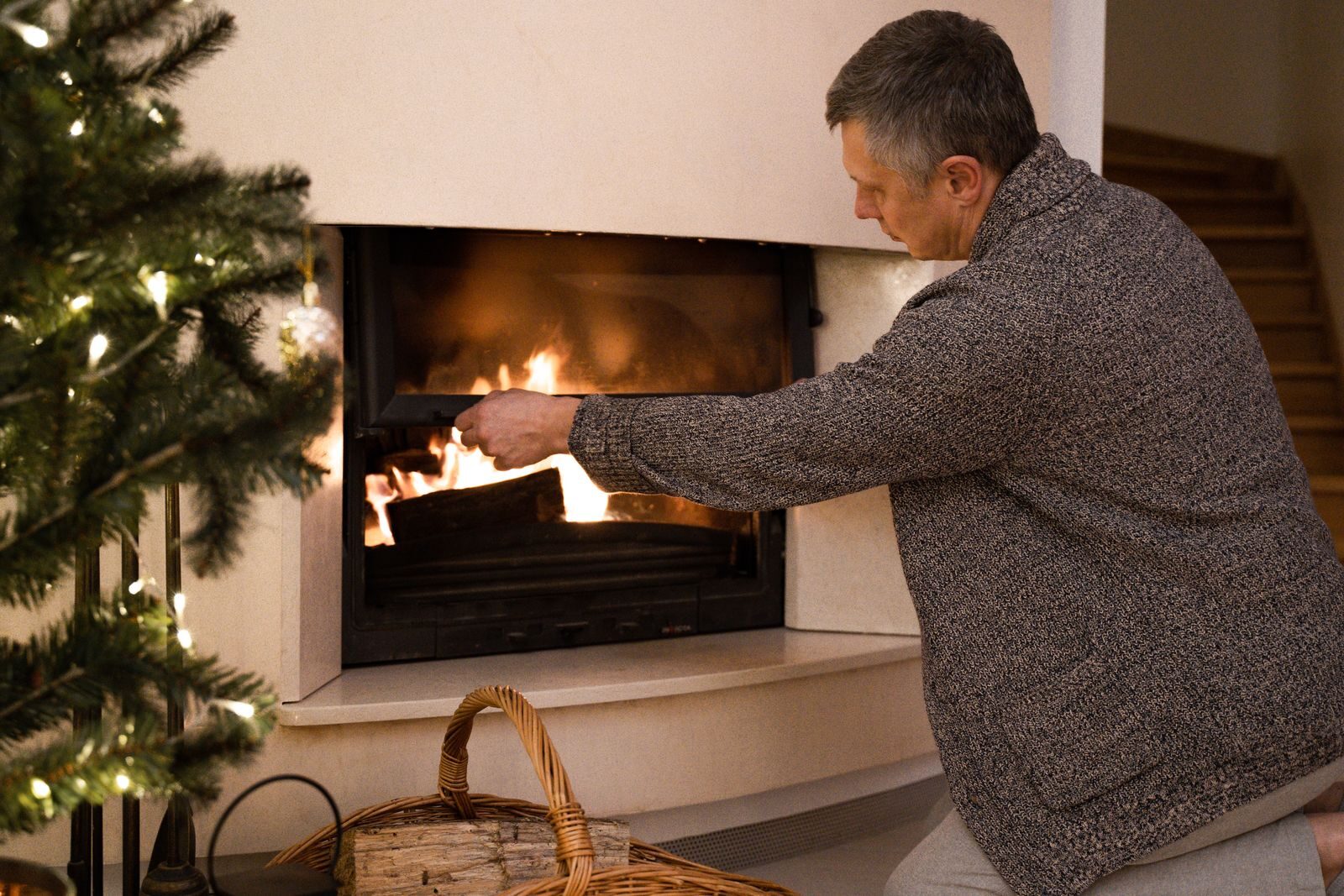
Why does the fire eat log after log and the room never truly warms up?
You are feeding the stove constantly. The wood vanishes far quicker than it should, you are buying load after load, and yet the house stays stubbornly cold. It feels like you are burning money as fast as you are burning wood.
Let me tell you what is usually behind this, because it is rarely the stove and rarely you…
It is the wood. Two things about the fuel decide whether your fire warms the house or just keeps you busy, and both come down to science I know well from studying how plants build themselves. Once you see it, the fix is simple.
The Fix Is Hiding in the Weight of the Wood
Here is the fact almost nobody explains, and it changes everything.
Pound for pound, nearly all wood holds about the same amount of energy. A kilo of pine and a kilo of oak release roughly the same heat.
So why does oak warm a room and pine seem to vanish? Because of density.
A dense hardwood packs far more actual wood into each log than a light softwood does. So the same-sized log of oak weighs much more, holds much more energy, and gives out far more heat.
The numbers are stark. A stacked cord of dense hardwood like hickory can deliver more than twice the usable heat of the same volume of pine, for exactly the same stacking and loading work. Same effort, double the warmth.
So if you are burning light, low-density wood, this is your answer. You are feeding the stove constantly because each log holds so little energy. It burns fast, flares up, and is gone, leaving little heat behind. You are not doing anything wrong. You are just burning the wrong fuel for the job.
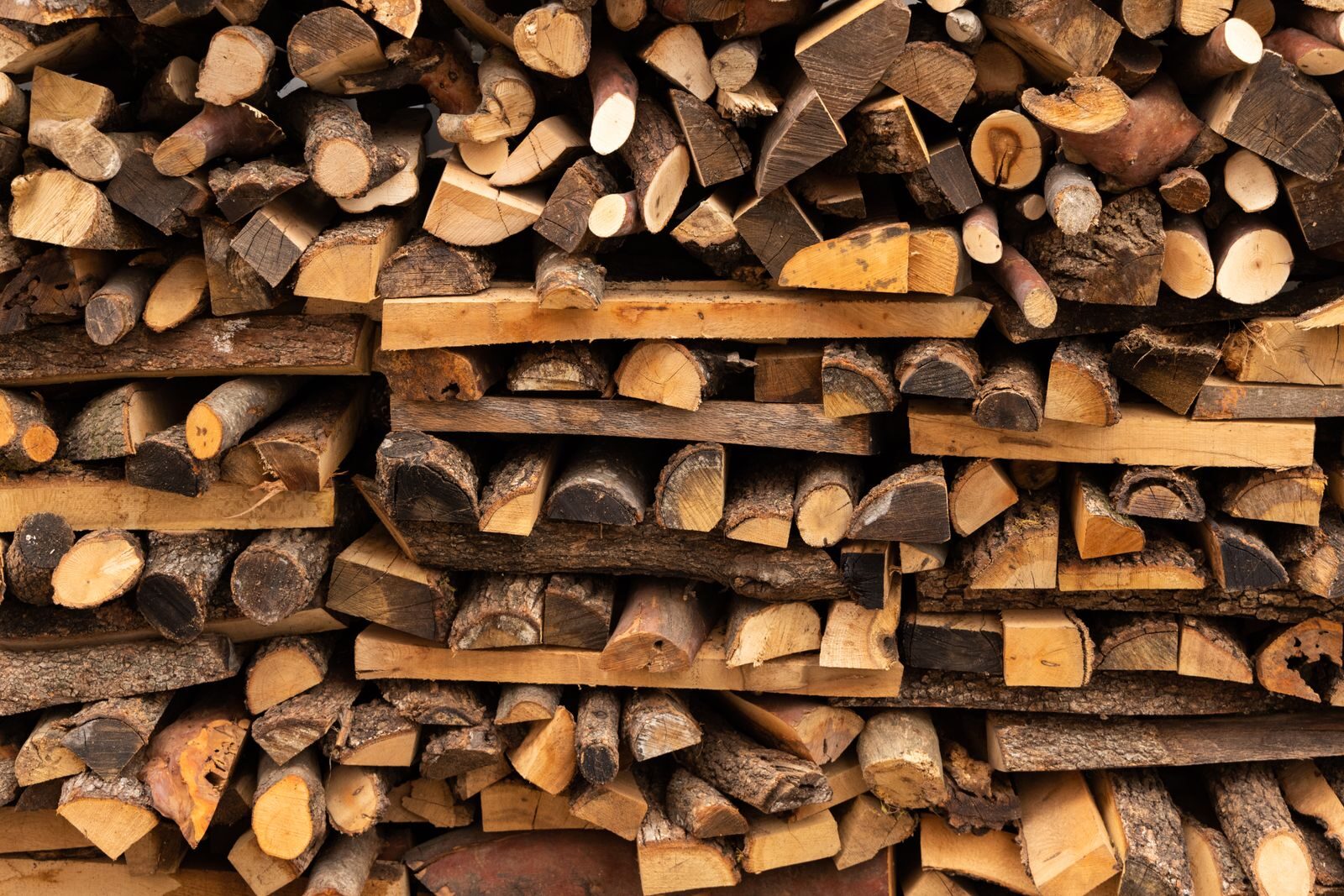
The Second Culprit: Water, Again
Density sets how much energy a log could give you. Water decides how much you actually get.
Even the densest oak will disappoint if it is wet, because the fire has to spend its energy boiling off the water before any heat reaches your room. Wood at thirty percent moisture loses roughly a third of its heat to evaporating that water. So a heavy hardwood log that is still damp behaves like a much weaker fuel.
This is why “I burn loads and stay cold” so often comes down to two problems stacked together: light wood that holds little energy, and damp wood that wastes what energy it has. Fix both and the same stove that left you shivering will heat the room on far less fuel.
How to Tell If Your Wood Is the Problem
A few quick checks tell you what you are dealing with.
Heft it.
Pick up a log. Dense, good-heat hardwood feels surprisingly heavy for its size. If your logs feel light and airy, they are low-energy softwood, and that is why they vanish.
Know your wood.
Oak, ash, beech, hickory and hornbeam are dense, high-heat woods that burn slow and hot. Pine, spruce, poplar, willow and cedar are light, fast-burning softwoods with far less heat per log. If you are buying whatever is cheapest, you may be buying the light stuff.
Watch how it burns.
Wood that flares up bright and fast, then collapses to nothing quickly with little coal bed, is low-density softwood. Dense hardwood burns steadily and leaves a bed of glowing coals that hold heat for hours.
Check it is dry.
Heavy but hissing and steaming means a good wood ruined by water. Do the cracked-end and knock tests, or use a moisture meter, and aim for under twenty percent.
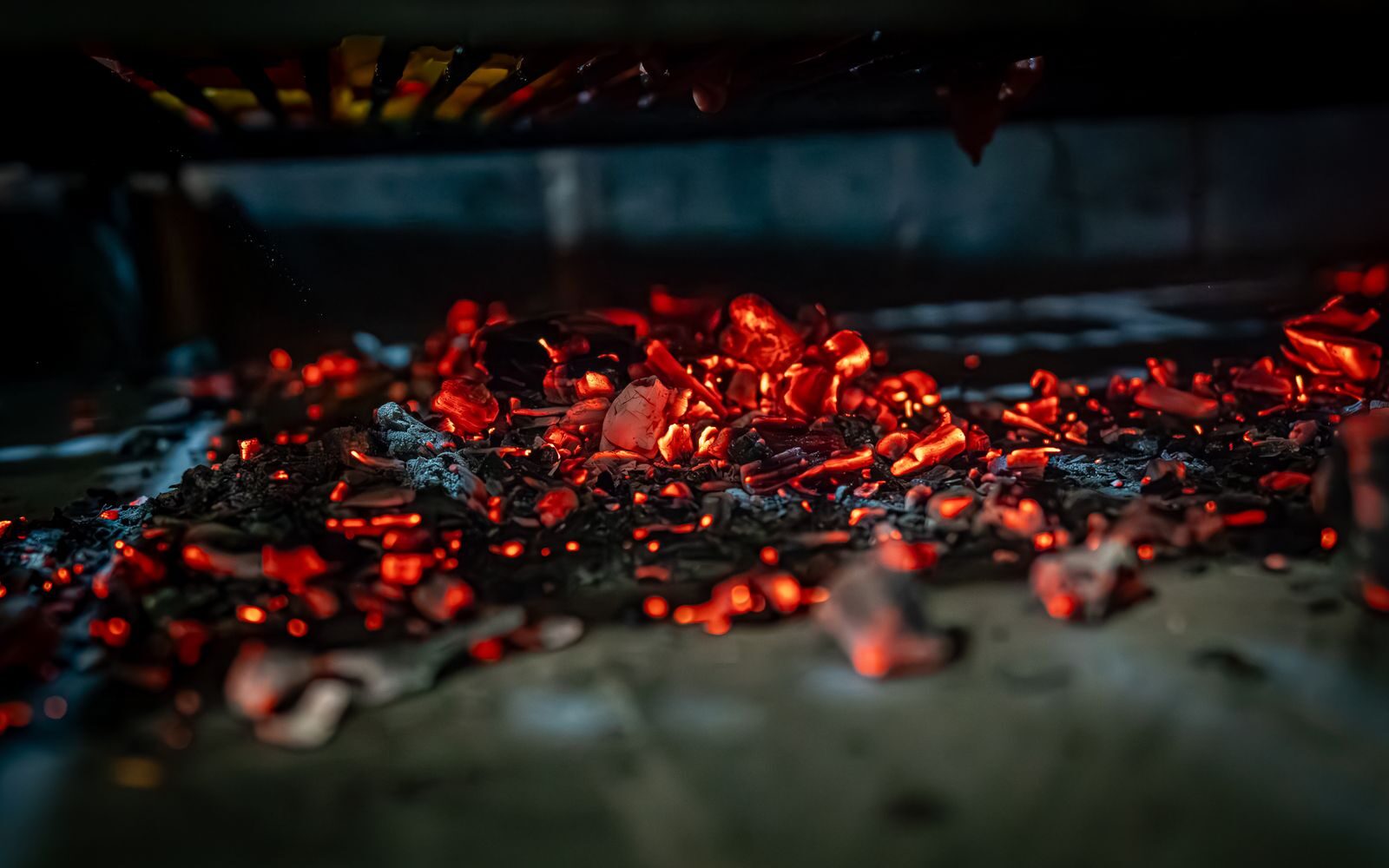
How to Get More Heat From Every Log
-Switch to dense hardwood for heat.
This is the big one. For warming a room, choose oak, ash, beech, hickory or hornbeam over softwood. You will load the stove less often and get far more heat from the same effort.
-Use softwood only to get going.
Light softwood catches fast, so it is good for kindling and building the fire up. Once it is hot, switch to dense hardwood for the actual heat. Do not rely on softwood as your main fuel.
-Make sure it is properly dry.
Density is wasted if the wood is wet. Get your hardwood down under twenty percent moisture, which for split, well-stored logs means a year or two of drying.
-Buy by weight and species, not just price.
The cheapest wood is often the lightest and wettest, which is why it feels like poor value once it is burning. A denser, drier wood costs more per load but delivers far more heat, so it can work out cheaper per hour of warmth.
-Build a coal bed and keep it.
Dense hardwood builds a bed of glowing coals that radiates steady heat and relights new logs easily. Do not let it burn right down before adding wood, and do not smother it with too much at once.
-Get the stove hot, then control the air.
Once the fire is established and hot, you can turn the air down to slow the burn, so a dense log releases its heat gradually over a long time rather than roaring away. Good wood plus controlled air is how you get long, warm, economical burns.
Why I Can Tell You This
My background is in plant biology and biogeochemistry, which is partly the study of how plants build their structure and pack material into wood. That is exactly what density is: how much solid, energy-holding material a tree laid down. A dense hardwood is a tree that built slowly and packed tightly, and that stored density is the heat you feel years later in your grate.
So when someone tells me they burn wood constantly and stay cold, I do not reach for the stove or the chimney. I ask what wood they are burning and how wet it is. Nine times out of ten the answer is light wood, damp wood, or both. Get a dense, dry hardwood and the same stove becomes a different machine.
You are not burning money because your fire is broken. You are burning it because the fuel holds too little heat. Change the fuel, and everything changes.
Frequently Asked Questions
Why does my firewood burn so fast?
Most likely you are burning light, low-density softwood like pine or spruce. It holds little energy per log, so it flares up and burns away quickly. Dense hardwood packs far more wood into each log and burns slower and hotter.
Which firewood gives the most heat?
Dense hardwoods, oak, ash, beech, hickory and hornbeam, give the most heat per log because they pack the most solid wood into each piece. They burn slower and leave a lasting coal bed, unlike light softwoods.
Is hardwood really better than softwood?
For heating, yes, by volume. Pound for pound they hold similar energy, but hardwood is far denser, so each log holds much more. A cord of dense hardwood can give more than double the heat of the same volume of pine.
I burn loads of wood but the house stays cold. Why?
Usually two things together: your wood is light, low-energy softwood, and it may also be damp, which wastes heat on boiling off water. Switch to dense, dry hardwood and you will get far more warmth from far less wood.
Does it matter if the hardwood is wet?
Very much. Even the best dense hardwood disappoints if it is wet, because the fire spends its energy evaporating the water first. Wood at thirty percent moisture loses about a third of its heat. Dry it below twenty percent.
Why does softwood burn so quickly?
Softwood is much less dense, so there is simply less wood in each log to burn. It also often contains resins that flare up fast. It is useful for lighting a fire but poor as a main heat source.
How do I make my firewood last longer?
Burn dense, dry hardwood, build and keep a good coal bed, and once the fire is hot, turn the air supply down to slow the burn. This releases the log’s heat gradually over hours instead of letting it roar away.