


Most people know you can burn wood to release energy. But what if you could heat wood without burning it and get something far more useful out the other end?
That is exactly what pyrolysis does. Heat biomass to high temperatures in the complete absence of oxygen and instead of combustion you get a controlled thermal breakdown producing three distinct products: a liquid bio-oil, a solid biochar, and a combustible gas called syngas. Three products from one feedstock. Each with different properties, different uses, and different implications for how we turn biological material into energy.
The chemistry behind why this works connects directly to how plants are built at a molecular level. The three main structural components of biomass, cellulose, hemicellulose, and lignin, each break down at different temperatures and release different compounds when heated without oxygen. Understanding those differences is what makes pyrolysis chemistry genuinely interesting rather than just industrially useful.
This article explains what pyrolysis is, how the process works, what it produces, and where those products go. I also share some honest concerns about the technology that I think are worth raising.
What Is Pyrolysis?
Pyrolysis is a thermochemical process that decomposes organic material by heating it to high temperatures in the complete absence of oxygen. The word comes from the Greek pyro meaning fire and lysis meaning separation or decomposition.
Without oxygen there is no combustion. Instead of burning, the biomass undergoes thermal decomposition where heat breaks the chemical bonds holding the organic molecules together. The result is not ash and carbon dioxide as combustion would produce but a mixture of liquid, solid, and gaseous products whose proportions depend on the temperature, heating rate, and residence time of the process.
This is what distinguishes pyrolysis from the two other thermochemical conversion processes it is often confused with. Combustion uses excess oxygen to fully oxidise biomass to CO₂ and water. Gasification uses limited oxygen or steam to partially oxidise biomass into a combustible gas mixture. Pyrolysis uses no oxygen at all and produces the most chemically diverse range of products of the three.
The temperature range for pyrolysis is typically between 300°C and 700°C depending on the process type and desired products. Below about 300°C the decomposition reactions are too slow and incomplete. Above about 700°C the process shifts toward gasification where gas production dominates over liquid and solid outputs.
So what is actually happening inside the biomass when those temperatures are reached?
What Happens Chemically During Pyrolysis?
This is where the molecular structure of plant material becomes directly relevant to understanding why pyrolysis produces what it does.
Biomass is composed of three main structural polymers. Cellulose typically makes up 35 to 50 percent of woody biomass. Hemicellulose makes up 20 to 35 percent. Lignin makes up 15 to 30 percent. Each decomposes at different temperatures and produces different products when subjected to pyrolytic heat.
Hemicellulose is the least thermally stable and begins decomposing at around 220 to 315°C. Its breakdown produces a range of volatile compounds including acetic acid, furfural, and various sugars that contribute significantly to the water and acid content of the resulting bio-oil.
Cellulose decomposes between approximately 315 and 400°C. Its breakdown produces levoglucosan as a primary intermediate which then decomposes further into furans, aldehydes, and other oxygenated compounds. Cellulose decomposition is a major contributor to both the liquid and gas fractions.
Lignin is the most thermally stable component and decomposes over a wide range from about 160 to 900°C with most of its decomposition occurring between 300 and 500°C. Its aromatic polymer structure produces phenolic compounds in the bio-oil fraction and is the primary contributor to the solid biochar residue.
In my Plant Biochemistry training the molecular structure of these three components was covered in detail. What I found useful when later studying pyrolysis is that the structural differences between cellulose, hemicellulose, and lignin that explain how plants build their cell walls also explain exactly why they decompose at different temperatures when heat is applied. The same molecular architecture that determines biological function determines thermal behaviour.
Lignin’s resistance to thermal decomposition also connects to something I studied in my Biogeochemistry courses. The aromatic ring structure that makes lignin so resistant to microbial breakdown in soil is the same structure that makes it the last component to decompose under pyrolytic heat. Whether biology or thermochemistry is doing the breaking, lignin resists longest. That is why biochar, which is largely lignin-derived, is stable in soil for centuries.
Understanding that cellulose, hemicellulose, and lignin each behave differently during thermal decomposition explains why feedstock composition matters so much for predicting pyrolysis product yields. A high-lignin feedstock like hardwood produces more biochar. A high-cellulose feedstock like agricultural straw produces more liquid and gas.
What Does Pyrolysis Produce?
Three product streams. Always. The proportions shift depending on process conditions but all three are always present to some degree.
A 2025 review published in Sustainability confirms that temperature, heating rate, and vapour residence time are the key parameters controlling the ratio of bio-oil, biochar, and syngas in biomass pyrolysis, with faster heating rates and higher temperatures favouring liquid and gas production while slower heating at lower temperatures maximises biochar yield.
Here is what each product actually is.
Bio-oil is a dark brown liquid with a smoky smell containing hundreds of different organic compounds including acids, alcohols, aldehydes, esters, ketones, and phenolics. It typically has a water content of 15 to 30 percent and an energy density roughly half that of conventional petroleum diesel. Bio-oil can be used directly as a fuel for heat and power generation, as a feedstock for chemical production, or upgraded through further processing into transportation fuels. Its high oxygen content and acidity make it chemically unstable over time which is one of the main technical challenges limiting its commercial use.
Biochar is a solid carbon-rich material similar in appearance to charcoal. It is chemically stable, highly porous, and has a very high surface area relative to its mass. Biochar is used as a soil amendment to improve water retention and nutrient holding capacity, as an adsorbent for water treatment, and as a long-term carbon sequestration material. I covered the soil carbon implications of biochar in detail in my article on whether biochar can help store carbon in soil.
Syngas is a mixture of primarily carbon monoxide and hydrogen with smaller amounts of methane, carbon dioxide, and other gases. It is combustible and can be used directly for heat and power generation or converted into liquid fuels through Fischer-Tropsch synthesis. The calorific value of syngas from pyrolysis is lower than natural gas but sufficient for many industrial heat applications.
The ratio of these three products is the primary variable controlled by adjusting pyrolysis process conditions. High temperatures and fast heating rates favour gas production. Lower temperatures and slower heating favour solid biochar. Intermediate temperatures with fast heating and rapid cooling of vapours favour liquid bio-oil production.
This flexibility is one of pyrolysis most useful characteristics. The same basic process can be tuned to produce whichever product is most valuable for a given application. But before you get too excited about that flexibility there are some real limitations worth discussing honestly.
What Are the Limitations of Pyrolysis?
Pyrolysis is often presented as a clean and versatile solution for biomass conversion. As an environmental biologist I think that picture needs some honest qualification.
The first concern is emissions.
The pyrolysis process itself occurs in an oxygen-free environment and does not involve direct combustion. But the volatile gases and compounds it produces, including volatile organic compounds and nitrogen oxides, can react with sunlight in the atmosphere to form ground-level ozone.
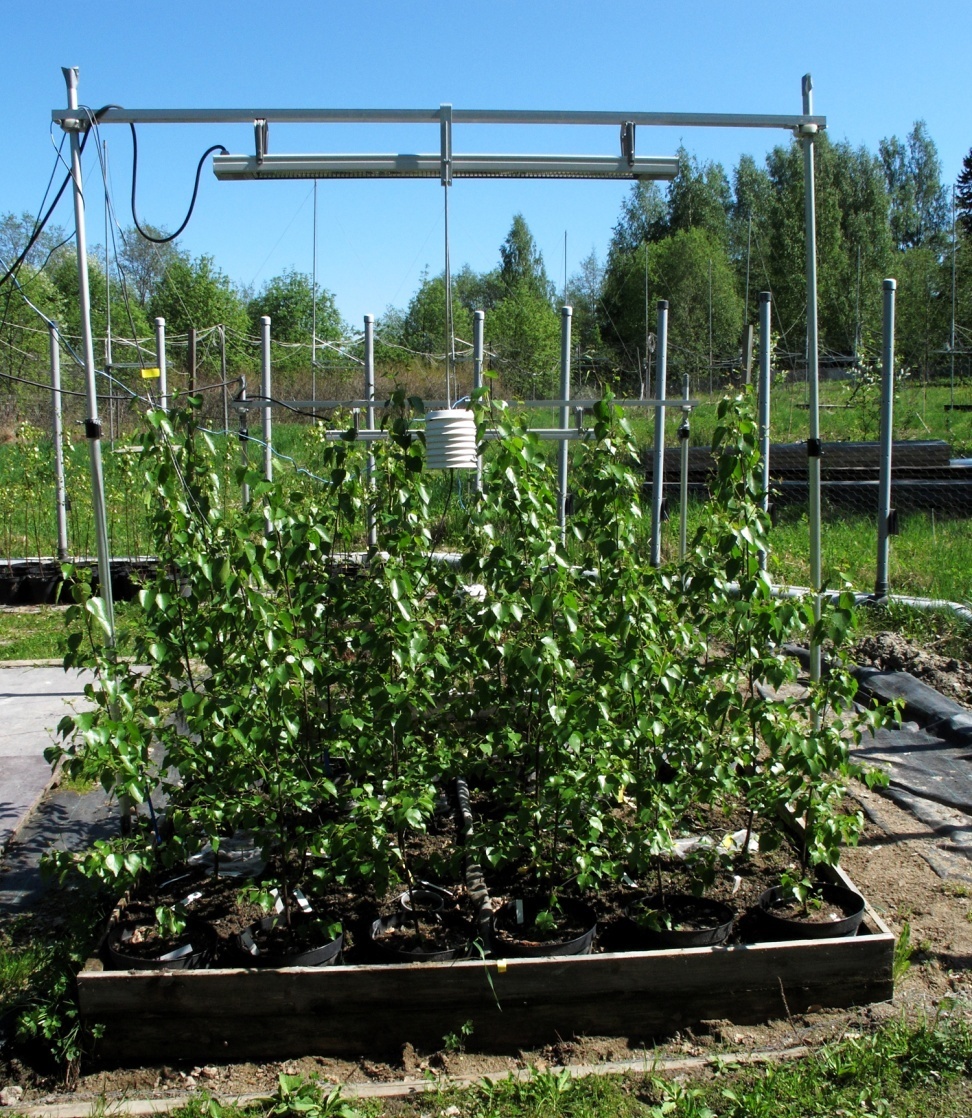
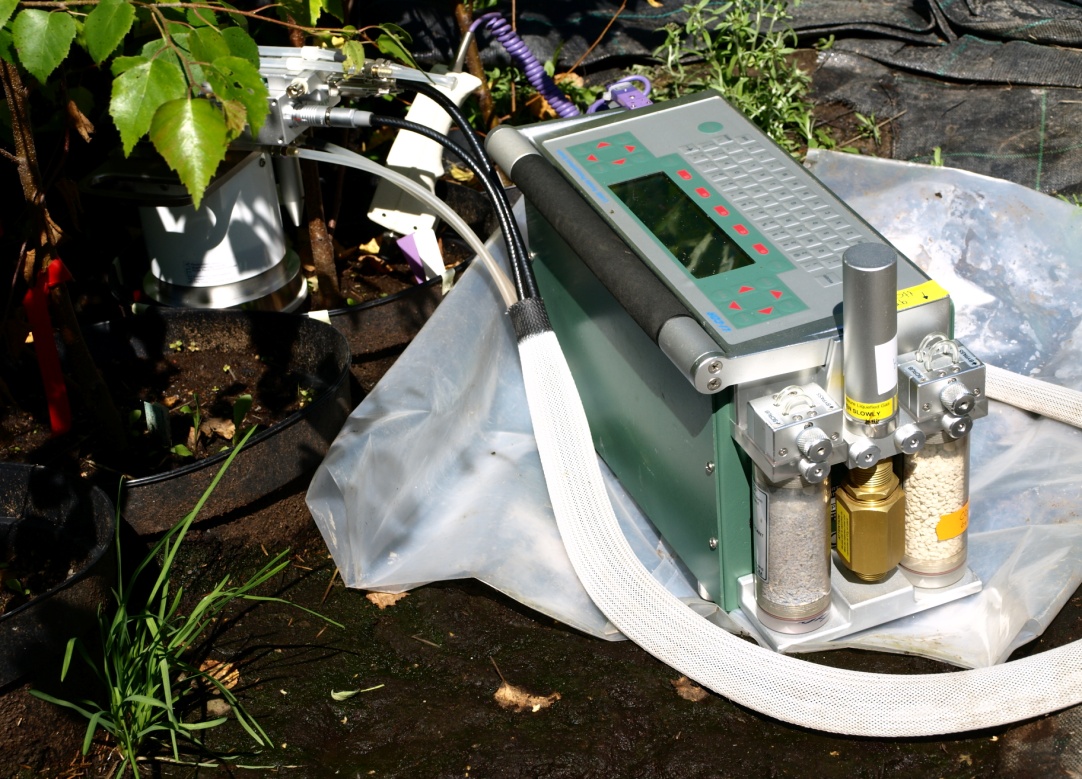
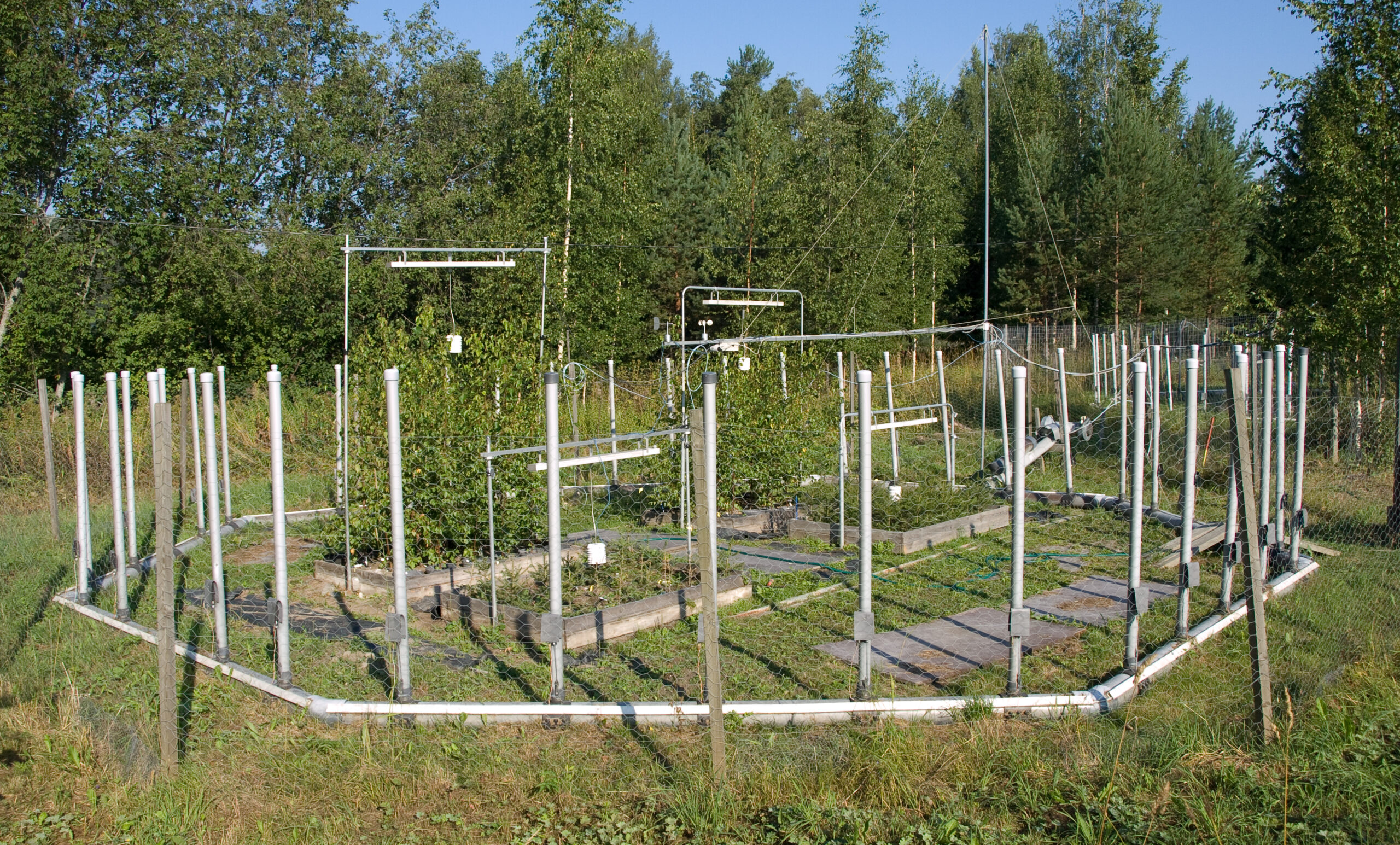
I worked directly with elevated ozone in my own field research and measured its effects on forest trees across different treatment plots. The connection between industrial emissions and ozone-driven forest damage is not theoretical for me. It is something I have seen in the data. Any bioenergy technology that contributes to VOC and nitrogen oxide emissions needs to be evaluated honestly against that downstream ecological cost, particularly for forests already under ozone stress.
My concern about these emissions was also shaped by studying environmental chemistry and air quality under researchers whose work focused on industrial combustion emissions and their atmospheric and health effects. That background makes me look at pyrolysis not just as an energy technology but as an emissions source requiring the same rigorous scrutiny as any other industrial process.
The second concern is energy and cost.
Pyrolysis requires heating biomass to between 300 and 700°C. Before that, the feedstock must be dried to below 10 percent moisture content. Both steps are energy intensive. The high operational temperatures combined with the need for effective flue gas cleanup systems to meet regulatory standards add significant complexity and cost to what might otherwise sound like a straightforward process. Whether pyrolysis is genuinely cost-competitive as an energy technology depends heavily on feedstock availability, energy prices, and the value of the three product streams in local markets.
The third concern comes from my Quality Control of Chemical and Environmental Measurements training.
The outputs of pyrolysis are not finished products. Bio-oil is chemically unstable, acidic, and corrosive. It degrades in storage and requires extensive post-processing before it can be used as a transportation fuel. Syngas composition varies with feedstock and process conditions. Biochar quality depends on temperature and residence time. Each product stream requires its own quality assessment and often its own upgrading process before reaching end users. That adds layers of complexity that straightforward combustion of biomass does not require.
None of these limitations make pyrolysis a bad technology. They make it a complex one that deserves honest evaluation rather than uncritical enthusiasm. The potential is real. So are the engineering and environmental challenges that need to be solved before pyrolysis becomes a mainstream bioenergy pathway.
What Is the Pyrolysis Process Step by Step?
If you were designing a pyrolysis system from scratch what would you actually need to do? Here is the process sequence.
Step 1: Feedstock preparation.
Biomass needs to be dried to a moisture content below about 10 percent before pyrolysis because water evaporation consumes energy and dilutes the bio-oil product with water. The material is also size-reduced through chipping or grinding to improve heat transfer into the biomass particles.
Step 2: Thermal decomposition in the reactor.
The prepared biomass is fed into a reactor vessel where it is heated to the target temperature in an oxygen-free atmosphere. The heating can be achieved through direct contact with a hot heat carrier material like sand, through indirect heating of the reactor walls, or through microwave energy in newer experimental systems. As the temperature rises the three main biomass components decompose in sequence releasing volatile gases and vapours while leaving behind a solid char residue.
Step 3: Product separation.
The volatile gases and vapours leaving the reactor are rapidly cooled in a condenser system. Heavier condensable compounds collect as bio-oil liquid. Lighter non-condensable gases pass through as syngas. The solid biochar remains in the reactor or is collected separately.
Step 4: Product collection and use.
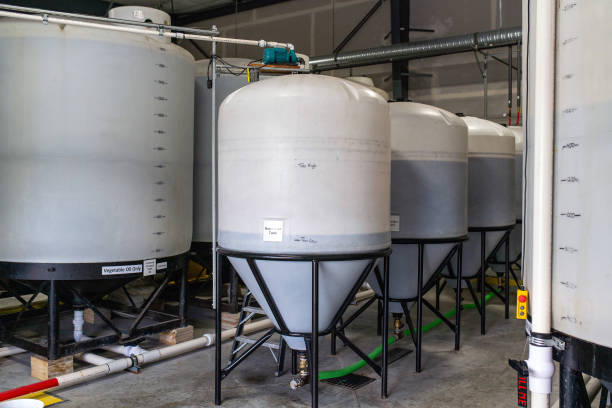
Bio-oil is stored in tanks for fuel or chemical feedstock use. Biochar is collected for soil application or industrial use. Syngas is typically combusted on site to provide heat for the pyrolysis process itself improving the overall energy efficiency of the system.
That last point is worth pausing on…
A well-designed pyrolysis system uses its own syngas output to fuel the heating process. This makes the system largely energy self-sufficient once running which is a significant advantage over processes that require continuous external energy input. Whether that energy self-sufficiency offsets the high capital and operational costs of getting the system running in the first place is a question the economics of each specific project needs to answer.
What Biomass Feedstocks Are Used for Pyrolysis?
Almost any dry organic material can be used. But the choice of feedstock matters more than most people realise.
Woody biomass including wood chips, sawdust, and forest residues is the most commonly used feedstock. Its relatively consistent composition and low ash content produce good quality bio-oil and biochar with predictable properties.
Agricultural residues including straw, rice husks, corn stover, and sugarcane bagasse are widely available and low cost. Their higher ash content compared to wood can cause operational challenges in some reactor designs and produces biochar with different mineral compositions.
Energy crops grown specifically for thermochemical conversion including miscanthus, switchgrass, and short-rotation willow and poplar offer controlled feedstock quality and can be produced on marginal land unsuitable for food crops.
Waste streams including municipal solid waste organic fractions, sewage sludge, and plastic waste are increasingly being explored as pyrolysis feedstocks, often in co-pyrolysis processes where biomass and waste plastics are processed together to improve bio-oil quality and energy content.
The feedstock composition in terms of cellulose, hemicellulose, and lignin ratios directly determines the product distribution. A high-lignin feedstock like hardwood produces more biochar. A high-cellulose feedstock like agricultural straw produces more liquid and gas. Selecting the right feedstock for the intended product is one of the first decisions in any pyrolysis system design.
Pyrolysis vs Gasification: What Is the Difference?
These two thermochemical processes are closely related and often confused. Here is the clearest way to separate them.
Pyrolysis uses no oxygen and produces three co-products: bio-oil, biochar, and syngas. The process is primarily aimed at producing liquid fuels or biochar depending on the process conditions.
Gasification uses a controlled amount of oxygen or steam and aims to convert almost all the biomass into a combustible gas mixture. The solid char and liquid fractions are minimised and the gas is the primary product.
Pyrolysis operates at lower temperatures and the products retain more of the original chemical complexity of the biomass feedstock. Gasification operates at higher temperatures and produces a simpler more uniform gas mixture.
Which is better depends entirely on what you want to produce. If you want liquid fuel or biochar, pyrolysis. If you want a combustible gas for power generation, gasification. I will cover the comparison between these two processes in more detail in a dedicated article on this site.
Frequently Asked Questions
What is pyrolysis of biomass?
Pyrolysis is a thermochemical process that heats biomass to temperatures between 300 and 700°C in the complete absence of oxygen. Instead of burning, the biomass thermally decomposes into three products: a liquid bio-oil, a solid biochar, and a combustible syngas. The proportions of each product depend on the temperature, heating rate, and residence time of the process.
What does pyrolysis of biomass produce?
Three product streams: bio-oil, a dark liquid fuel and chemical feedstock; biochar, a stable solid carbon material used in soil amendment and carbon sequestration; and syngas, a mixture of carbon monoxide and hydrogen used for heat and power. The ratio of these three products is controlled by adjusting process conditions.
How does biomass pyrolysis work?
Biomass is dried, size-reduced, and fed into a reactor vessel heated to the target temperature without oxygen. The three structural components of biomass, cellulose, hemicellulose, and lignin, decompose at different temperatures releasing volatile gases and vapours. These are cooled and separated into bio-oil liquid and syngas, while solid biochar remains in the reactor.
What is the difference between pyrolysis and combustion?
Combustion uses excess oxygen to fully oxidise biomass into carbon dioxide and water, releasing heat. Pyrolysis uses no oxygen and thermally decomposes biomass into bio-oil, biochar, and syngas without burning it. Pyrolysis produces usable chemical products rather than just heat and combustion gases.
What biomass is best for pyrolysis?
Woody biomass with low ash content and consistent composition generally produces the best quality bio-oil and biochar. Agricultural residues are lower cost but higher in ash. The optimal feedstock depends on the intended product since high-lignin feedstocks produce more biochar while high-cellulose feedstocks produce more liquid bio-oil.
What temperature is needed for biomass pyrolysis?
Typically between 300 and 700°C depending on the process type and desired products. Slow pyrolysis for biochar production typically operates between 300 and 500°C. Fast pyrolysis for bio-oil production operates between 450 and 600°C with very rapid heating rates. Higher temperatures above 600°C shift the process toward gasification with increased gas production.
Is pyrolysis of biomass renewable?
Yes. The biomass feedstock is renewable as long as it is sourced sustainably. The process does not require oxygen so it does not produce combustion emissions during pyrolysis. The energy to run the process can be supplied by the syngas produced making well-designed systems largely energy self-sufficient. The biochar product also sequesters carbon in a stable form giving pyrolysis a potential carbon negative component when biomass is sustainably sourced. However as I discussed in the limitations section the VOC and nitrogen oxide emissions from the process need to be properly managed to avoid contributing to ground-level ozone formation.