


Three processes. All use heat. All start with biomass…
And yet they produce completely different outputs, operate on completely different chemistry, and have completely different environmental profiles.
Pyrolysis, gasification, and incineration are the three main thermochemical routes for converting biomass into energy or products. They are often mentioned together and frequently confused. Understanding how they actually differ is not just an academic exercise. It determines which technology is appropriate for a given application, which environmental risks apply, and which products you end up with.
The environmental comparison between these three processes is more nuanced than most articles suggest. Gasification in particular is often misunderstood. The evidence shows that when designed and operated correctly it can achieve lower pollutant emissions than conventional incineration. Understanding why requires looking at how each process handles its emissions rather than assuming more heat means more pollution.
This article explains how each process works, what it produces, how they compare, and when each one makes sense.
What Is Incineration?
Incineration is the simplest of the three processes to understand. It is controlled combustion. Biomass or waste material is burned at high temperatures, typically between 850 and 1200°C, in the presence of excess oxygen. The organic material is fully oxidised into carbon dioxide, water vapour, and ash. The heat released is captured and used to generate steam which drives a turbine to produce electricity.
Incineration is a mature well-understood technology that has been used for waste management for over a century. Its primary purpose is volume reduction and energy recovery from materials that would otherwise go to landfill. A well-designed incineration plant with modern flue gas treatment can reduce waste volume by up to 90 percent while recovering significant amounts of electricity and heat.
The environmental concerns around incineration centre on flue gas composition. Burning mixed waste streams at high temperatures can produce nitrogen oxides, sulphur dioxide, particulate matter, and in some cases dioxins and furans, particularly when chlorine-containing materials are present. Modern flue gas cleaning systems address most of these concerns but the emissions profile of incineration is heavily dependent on what is being burned and how well the system is designed and operated.
From an environmental biology perspective incineration is the bluntest of the three tools. It destroys all the chemical complexity of the biomass feedstock and recovers only heat. There is no biochar for soil carbon sequestration, no syngas for chemical production, and no bio-oil for fuel upgrading. Everything becomes CO₂, water, and ash.
What Is Gasification?
Gasification converts biomass into a combustible gas mixture called syngas by heating it at high temperatures, typically between 700 and 1200°C, in the presence of a controlled and limited amount of oxygen, air, or steam. This is not enough oxygen for full combustion. Instead of burning completely the biomass undergoes partial oxidation that converts most of the organic material into a gas consisting primarily of carbon monoxide, hydrogen, methane, and carbon dioxide.
The key product is syngas which can be used directly for heat and power generation, converted into liquid fuels through Fischer-Tropsch synthesis, or used as a feedstock for chemical production. Unlike pyrolysis which produces three distinct product streams gasification aims to convert almost all the feedstock into gas with minimal solid char and liquid residue.
Gasification operates at higher temperatures than pyrolysis and the more complete conversion of organic material produces a simpler more uniform gas mixture. This uniformity is one of gasification’s main advantages over pyrolysis for power generation applications because the syngas composition is more predictable and easier to use in gas engines and turbines.
What Is Pyrolysis?
Pyrolysis heats biomass to between 300 and 700°C in the complete absence of oxygen producing three co-products: liquid bio-oil, solid biochar, and syngas. The proportions depend on the temperature and heating rate.
The fundamental distinction from gasification is the absence of oxygen. Pyrolysis produces the most chemically diverse product mix of the three processes and is the only one that generates biochar as a primary product. That biochar connection to soil carbon sequestration is what makes pyrolysis particularly relevant to the environmental science topics covered on this site.
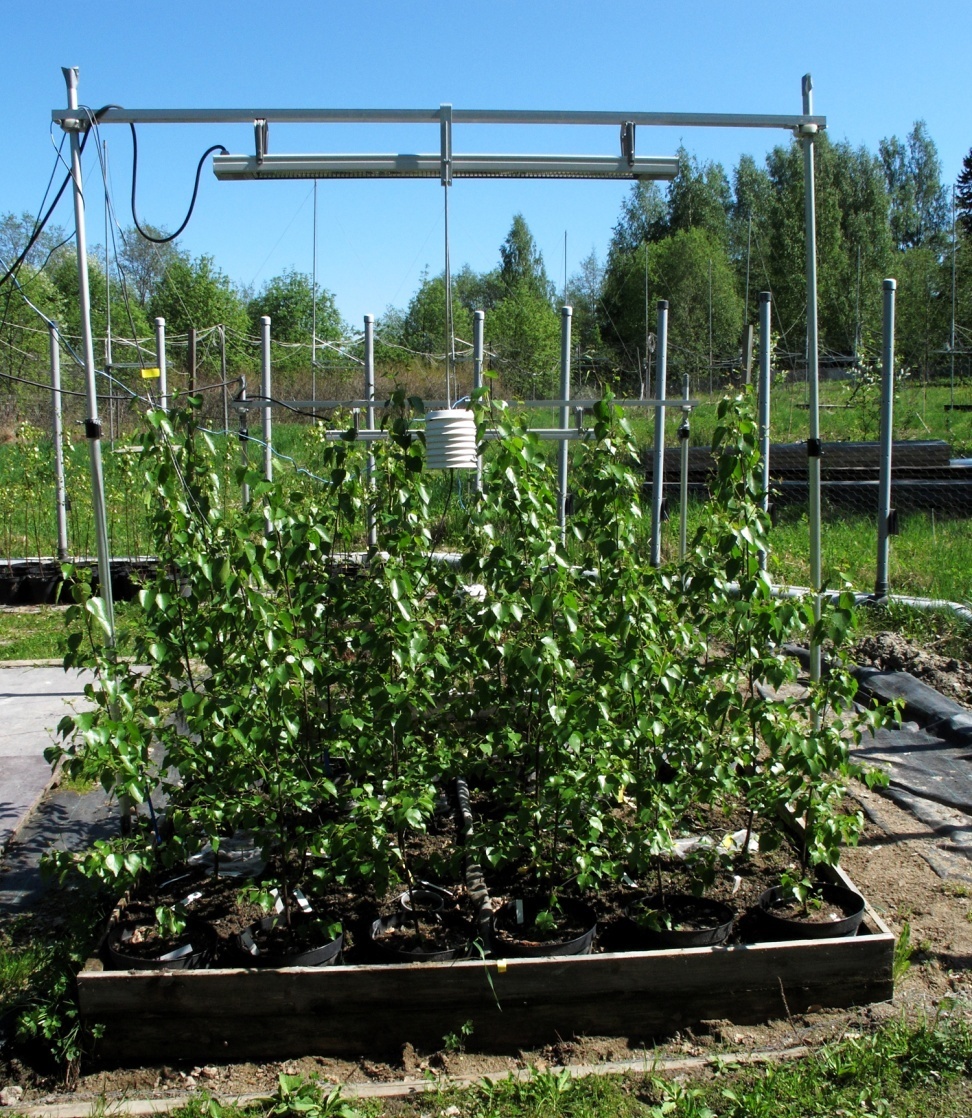
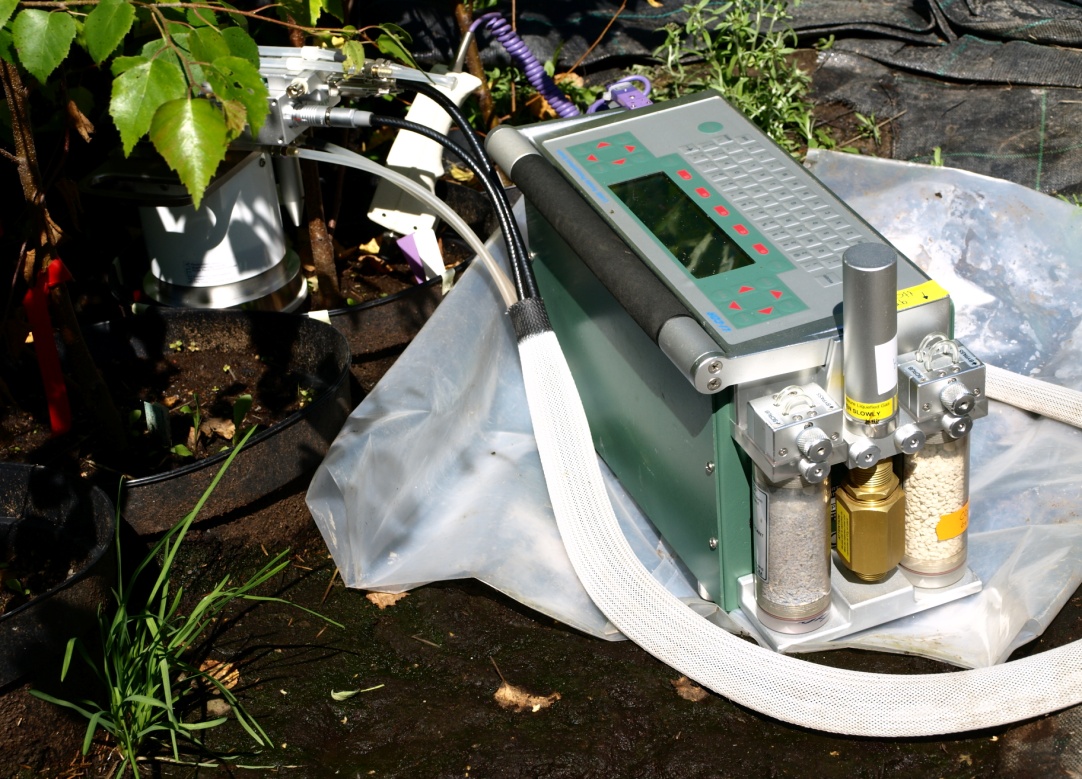
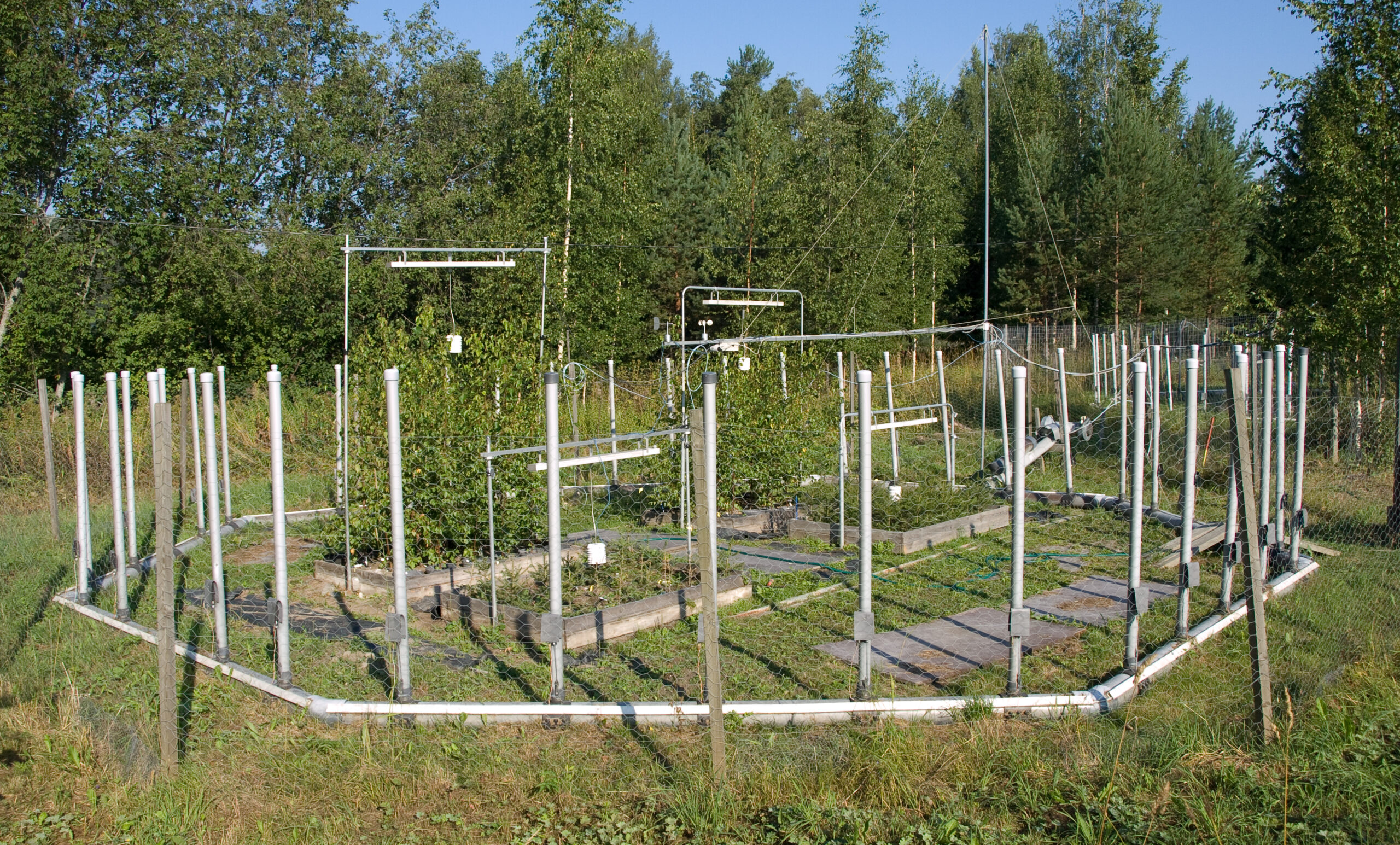
My concern about pyrolysis emissions specifically the volatile organic compounds and nitrogen oxides that can contribute to ground-level ozone formation comes from direct field experience measuring ozone effects on forest trees. It shapes how I look at any thermochemical technology that produces uncontrolled VOC emissions and it is one reason the emissions comparison between pyrolysis and gasification matters to me beyond just the numbers.
What Is the Difference Between Pyrolysis and Gasification?
This is the question most readers arrive with and it deserves a direct answer.
The core difference is oxygen. Pyrolysis uses none. Gasification uses a limited controlled amount. That single variable changes everything downstream.
Because pyrolysis uses no oxygen the biomass cannot combust. Thermal decomposition produces a mix of liquid solid and gas products with the biomass chemistry largely preserved in complex form in the bio-oil fraction. Because gasification uses partial oxidation the chemistry is driven further toward simpler gas phase compounds. The solid and liquid fractions are minimised and the gas is maximised.
Temperature also differs. Pyrolysis typically operates between 300 and 700°C. Gasification typically operates between 700 and 1200°C. The higher temperatures of gasification drive more complete conversion of the organic material into gas.
Product focus differs too. Pyrolysis is aimed at producing bio-oil or biochar depending on process conditions. Gasification is aimed at producing syngas for power generation or chemical synthesis.
Reactor complexity differs. Fast pyrolysis requires precise control of heating rate and vapour residence time to maximise bio-oil yield. Gasification reactors are designed around achieving the right oxygen-to-fuel ratio and temperature profile to maximise syngas quality and yield.
Neither process is universally better. The right choice depends entirely on the target product and application.
Is Gasification Bad for the Environment?
This question deserves a careful answer based on evidence rather than assumption.
The key difference between gasification and incineration from an emissions perspective is when and how pollutants are controlled. In conventional incineration combustion gases including nitrogen oxides particulates and potentially dioxins pass through a flue gas cleaning system after combustion.
The pollutants form first and are treated afterwards. In gasification the syngas is produced in a controlled reducing environment and can be cleaned before it is burned in a gas engine or turbine. Pollutant precursors including sulphur compounds and nitrogen species are removed from the syngas upstream of combustion resulting in a cleaner final combustion step.
Research published in Atmospheric Environment has shown that gasification emits three times less PM2.5 than combustion and produces significantly lower acidification potential than incineration across multiple feedstock types including paper waste, garden waste, and timber.
That finding matters to me specifically because of my background studying air quality and environmental chemistry under researchers whose work focused on industrial combustion emissions and their atmospheric and health effects. The PM2.5 and acidification data from that study is the kind of quantified emissions comparison I was trained to look for when evaluating any industrial process against its alternatives. Three times less fine particulate matter is not a marginal improvement. It is a substantial difference that should carry weight in environmental assessments of thermochemical conversion technologies.
That said poorly designed or operated gasification systems can still produce problematic emissions including tars particulates and incomplete combustion products. The technology is only as clean as its design and operation allow. The evidence supports gasification done well. It does not support gasification done carelessly.
Incineration vs Pyrolysis vs Gasification: A Direct Comparison
Here is a straightforward comparison across the variables that matter most for deciding between the three processes.
Oxygen used: Incineration uses excess oxygen. Gasification uses limited oxygen or steam. Pyrolysis uses no oxygen.
Temperature: Incineration operates at 850 to 1200°C. Gasification operates at 700 to 1200°C. Pyrolysis operates at 300 to 700°C.
Primary product: Incineration produces heat and electricity. Gasification produces syngas. Pyrolysis produces bio-oil, biochar, and syngas.
Carbon recovery: Incineration converts all carbon to CO₂. Gasification converts most carbon to syngas with some CO₂. Pyrolysis retains carbon in biochar, bio-oil, and syngas.
Emissions profile: Incineration has the most complex flue gas requiring extensive treatment. Gasification produces syngas that can be cleaned before combustion giving lower final emissions. Pyrolysis produces volatile compounds that require capture and treatment.
Feedstock flexibility: Incineration handles the widest range of feedstocks including wet and mixed materials. Gasification requires drier more consistent feedstocks. Pyrolysis requires the driest and most size-reduced feedstock of the three.
Technology maturity: Incineration is the most mature and widely deployed. Gasification is mature for certain applications but less widely deployed than incineration. Pyrolysis is the least commercially mature of the three.
Best application: Incineration is best for mixed municipal waste where volume reduction and energy recovery are the primary goals. Gasification is best for clean biomass feedstocks where high-quality syngas for power or chemical production is the target. Pyrolysis is best when biochar for soil carbon sequestration or bio-oil as a chemical feedstock is the primary target.
Is Biomass Gasification Green?
Biomass gasification can be genuinely low carbon when the feedstock is sustainably sourced and the system is well designed. But green is a word that needs unpacking.
The carbon neutrality argument for biomass gasification rests on the assumption that the CO₂ released during syngas combustion is offset by the CO₂ absorbed during biomass growth. This holds when the biomass comes from sustainably managed forests or agricultural residues where regrowth replaces the harvested material within a reasonable timeframe. It does not hold when gasification drives deforestation or uses feedstocks with long carbon payback periods.
A review published by IEA Bioenergy found that hydrogen produced via biomass gasification has a median carbon footprint of 4.7 kg CO₂ equivalent per kilogram of hydrogen and when combined with carbon capture and storage that figure drops to an average of minus 15.8 kg CO₂ equivalent making it one of the lowest carbon intensity production pathways available.
That carbon intensity figure connects directly to what I studied in my Biogeochemistry courses about carbon accounting in forest and bioenergy systems. The difference between a process that is merely low carbon and one that achieves net negative emissions through carbon capture and storage is significant and it depends entirely on the feedstock sourcing, system design, and energy inputs being carefully accounted for.
The IEA Bioenergy figure of minus 15.8 kg CO₂ equivalent per kilogram of hydrogen is striking but it requires carbon capture and storage to achieve it. Without that infrastructure the carbon savings are real but more modest. That nuance matters for anyone making policy or investment decisions about gasification as a climate solution.
The emissions performance argument also supports gasification when compared to incineration as the PM2.5 and acidification data I referenced above shows. Overall energy efficiency is often higher than incineration particularly in combined heat and power applications where both electricity and useful heat are recovered from the syngas combustion process.
Is Biomass Gasification Expensive?
Cost is one of the main barriers to wider gasification deployment and it is worth being straightforward about the numbers.
Capital costs for gasification plants are higher than for equivalent incineration capacity particularly at smaller scales. The gas cleaning systems needed to produce syngas of sufficient quality for gas engines or turbines add significant cost. And the requirement for consistent dry size-reduced feedstock adds preprocessing costs that incineration does not face to the same degree.
Operational costs depend heavily on feedstock availability and price which varies significantly by region and feedstock type. Agricultural residues can be very low cost where they are abundant. Purpose-grown energy crops add significant feedstock cost.
The economics improve significantly when the syngas is used in high-efficiency combined heat and power applications rather than just for electricity generation and when the full value of avoided waste disposal costs is included in the economic assessment.
Pyrolysis economics are similarly challenging particularly for fast pyrolysis bio-oil which requires expensive upgrading before it can compete with fossil fuels. Slow pyrolysis for biochar production has a clearer near-term economic case in markets where biochar commands a premium price for agricultural soil amendment.
Frequently Asked Questions
What is the difference between pyrolysis and gasification?
Pyrolysis heats biomass without oxygen producing bio-oil, biochar, and syngas. Gasification heats biomass with a limited controlled amount of oxygen or steam producing primarily syngas. Pyrolysis operates at lower temperatures and produces more chemically complex products. Gasification operates at higher temperatures and aims to convert almost all the biomass into combustible gas.
Is pyrolysis and gasification the same?
No. The key difference is oxygen. Pyrolysis uses none. Gasification uses a carefully controlled limited amount. This single difference changes the chemistry, the temperature, the products, and the emissions profile of the two processes completely.
What is the difference between incineration pyrolysis and gasification?
Incineration uses excess oxygen to fully combust biomass into CO₂, water, and ash. Gasification uses limited oxygen to partially convert biomass into syngas. Pyrolysis uses no oxygen to thermally decompose biomass into bio-oil, biochar, and syngas. Incineration recovers only heat. Gasification and pyrolysis recover chemical products with multiple uses.
Is gasification bad for the environment?
Not inherently. Research shows gasification emits three times less PM2.5 than combustion and produces lower acidification potential than incineration across multiple feedstock types. Well-designed gasification systems clean the syngas before combustion rather than treating flue gases afterwards resulting in genuinely lower emissions. Poorly designed systems can still produce problematic emissions so design and operational standards matter significantly.
Is biomass gasification green?
It can be under the right conditions. IEA Bioenergy data shows that biomass gasification for hydrogen production achieves a median carbon footprint of 4.7 kg CO₂ equivalent per kilogram of hydrogen dropping to minus 15.8 kg CO₂ equivalent when combined with carbon capture and storage. Carbon neutrality depends on sustainable feedstock sourcing where biomass regrowth offsets combustion emissions.
Why is pyrolysis better than gasification?
It depends on the target product. Pyrolysis is better when biochar for soil carbon sequestration is the primary goal or when bio-oil as a chemical feedstock is needed. Gasification is better when high-quality syngas for power generation or chemical synthesis is the target. Neither is universally better.
What are the disadvantages of gasification?
Higher capital costs than incineration, requirement for dry and consistent feedstock, need for extensive gas cleaning before syngas can be used in engines or turbines, operational complexity, economic sensitivity to feedstock price and availability, and tar formation in the syngas which can damage downstream equipment if not properly managed.