



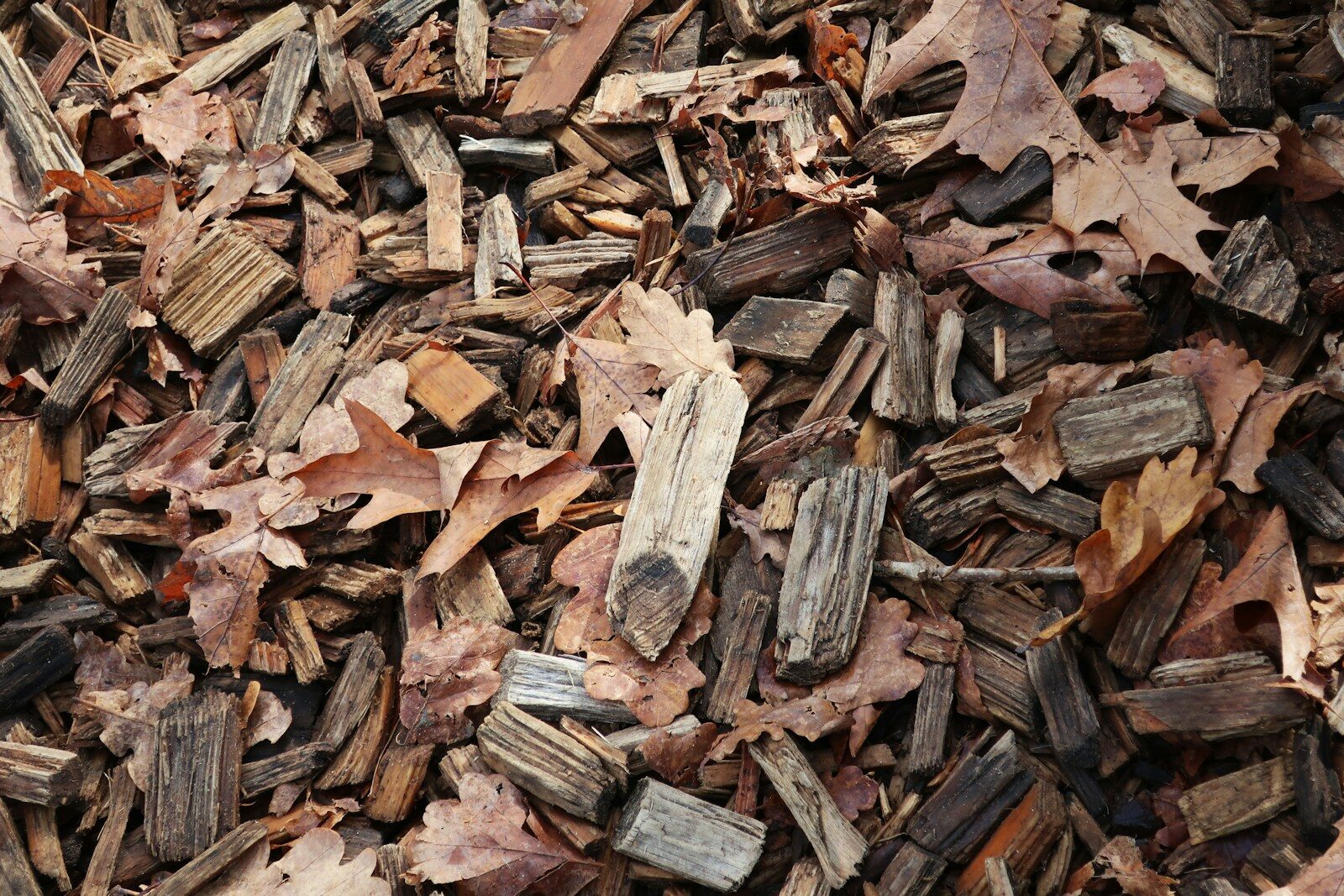
People use biomass and biofuel as if they mean the same thing.
They do not. And the difference between them is not just a naming convention. It is a biochemical distinction that changes how you evaluate energy content, carbon intensity, conversion efficiency, and sustainability claims entirely.
I studied plant biochemistry as part of my postgraduate training, specifically how plants build, store, and allocate carbon compounds across their tissues. That background gave me a different entry point into bioenergy than most general articles offer. When I read claims about biomass energy potential or biofuel carbon neutrality, I am thinking about the underlying chemistry, not just the policy narrative.
This article breaks down what biomass and biofuel actually are, what separates them chemically, and why that distinction matters if you are trying to evaluate any bioenergy system honestly.
What Is Biomass?
Biomass is any organic material derived from living or recently living organisms that contains stored chemical energy. Wood, agricultural residues, energy crops, animal waste, municipal organic waste, algae all of it qualifies as biomass as long as the energy it contains originally came from photosynthesis.
That last point is the key. Biomass energy is solar energy stored in chemical bonds. During photosynthesis, plants convert CO₂ and water into carbohydrates, lipids, and proteins using sunlight as the energy source. Those molecules become the structural and metabolic building blocks of plant tissue. When that tissue is burned or converted, those chemical bonds break and release energy.
The three main biochemical components of plant biomass are cellulose, hemicellulose, and lignin. Cellulose and hemicellulose are complex carbohydrates that make up the bulk of cell walls. Lignin is an aromatic polymer that gives wood its rigidity and resistance to decomposition. The ratio of these three components varies by species, plant part, and growing conditions, and that ratio directly determines both the energy content of the biomass and how easily it can be converted into liquid or gaseous fuel.
In my plant biochemistry studies I spent time understanding exactly how these compounds are synthesised and why different plant tissues have different compositions. A woody stem is mostly cellulose and lignin. A seed is mostly lipids and starch. A leaf is a mix of everything. This is not just academic detail. It is the foundation of any honest comparison between biomass feedstocks.
What Is Biofuel?
Biofuel is a more processed, more energy-dense, and more commercially usable form of energy derived from biomass. Where biomass is typically solid and bulky, biofuel is usually liquid or gaseous, which makes it far more practical for transportation and storage.
The five main types of biofuel are ethanol, biodiesel, biogas, bio-oil, and biohydrogen. Each comes from a different feedstock and a different conversion process.
Ethanol is produced by fermenting the sugars and starches in crops like corn, sugarcane, or wheat. The yeast converts glucose into ethanol and CO₂. This is essentially the same biochemical process as brewing beer, scaled up and optimised for fuel production.
Biodiesel comes from lipids, vegetable oils and animal fats, through a process called transesterification, where the triglyceride molecules in the oil react with an alcohol, usually methanol, to produce fatty acid methyl esters and glycerol. The result is a fuel with energy density close to conventional diesel.
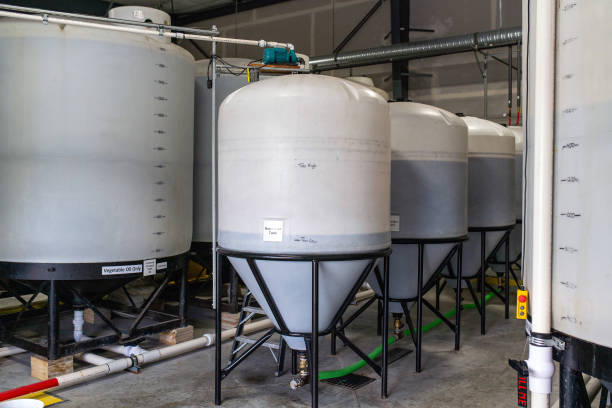
Biogas is produced when microorganisms break down organic matter in the absence of oxygen, a process called anaerobic digestion. The main product is methane, which can be used for heat, electricity, or upgraded to biomethane for injection into gas grids.
The distinction between biomass and biofuel is essentially the distinction between raw feedstock and processed fuel. Biomass is what you start with. Biofuel is what you produce after applying chemistry, microbiology, or thermochemical processing to that feedstock.
Why the Biochemical Composition of Biomass Determines Biofuel Potential
This is where the plant biochemistry becomes directly relevant to evaluating bioenergy claims.
Not all biomass converts to biofuel with equal efficiency. The conversion efficiency depends on the biochemical composition of the feedstock, specifically which molecules are present and how accessible they are to the conversion process.
Cellulose is theoretically an excellent feedstock for ethanol production because it is made of glucose chains. But it is also highly crystalline and tightly bound to lignin, which makes it physically difficult for enzymes or acids to access. Pretreatment processes to break down that structure add cost and energy inputs that reduce the net energy gain of the fuel.
Lignin cannot be fermented into ethanol at all. It is too chemically complex and aromatic. It can be burned directly for heat or converted thermochemically into bio-oil, but it is essentially wasted in a conventional fermentation-based ethanol process. A high-lignin feedstock like wood therefore has a lower theoretical ethanol yield than a high-starch feedstock like corn, even though the total energy content per unit weight might be similar.
Lipid-rich feedstocks produce the most energy-dense biofuels because lipids contain roughly twice as much energy per gram as carbohydrates. Algae species with high lipid content have been extensively researched as biodiesel feedstocks for exactly this reason.
This is the kind of analysis my plant biochemistry training allows me to apply to bioenergy claims. When someone says a particular biomass feedstock has strong biofuel potential, the first question is always: what is the biochemical composition, and how does that composition interact with the proposed conversion technology?
Is Biomass Energy Renewable and Carbon Neutral?
These two questions come up constantly and both deserve a careful answer rather than a simple yes or no.
Biomass is renewable in the sense that it comes from living organisms that can be regrown. Unlike fossil fuels, which represent carbon that has been locked underground for millions of years, biomass carbon was recently in the atmosphere and can return there through natural cycles.
But renewable does not automatically mean carbon neutral. When biomass is burned, it releases CO₂ immediately. The carbon debt that creates is only repaid if the biomass is replaced by new plant growth that reabsorbs an equivalent amount of CO₂ over a timeframe relevant to the climate. For fast-growing short-rotation crops like willow or miscanthus, that payback period can be just a few years. For slow-growing forest trees, it can be decades.
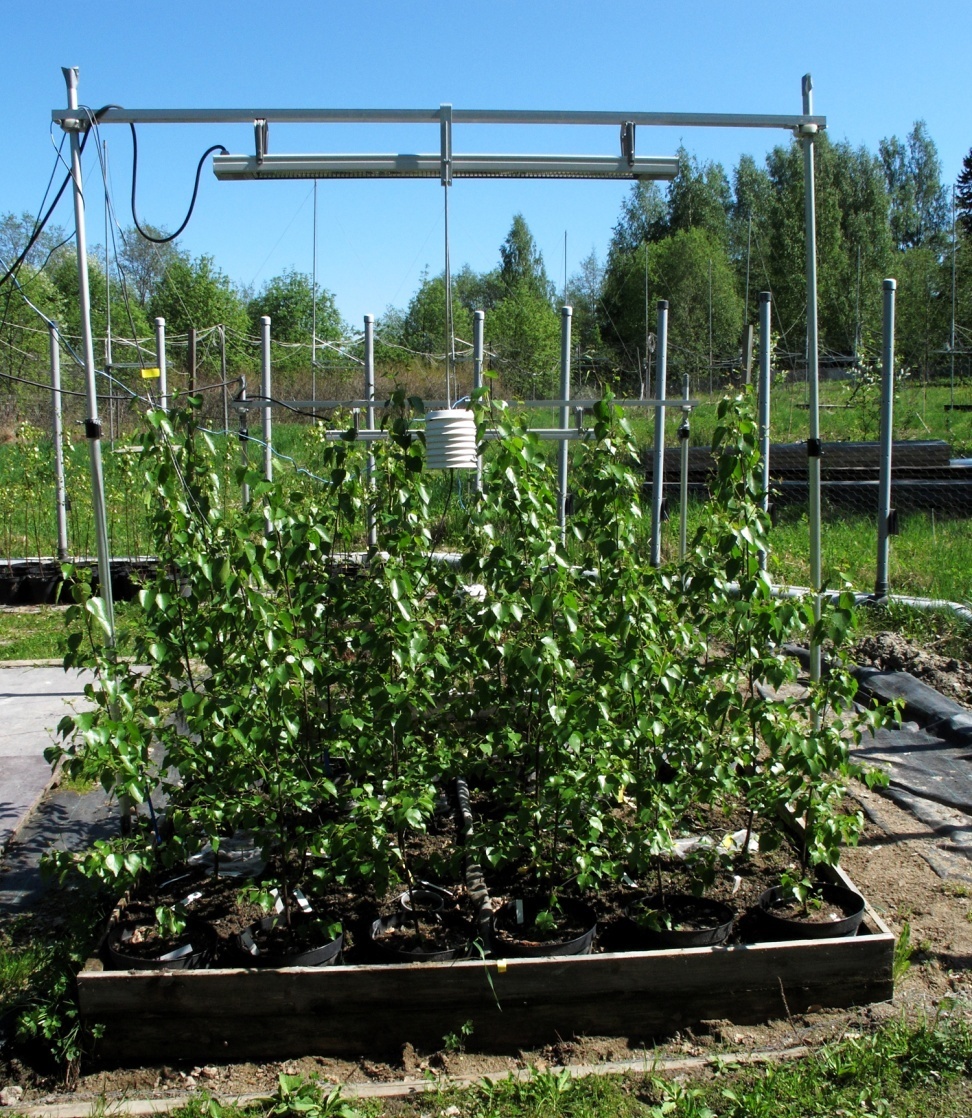
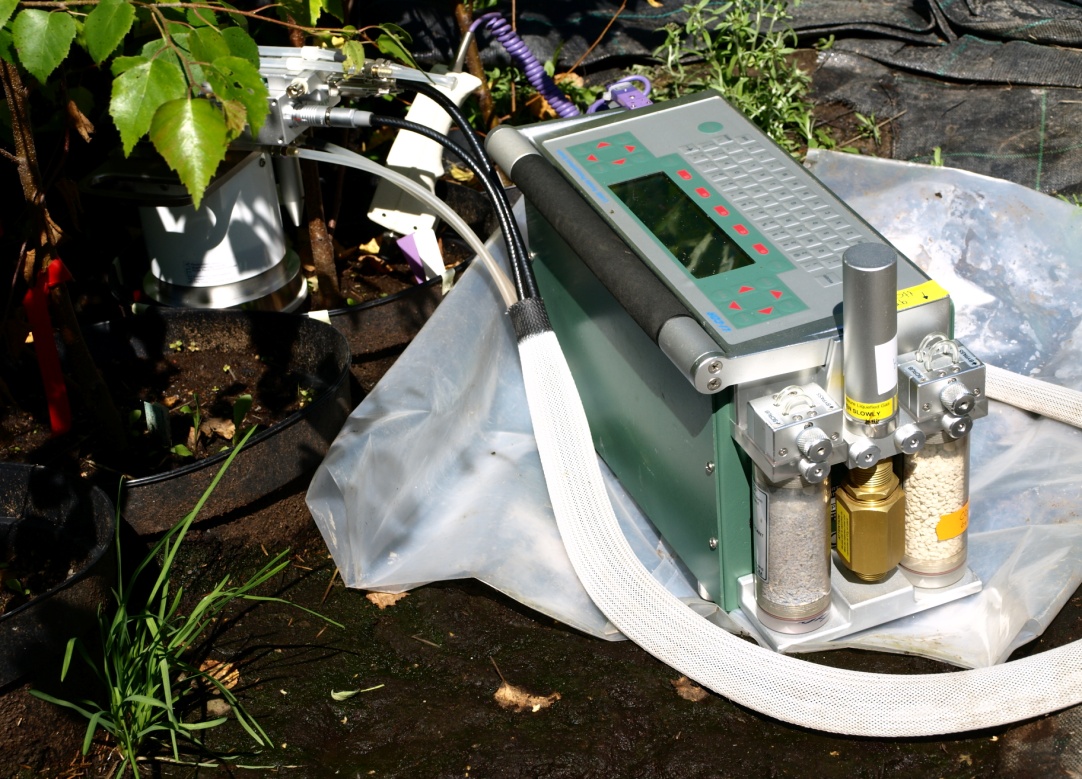
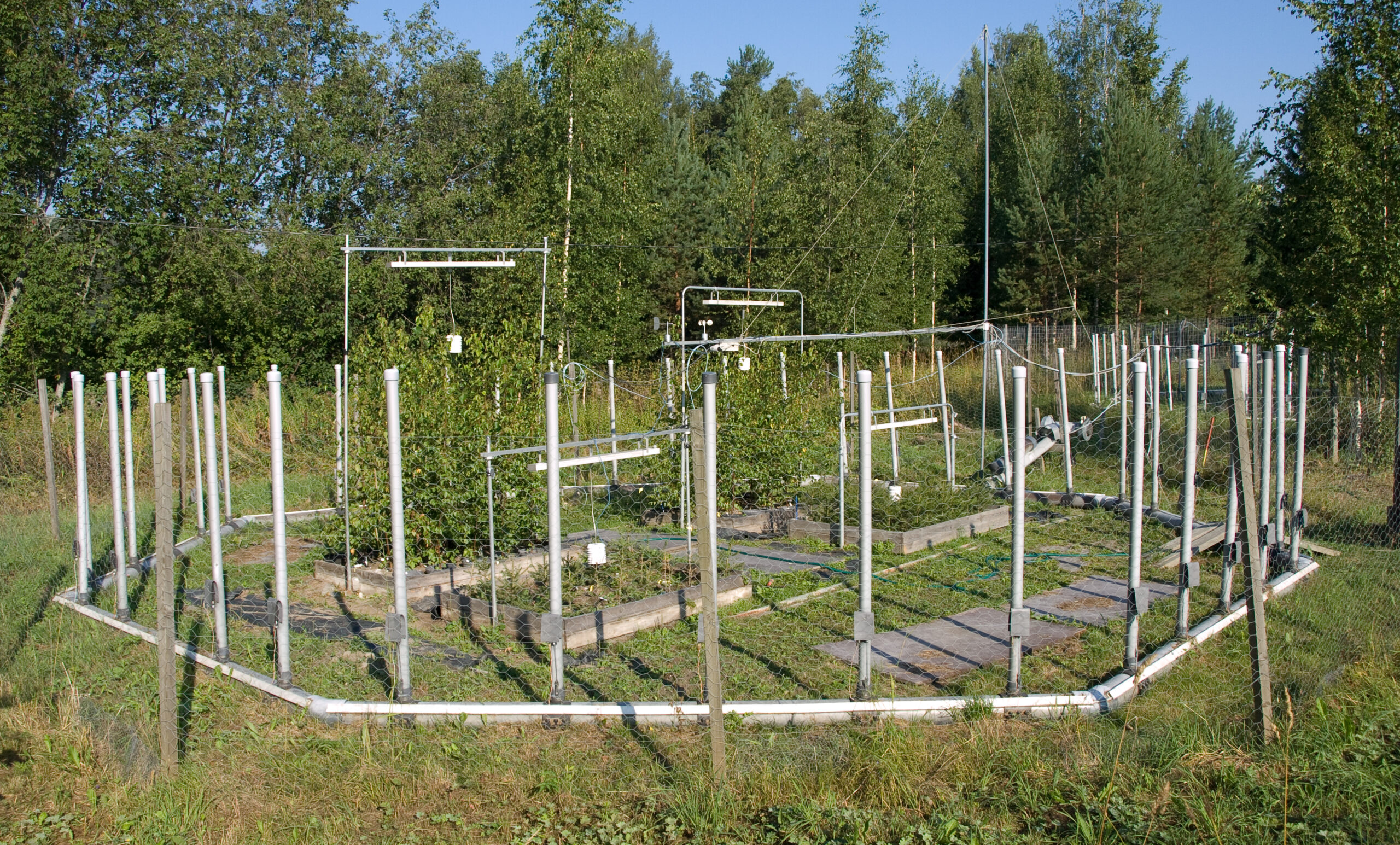
In my research on silver birch biomass accumulation under different environmental conditions, I measured how warming and ozone stress affected stem growth and above-ground biomass production. A 0.9°C temperature increase boosted stem height by around 9% at peak growing season. That kind of growth response directly affects how quickly a harvested stand rebuilds its carbon stock and therefore how the carbon accounting of using it for bioenergy works out.
The honest answer on carbon neutrality is that it depends entirely on the feedstock, the land use context, the conversion technology, and the timeframe over which you are measuring. Biomass can be close to carbon neutral under the right conditions. It can also be worse than coal if managed badly.
Biomass vs Biofuel: A Quick Reference
To summarise the key distinctions clearly:
Biomass is the raw organic material. Biofuel is the processed energy product. Biomass is typically solid. Biofuel is typically liquid or gaseous. Biomass is used directly for combustion. Biofuel is used in engines and fuel systems.
The energy content of biomass depends on its biochemical composition. The energy density of biofuel depends on the conversion process and feedstock. Both are considered renewable. Neither is automatically carbon neutral.
Frequently Asked Questions
Are biomass and biofuel the same thing?
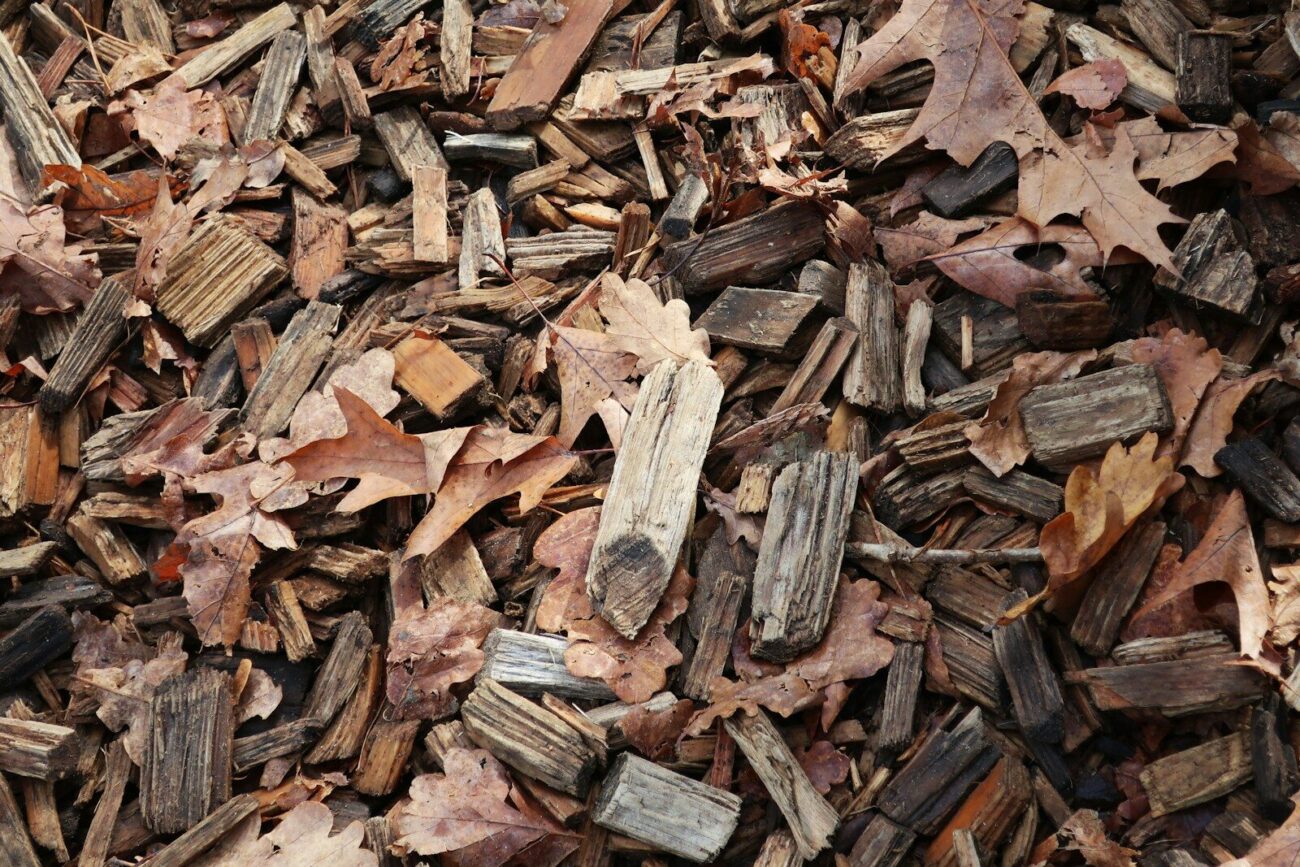
No. Biomass is the raw organic material that contains stored solar energy. Biofuel is a processed energy product derived from biomass. Wood chips are biomass. The ethanol made by fermenting corn is a biofuel. The distinction matters because conversion processes, energy efficiency, and carbon accounting are all different depending on which you are talking about.
Is biomass energy renewable?
Yes, in the sense that it comes from living organisms that can be regrown. But renewable does not mean carbon neutral. Whether burning biomass represents a net climate benefit depends on the feedstock, how it was grown, how quickly it can be replaced, and what fossil fuel it is displacing.
How is biomass converted to energy?
Through several different processes depending on the feedstock and the desired energy form. Direct combustion produces heat. Fermentation of sugars and starches produces ethanol. Transesterification of oils and fats produces biodiesel. Anaerobic digestion of organic waste produces biogas. Thermochemical processes including pyrolysis and gasification convert solid biomass into liquid bio-oil or synthetic gas.
What provides 80% of the world’s energy today?
Fossil fuels coal, oil, and natural gas currently supply around 80% of global energy. Biomass and biofuels together account for roughly 10%, making them the largest renewable energy source globally by total consumption, mostly through traditional wood burning in developing regions.
Does biomass contain energy?
Yes. Biomass contains chemical energy stored in the carbon bonds of its organic molecules, primarily cellulose, hemicellulose, lignin, starch, and lipids. That energy originally came from sunlight captured through photosynthesis. Releasing it requires breaking those bonds through combustion or biochemical or thermochemical conversion.
What are the disadvantages of biomass energy?
The main ones are land use competition with food production, the risk of net carbon emissions if forests are harvested faster than they regrow, air quality impacts from direct combustion, and relatively low energy density compared to fossil fuels. Whether these disadvantages outweigh the benefits depends heavily on the specific feedstock, location, and conversion technology.
Is biomass considered renewable energy?
Yes, officially and broadly. But the classification is contested in some contexts, particularly when it involves harvesting primary forests or converting high-carbon land for energy crop production. The most defensible biomass energy systems use agricultural residues, purpose-grown energy crops on marginal land, or waste streams that would otherwise decompose and release carbon anyway.